Jesse Jackson Jr., 60, is running in the Democratic primary for Illinois’ 2nd Congressional District, positioning his campaign as a redemption story after a 2013 conviction for misusing campaign funds and a 30-month prison sentence. He emphasizes personal growth, caregiving for his ailing father and big economic proposals such as a third Chicago-area airport. Fundraising lags behind rivals like Donna Miller, though his campaign says it has registered roughly 2,000 new voters. Opponents argue the district needs fresh leadership after a history of misconduct, while some voters support a second chance.
Jesse Jackson Jr. Frames Comeback as Redemption Bid While Campaigning for His Old House Seat
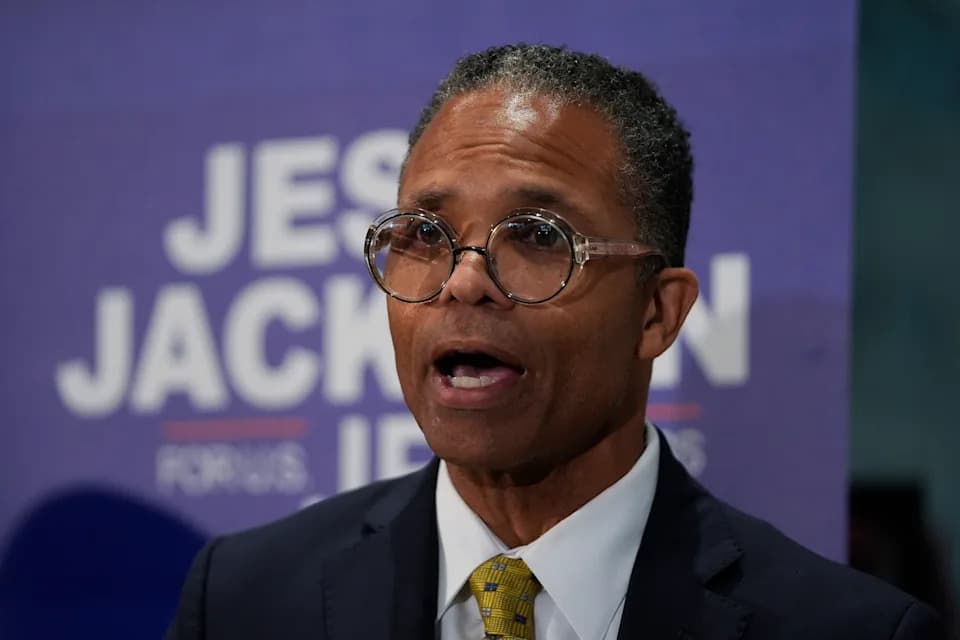
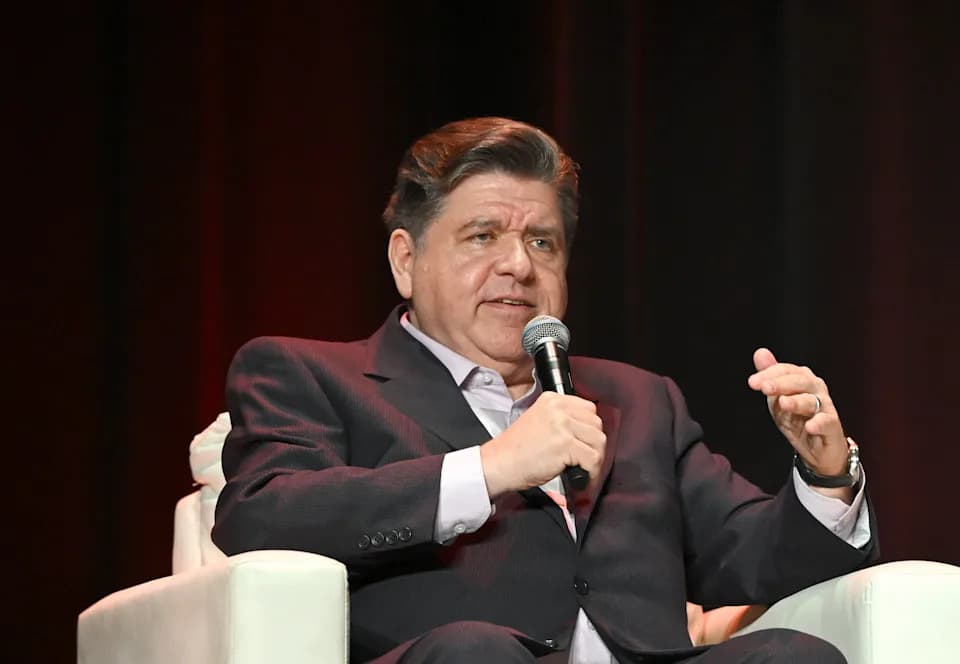
Former Illinois Rep. Jesse Jackson Jr. speaks during an event where he was endorsed by the Southland Minister Alliance as a candidate for his old congressional seat after more than a decade out of office, Oct. 15, 2025, at Victory Christian International Ministries in Park Forest, Ill. (AP Photo/Erin Hooley)(ASSOCIATED PRESS)
COUNTRY CLUB HILLS, Ill. — Jesse Jackson Jr., 60, is campaigning across Chicago-area churches, banquet halls and Black radio programs as he seeks to reclaim the Democratic nomination for Illinois’ 2nd Congressional District — the seat he held for 17 years before resigning amid a federal investigation.
Redemption and Run
Jackson opens many events by addressing the issue at the heart of his comeback: his 2013 guilty plea for diverting campaign funds for personal use. He served a 30-month sentence and often describes the experience as humbling and formative.
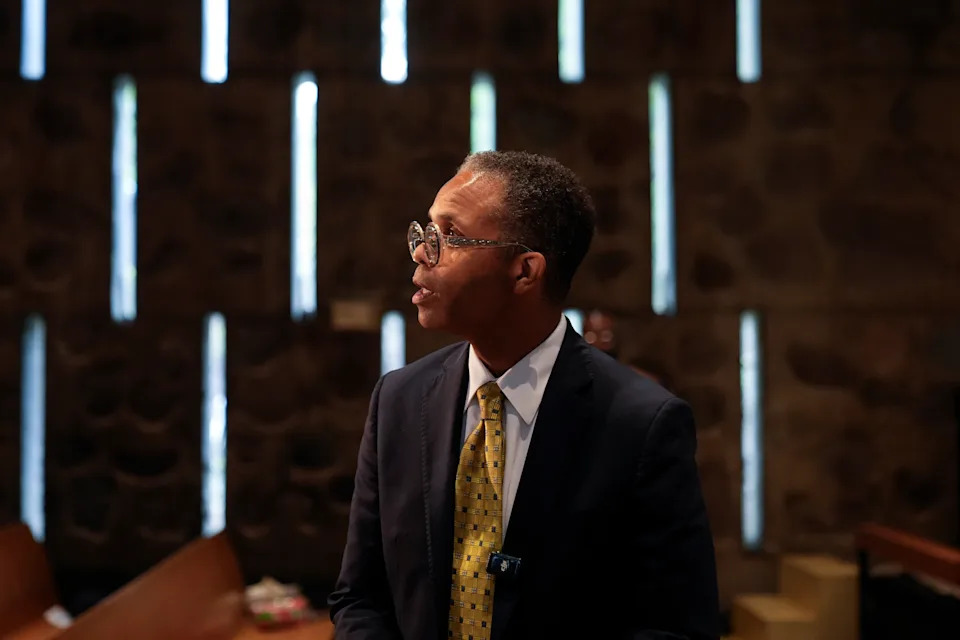
Former Illinois Rep. Jesse Jackson Jr. speaks during an event where he was endorsed by the Southland Minister Alliance as a candidate for his old congressional seat after more than a decade out of office, Oct. 15, 2025, at Victory Christian International Ministries in Park Forest, Ill. (AP Photo/Erin Hooley)(ASSOCIATED PRESS)
“It’s now part of my story,” Jackson told pastors and local officials at a recent event. “I’ve cried enough. I’m divorced now. I’ve lost my home in foreclosure. I’ve been through everything that comes with that process.”
He frames his campaign as a story of redemption, emphasizing incarceration, financial loss and caregiving for his ailing father, the Rev. Jesse Jackson, who has progressive supranuclear palsy. Jackson says those experiences give him perspective and renewed commitment to serve a district facing economic and social challenges.
Policy Pitch: Jobs, Infrastructure and a Third Airport
At campaign stops Jackson lays out ambitious proposals — including a long-discussed idea for a third Chicago-area airport intended to spur investment in economically depressed suburbs. He also touts the nearly $1 billion in federal funding he helped secure previously for local projects.
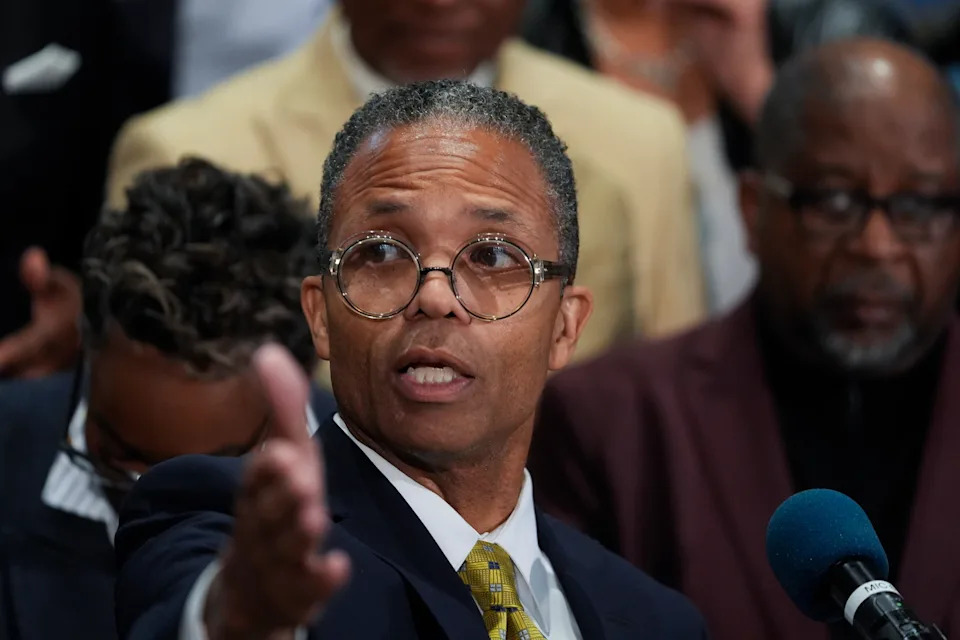
Former Illinois Rep. Jesse Jackson Jr. speaks during an event where he was endorsed by the Southland Minister Alliance as a candidate for his old congressional seat after more than a decade out of office, Oct. 15, 2025, at Victory Christian International Ministries in Park Forest, Ill. (AP Photo/Erin Hooley)(ASSOCIATED PRESS)
With animated, preacher-like delivery, Jackson paints a vision of improved connectivity and opportunity: “The one thing missing from this congressional district is access to the global economy,” he said, envisioning daily flights to international destinations.
Campaign Reality: Fundraising, Voters and Opposition
But Jackson’s campaign faces clear hurdles. Ten Democrats are competing in the March 17 primary for the open seat — vacated because Rep. Robin Kelly is running for the U.S. Senate following Sen. Dick Durbin’s announced retirement. Early voting begins Thursday.
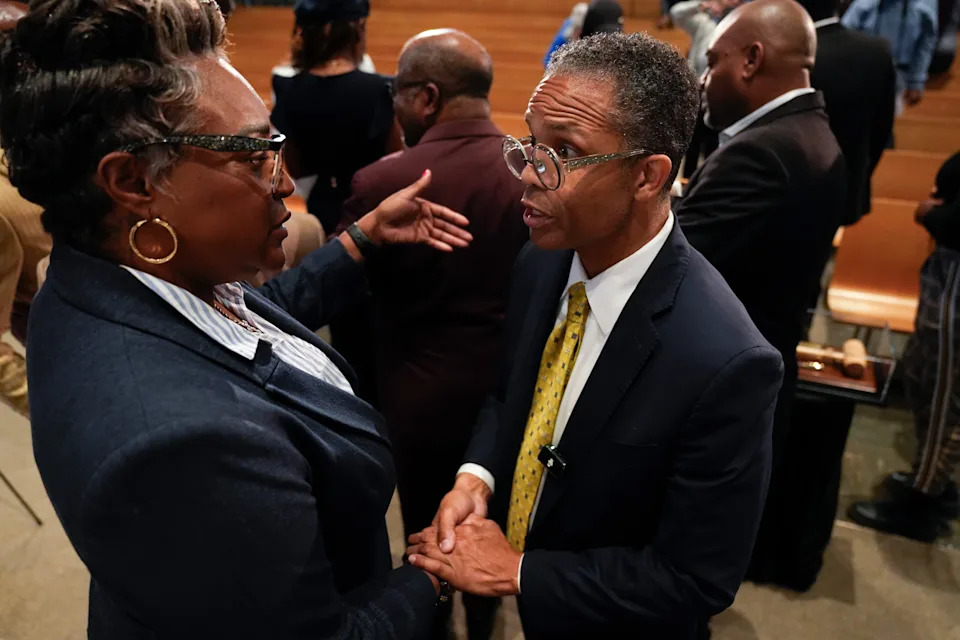
Former Illinois Rep. Jesse Jackson Jr., right, speaks to Knitasha Washington during an event where he was endorsed by the Southland Minister Alliance as a candidate for his old congressional seat after more than a decade out of office, Oct. 15, 2025, at Victory Christian International Ministries in Park Forest, Ill. (AP Photo/Erin Hooley)(ASSOCIATED PRESS)
Fundraising has been a notable disadvantage: county commissioner Donna Miller led the recent quarter with roughly $1 million raised and about that much in cash on hand, while Jackson reported raising about $100,000 and has similar cash available. Jackson’s campaign says it has registered roughly 2,000 new voters and is working to reconnect disaffected constituents, particularly Black men who have drifted from the party.
Rivals emphasize ethics and the need for a new direction. State Sen. Willie Preston has criticized Jackson’s past high-end lifestyle as a signal he might revert to old habits, while candidate Yumeka Brown and others argue the district deserves new leadership after a history of misconduct by some past representatives.
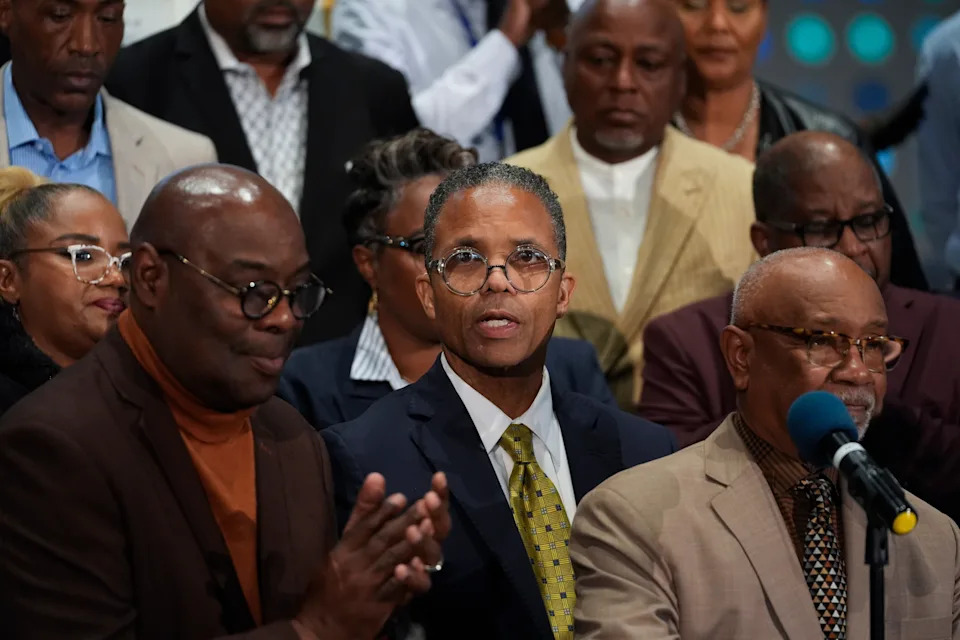
Former Illinois Rep. Jesse Jackson Jr. speaks during an event where he was endorsed by the Southland Minister Alliance as a candidate for his old congressional seat after more than a decade out of office, Oct. 15, 2025, at Victory Christian International Ministries in Park Forest, Ill. (AP Photo/Erin Hooley)(ASSOCIATED PRESS)
Personal Struggles and Public Image
Jackson’s political decline began with a 2012 absence from public life and treatment for bipolar disorder at the Mayo Clinic. He resigned from Congress that year as a federal investigation unfolded. In 2013 he pleaded guilty to participating in a scheme prosecutors say diverted about $750,000 in campaign funds to personal purchases; his then-wife, former Chicago alderwoman Sandi Jackson, also pleaded guilty.
After prison, Jackson says he learned from fellow inmates and wrote a book. He also faced personal setbacks: his 37-year marriage ended, he cited disability payments in divorce filings, and he has had difficulty finding employment — at least one university withdrew a job offer after the conviction.
Supporters point to his oratorical skill, name recognition and track record of securing federal dollars; critics counter that trust must be rebuilt. Voters remain divided between those who believe in second chances and those who want a fresh start for the district.
What’s Next
With a crowded field and early voting underway, Jackson’s path depends on persuading skeptical voters that his experiences have changed him and that his proposals can deliver economic gains. Whether his redemption narrative will overcome fundraising gaps and ethical concerns remains the central question of the race.
Key Facts: Jackson served 17 years in Congress after winning a 1995 special election, pleaded guilty in 2013 to misusing campaign funds (about $750,000) and served 30 months in prison. He has launched a primary campaign in the open 2nd District seat and emphasizes rehabilitation, constituent outreach and infrastructure plans including a proposed third airport.
Help us improve.