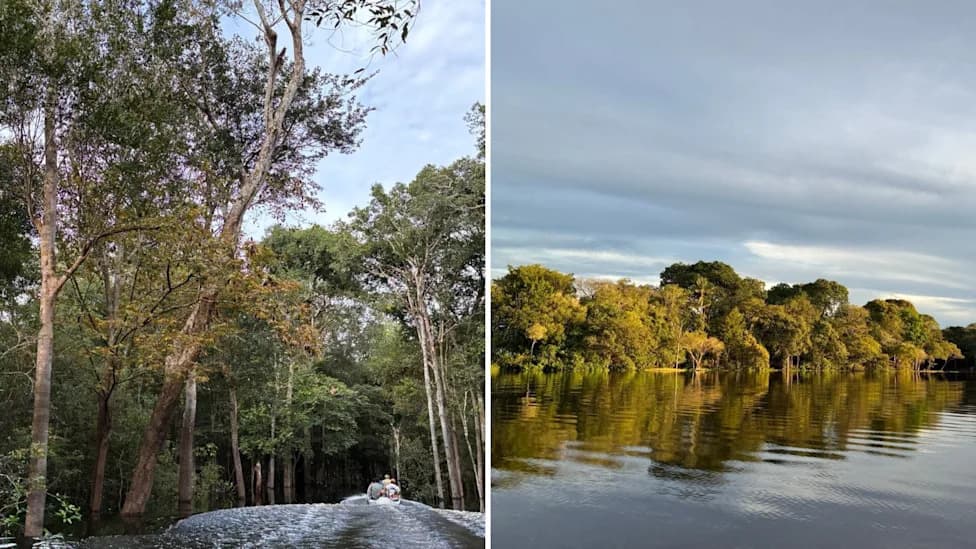
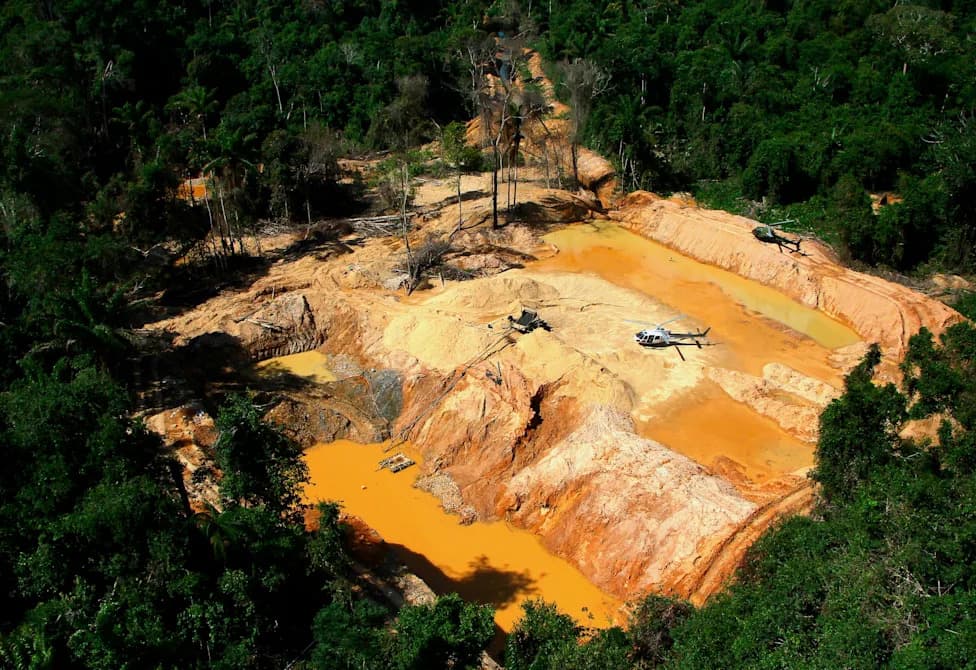
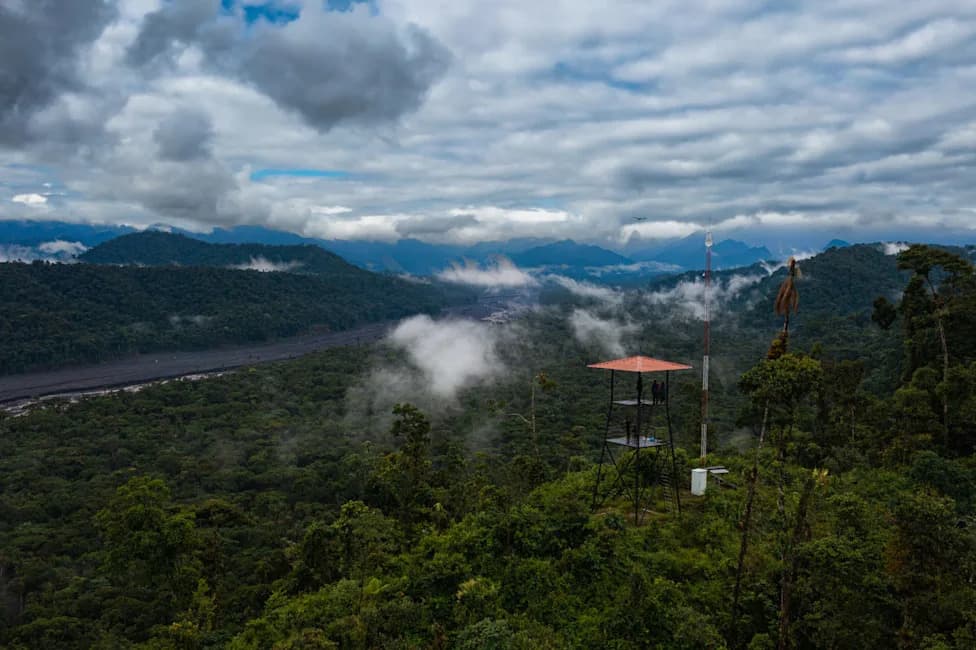
Arauco has started building the $4.6 billion Projeto Sucuriú pulp mill on about 3,500 hectares in a conservation-priority zone of Brazil’s Cerrado, sparking criticism from scientists, local communities and environmentalists. Opponents warn that planned eucalyptus monocultures will reduce biodiversity, increase fire and roadkill risks, and could worsen water scarcity by impacting the shrinking Bauru-Caiuá Aquifer. Critics also cite Arauco’s contested record in Chile and demand enforceable safeguards, independent monitoring and formal groundwater protection plans.
Arauco’s $4.6B Cerrado Mill Sparks Outcry Over Biodiversity, Water and Monoculture Risks
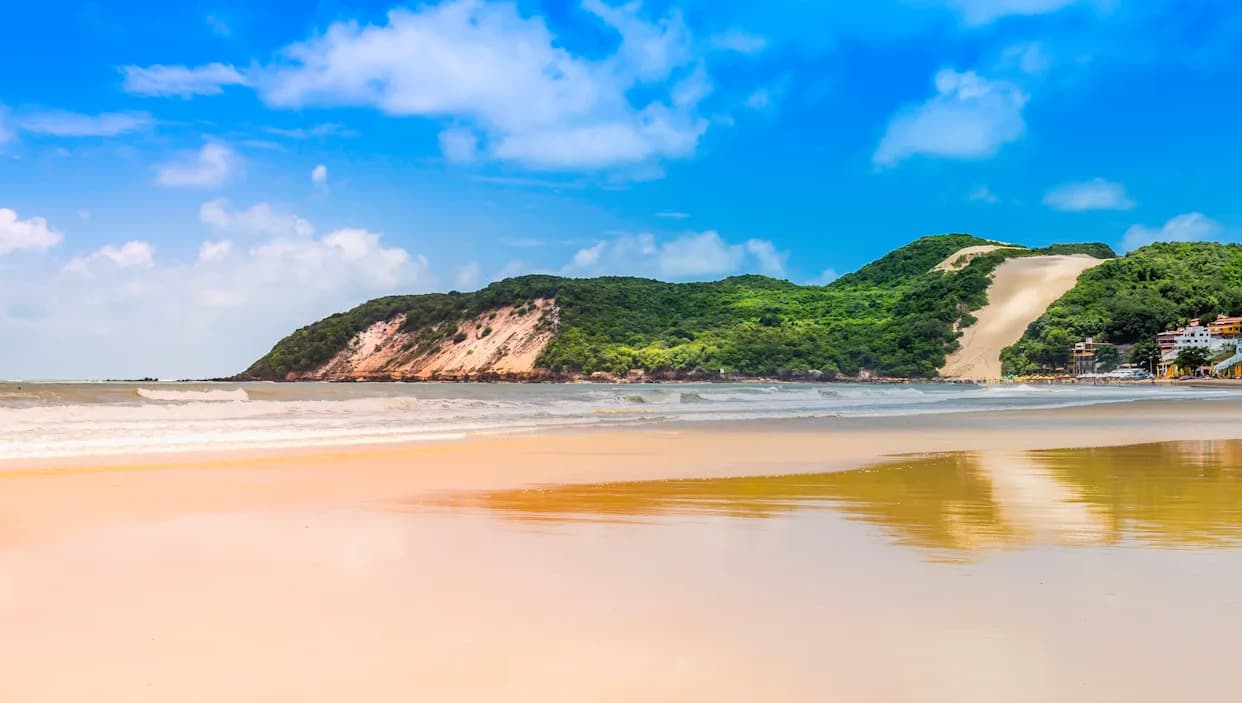
Photo Credit: iStock
Arauco, the Chilean forestry giant, has begun construction on Projeto Sucuriú — a pulp-and-paper complex valued at about $4.6 billion — in the Brazilian state of Mato Grosso do Sul, according to Mongabay. The site covers roughly 3,500 hectares near the Sucuriú River and lies within a formally designated conservation-priority area of the Cerrado, one of the planet’s richest savanna ecosystems.
Environmental and Social Concerns
Local communities, conservationists and scientists warn the project could harm wildlife, deplete water resources and accelerate habitat loss. Opponents particularly object to plans for extensive eucalyptus plantations to feed the mill. Scientists have described large-scale, single-species eucalyptus stands as “green deserts” because they offer little habitat value to native species and can displace old-growth vegetation.
The surrounding landscape supports numerous endangered and threatened animals, including giant anteaters, maned wolves and yellow-faced parrots. Conservationists say conversion of native vegetation into plantations could fragment habitat, increase wildlife roadkill as animals are forced to move, and weaken ecosystem resilience — including making the landscape more fire-prone.
Water Risks Over a Shrinking Aquifer
The mill sits above the Bauru-Caiuá Aquifer, a groundwater source that experts say is already diminishing. Eucalyptus is known to intercept and consume large amounts of rainwater, which can reduce infiltration to deeper soil and aquifers. Local water managers and farmers fear the plantations could exacerbate shortages for towns and agricultural users in the region.
Questions About Corporate Record And Oversight
Critics also point to Arauco’s past controversies in Chile, where the company has faced fines, plant shutdowns, conflicts with Indigenous communities, and links to pollution incidents. Plant biotechnology engineer and activist Juan Pablo Toledo described his observations firsthand:
“I spent half of my life between the ports and [Arauco's] pulp factory, which is one of Latin America’s largest. I see trains loaded with acid arriving at the industrial plants all the time. Soon thereafter, I see the foam spreading on the beaches when the acid is dumped after its use.”
Arauco has said it will implement mitigation measures and claims the project is sustainable, but many stakeholders remain unconvinced and call for independent verification.
Calls For Stronger Safeguards
Local groups, environmentalists and scientists are demanding stronger oversight and transparent, independent monitoring. Key requests include enforceable safeguards, formal groundwater replenishment and management plans, strict limits on the expansion of eucalyptus monocultures, and rigorous third-party verification of the company’s sustainability claims. Advocates stress that protections must be legally binding so environmental and social costs are not shifted onto vulnerable communities.
Why this matters: The Cerrado is a globally important biome that sustains biodiversity, regional water cycles and the livelihoods of many people. Large industrial plantations and a major pulp mill in a conservation-priority area pose long-term risks that many say warrant far more scrutiny before the project proceeds.
Help us improve.