The Environmental Investigation Agency revealed that about 5,000 hectares of intact forest inside an Indigenous Territory in Pará were illegally cleared. Using satellite imagery and official records, investigators traced roughly 25,000 cubic meters of timber (about 830 containers) from three sites, and found over 78,000 cubic meters of illegal wood in recent years. Exports were linked to major US and EU buyers as regulatory enforcement faces political and resourcing pressures.
EIA Exposes Massive 5,000‑Hectare Illegal Logging Operation in Pará Indigenous Territory — Timber Traced to Major US and EU Buyers
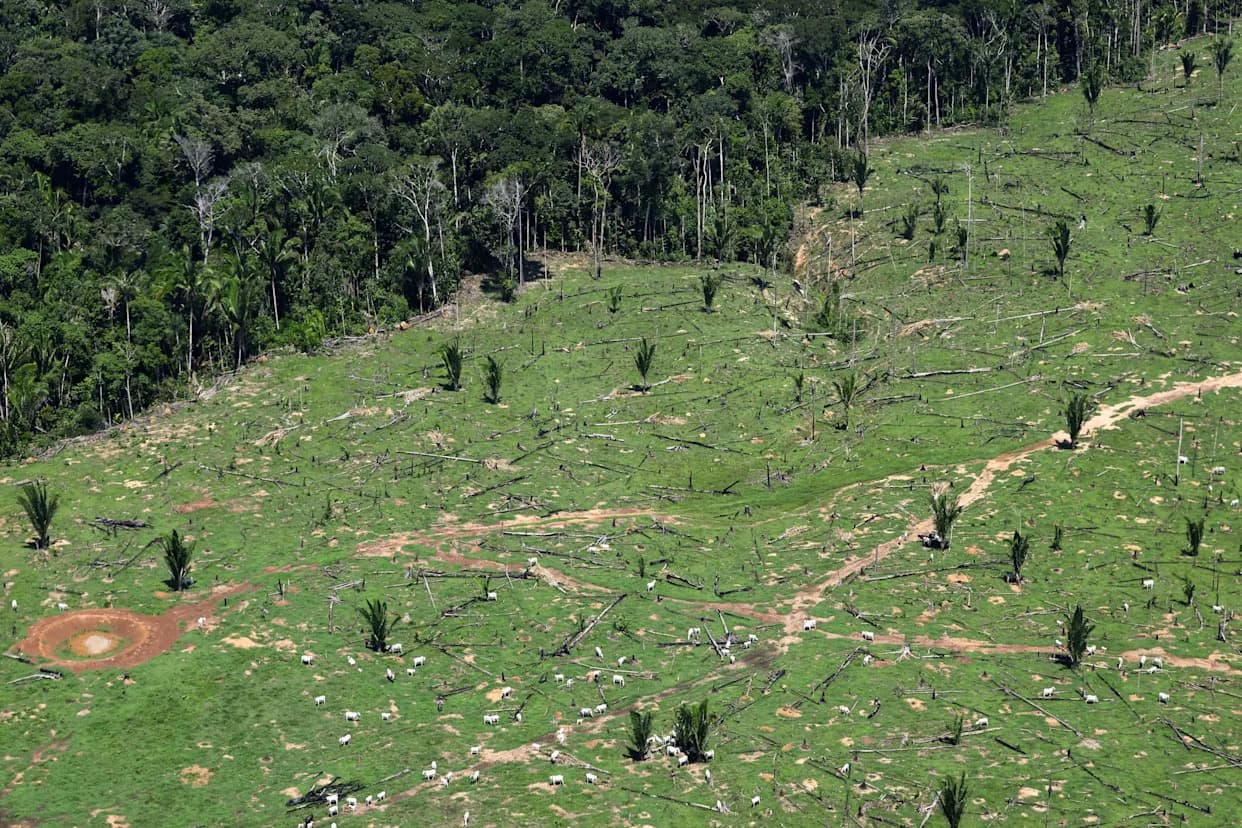
A new investigation by the Environmental Investigation Agency (EIA) has uncovered a large-scale illegal logging operation that cleared roughly 5,000 hectares of intact forest inside an Indigenous Territory in Pará state, whose capital Belém is hosting COP30.
Key Findings
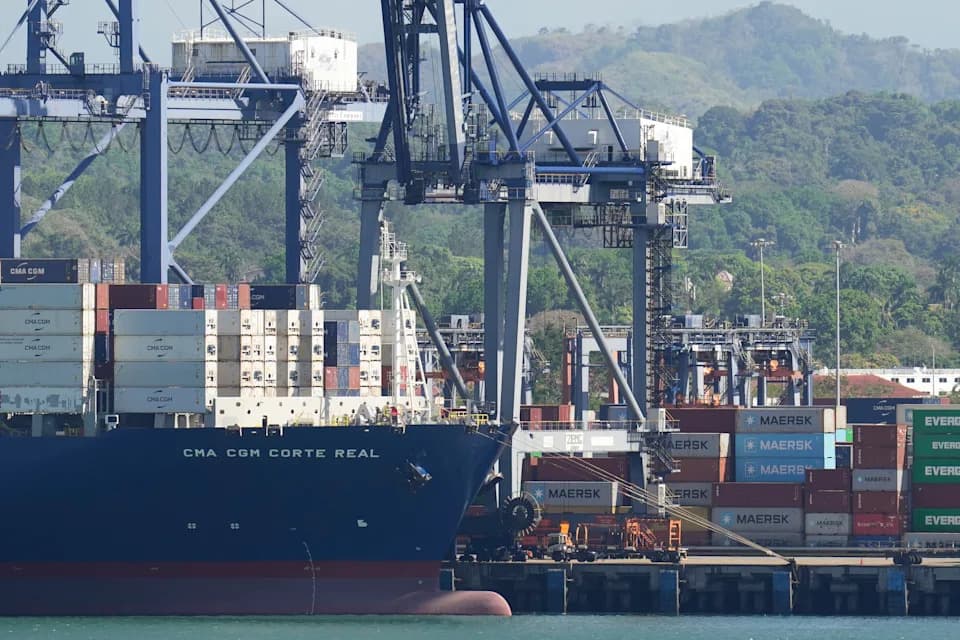
The EIA report, using satellite imagery and government records, traced about 25,000 cubic meters of timber — roughly 830 shipping containers — from three sites in Brazil. Much of this wood was exported to buyers in the United States and Europe, including suppliers linked to Marriott hotels, Hyatt resorts and Formula One VIP areas. Across recent years the investigation identified more than 78,000 cubic meters of illegally sourced timber in total — an amount the EIA says is equivalent to 31 Olympic‑size swimming pools filled with logs.
Environmental and Social Impact
Within Brazil, illegal logging has devastated forests, shattered ecosystems and violated Indigenous rights. The clearance of primary forest in Indigenous Territory not only destroys biodiversity and carbon stores but also undermines the livelihoods and cultural rights of Indigenous communities. The EIA report links these activities to networks that help finance organized crime.
Regulatory Context
Internationally, Brazil’s largest timber export markets — the European Union and the United States — have legal frameworks intended to block trade in illegally sourced wood: the EU Timber Regulation (EUTR), soon to be replaced by the stricter EU Deforestation Regulation, and the U.S. Lacey Act. The EIA’s findings arrive at a sensitive moment: some actors in the EU are reportedly seeking to weaken the EUTR or delay the new regulation, while U.S. enforcement of the Lacey Act saw notable resource reductions during the Trump administration.
Why it matters: These findings highlight how illegal forest clearance inside Indigenous lands can feed global supply chains and reveal gaps in enforcement that allow illicit timber to reach major international buyers.
The EIA is calling for stronger traceability, tougher enforcement of existing laws, and immediate action to protect Indigenous territories and remaining intact forests in the Amazon.
Help us improve.