A Serbian culture minister and three officials are on trial in Belgrade accused of forging documents to lift protection on a historic site to enable a Kushner-linked redevelopment. Jared Kushner later withdrew from the multi-million-dollar plan to replace a bomb-damaged military complex with hotels, apartments and shops. The case unfolds amid mass protests, controversial judicial amendments and scrutiny of President Aleksandar Vučić’s consolidation of power.
Serbian Culture Minister on Trial Over Alleged Forgery in Kushner-Linked Redevelopment
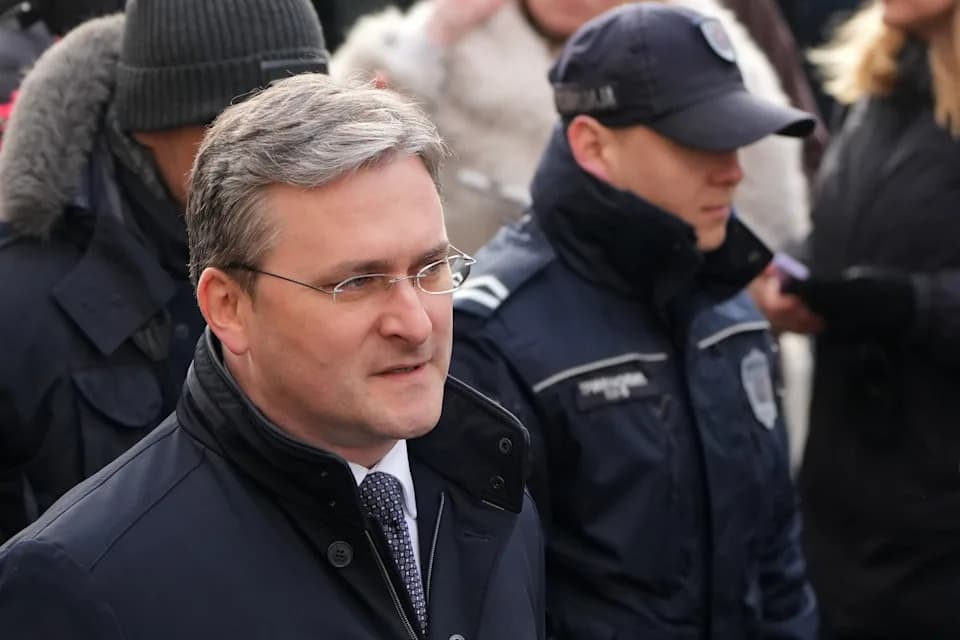
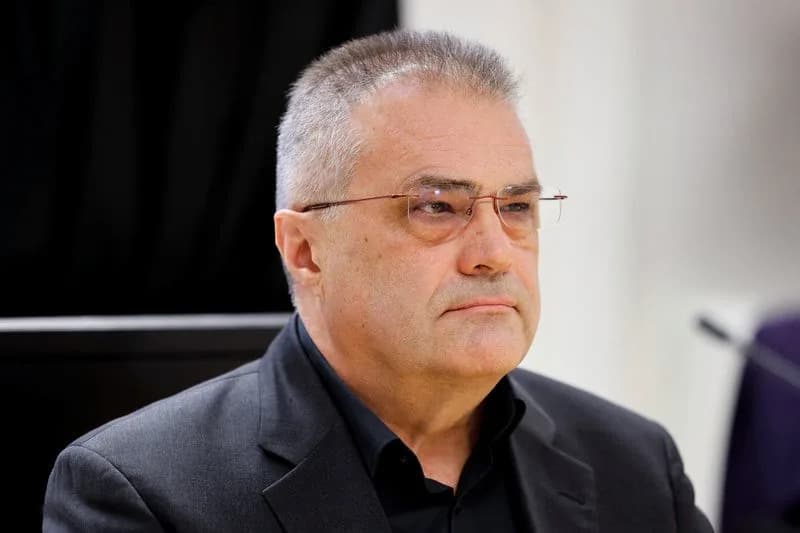
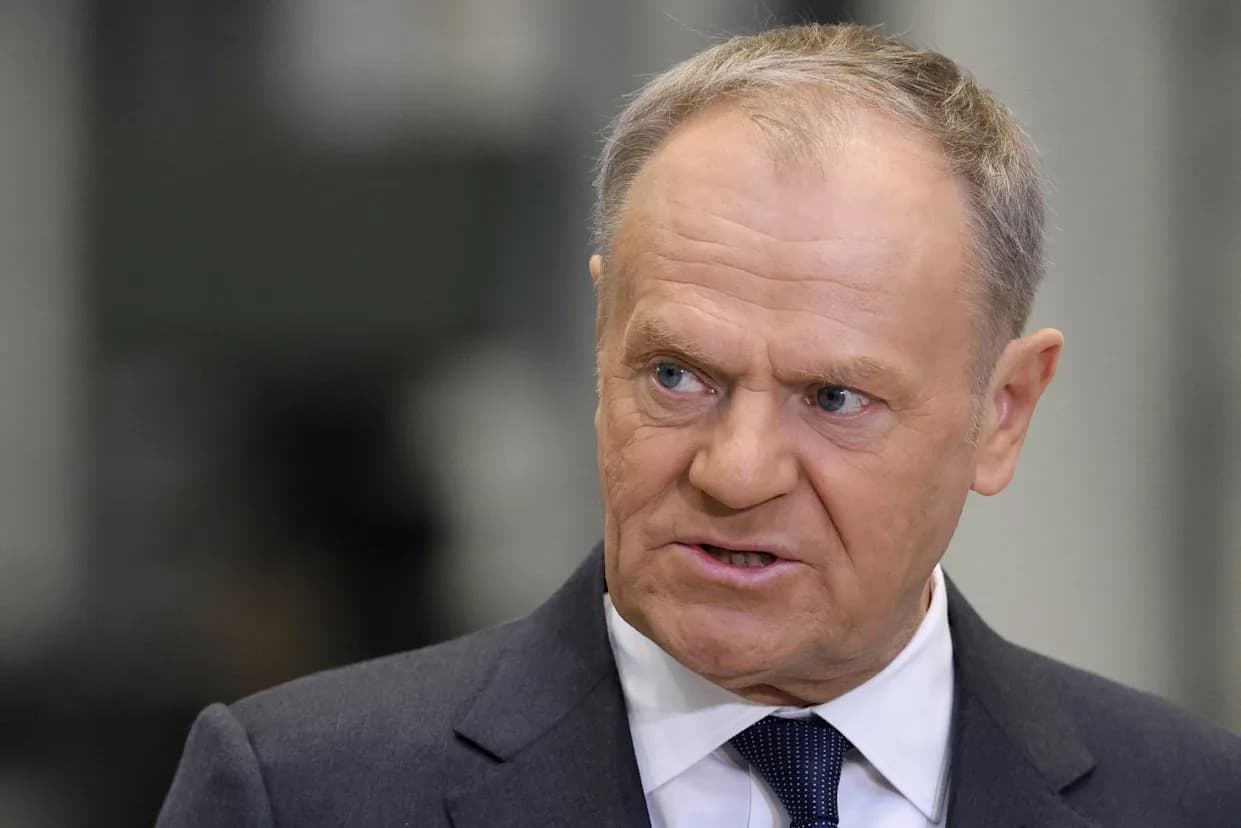
Serbia culture Minister Nikola Selakovic, charged with abuse of office and falsifying of documents to help pave the way for a real estate project that was to be financed by a company of Jared Kushner, U.S. President Donald Trump's son-in-law, arrives in the court building in Belgrade, Serbia, Wednesday, Feb. 4, 2026. (AP Photo/Darko Vojinovic)(ASSOCIATED PRESS)
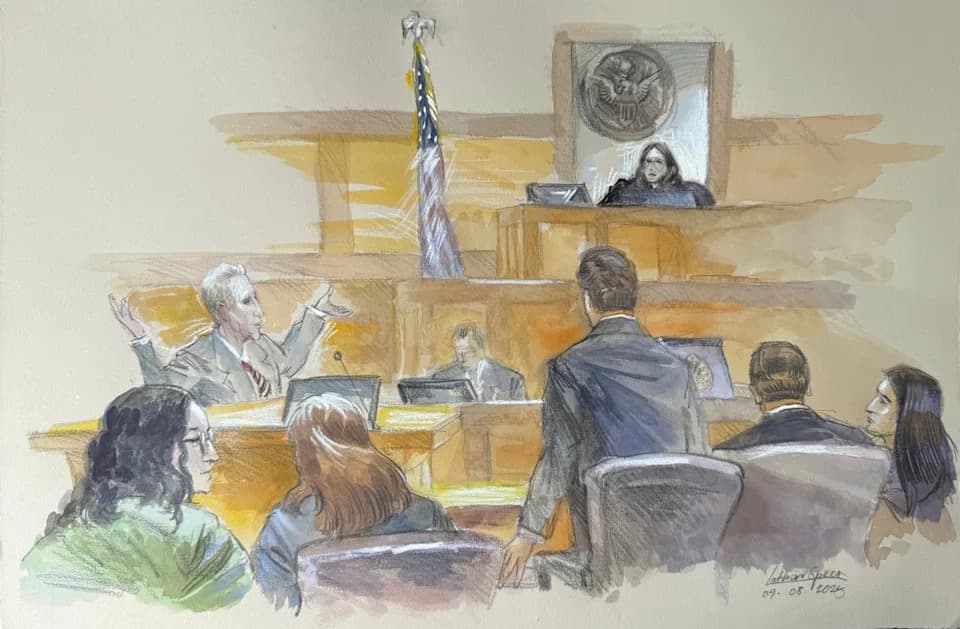
A Serbian culture minister and three other officials went on trial in Belgrade on charges of abuse of office and document forgery after prosecutors say they unlawfully removed protection for a historic site to clear the way for a Kushner-linked redevelopment.
Prosecutors allege that Culture Minister Nikola Selaković, a close ally of President Aleksandar Vučić, and three other officials forged paperwork in 2024 to strip protected status from a bomb-damaged military complex in central Belgrade so a planned multi-million-dollar project could proceed. The proposal — which envisioned a high-rise hotel, luxury apartments, offices and shops — was said to have been financed by a company tied to Jared Kushner. Kushner later withdrew from the project.
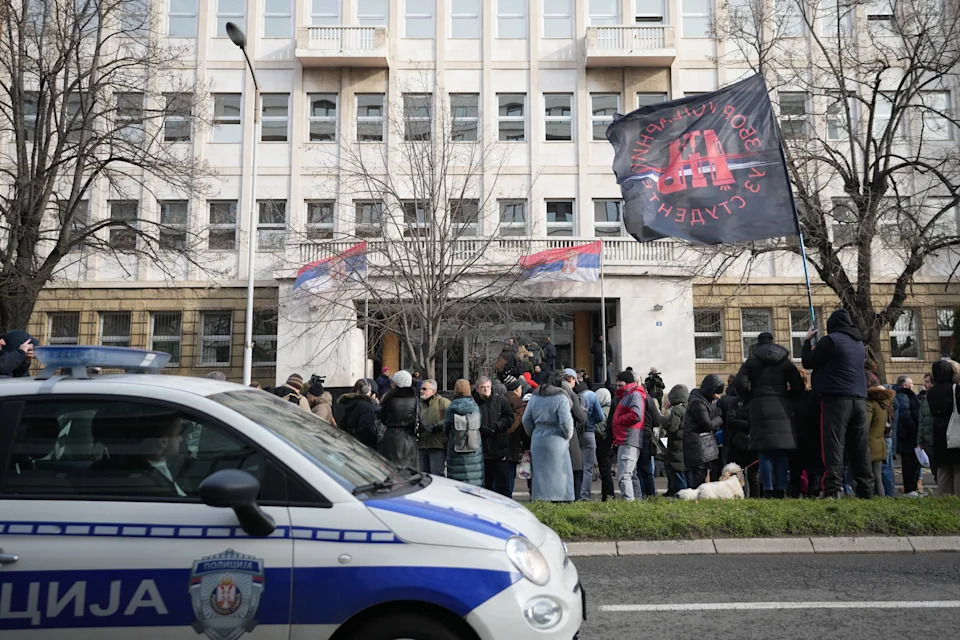
People gather outside the organized crime court building to watch the arrival of Serbian culture Minister Nikola Selakovic, charged with abuse of office and falsifying of documents to help pave the way for a real estate project that was to be financed by a company of Jared Kushner, U.S. President Donald Trump's son-in-law, in Belgrade, Serbia, Wednesday, Feb. 4, 2026. (AP Photo/Darko Vojinovic)(ASSOCIATED PRESS)
Heritage, Politics and Public Backlash
The site was designed by prominent 20th-century Yugoslav architect Nikola Dobrović and is regarded by heritage groups as a modernist masterpiece. The complex was heavily damaged during the 1999 NATO air campaign over Kosovo, and conservationists had urged preservation and sensitive revitalization rather than demolition and commercial redevelopment.
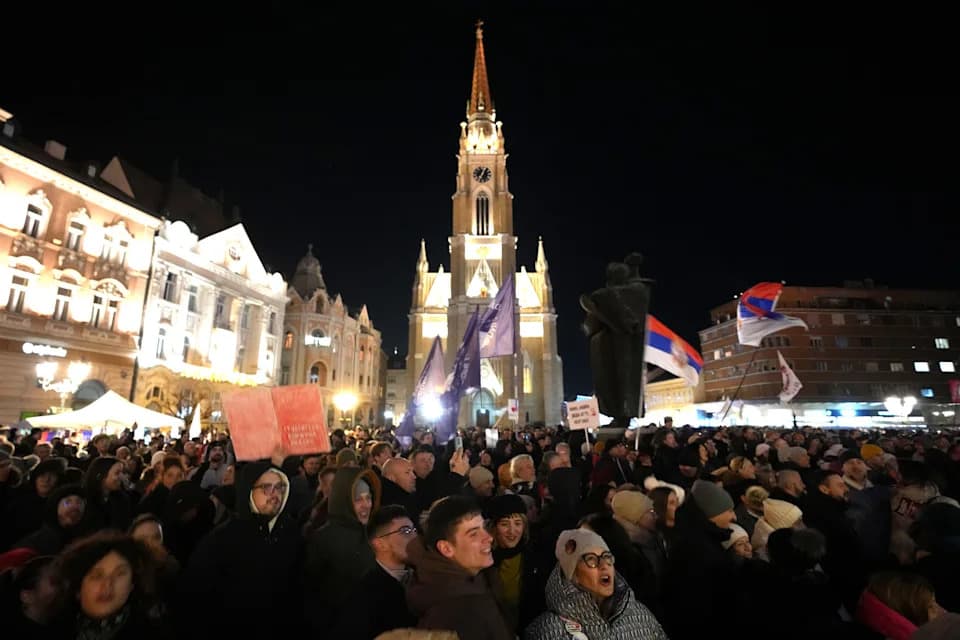
Dozens of anti-government protesters gathered outside the organized crime court on the trial's opening day, chanting "thieves!" as the defendants arrived. Prosecutors themselves staged a 10-minute silent protest outside their offices in response to recent parliamentary amendments critics say will weaken judicial independence.
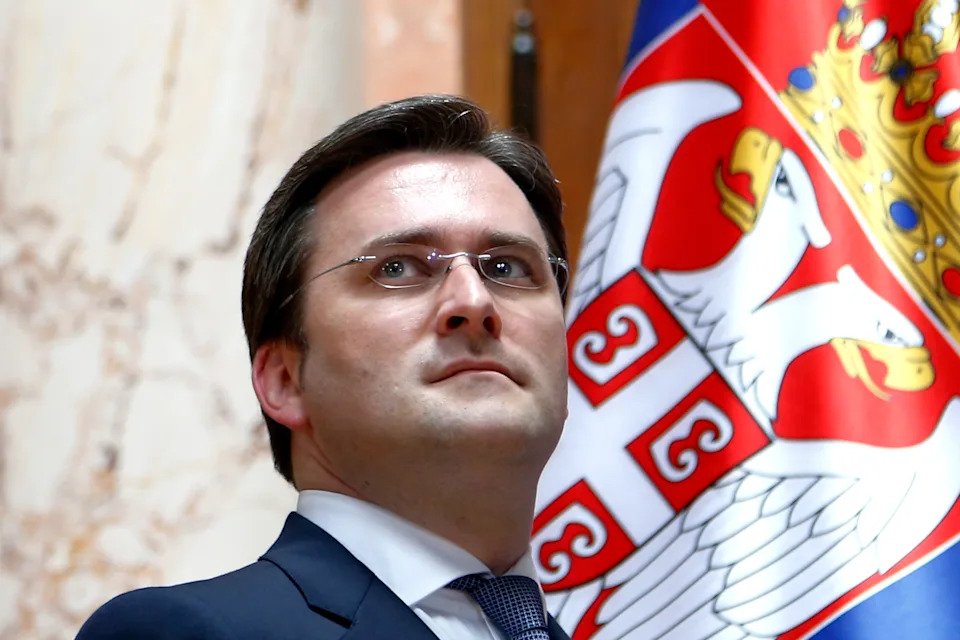
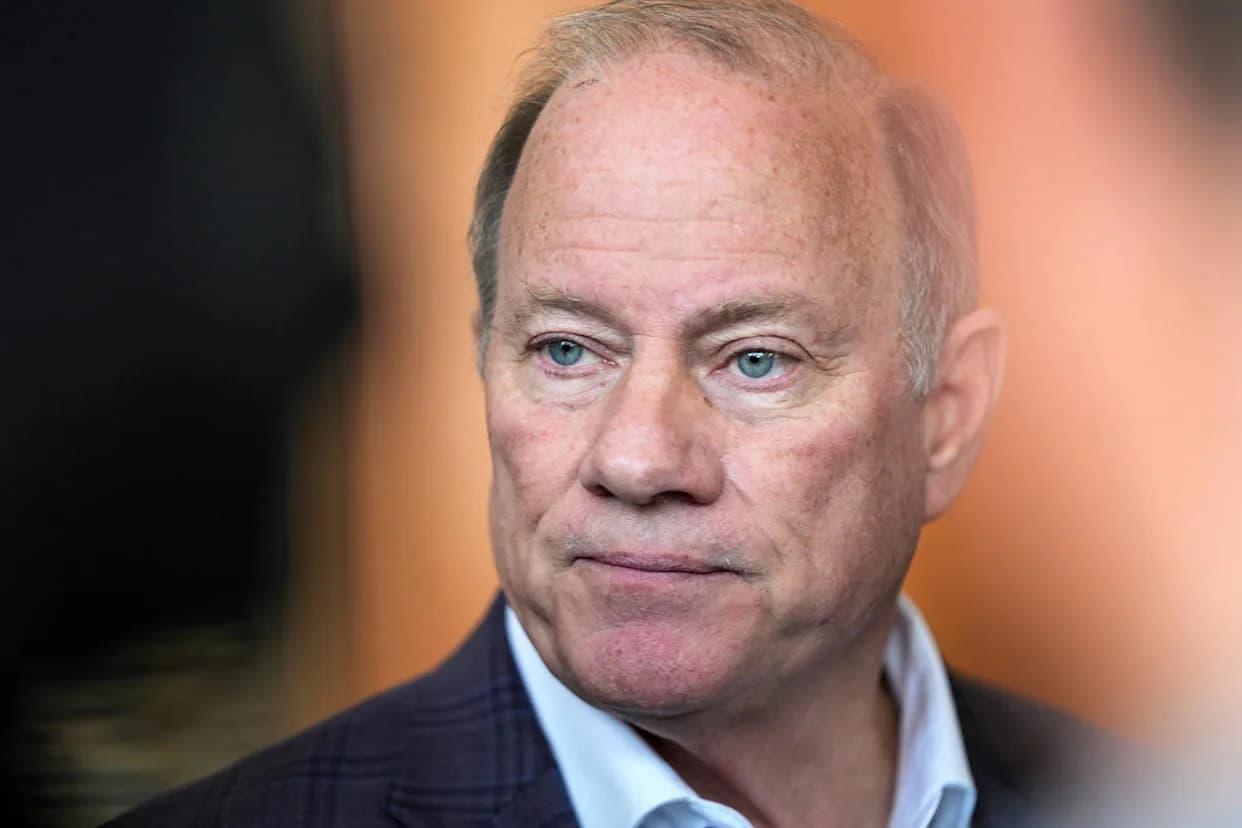
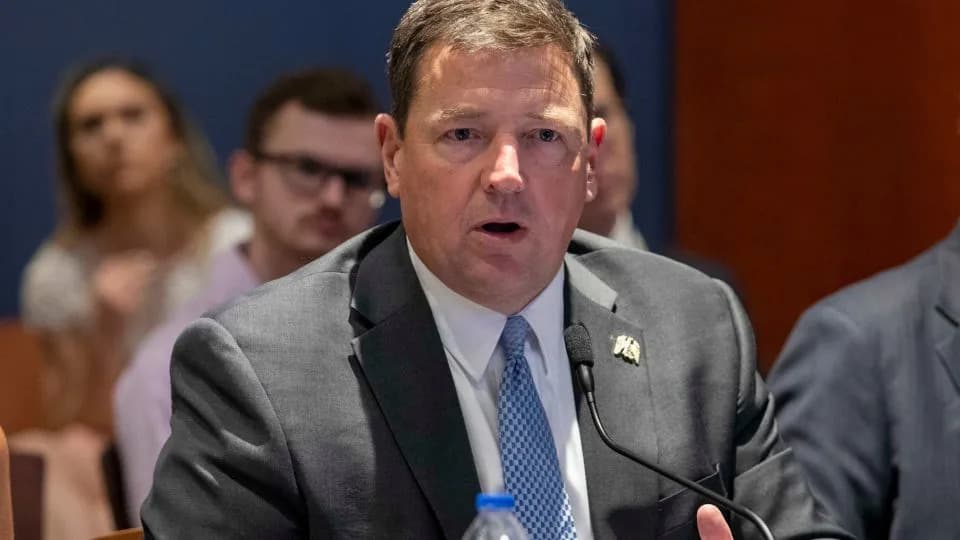
Serbia culture Minister Nikola Selakovic, charged with abuse of office and falsifying of documents to help pave the way for a real estate project that was to be financed by a company of Jared Kushner, U.S. President Donald Trump's son-in-law, looks on during an inauguration ceremony in Belgrade, Serbia, Wednesday, May 31, 2017. (AP Photo/Darko Vojinovic)(ASSOCIATED PRESS)
Broader Context
The trial comes amid heightened public scrutiny of President Vučić's government after a November 2024 train station canopy collapse in Novi Sad killed 16 people and sparked persistent youth-led demonstrations. Critics connect the disaster to alleged corruption and sloppy oversight, and say the case is part of a wider pattern of the executive consolidating control over state institutions.
European Union Enlargement Commissioner Marta Koš (Marta Kos) urged Serbia to roll back recent legal changes, calling them "a serious step back on Serbia's EU path." The amendments are widely viewed as targeting the independence of organized crime prosecutors, who handle high-profile corruption and abuse-of-office cases.
Legal Stakes
The defendants pleaded not guilty. If convicted of abuse of office and falsifying documents, they could face up to three years in prison. The trial is likely to be closely watched at home and abroad for what it signals about rule-of-law standards and Serbia's political trajectory.
Why it matters: The case ties together cultural heritage protection, foreign investment, alleged government corruption and concerns about judicial independence — all central issues for Serbia’s EU ambitions and domestic political stability.
Help us improve.