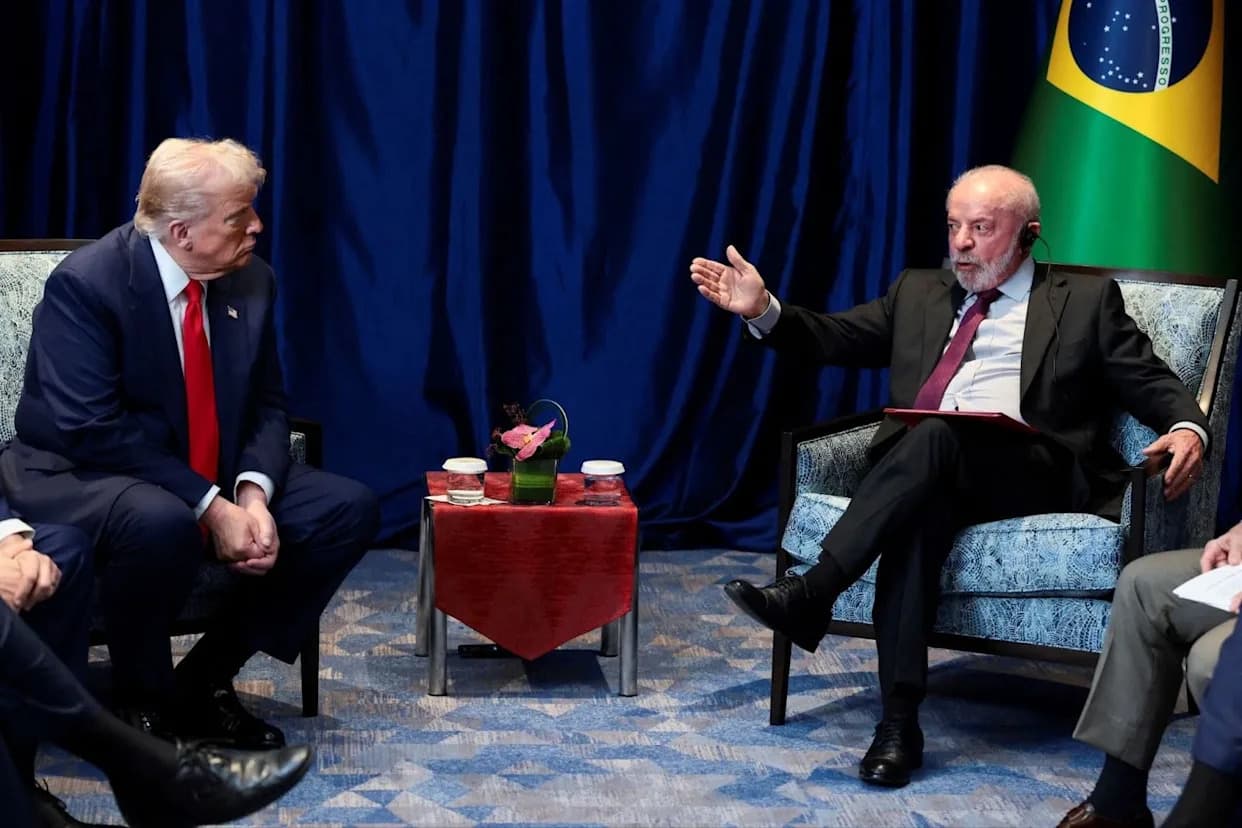
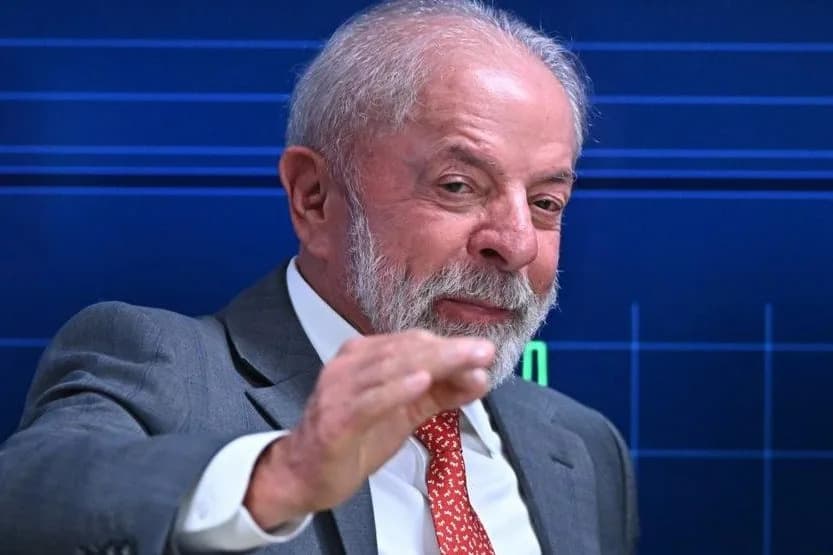
Acadêmicos de Niterói has chosen President Luiz Inácio "Lula" da Silva as the subject of its Rio Carnival parade, provoking controversy eight months before Brazil’s national election. Supporters call it a tribute to Lula’s life and social policies; critics say it amounts to premature campaigning and have filed lawsuits and requests to block public funding. The samba’s lyrics and visuals reference recent political disputes — including sanctions, the phrase “no amnesty” and images mocking Jair Bolsonaro — highlighting how Carnival can intersect with politics.
Carnival Tribute or Campaign? Rio Samba School Puts President Lula at Center of Parade
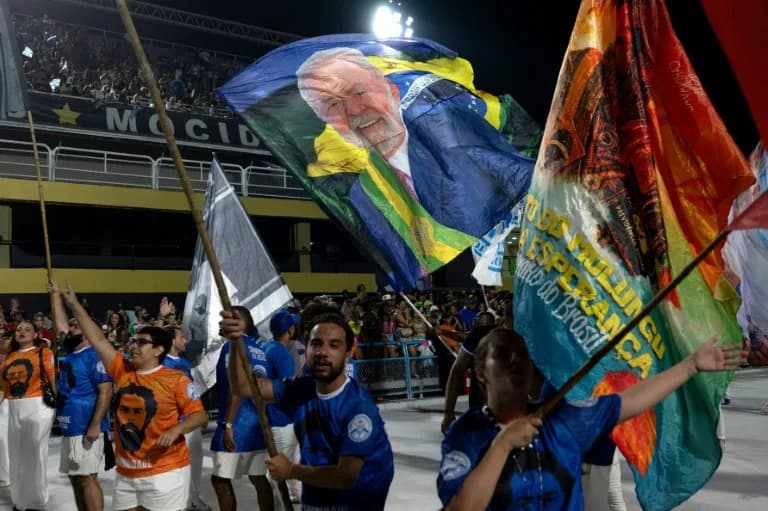
The decision by samba school Academicos de Niteroi to pay homage to veteran leftist President Inacio Lula da Silva at this year's carnival extravaganza has raised eyebrows just eight months before elections (Pablo PORCIUNCULA)(Pablo PORCIUNCULA/AFP/AFP)
The face of President Luiz Inácio "Lula" da Silva is omnipresent as a major samba school prepares a Carnival parade honoring him — a decision that has ignited political debate just eight months before Brazil's national elections.
What Happened
Acadêmicos de Niterói will open Rio de Janeiro's Sambódromo on February 15, kicking off the three-day main competition that is the highlight of the city's Carnival. Twelve samba schools will compete with thousands of performers, colossal animated floats, thunderous percussion sections and dancers in elaborate costumes.
Theme and Performance
Each year, samba schools choose a theme celebrating aspects of Brazilian culture, history or public figures. Acadêmicos de Niterói chose President Lula as its subject, tracing his life from a poor childhood in rural Pernambuco to his move to São Paulo, union activism, and the social programs enacted during his administrations. Rehearsal crowds have seen dancers dressed as steelworkers — a nod to Lula's early work — while a parade song recounts his biography and addresses current political tensions.
“This is not propaganda, it’s a tribute. Many people in our school were able to get an education thanks to the president’s public policies,” said Hamilton Júnior, a director of the samba school.
Political Backlash
Opposition politicians denounce the homage as de facto campaigning ahead of October’s election, when Lula — now 80 — is seeking a fourth term. Center-right deputy Kim Kataguiri said he had filed a lawsuit seeking to prevent public funds being used for what he described as a disguised electoral event. Lawmakers from the right-leaning Partido Novo asked Brazil’s Federal Court of Auditors to block the transfer of 1 million reais (about $180,000) in federal support earmarked for the participating samba schools.
The samba’s lyrics also reference recent political controversies, including mentions of tariffs and sanctions by the United States and the refrain "no amnesty," a likely reference to efforts by Jair Bolsonaro’s supporters to seek leniency for the former leader, who is serving a lengthy prison sentence. A large screen on a float reportedly displayed images mocking Bolsonaro, illustrating how the parade mixes cultural spectacle with pointed political imagery.
Why It Matters
The case raises questions about the boundary between cultural tribute and political campaigning, especially when public funding is involved and an election looms. Samba schools traditionally reflect Brazil’s social and political life; this instance underscores how Carnival — a cultural institution watched around the world — can become a flashpoint in national politics.
Acadêmicos leaders said the turnout for rehearsals and the long waiting list to participate show strong popular interest. Spectators like Adriano Santos, a social worker from the Rocinha favela, described the parade as “brave” and “representative” of Brazil, while critics continue legal and administrative challenges.
Help us improve.