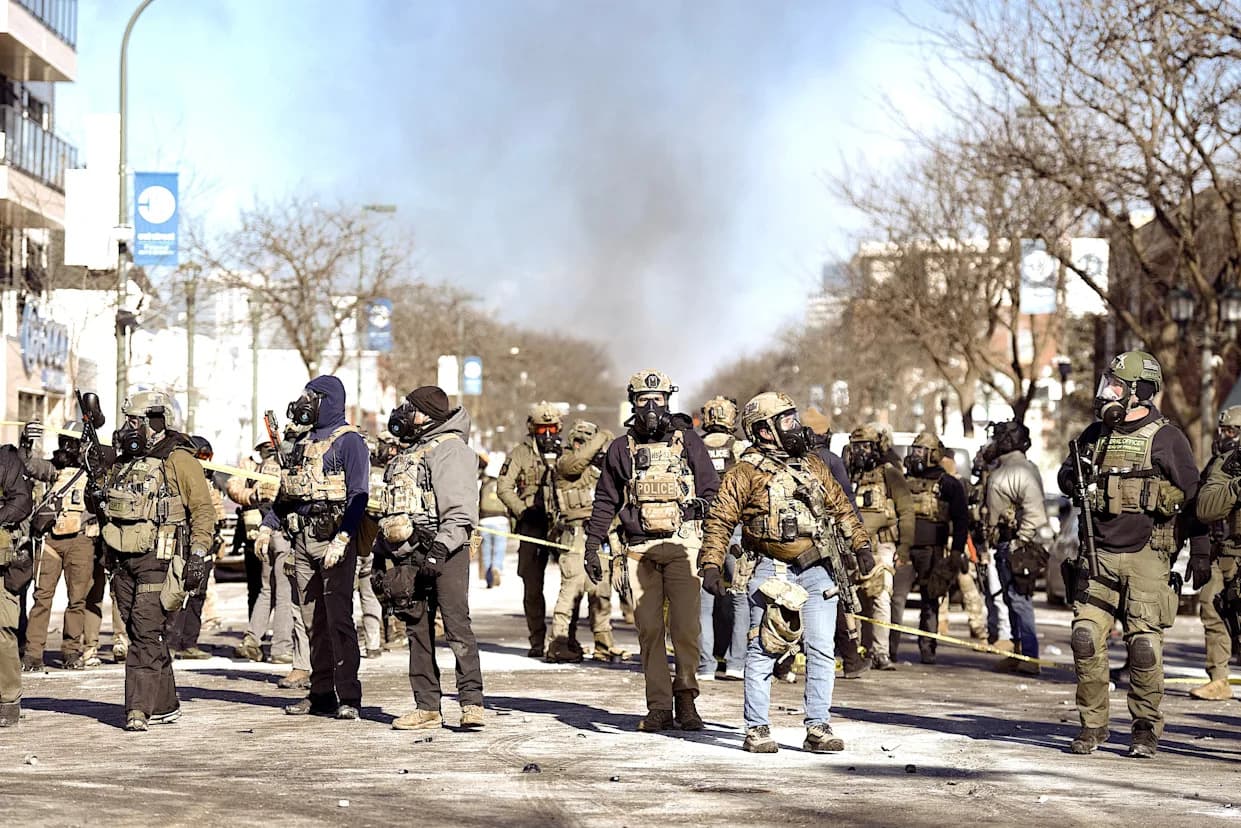
Hennepin County Sheriff Dawanna Witt says she has been "scapegoated" by the federal "Operation Metro Surge," but remains open to limited coordination with ICE in narrowly defined cases. She defends longstanding joint criminal investigations with federal partners while insisting her office will not perform civil immigration enforcement or hold people past court-ordered releases. Witt warned the surge has strained deputies—costing the county more than $500,000 in overtime—eroded community trust after incidents like the fatal shooting of Alex Pretti, and traumatized children, urging clearer legal guidance and practical solutions.
Hennepin County Sheriff Dawanna Witt Says She Was "Scapegoated" by Federal Immigration Sweep — Open To Limited ICE Coordination
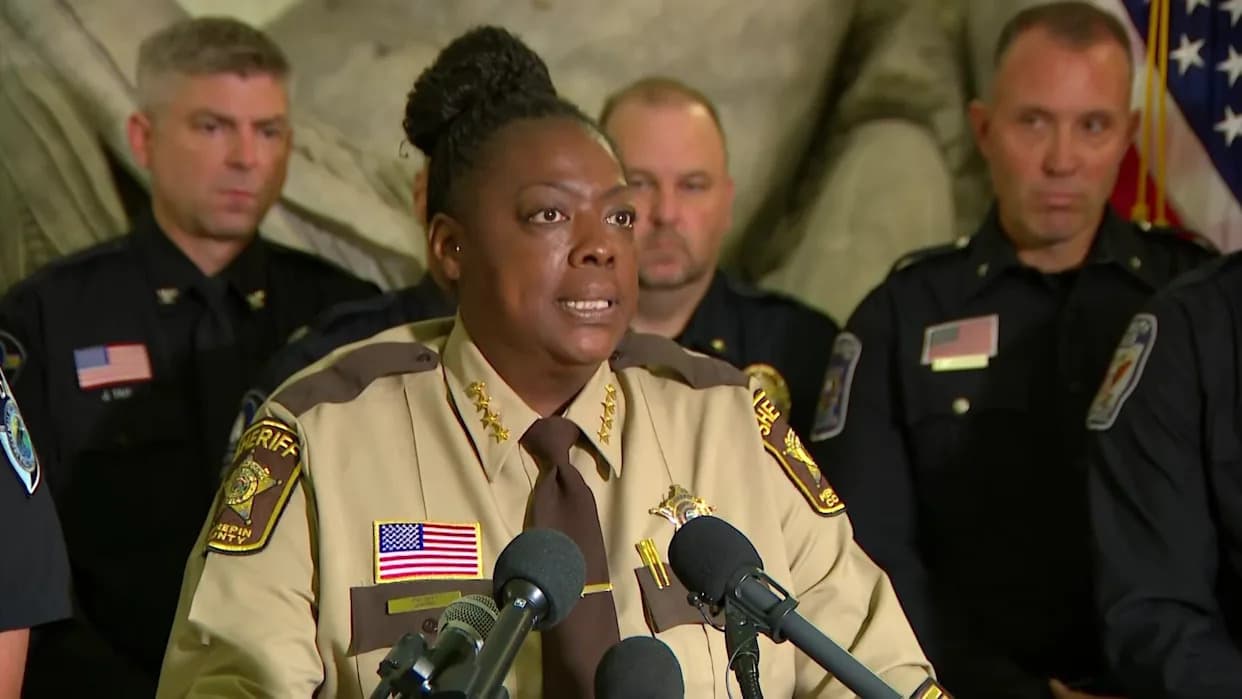
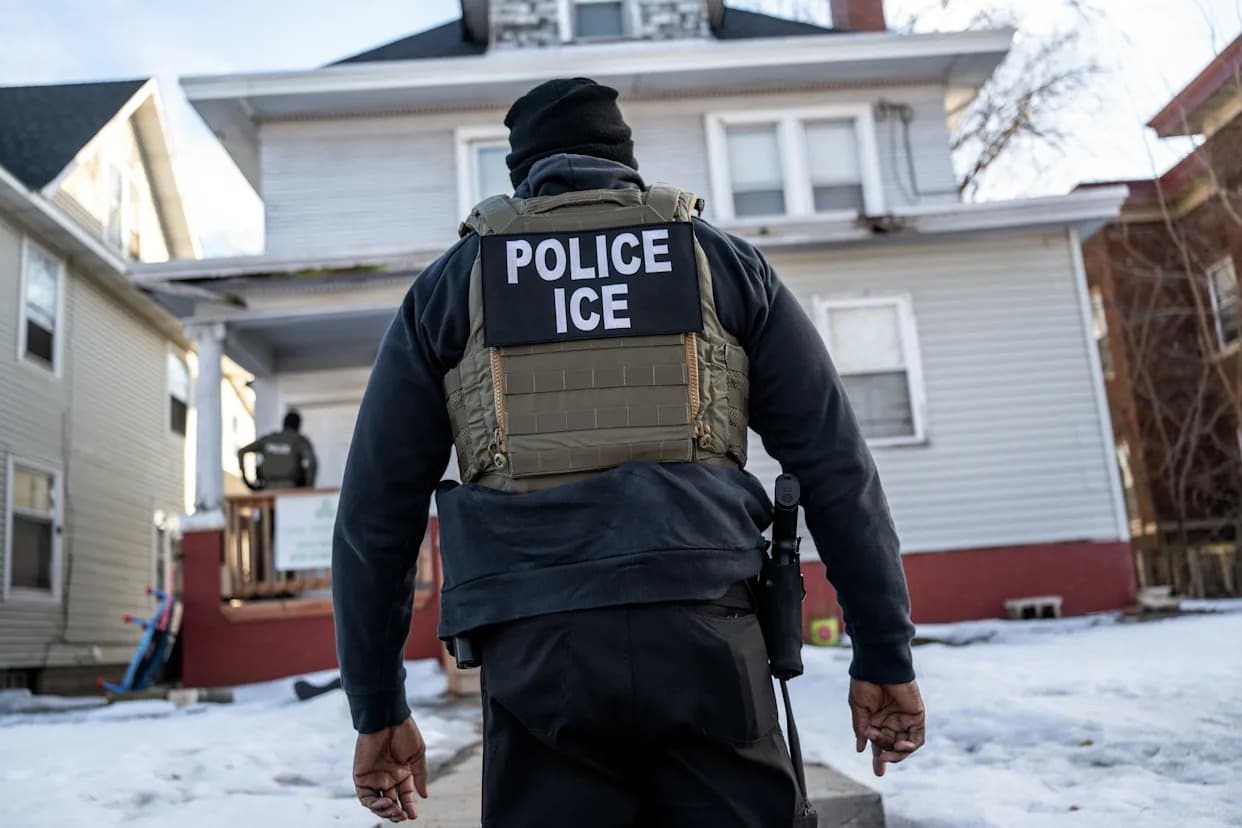
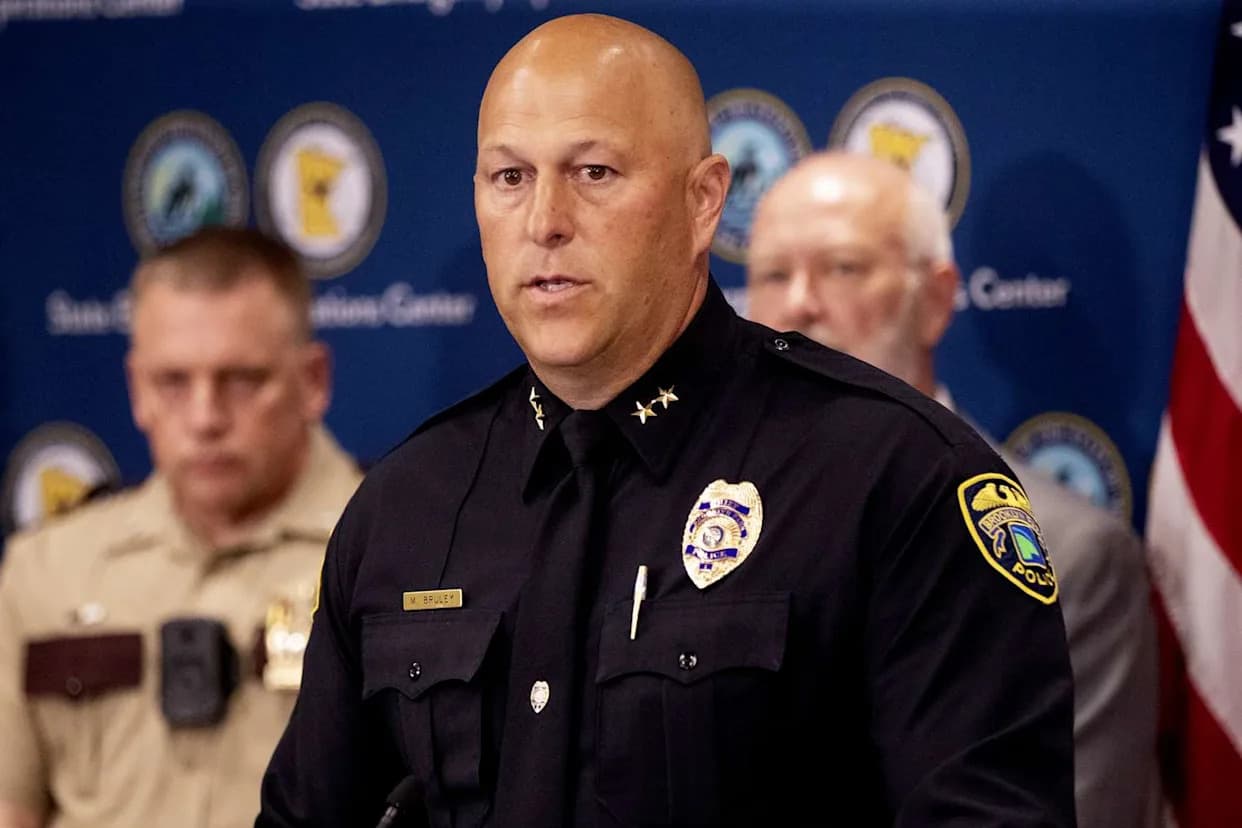
Minneapolis — Hennepin County Sheriff Dawanna Witt says she has felt "scapegoated" amid the federal immigration operation known as "Operation Metro Surge," but she remains open to narrowly tailored cooperation with federal immigration authorities in limited, serious cases.
In her first extended interview since federal agents arrived in Minneapolis and St. Paul, Witt told CBS News the high‑profile enforcement effort has strained deputies, deepened community trauma and eroded trust in law enforcement at every level.
"We've definitely been scapegoated. I'm looking for people who really are looking for solutions, people who really know the meaning of negotiation and understand it's not a one-side-takes-all, and let's do this together."
Federal officials have accused local and state leaders in Minnesota of failing to cooperate with immigration enforcement and of releasing dangerous criminals instead of honoring ICE detainer requests. Paul Schnell, commissioner of the Minnesota Department of Corrections, rejected those accusations as "fundamentally false," saying the state has long cooperated with ICE detainers—requests that ask jails to hold individuals up to 48 hours so federal authorities can take custody.
Witt insists her office does work with federal partners on criminal investigations, noting Hennepin deputies have long served on joint task forces with the ATF, DEA, U.S. Marshals and Homeland Security Investigations on cases such as human trafficking and sexual exploitation. But she drew a firm line on civil immigration enforcement:
"We do not do civil or immigration enforcement. We never have."
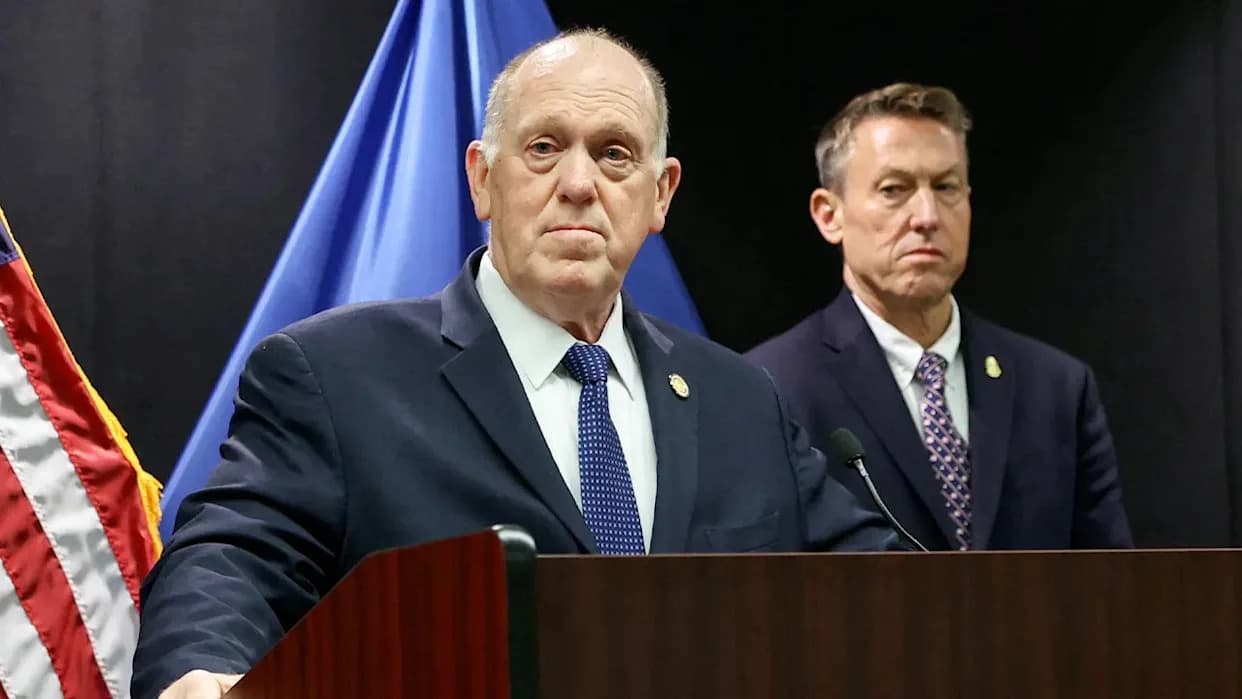
Witt said she already makes the jail roster public and told White House adviser Tom Homan that if federal authorities want people held beyond their release, they need judicial warrants. She disputed Homan's claim that there are "too many" detainers to seek warrants for, noting statewide there are fewer than 100 county detainers.
While she rejects acting as a backstop for federal immigration policy, Witt has left room for limited coordination: she is considering notifying ICE before releasing people accused of the most serious offenses—murder, rape and violent felonies—but stressed Hennepin will not hold anyone beyond their court-ordered release because of legal liability. "If we slow-walk releases, we get sued," she said.
Operational Strain and Community Impact
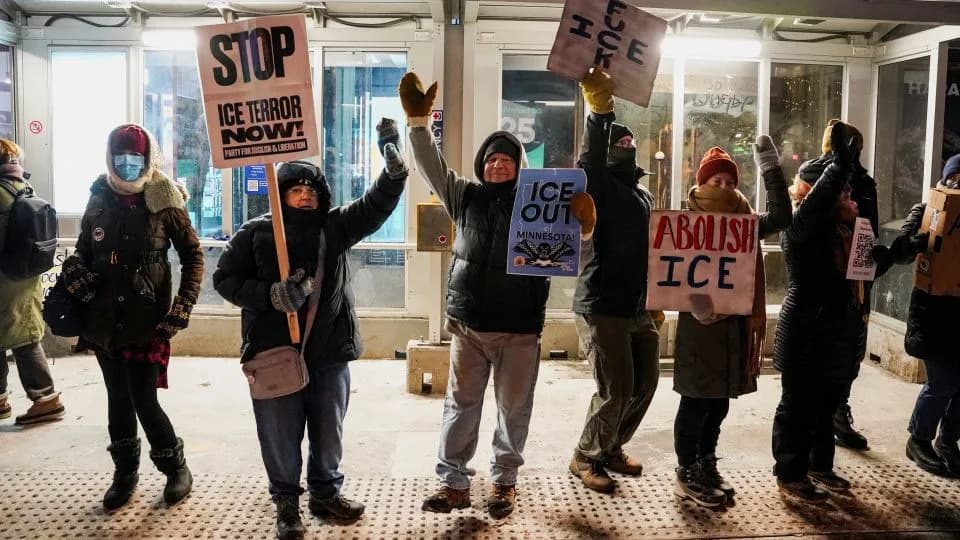
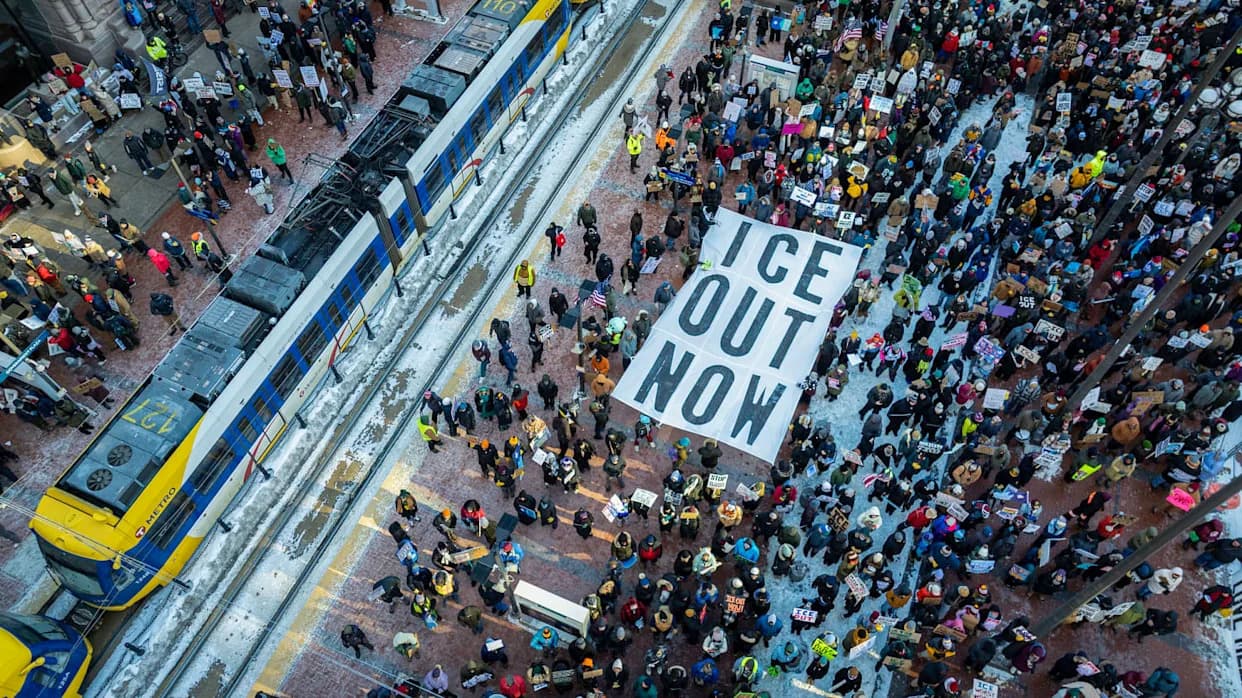
Witt described the past two weeks as "exhausting" for deputies assigned around the Whipple Federal Building amid ongoing protests tied to the surge. She said the county has spent more than $500,000 on overtime related to the response, diverting funds from an already understaffed department undergoing a formal staffing study.
Hennepin County runs the state's largest jail, typically at about 85% capacity; Witt said more than 90% of those detained are held on violent felony charges. "We don't have room in our jails for someone whose only offense is a civil immigration violation," she said.
Trust, Trauma and High‑Profile Incidents
Witt pointed to the fatal shooting of Alex Pretti as a moment that underscored the breakdown of trust. The Hennepin County Medical Examiner later ruled Pretti's death a homicide. Responding to video footage, Witt said: "People film us all the time. Mr. Pretti should not be dead. Filming is not justification to shoot someone. That is absolutely absurd." She urged more law enforcement professionals to speak out when misconduct occurs.
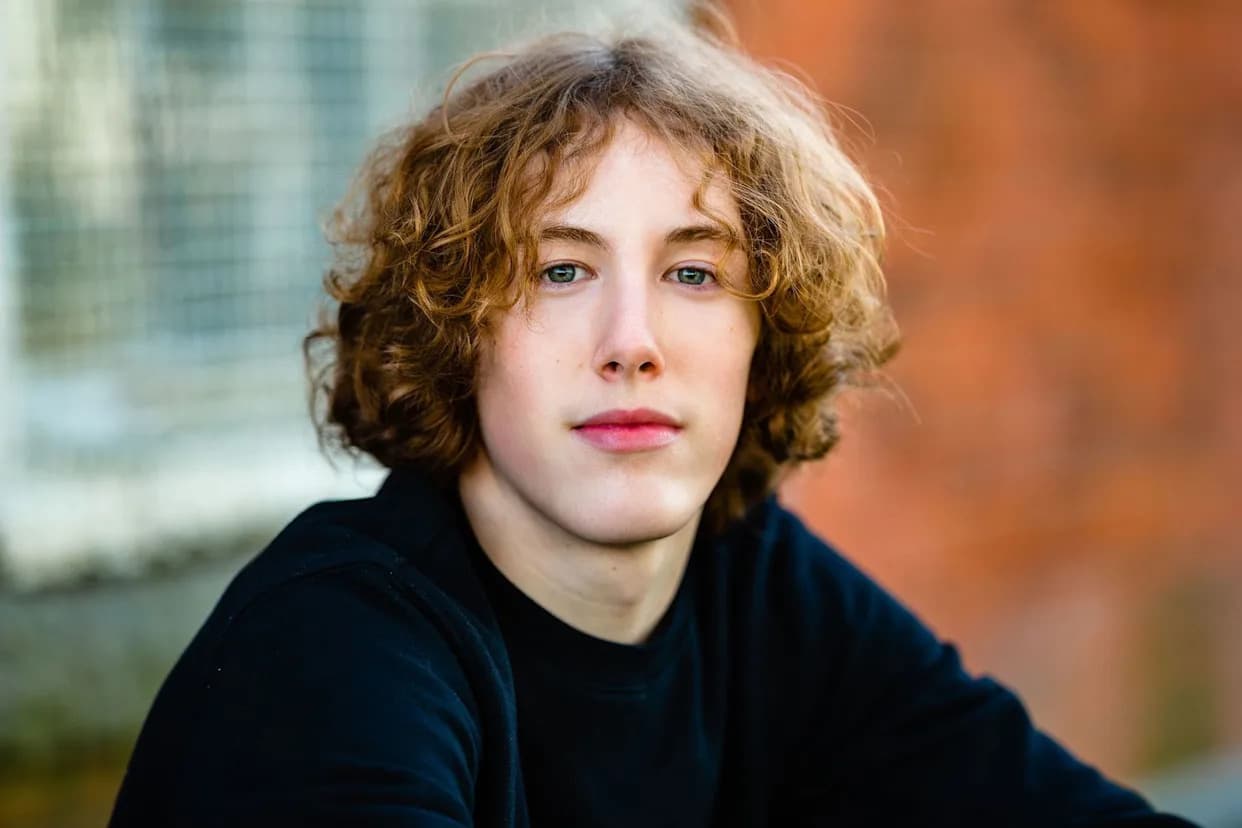
Witt also highlighted concerns about children and families affected by the surge. After the Columbia Heights School District closed for a day following a credible threat, she spoke emotionally about her daughter, a special education assistant, and cited reports that at least six students have been detained by federal immigration authorities since December. One case involved five‑year‑old Liam Ramos, who was held more than a week with his father at an immigration facility in Texas before a federal judge ordered his return.
"We are traumatizing these kids. We are robbing them of their futures," Witt said. "Our kids should go to school and feel safe. They should not be having the worries of adults at their young age."
Witt acknowledged the lingering impact of George Floyd's killing in 2020 and warned that a prolonged, aggressive federal presence could normalize fear of law enforcement among children. She said she is engaging sheriffs across the country, former federal prosecutors and the U.S. Attorney's office in Minneapolis to clarify legal boundaries and pursue practical solutions that protect public safety while addressing community concerns.
"My top priority is to keep my community safe — period," Witt said. "We just don't agree on how to fix it."
Help us improve.