Geoff Duncan, the former Republican lieutenant governor who publicly broke with Donald Trump after 2020, is running for Georgia governor as a Democrat and has apologized for prior stances on guns, Medicaid and abortion. He says he can build a cross-party coalition of Democrats, independents and disaffected Republicans to end a 24-year GOP hold on the governor’s office. Duncan faces a crowded Democratic primary that includes high-profile Black candidates who typically shape turnout, and his candidacy raises a broader debate over electability versus ideological purity.
Geoff Duncan, Ex-Republican Lt. Gov., Runs as a Democrat in Bid to Flip Georgia
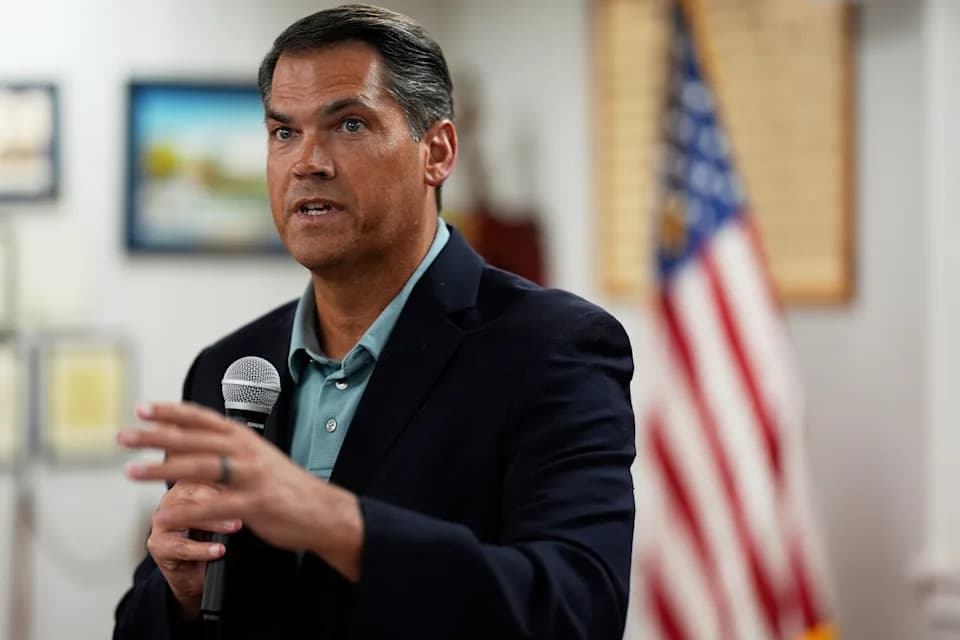
Democratic gubernatorial candidate Geoff Duncan speaks to a group, Jan. 21, 2026, in Marietta, Ga. (AP Photo/Mike Stewart)(ASSOCIATED PRESS)
MARIETTA, Ga. — Under the fluorescent lights of an American Legion hall outside Atlanta, former Georgia lieutenant governor Geoff Duncan apologized repeatedly for policy positions he once championed as a Republican. Speaking to a small group of Democratic activists, he expressed regret for opposing gun-control measures, fighting Medicaid expansion and supporting some of the nation's strictest abortion restrictions.
A Public Break With Trump
Duncan — a suburban Republican who served as lieutenant governor — broke with former President Donald Trump after the 2020 election by rejecting false claims of fraud. That stance earned him respect among many Democrats and led him to campaign for Vice President Kamala Harris in 2024. This year he formally changed parties and is running for governor as a Democrat in a crowded primary for a pivotal battleground state.
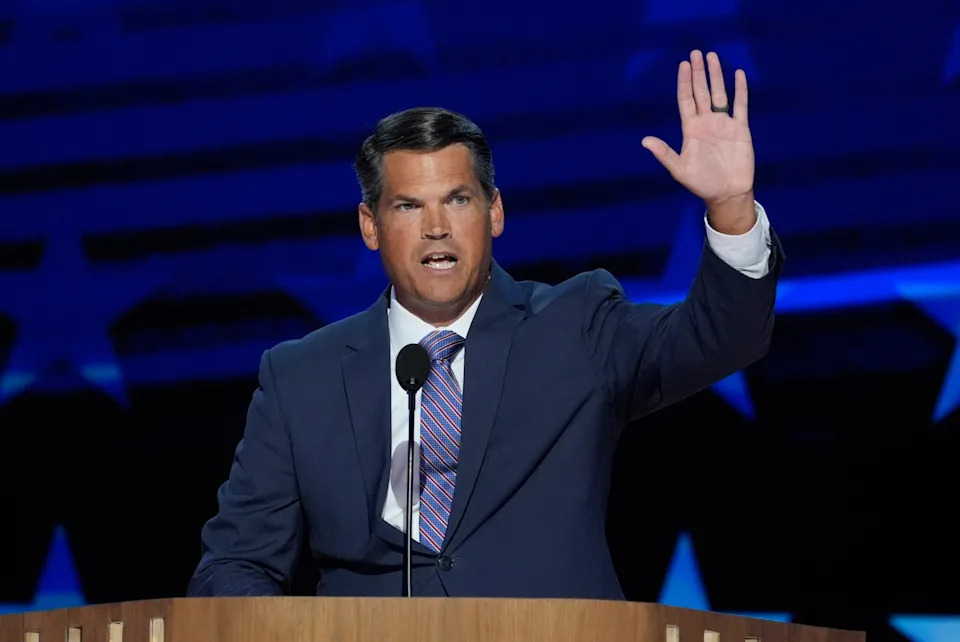
FILE - Former Georgia Lt. Gov. Geoff Duncan speaks during the Democratic National Convention, Aug. 21, 2024, in Chicago. (AP Photo/J. Scott Applewhite, File)(ASSOCIATED PRESS)
Apologies, Electability And The Pitch
Duncan has made contrition a central theme of his campaign. "Unlike most folks in politics, I'm willing to say I'm sorry for that," he told the Marietta crowd, acknowledging his past record on guns, Medicaid and abortion. He argues his appeal extends beyond the Democratic base: "You’ve got to win more than your base," he said, adding that he can build a coalition of Democrats, independents and "disgusted Republicans." He also told supporters he had received 8,900 contributions from all 50 states, though he did not disclose total fundraising.
“You’ve got to win more than your base.” — Geoff Duncan
The Primary Field And Voter Concerns
Georgia’s Democratic primary includes six other notable candidates vying to succeed two-term Republican Gov. Brian Kemp, who is term-limited. The field features former Atlanta Mayor Keisha Lance Bottoms, former state Sen. Jason Esteves, former Labor Commissioner Michael Thurmond, and state Reps. Ruwa Romman and Derrick Jackson.
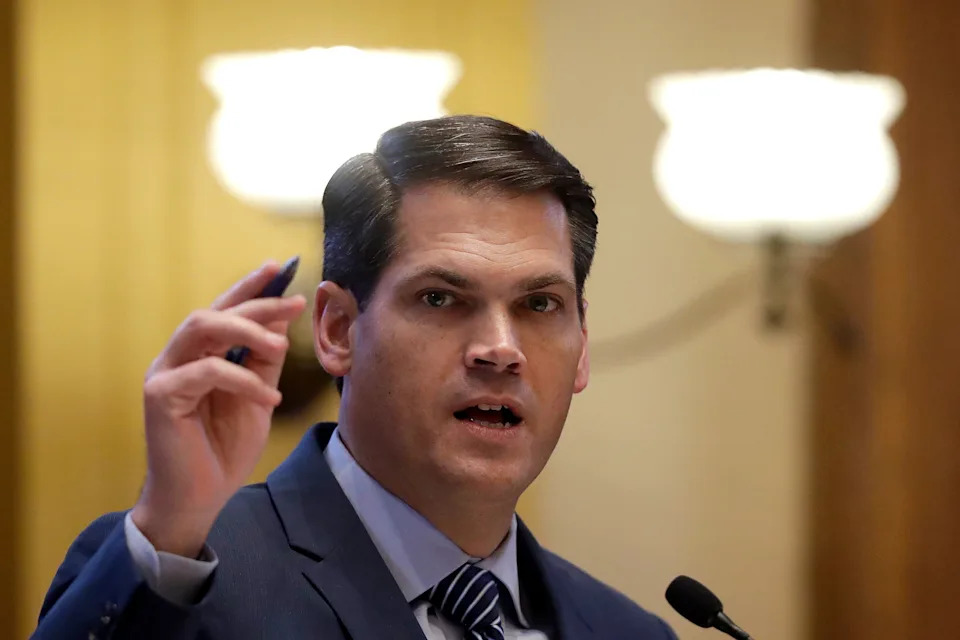
FILE - Lt. Gov. Geoff Duncan speaks from his desk on the floor of the Georgia State Senate, Feb. 4, 2020, in Atlanta. (AP Photo/John Bazemore)(ASSOCIATED PRESS)
Black voters — and Black women in particular — typically make up a large share of Democratic primary turnout in Georgia. Some Democrats say Duncan will struggle to win their trust against longtime party figures who share their community ties. "I think people have trust issues," said attendee Mindy Seger. Democratic strategist Fred Hicks warned some view Duncan as a potential "Trojan horse" who sought power after leaving the GOP.
Strategic Considerations: Open Primary And Cross-Over Voters
Georgia does not register voters by party, which allows independents and Republicans to cross over into the Democratic primary on May 19. Duncan hopes to capitalize on that system, courting anti-Trump Republicans and independents to help him both win the primary and be competitive in a general election. Two years ago, more than 37,000 voters who typically vote Democratic cast ballots in the Republican primary to help Secretary of State Brad Raffensperger defeat Trump’s preferred candidate.
Broader National Debate
Duncan’s party switch is part of a wider phenomenon: other former Republicans — including David Jolly in Florida and lawyer George Conway in New York — have run as Democrats. Their trajectories feed a national Democratic debate about strategy: should the party prioritize ideological purity or expand by courting moderate converts? Political commentator Paul Begala framed the choice as whether the party wants to "hunt down heretics" or "seek out converts."
“Electability is a more potent message in a primary this year than I have ever seen.” — Paul Begala
Outlook
Some analysts are skeptical. Republican pollster Whit Ayres estimates roughly 10% of Republicans remain firmly opposed to Trump, but many of those voters may already participate in the GOP primary. Ayres said Democratic primary voters may prioritize ideological alignment over strategic electability. Duncan’s campaign will test whether his break with Trump and his appeals to cross-party voters are enough to overcome concerns about authenticity and trust within the Democratic base.
Help us improve.