The Harvard Crimson reports that the proportion of straight A grades dropped from 60.2% in the 2024–2025 academic year to 53.4% in the following fall semester after administrators and faculty acted to combat grade inflation. Dean Amanda Claybaugh’s 25‑page review found that As now make up more than 60% of undergraduate grades—up from about 25% two decades ago—with inflation accelerating since the late 2010s and spiking during the COVID‑19 pandemic. Claybaugh warned that grading has become "too compressed and too inflated" and inconsistent across courses. Harvard officials say the effort is faculty‑led; a committee will draft recommendations that the Faculty of Arts and Sciences will vote on.
Harvard Sees Nearly 7‑Point Drop in A Grades After Faculty Push to Curb Grade Inflation
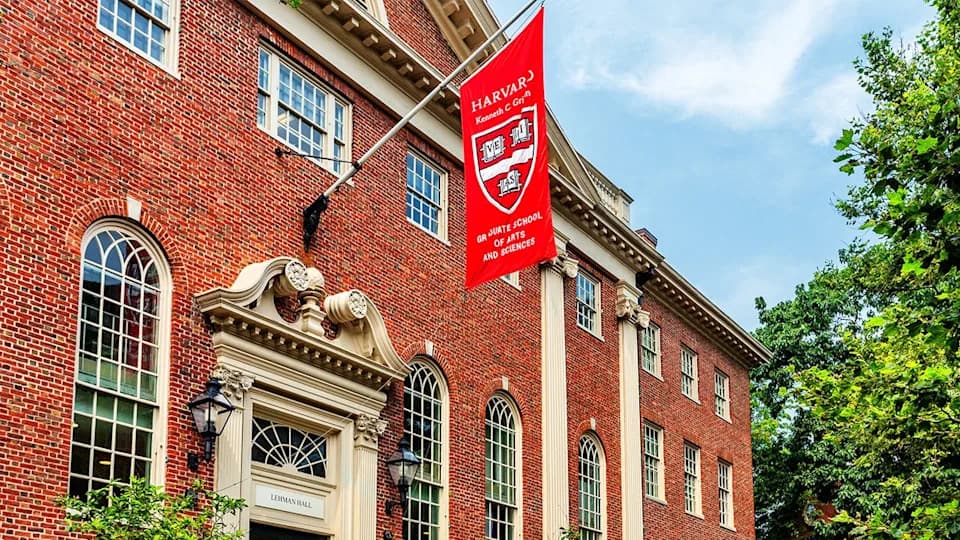
Professors at Harvard University gave out significantly fewer A grades last semester, according to a report in the student newspaper.(iStock)
Professors at Harvard University issued noticeably fewer A grades last semester after college leaders and faculty moved to address long‑running concerns about grade inflation, according to a report in the student newspaper.
The Harvard Crimson obtained an email to Faculty of Arts and Sciences instructors stating that the share of flat A grades fell from 60.2% in the 2024–2025 academic year to 53.4% in the following fall semester—a decline of nearly seven percentage points after administrators urged faculty to restore rigor and clarity to grading.
The Crimson reported that an email was directed to Faculty of Arts and Sciences professors from Amanda Claybaugh, dean of Undergraduate Education, and "reported that the share of flat As fell from 60.2 percent in the 2024-2025 academic year to 53.4 percent in the fall."
That change followed a 25‑page report on grading practices prepared by Amanda Claybaugh, Harvard’s Dean of Undergraduate Education, which the Crimson cited. The report warned that grade inflation had become widespread, limiting grading's ability to serve its core evaluative and educational purposes.
According to the report, more than 60% of undergraduate grades in the recent review were As, compared with roughly a quarter of grades two decades earlier. The analysis found that inflation began accelerating in the late 2010s, surged during the COVID‑19 pandemic, and has recently begun to level off.
In the email obtained Monday by the Crimson, Claybaugh told instructors they should not be worried that fewer A grades would negatively affect their teaching evaluations, known as "Q reports."
"Our grading is too compressed and too inflated, as nearly all faculty recognize; it is also too inconsistent, as students have observed,"
Claybaugh wrote, adding that current grading patterns "no longer perform their primary functions and [are] undermining our academic mission."
Claybaugh also addressed concerns from instructors about potential drops in teaching evaluation scores (known as Q reports). In the email, she reassured faculty that evaluation metrics are considered contextually—alongside course difficulty scores and median grades—and that efforts to restore rigor are recognized.
James Chisholm, director of media relations for Harvard’s Faculty of Arts and Sciences (FAS), told Fox News Digital that the effort is faculty‑driven and taking place within the FAS, which houses Harvard College. He said a faculty committee is working on recommendations and that any proposals for grading policy changes will be presented to and voted on by the FAS faculty.
As Harvard moves forward, the combination of data, faculty discussion, and formal recommendations aims to make grading more consistent, meaningful, and aligned with the university’s academic mission.
Help us improve.