Gridworks, a UK government-owned investor, agreed to develop and finance roughly $400 million in two transmission projects in Ethiopia during Foreign Minister Yvette Cooper's visit. These agreements are Ethiopia's first transmission public-private partnerships and will connect the Somali region to national grids, support wind and solar development in the northeast, and strengthen ties with Djibouti. The UK also pledged up to £17.5 million in technical assistance as part of wider efforts to boost jobs and address migration pressures from the Horn of Africa.
UK-Owned Gridworks Signs About $400M In Ethiopian Power Transmission Deals During Foreign Minister Visit
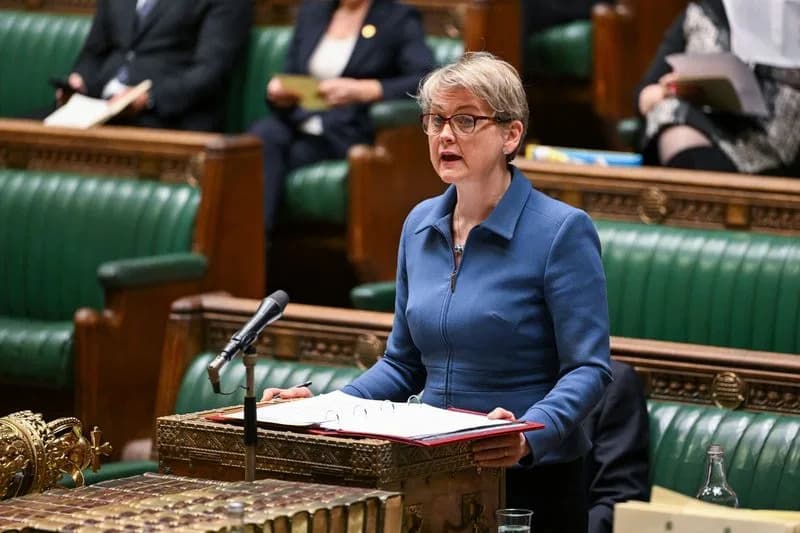
British Foreign Secretary Yvette Cooper delivers a statement on Arctic Security, at the House of Commons in London, Britain, January 19, 2026. © House of Commons/Handout via REUTERS
Gridworks, a UK government-owned investor in African electricity networks, on Monday signed agreements to develop and finance transmission projects in Ethiopia valued at roughly $400 million during a visit by Britain's foreign minister, Yvette Cooper.
Details Of The Projects
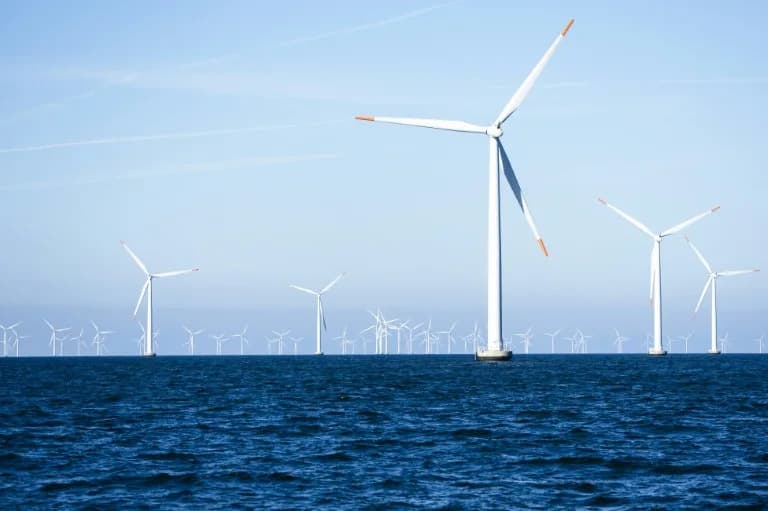
The two projects are the first public-private partnerships (PPPs) in Ethiopia's transmission network and mark a notable shift as Prime Minister Abiy Ahmed's government gradually opens the state-dominated power sector to private investment. One project will link Ethiopia's Somali region into the central and northeast grids. The other will enable development of wind and solar farms in the northeast and strengthen the power interconnection with neighbouring Djibouti.
"Transmission infrastructure is fundamental to growth, jobs and improving lives, and these projects will help unlock Ethiopia's vast renewable energy potential," British Ambassador to Ethiopia Darren Welch said in a joint statement issued by the Ethiopian and British governments.
Ethiopia's Finance Minister Ahmed Shide said the investments will bolster industrial growth by making power supply more reliable and will accelerate electrification for nearly half of Ethiopian households that are still awaiting their first grid connection.
UK Support And Strategic Context
The UK also committed up to £17.5 million (about $23.9 million) in technical assistance under a programme to strengthen Ethiopia's public investment and asset management systems. British officials framed the deals as part of a broader effort to spur job creation and economic opportunity in the Horn of Africa — initiatives aimed in part at reducing irregular migration to the United Kingdom. The British foreign ministry says around 30% of people who crossed the English Channel in small boats over the past two years were nationals of Ethiopia, Eritrea, Somalia and Sudan.
Reporting by Dawit Endeshaw; writing by Vincent Mumo Nzilani and William Schomberg; editing by Hugh Lawson, Alexander Winning and Sharon Singleton. ($1 = 0.7320 pounds)
Help us improve.