As Israel’s offensive in Gaza intensified from October 2023, parts of Ukrainian society reassessed the country’s initial public alignment with Israel. Activists, scholars and some officials have voiced growing solidarity with Palestinians, drawing parallels with historical traumas such as the Holodomor. Kyiv has shifted diplomatically — recognising both Israel and Palestine, sending humanitarian aid and publicly condemning violations of international law — even as Russian strikes at home have complicated domestic protest movements. Voices of people with dual ties illustrate how overlapping experiences of displacement and war are reshaping public opinion.
Ukraine’s Shift: Growing Sympathy for Palestinians and a Debate Over Double Standards
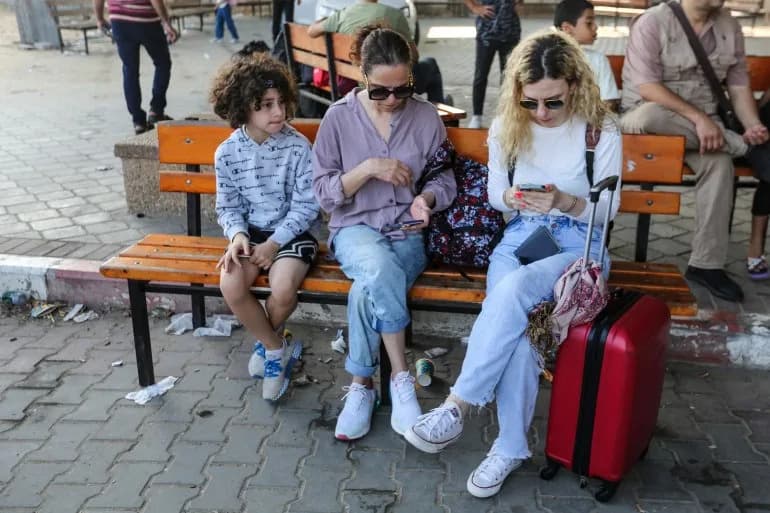
Citizens with foreign passports wait to travel through the Rafah crossing in November 2023, when a small number of foreign passport holders and seriously wounded were allowed to enter Egypt from Gaza [File: Ahmad Hasaballah/Getty Images]
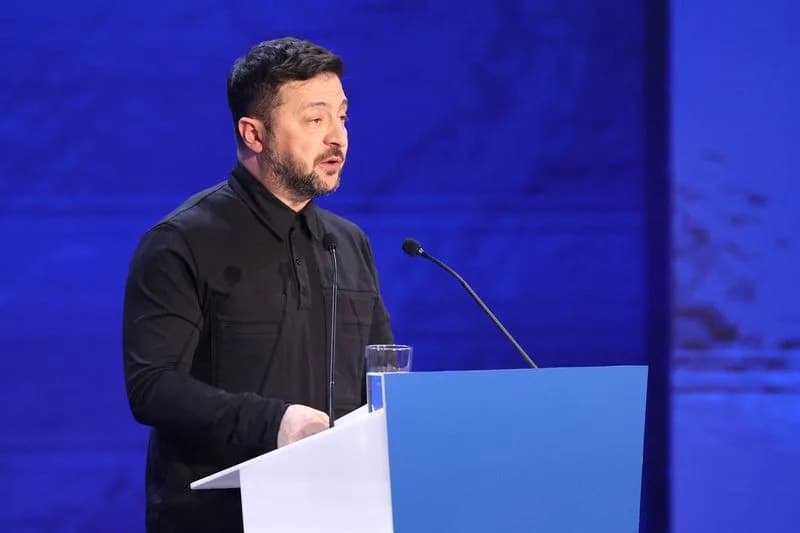
Kyiv, Ukraine — When Israel’s campaign in Gaza intensified in October 2023, Ukrainian President Volodymyr Zelenskyy publicly voiced support for Israel and First Lady Olena Zelenska said Ukrainians "share the pain" of Israelis. Billboards bearing Israeli flags appeared across Kyiv, reflecting a stance held by many in Ukrainian society and among several Western leaders at the time.
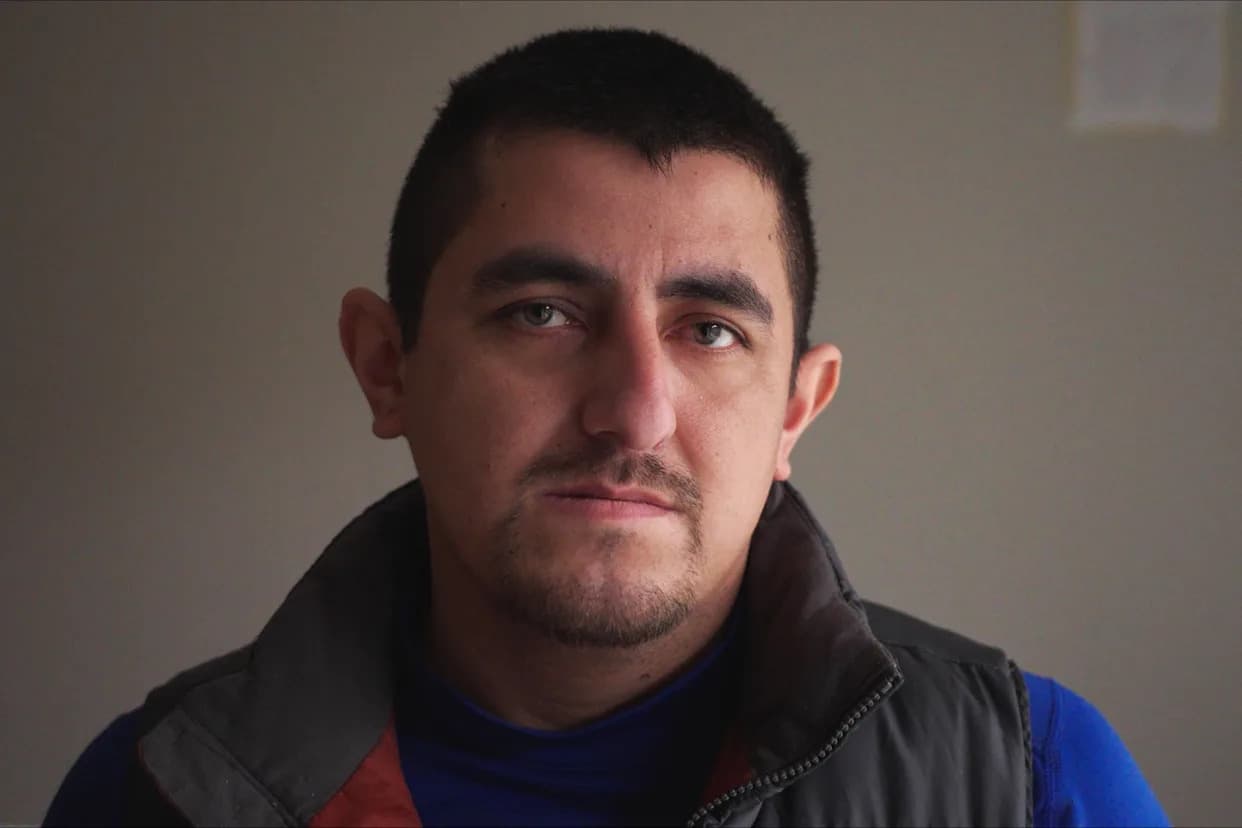
For people who identify with both Ukraine and Palestine, those early displays were difficult to watch. Hashem, a Gaza-born medical professional who gained Ukrainian citizenship after nearly a decade in the country, described the stark contrast in how those identities are treated internationally.
“Travelling as a Ukrainian opens doors; travelling as a Palestinian closes them,”
He said the difference showed up in freedom of movement, visa access and public sympathy. “This is not a competition of suffering, but a question of principle. If human rights are truly universal, they cannot depend on nationality or passport,” he added.
Public Opinion Shifts
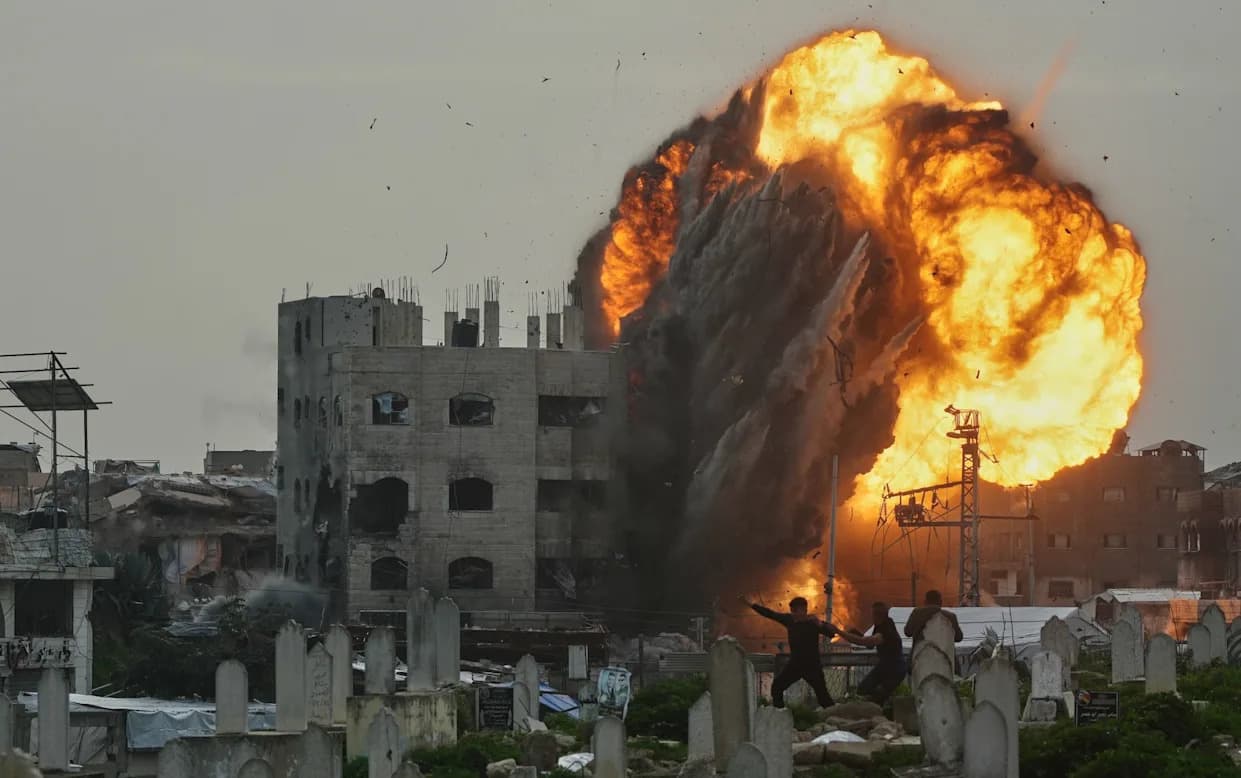
As Israel’s bombardment of Gaza continued — described by many critics and some human rights groups as escalating into a genocidal campaign — parts of Ukrainian public opinion began to shift. Yuliia Kishchuk, a researcher who joined some 300 Ukrainian scholars, activists and artists in signing an open letter of solidarity with Palestinians, said the engineered starvation in Gaza prompted many to reassess their views.
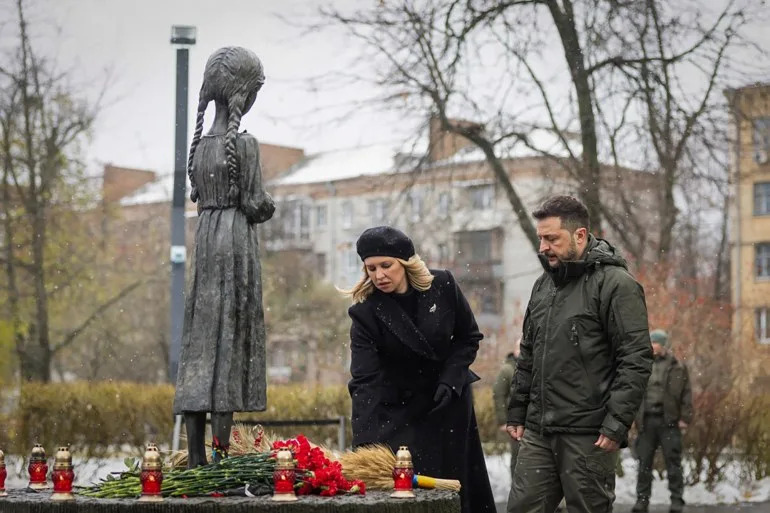
Zelenskyy and his wife Olena pay their tributes at a monument to victims of the Holodomor that killed millions in the 1930s, in Kyiv, Ukraine [File: Ukrainian Presidential Press Office via AP]
Several Ukrainians drew moral parallels with the Soviet-era Holodomor, which Kyiv regards as a deliberate act of genocide under Stalin. Kishchuk also said broader patterns of violence in other conflicts, such as in Syria, made it harder for some to accept Israel’s framing of its actions as solely self-defence against Hamas.
Protests, Media Coverage and Constraints
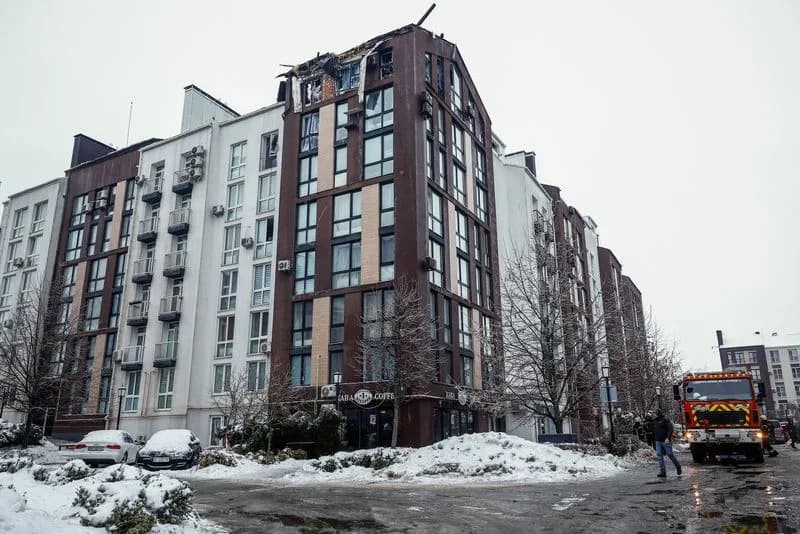
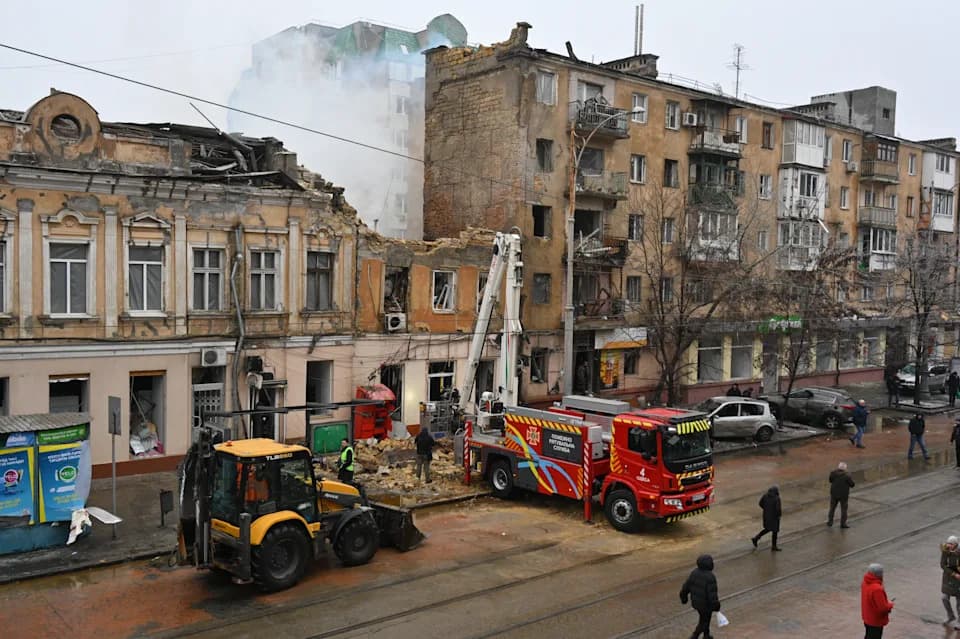
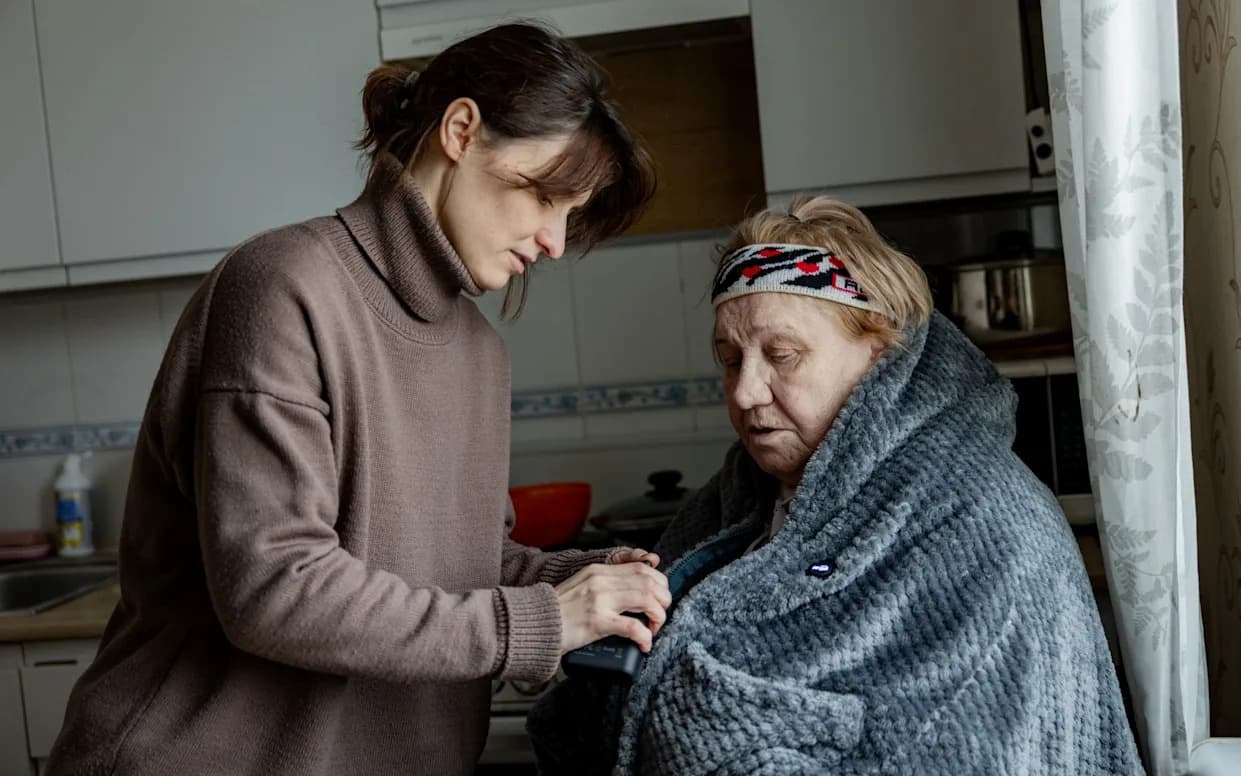
Pro-Palestinian demonstrations have taken place in Kyiv, and mainstream journalists and podcasters have increasingly covered Palestinian perspectives. However, Kishchuk warned that renewed Russian strikes on Ukraine’s energy and water infrastructure — leaving millions without heating, electricity or water during a harsh winter — have temporarily slowed protest momentum.
Public sentiment has also been affected by geopolitical developments. Some Ukrainians say US policy under President Donald Trump has appeared less steady, with a tone they view as conciliatory toward Moscow and a perception that Washington treats Ukraine as a resource base. A recently signed mineral deal granting US access to Ukrainian reserves prompted debate about how Kyiv is perceived by great powers and prompted comparisons with how countries in the Global South are treated.
Official Shifts And Humanitarian Aid
Kiev’s official posture has evolved. At the 2024 Shangri-La Dialogue in Singapore, Zelenskyy said: “Ukraine recognises two states, both Israel and Palestine, and will do everything it can to convince Israel to stop, to end this conflict and prevent the suffering of civilians.” In July 2024, Kyiv sent 1,000 tonnes of wheat flour to the Palestinian territories as part of a humanitarian initiative. Ukraine’s Ministry of Foreign Affairs also publicly criticised Israel’s September 2025 attack on Qatar, calling it a gross violation of international law.
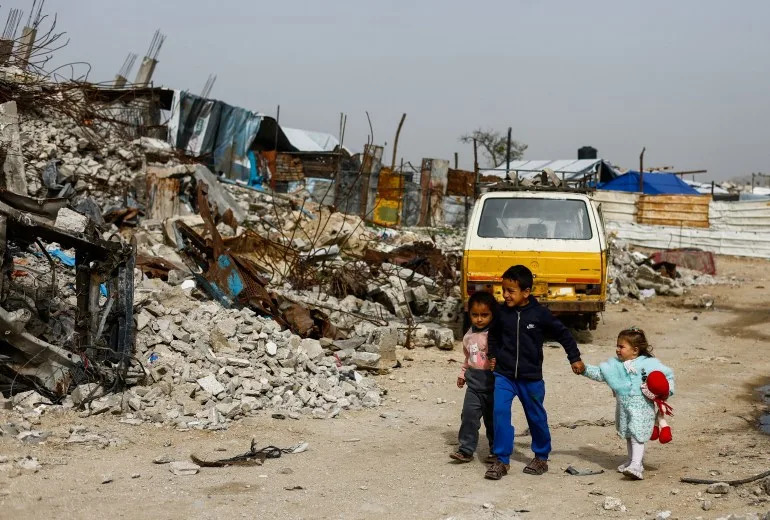
Palestinian children walk past the rubble of residential buildings in Gaza City, January 28, 2026 [Mahmoud Issa/Reuters]
Voices Between Two Worlds
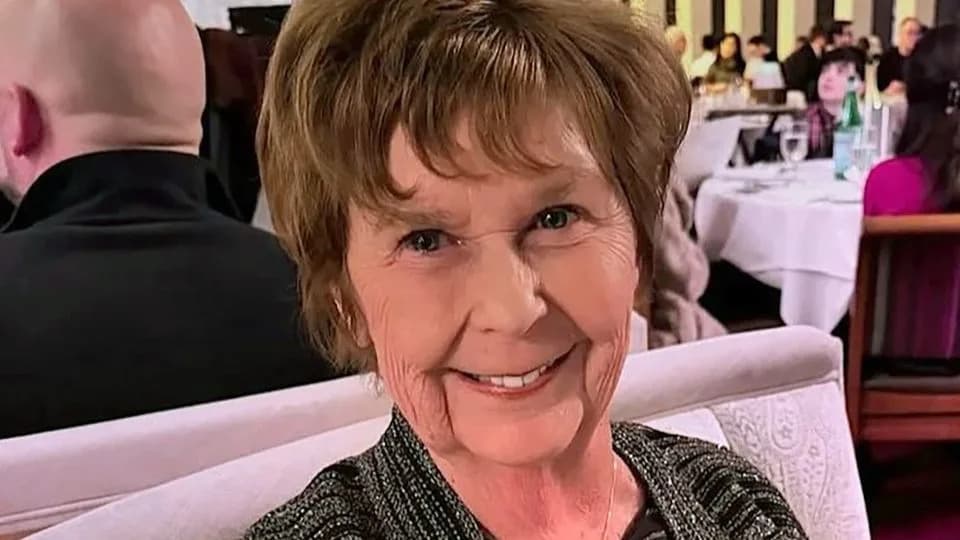
Aaisha Aroggi, a 25-year-old student from Gaza City, was displaced multiple times in the early months of the assault and eventually reached Ukraine via Egypt. Compared with the brutal conditions she fled, Kyiv initially felt like a refuge. But continued Russian attacks on civilian infrastructure have made her feel she has moved from one place of destruction to another. “War has the same face everywhere,” she said.
Aroggi and Hashem report that awareness of the Palestinian experience has grown among Ukrainian students and some segments of society: people ask questions, attend events and express solidarity. Yet Hashem still senses double standards at work — not out of personal anger at Ukrainians but because of systems that determine whose suffering gains international attention.
“In Ukraine, when I speak about Palestine, reactions vary. Some people listen and try to understand; others struggle to accept comparisons, often because they have been told for years that the situations are not comparable,” he said. He added that recent political shifts may open space for deeper, principle-based solidarity that transcends geopolitics.
Contextual Note: This article reflects the perspectives of interviewees and reported official actions. Some descriptions — including characterizations of the Gaza campaign — reflect language used by critics, human rights groups and affected communities.
Help us improve.