Keir Starmer publicly urged Prince Andrew to cooperate with the U.S. congressional inquiry into Jeffrey Epstein, prioritising victims amid the release of fresh photos and documents. Historian Andrew Lownie and others say Andrew has refused to provide records that could clear him and are calling for formal investigations by the Met, the National Crime Agency and parliamentary committees. U.S. requests for a transcribed interview would likely increase pressure on UK authorities to reopen probes.
Starmer Urges Prince Andrew To Cooperate With U.S. Epstein Inquiry As New Files Deepen Scrutiny
Max Mumby/Indigo / Getty Images(Max Mumby/Indigo)
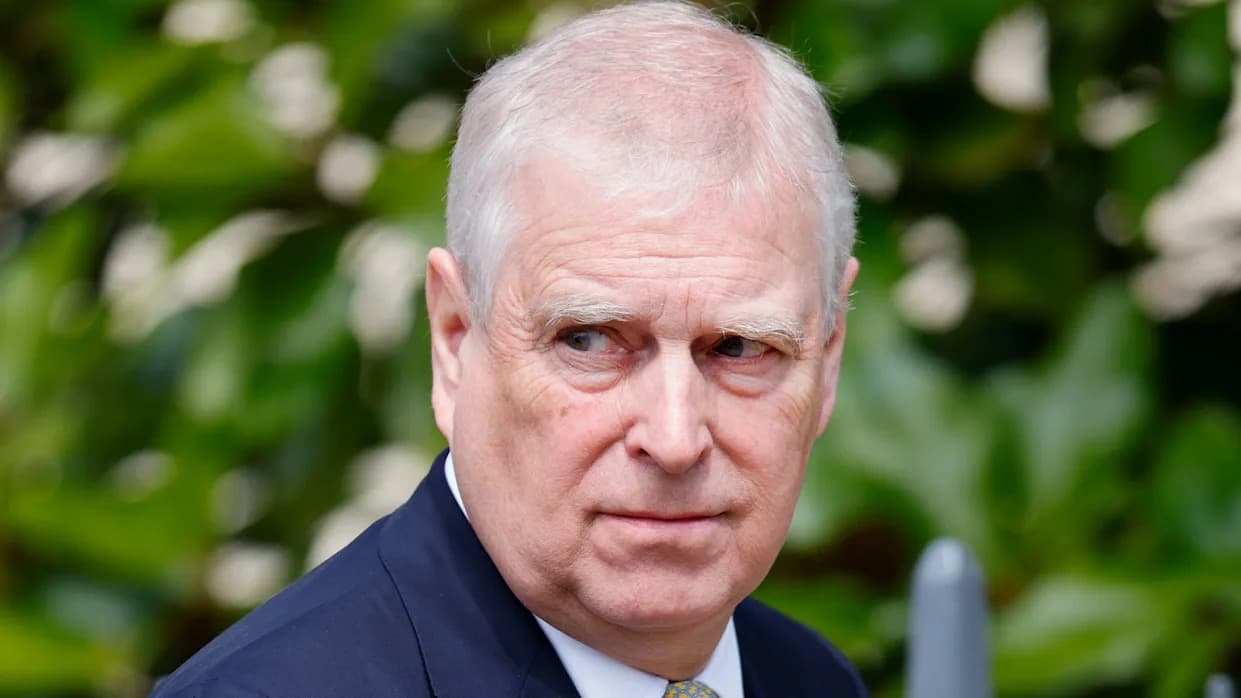
British Prime Minister Keir Starmer used a stopover in Japan to make an unusually direct appeal: Andrew Mountbatten‑Windsor should cooperate with the U.S. investigation into Jeffrey Epstein. For a serving prime minister to speak so plainly about a member of the royal family marks a clear break with long‑standing parliamentary convention and intensifies pressure on the duke.
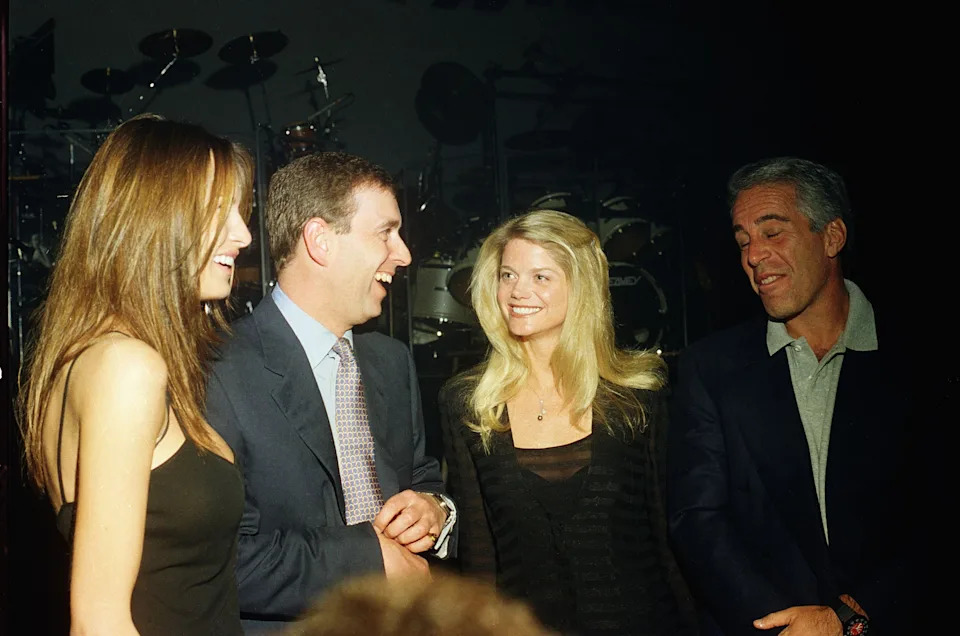
Melania Knauss (now Trump), Prince Andrew, Gwendolyn Beck, and Jeffrey Epstein attend a party at the Mar-a-Lago club, Palm Beach, Florida, Feb. 12, 2000. / Davidoff Studios Photography / Getty Images
Starmer Breaks With Convention
Asked whether Andrew should apologise and give evidence to the congressional probe, Starmer emphasised victims first.
Firstly, I always approach this question with the victims of Epstein in mind. Epstein's victims have to be the first priority.He added that while an apology was a personal matter, anyone with relevant information should be prepared to share it in whatever form they are asked to do so.
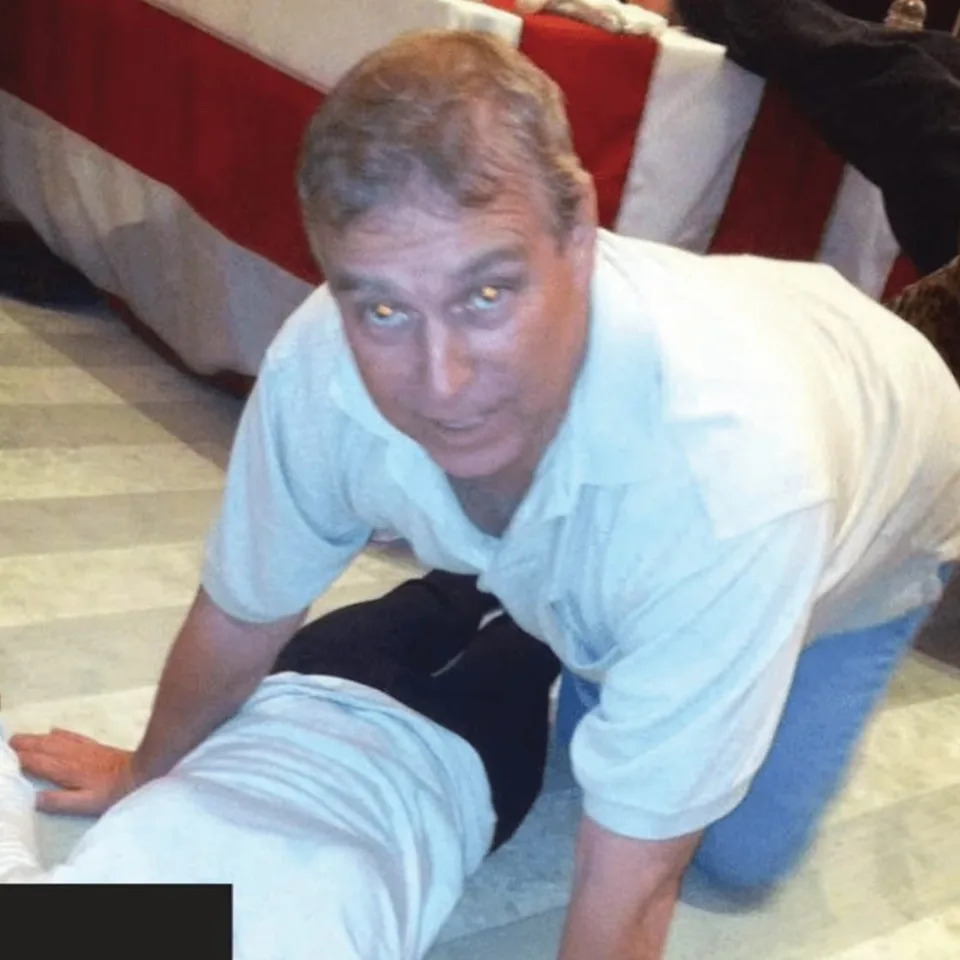
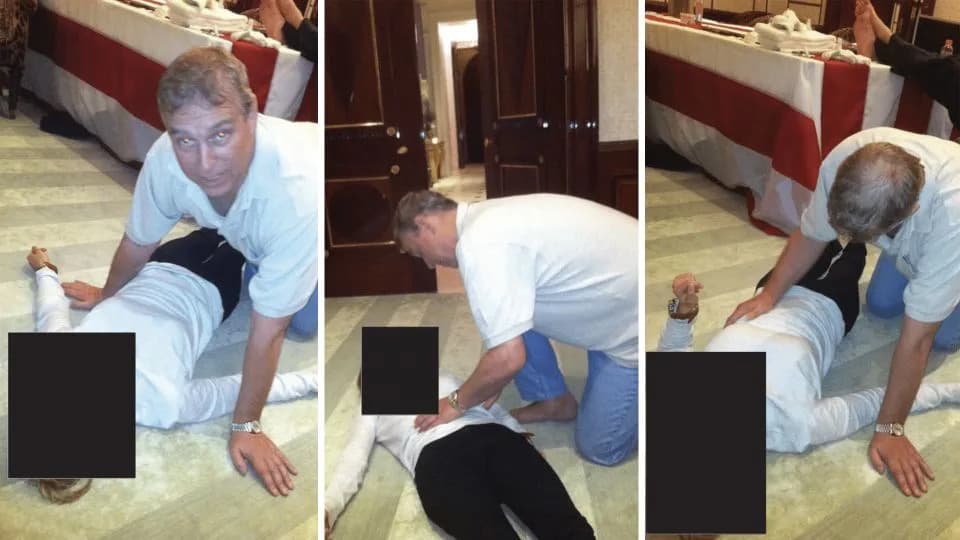
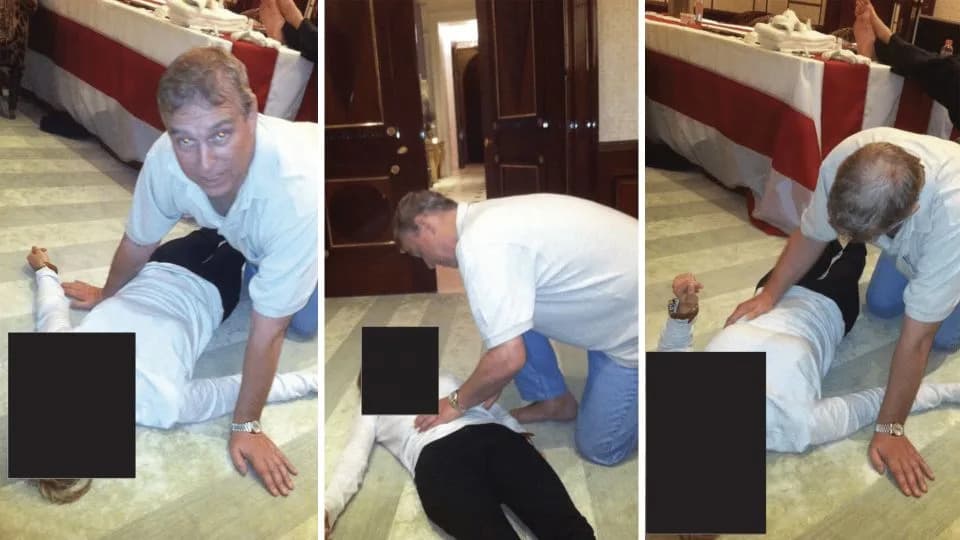
In the latest release from the Epstein files, Andrew is seen on all fours above a prone female figure. / DOJ
New Files, Renewed Questions
The prime minister's comments followed the release of additional material from the so‑called Epstein files. That batch includes photographs depicting Andrew in compromising circumstances and documents that appear to place him more clearly within Epstein's network. Together, these disclosures have reignited public debate about whether he should face a formal criminal inquiry.
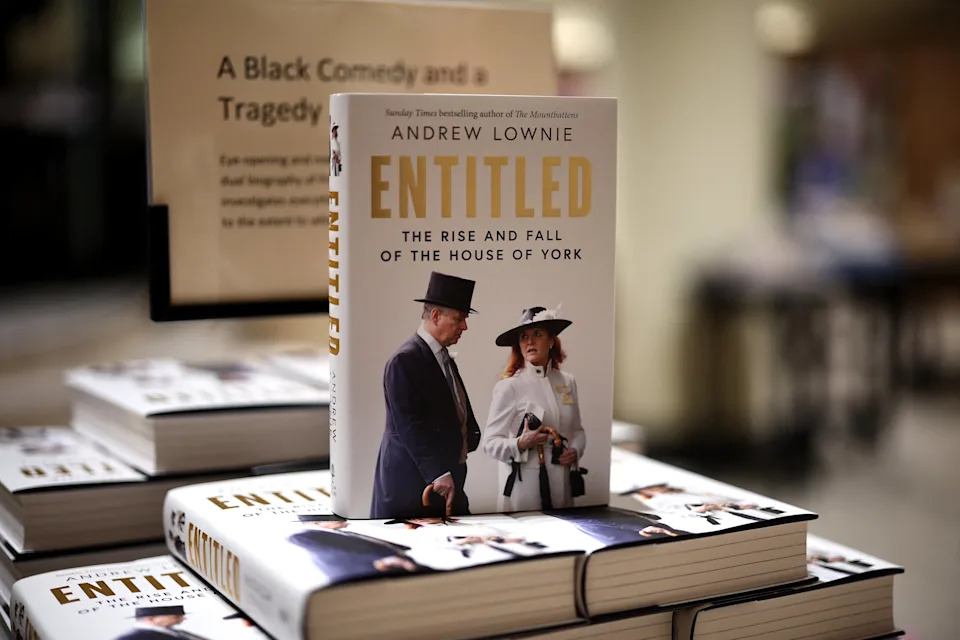
Andrew Lownie is the author of “Entitled: The Rise and Fall of the House of York.” / HENRY NICHOLLS / AFP via Getty Images
Calls For Investigation
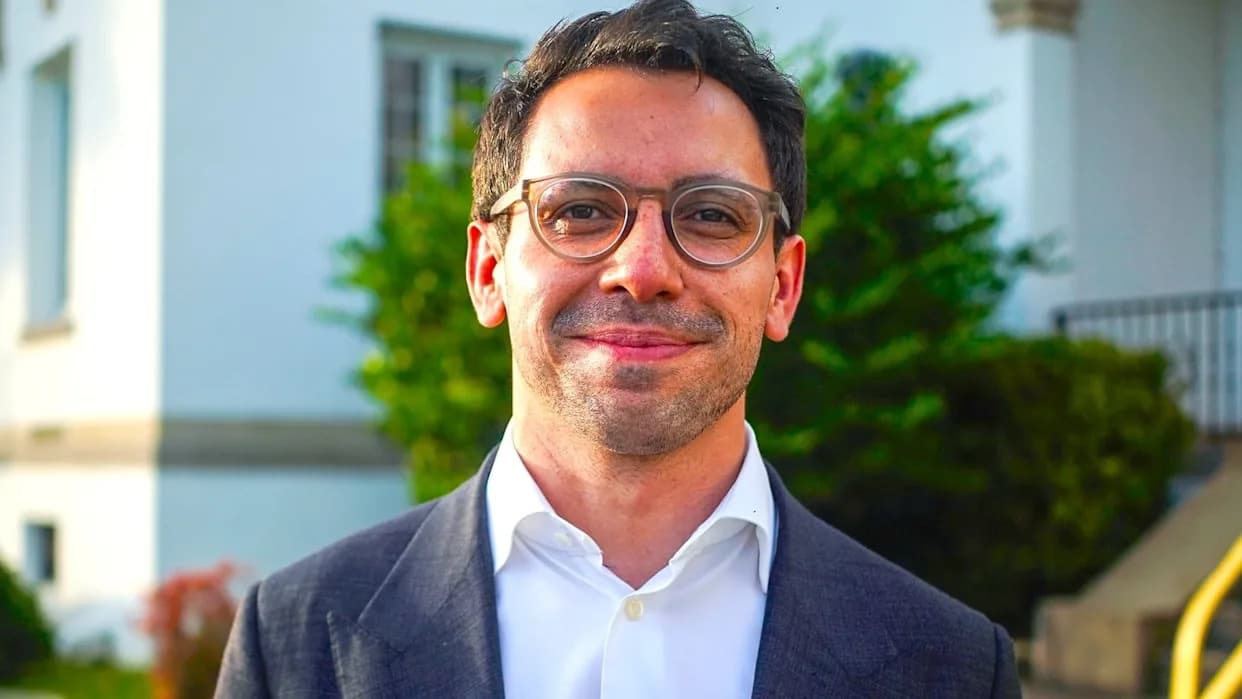
Historian and biographer Andrew Lownie, author of Entitled, told The Royalist that Andrew has repeatedly denied wrongdoing but has, in Lownie's view, refused to produce evidence that could corroborate his account, such as bodyguard logs. Lownie argues that the Metropolitan Police, the National Crime Agency and HMRC should investigate Andrew's conduct thoroughly and, if warranted, bring charges so the case can be resolved in court.
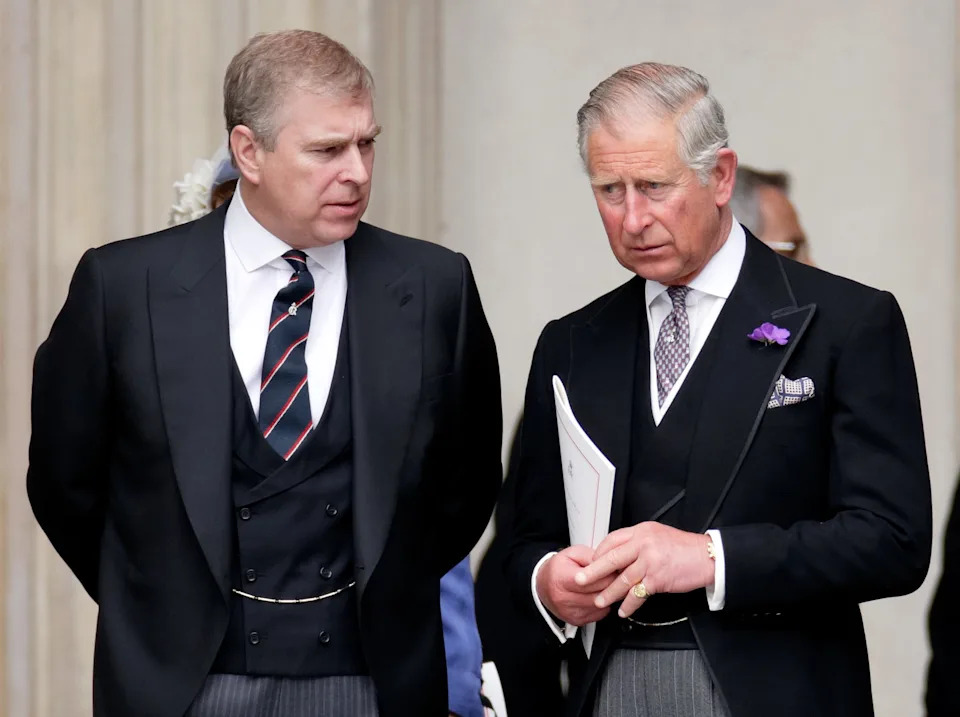
Encouraging his brother Andrew to testify before American investigators would be an unprecedented move by King Charles III (right). / Max Mumby/Indigo / Getty Images
"He's pleading his innocence. But all I would say is this: he's been caught time and time again lying. He hasn't told the truth," Lownie said, adding that sustained parliamentary pressure and the release of official files from Andrew's time as a trade envoy could prompt further action.
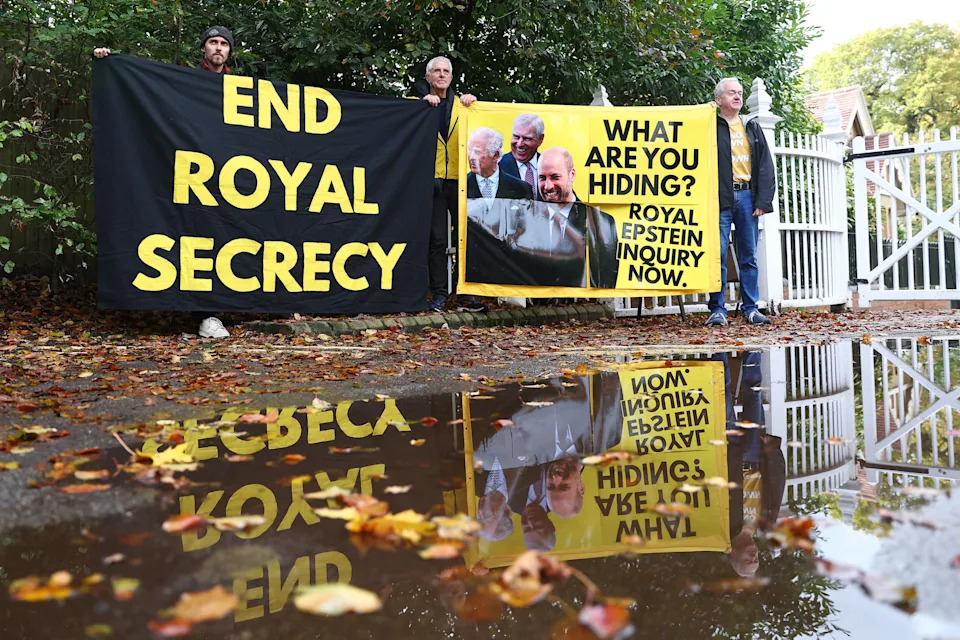
The royal family appears to hope that ignoring the problem will make it go away. The tactic does not seem to be working. / Peter Nicholls / Getty Images
Evidence Cited
The files include emails that appear to show Epstein arranging women for a contact saved as "The Duke," and a reply signed "HRH The Duke of York KG." One exchange from 2010 mentions a woman described by Epstein as "26, Russian, clever, beautiful, trustworthy" and indicates an arrangement to meet in London. Taken together with images and previous allegations about women being moved between Epstein properties, these materials raise questions about whether Andrew facilitated travel or meetings that could amount to trafficking under the UK Modern Slavery Act 2015.
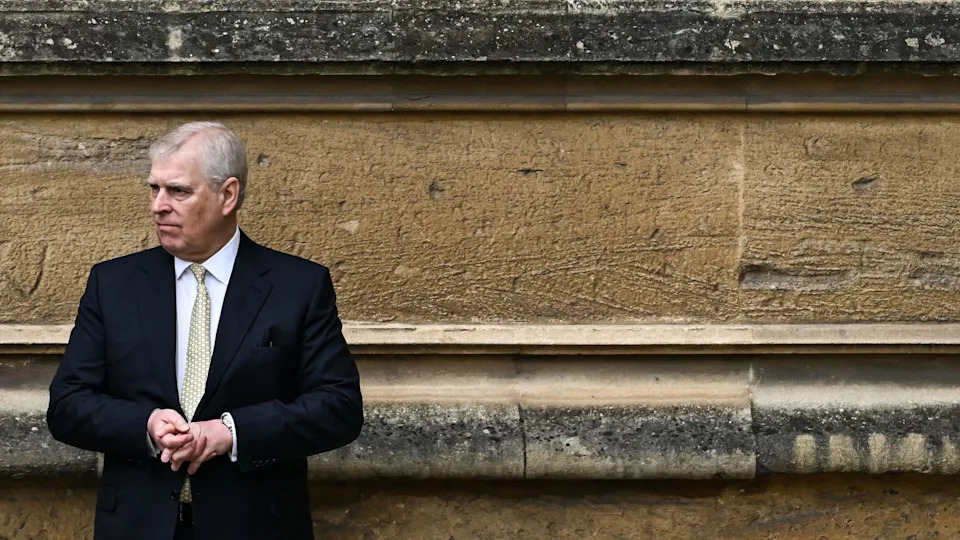
Cast out: since this photo was taken in March 2024, the former prince has been stripped of his title and forced to relinquish his home. / JUSTIN TALLIS / AFP via Getty Images
Palace Strategy And Its Limits
Until recently, the palace sought to keep Andrew out of court: the royal household reportedly helped fund a settlement with Virginia Giuffre to avoid a trial and public cross‑examination. In October, Andrew was stripped of the style and title "Prince" and other honours, a move intended to reduce public anger by removing his formal status.
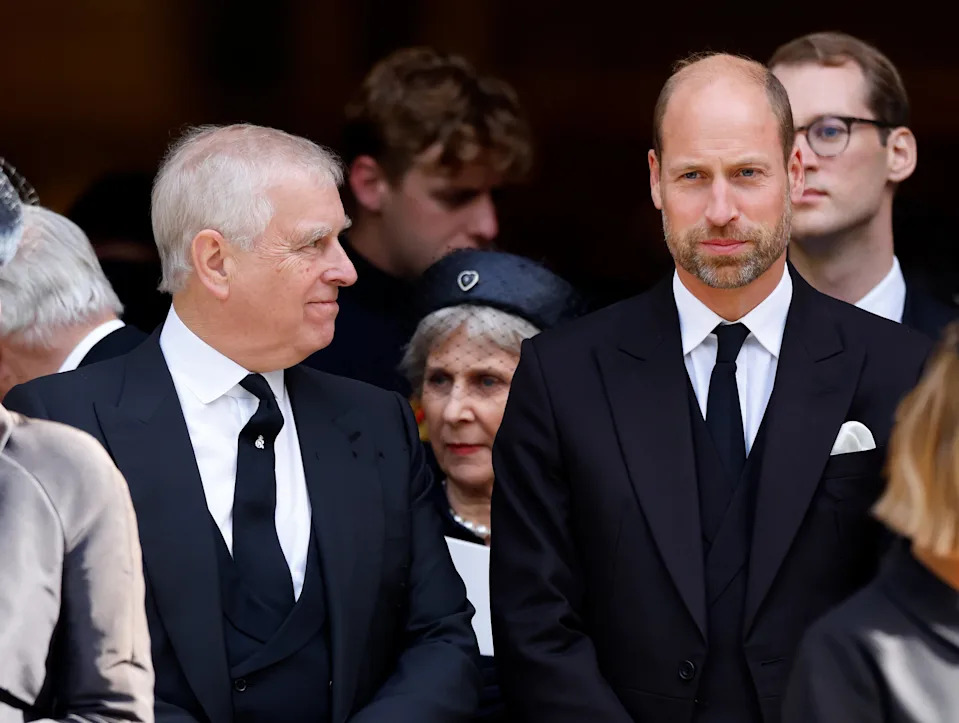
Prince William (right), heir to the British throne, has long wished to distance himself from his uncle Andrew. / Max Mumby/Indigo / Getty Images
That strategy is under strain. New claims in the released material allege Andrew passed confidential reports to Epstein and otherwise deepened his association with the disgraced financier. Commentators say such documents, if verified, could provide stronger grounds for criminal investigation than reputation‑damaging photographs alone.
Pressure From Washington
U.S. lawmakers, including members of the House Oversight Committee, have repeatedly invited Andrew to give a transcribed interview to help identify Epstein's co‑conspirators and enablers. Close associates of Andrew dismiss these overtures as political grandstanding and say he would not travel to the U.S. to testify. But many legal experts and politicians note that cooperation with U.S. investigators would likely increase pressure on UK authorities to re‑examine their inquiries—especially where alleged offences involve women brought to the UK.
What Could Happen Next
Starmer's background as a former director of public prosecutions and his public focus on victims help explain his stance. While the prime minister's call for testimony does not guarantee that Andrew will sit for a transcribed interview, it signals that the government will no longer treat this solely as a private royal matter.
Many commentators and campaigners say the path forward requires formal inquiries: parliamentary scrutiny of Andrew's time as a trade envoy, release of relevant public records, and a proper criminal investigation if evidence supports it. For his own reputation and for the monarchy's credibility, critics argue Andrew should now provide a full account of what he knew and when.
Note: The article summarises widely reported materials and public statements. Allegations remain subject to investigation and legal process.
Help us improve.