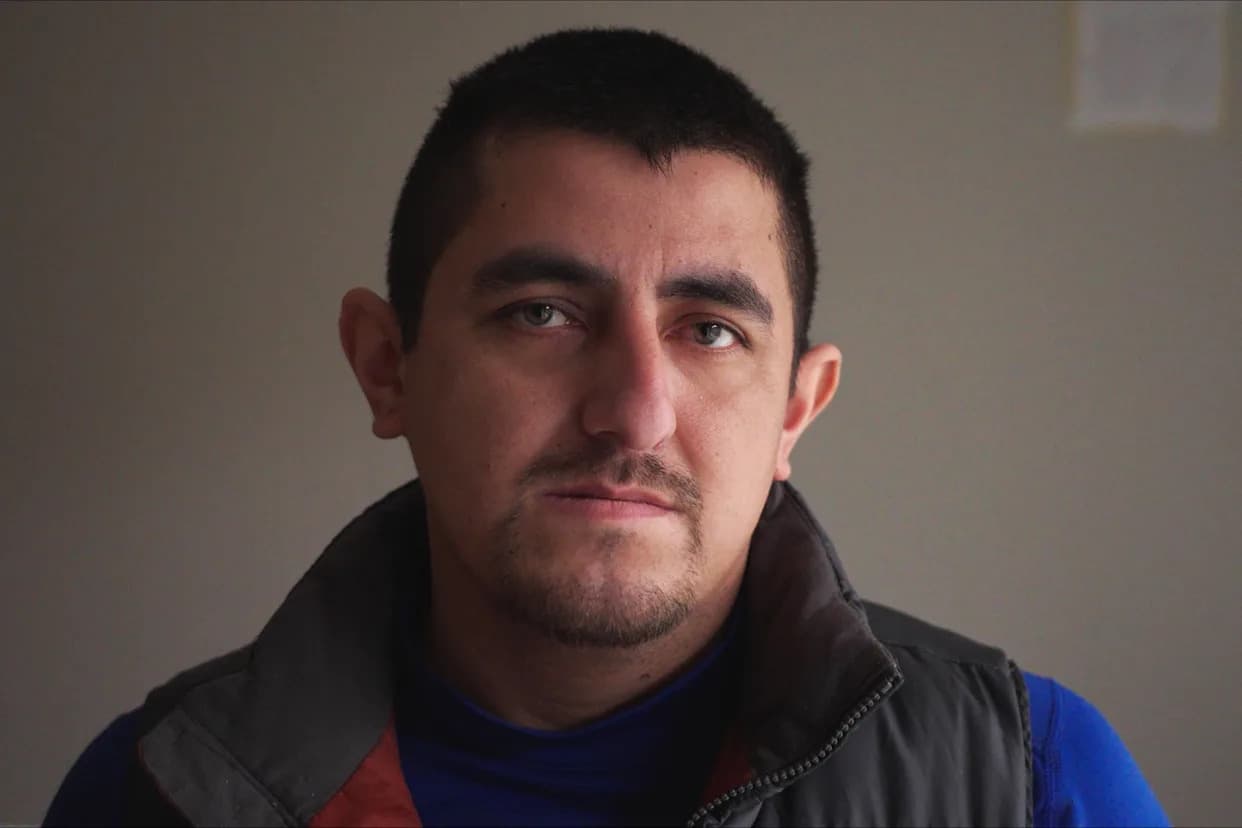
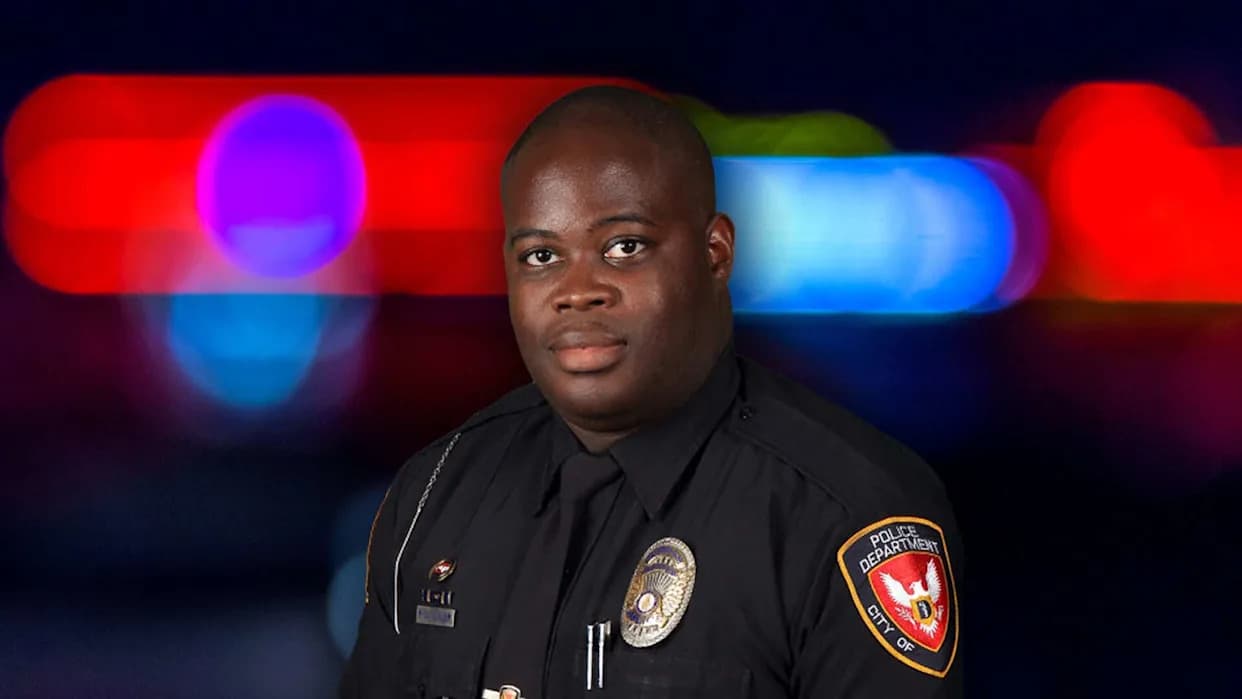
Former Durham officer Rayshawn Taylor was sentenced to three years and one month in prison, plus two years of supervised release, after pleading guilty to sexually assaulting a man during a welfare check around 4:30 a.m. Taylor did not activate his body camera, in violation of department policy, and used a translation app during the assault. Investigators later found patrol-car footage that corroborated the victim's account and evidence that Taylor deleted the translation app from his phone.
Ex‑Durham Officer Sentenced to 3 Years, 1 Month for On‑Duty Sexual Assault
Brickbat: Durham Bully
Rayshawn Taylor, a former Durham, North Carolina police officer, was sentenced to three years and one month in federal prison followed by two years of supervised release after pleading guilty to sexually assaulting a man while on duty.
Details of the Incident
The assault occurred during a welfare check at the victim's home at about 4:30 a.m. According to court records, after a supervising officer left the scene, Taylor frisked the man and sexually assaulted him for several minutes. During the assault, Taylor used a translation app on his phone to ask whether the victim "liked it" and threatened to arrest him if he reported the incident.
Response and Investigation
The victim's wife called 911. Taylor returned to the home in uniform and denied the allegations, but the wife insisted on speaking to a supervisor. When asked whether he had recorded the encounter on his body-worn camera, Taylor acknowledged he had not activated it — a violation of department policy — saying he had not planned to make an arrest. Investigators later recovered footage from Taylor's patrol car that corroborated the victim's account and found evidence that Taylor had deleted the translation app from his personal phone.
Sentence and Implications
Taylor pleaded guilty to the charges and received a prison term of three years and one month, followed by two years of supervised release. The case has raised questions about body-camera compliance, officer misconduct, and oversight during welfare checks. Police departments and oversight bodies often cite this type of evidence — dash-cam and other recordings — as critical to corroborating victim statements when body cameras are not activated.
Key takeaway: Failure to activate required body-worn equipment and attempts to conceal digital evidence were central to investigators' ability to corroborate the victim's account and secure a conviction.
Help us improve.