Finland's Border Guard will set up a maritime surveillance centre with Baltic Sea partners and the European Commission to protect undersea cables and pipelines in the Gulf of Finland. Planned measures include seabed sensors, AI-driven analysis of maritime traffic and allied information sharing. The centre will be phased in using existing capabilities while Finland seeks EU funding. The move follows several outages and recent seizures of vessels suspected of damaging seabed infrastructure.
Finland to Build Maritime Surveillance Centre to Protect Undersea Infrastructure in Gulf of Finland

The Finnish and European Union flags flutter at the boarder crossing between Finland and Russia, in Vaalimaa, Finland, April 4, 2023. REUTERS/Tom Little
HELSINKI, Jan 26 (Reuters) — Finland's Border Guard said on Monday it will establish a maritime surveillance centre to help protect critical undersea infrastructure in the Gulf of Finland. The centre will be developed in cooperation with other Baltic Sea states and the European Commission as part of a wider push to prevent damage to submarine cables and pipelines.
Planned Centre And Cooperation
The surveillance centre will be rolled out gradually, drawing on the Border Guard's existing assets and capabilities. Finnish authorities plan to seek funding from the European Union and coordinate closely with neighbouring states to create a shared picture of maritime activity in the region.
Preventive Measures Under Consideration
Authorities say planned preventive measures include installing sensors on the seabed, deploying artificial intelligence tools for enhanced, real-time analysis of maritime traffic, and exchanging vessel information with allied partners. The Border Guard emphasised the focus on prevention: developing capabilities that can detect risks before damage occurs.
Mikko Hirvi, Head of Maritime Safety and Security at the Finnish Border Guard, said the aim is to build broader preventive measures to stop harm before it happens.
Context And Past Incidents
The Baltic Sea region has been on heightened alert since a series of outages affected power cables, telecom links and gas pipelines after Russia's full-scale invasion of Ukraine in 2022. Authorities have linked several incidents to ships dragging anchors and other accidental or suspicious seabed contact.
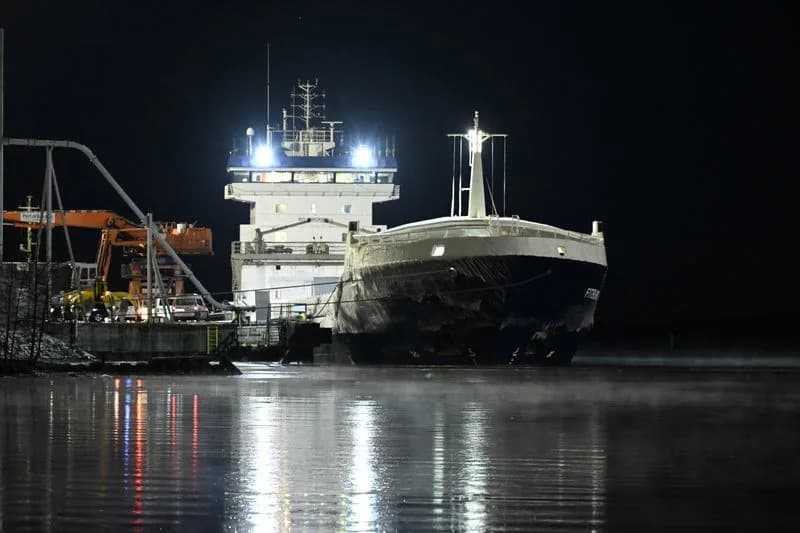
In enforcement actions, Finnish authorities boarded and seized two vessels suspected of severing undersea cables by dragging anchors: the oil tanker Eagle S in December 2024 and the cargo vessel Fitburg in December 2025. Officials said seizing those ships helped prevent further damage.
Monitoring And Next Steps
Coast Guard commanders said they are prioritising real-time monitoring of unusual vessel behaviour, such as unexpected speed or course deviations. Finland will phase in the surveillance centre, combining new sensors and analytics with its current maritime surveillance assets and seeking EU support for further development.
(Reporting by Anne Kauranen; Editing by Gareth Jones)
Help us improve.