Summary: Matthew Hardy stalked and harassed women across the U.K. from 2009 to 2021, using cloned accounts, hacked profiles and stolen intimate images to spread lies and ruin relationships. Police compiled more than 100 incidents from over 60 victims before prosecutors pursued five core cases. Hardy pleaded guilty in January 2022 and was sentenced to nine years — reduced to eight on appeal — and is serving time in a Category B prison. The case exposed gaps in how online abuse was handled and spurred calls for stronger social media and legal protections.
Inside Britain’s Most Prolific Cyberstalker: How Matthew Hardy Terrorised Women Online
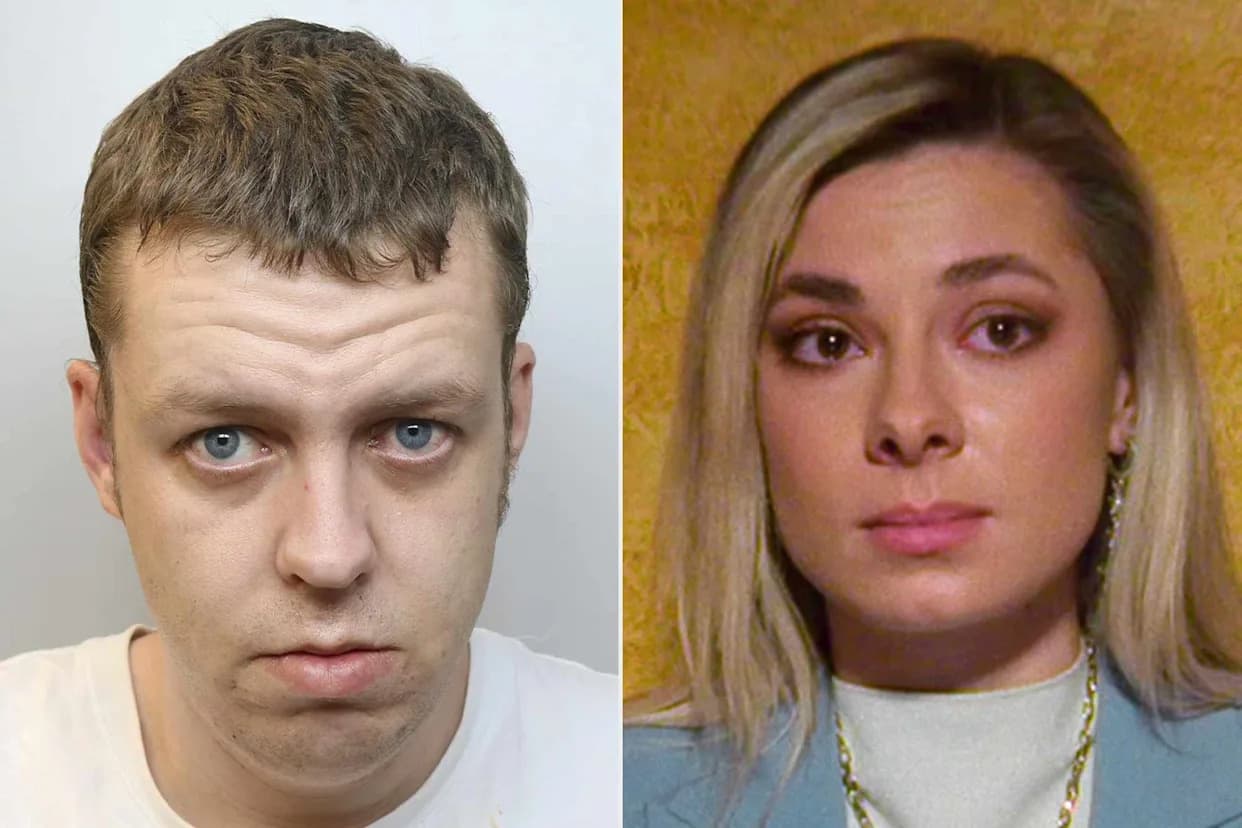
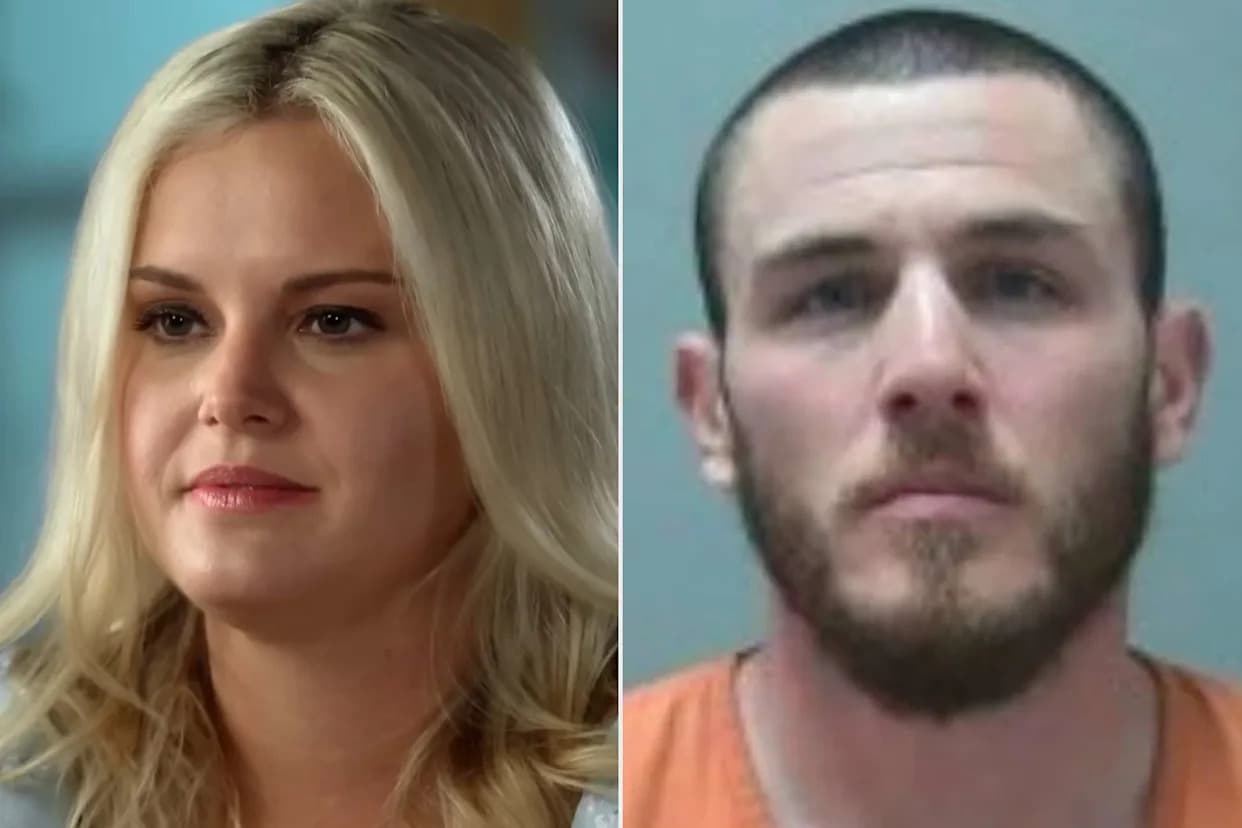
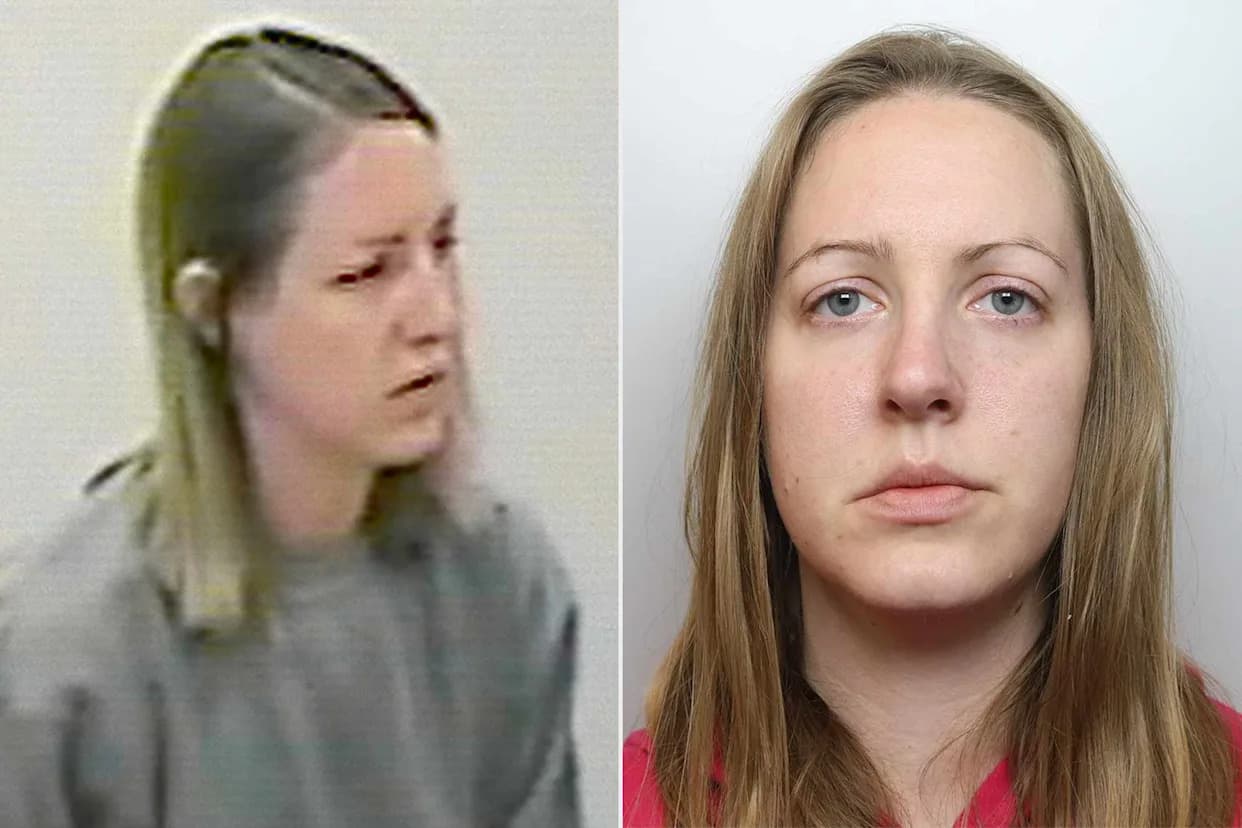
Cheshire Police/SWNS ; Courtesy of NetflixMatthew Hardy ; Abby in "Can I Tell You A Secret?"
From 2009 until his arrest in 2020, Matthew Hardy ran a sustained campaign of online stalking and harassment that targeted girls and women across the U.K. Using fake profiles, hacked accounts and stolen intimate photos, Hardy damaged relationships, reputations and livelihoods — often opening messages with the seemingly innocuous question, 'Can I tell you a secret?'. His crimes, chronicled in a 2024 Netflix documentary based on a Guardian podcast, exposed gaps in how social media abuse was policed for more than a decade.
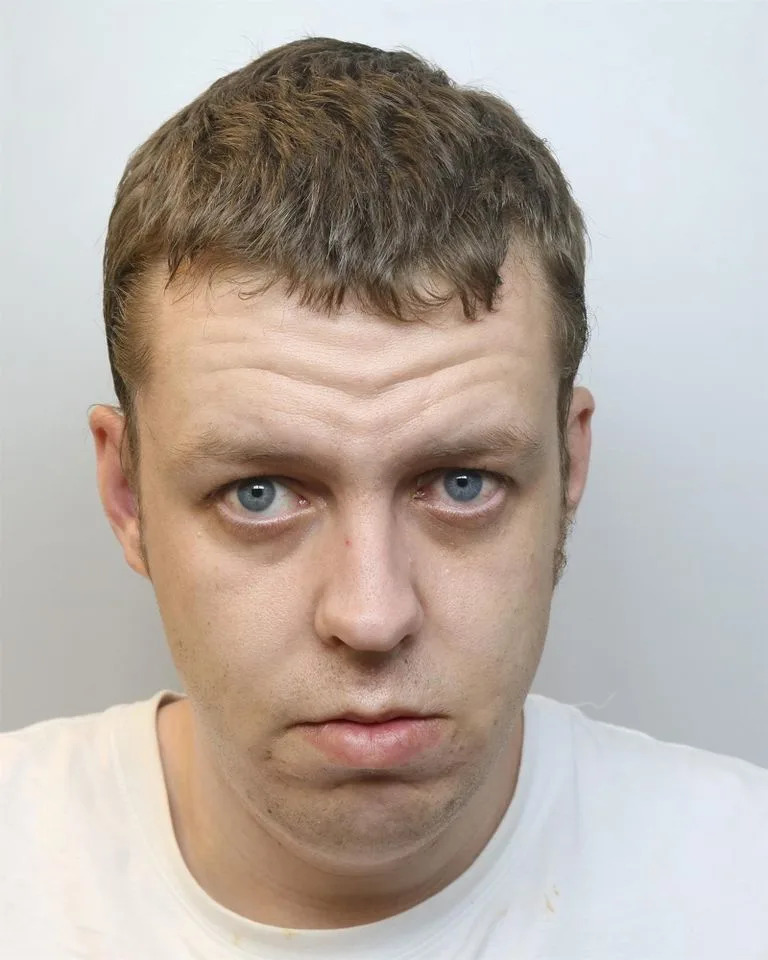
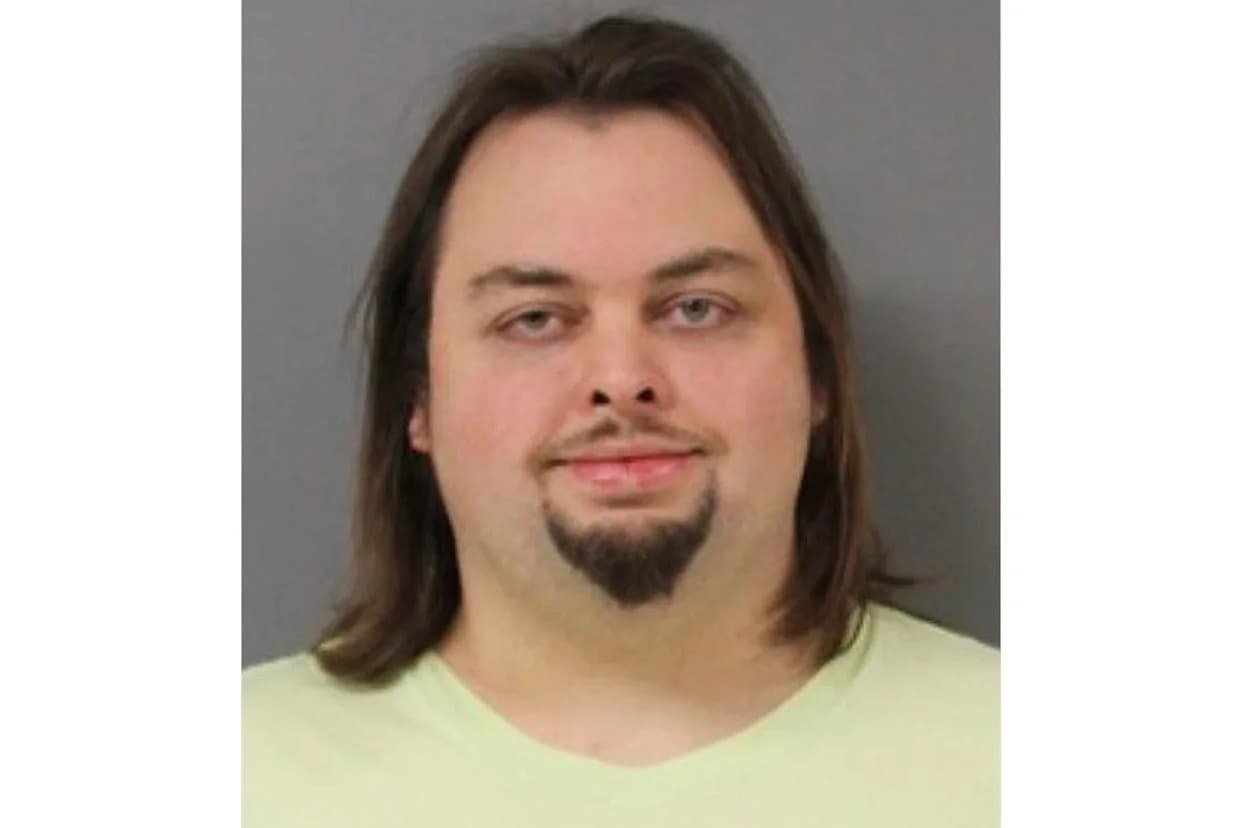
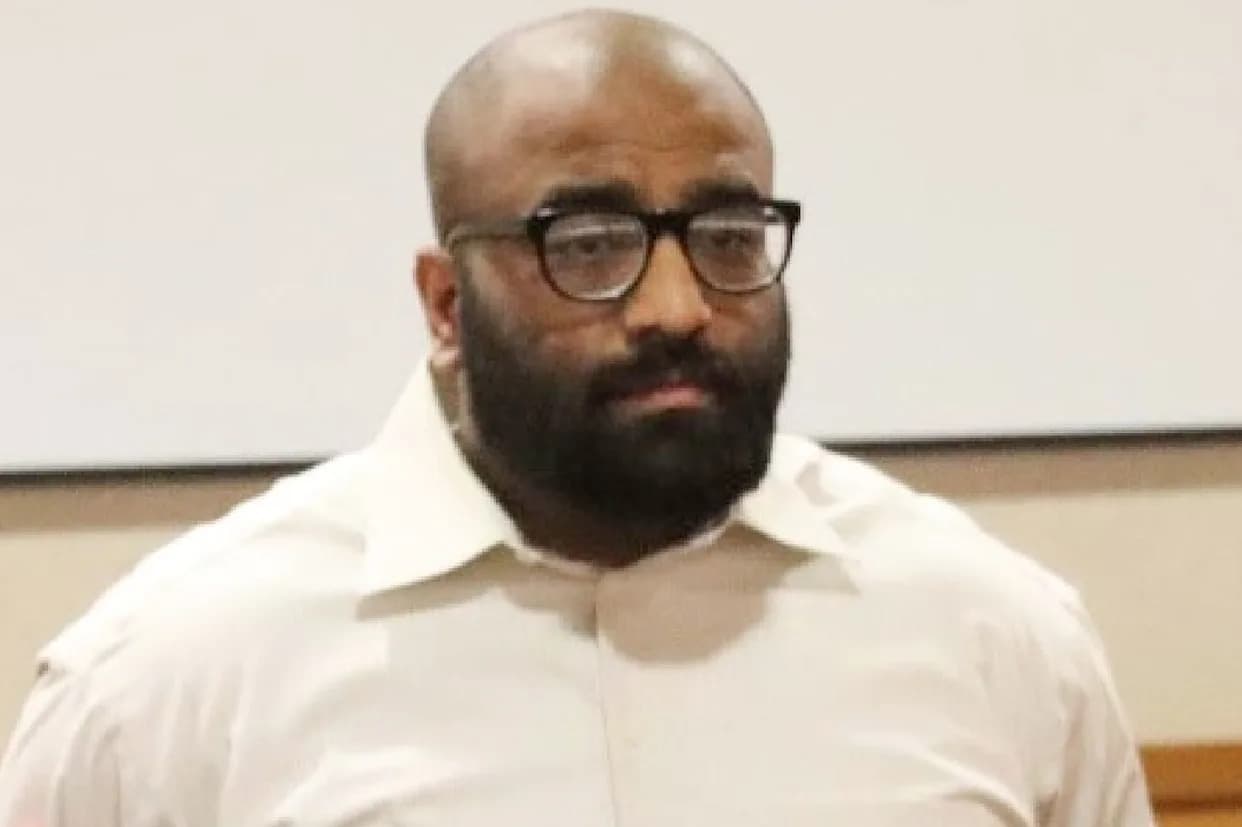
Cheshire Police / SWNSMatthew Hardy.
Methods and Impact
Hardy frequently impersonated victims or created cloned profiles to send abusive, sexually explicit and false messages to friends, family and employers. He sometimes circulated private images taken without consent and made repeated intimidating phone calls — at times calling victims up to 50 times a day, breathing down the line or describing their actions to signal he was watching them. Victims reported lost jobs, broken relationships and long-term emotional harm.
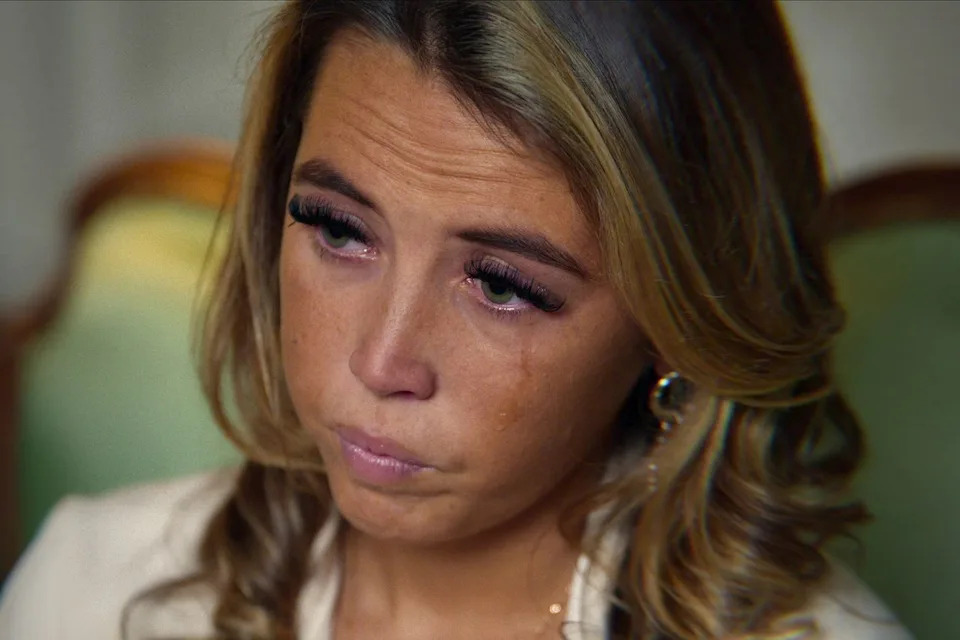
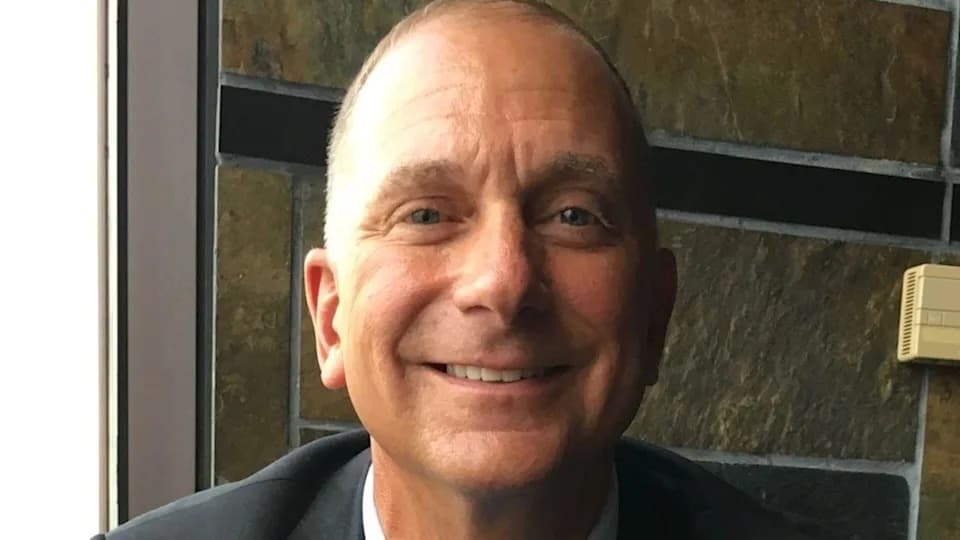
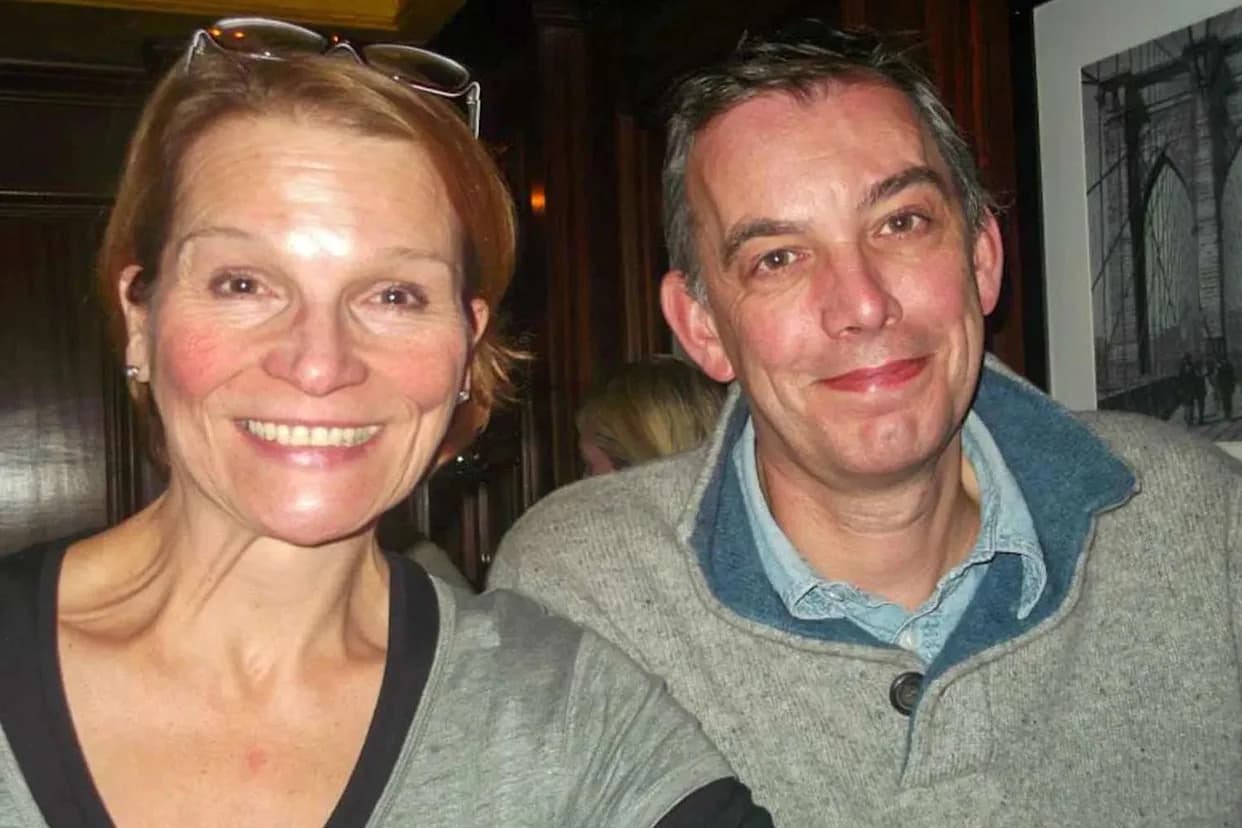
Courtesy of NetflixLia in 'Can I Tell You A Secret'.
Early Warnings and Escalation
Police and courts first confronted Hardy in 2011, when he received a harassment warning and later pleaded guilty to hacking and harassing a classmate by taking over her Facebook account. He received suspended sentences and community penalties on multiple occasions, and restraining orders were issued and later violated. Despite these interventions, his online campaigns continued and expanded as platforms such as Instagram and Snapchat grew in popularity.
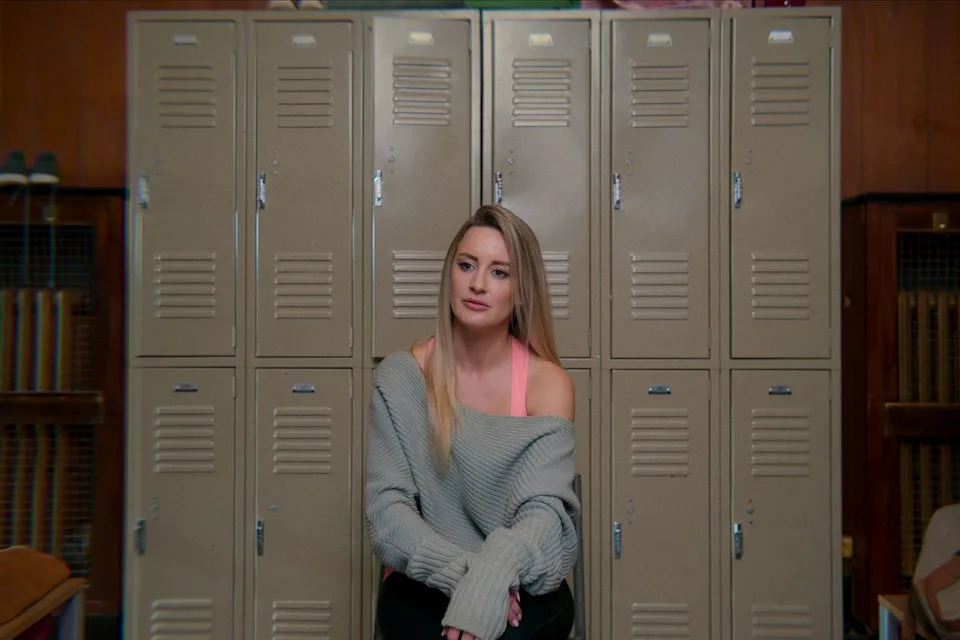
Courtesy of NetflixZoe in 'Can I Tell You A Secret'.
Investigation and Prosecution
The case gathered momentum in 2019 when Cheshire police constable Kevin Anderson connected numerous reports and identified Hardy as a likely suspect. Anderson assembled evidence from more than 60 victims and over 100 incidents; one victim, Lia Hambly, compiled more than 700 pages of screenshots documenting harassment. To present a focused, winnable case, prosecutors advanced five principal incidents in the indictment.
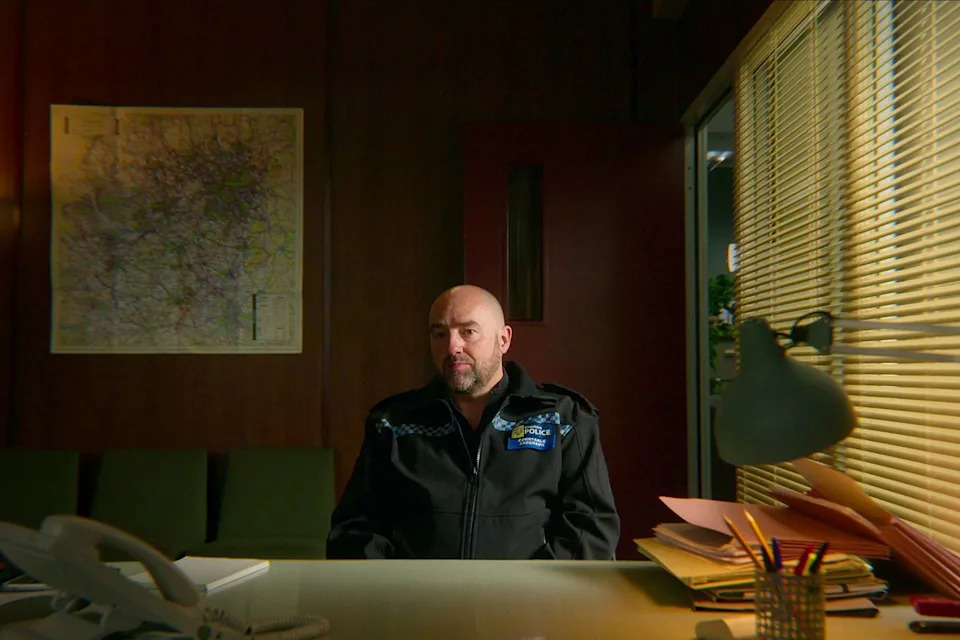
Courtesy of NetflixPC Kevin Anderson in 'Can I Tell You A Secret'.
Guilty Plea, Sentencing And Appeal
Hardy was arrested in February 2020 and initially denied the allegations, but in January 2022 he pleaded guilty to five counts of stalking causing fear of violence and to breaching a restraining order. On 26 January 2022 he was sentenced to nine years in prison — at the time the longest sentence for stalking in U.K. history. The sentencing judge said Hardy's victims had been put through 'sheer misery' and urged reform of social media laws to help prevent similar abuse.
Hardy’s sentence was reduced on appeal in October 2022 to eight years. Appeals judges cited a legal technicality in sentencing rules and noted the trial judge had considered Hardy’s neurodivergence; Hardy’s counsel had argued the original term was 'manifestly excessive' and referred to his autism spectrum diagnosis.
Where He Is Now
Hardy remains in a Category B prison unit and — according to reporting — is housed on a wing intended to protect inmates vulnerable to attack. Prison officials say neurodivergent inmates have access to support and rehabilitation programs, though family members have said Hardy received limited help for autism and anxiety. Under current terms he is eligible for release in 2030, though some reporting has estimated possible earlier release dates for non-violent offenders, potentially as early as April 2026.
Wider Significance
The Hardy case highlighted how persistent online abuse can evade earlier, fragmented responses from law enforcement and how survivors can be dismissed or advised to simply leave social media — advice that is neither practical nor justice for victims who rely on online platforms for work and social life. The case prompted renewed calls for clearer social media rules and better policing of digital harassment.
Sources: Reporting by The Guardian, BBC, The Independent and coverage of the Netflix documentary 'Can I Tell You A Secret?'.
Help us improve.