Kevin Jiang, a 26-year-old Yale graduate student and Army veteran, was killed in New Haven on Feb. 6, 2021 after a dark SUV approached his car. Forensic evidence later linked MIT graduate student Qinxuan Pan to a .45-caliber handgun and materials discarded near the scene. A months-long manhunt by the U.S. Marshals culminated in Pan's arrest in May 2021; he pleaded guilty in Feb. 2024 and was sentenced to 35 years without parole in April 2024.
How an MIT Graduate Student Orchestrated the Murder of a Yale Grad Student
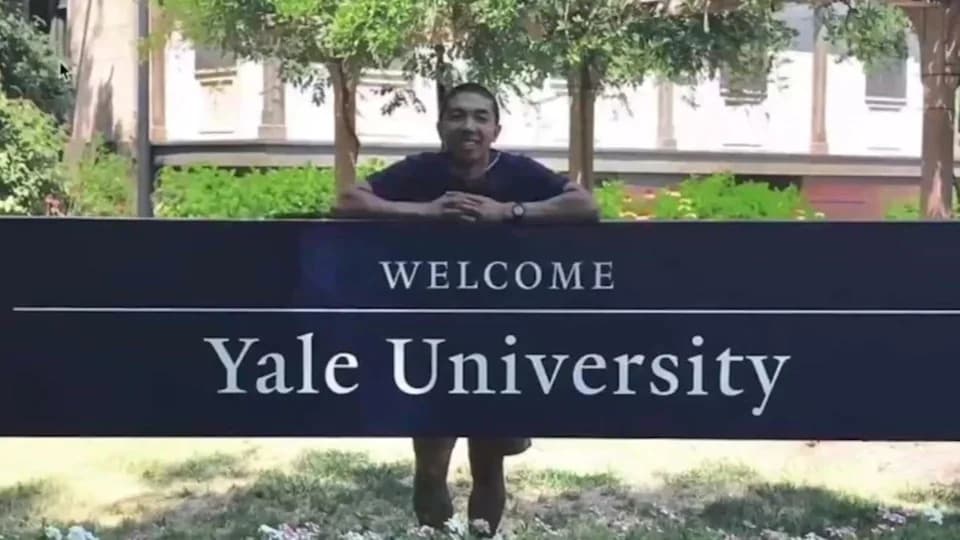
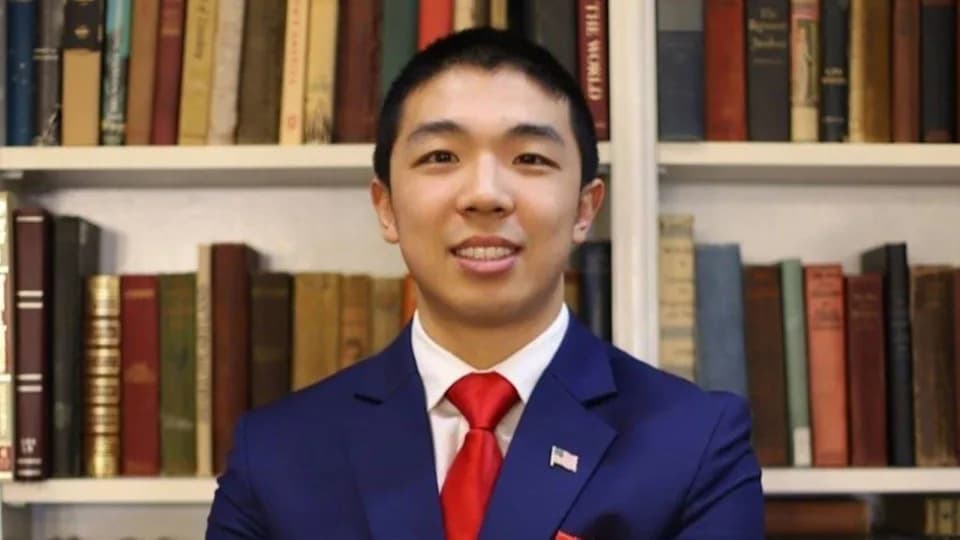
Kevin Jiang / Credit: Trinity Baptist Church YouTube(Trinity Baptist Church/YouTube)
Kevin Jiang, a 26-year-old Yale graduate student, Army veteran and volunteer, was shot to death in New Haven on Feb. 6, 2021. What first appeared to be a random act of road rage or a chance shooting unfolded into a carefully planned killing that investigators later connected to a series of earlier shootings and a trail of forensic and digital evidence.
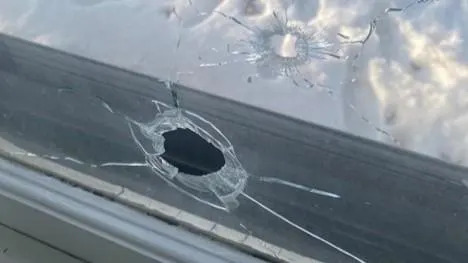
Bullet holes found in the window of one of the affected homes. / Credit: Paul and Nyree Whyte
Timeline and Key Moments
Dec. 11, 2020 – Feb. 6, 2021: In the weeks before Jiang's death, bullets were fired into four homes in New Haven neighborhoods. No one was injured in those incidents, but investigators later linked them by recovered .45-caliber casings and witness reports of a dark SUV fleeing some scenes.
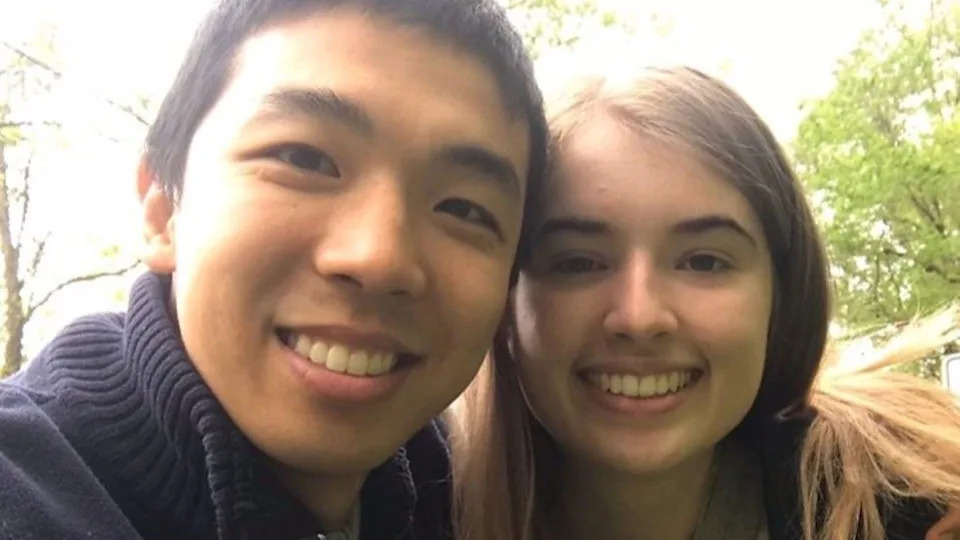
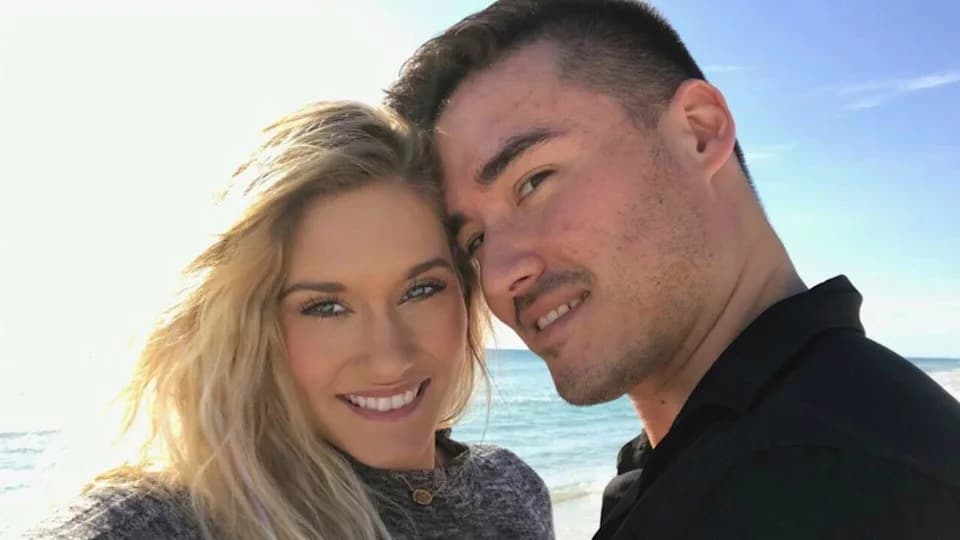
Kevin Jiang and fiancée Zion Perry. / Credit: Kevin Jiang/Facebook
Jan. 30, 2021: Jiang proposed to his fiancée, Zion Perry. The engagement was later posted on social media.
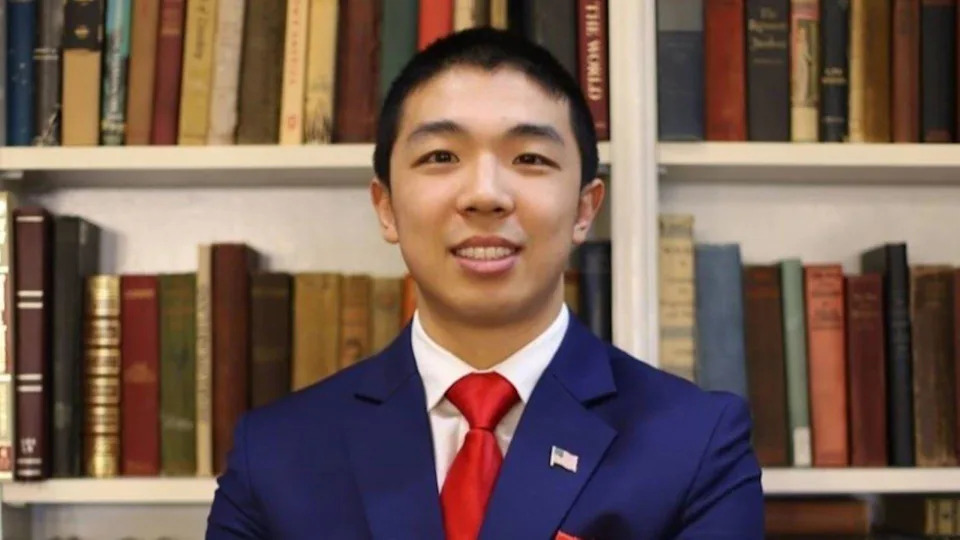
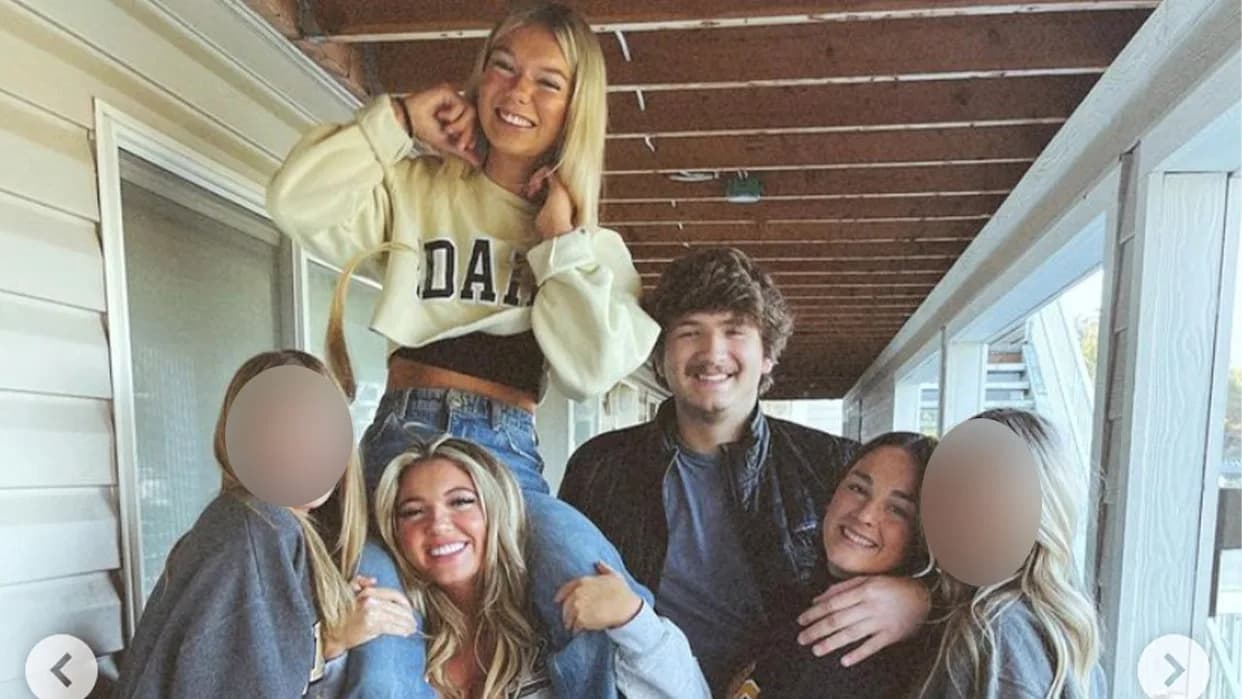
Kevin Jiang / Credit: Kevin Jiang/Instagram
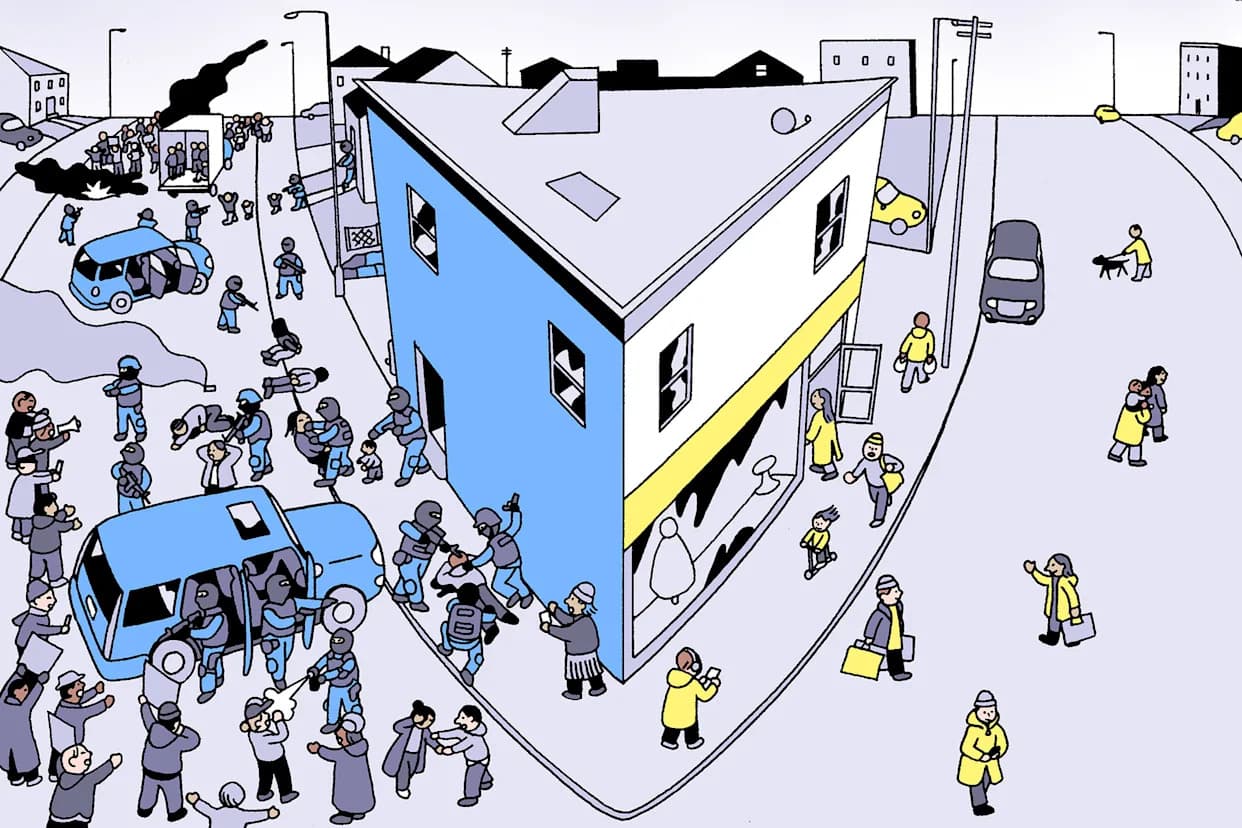
Feb. 6, 2021 — 8:30 p.m.: Surveillance footage and witness accounts show Jiang's Prius stopped in the street after a rear-end collision and a dark SUV nearby. When Jiang exited his vehicle and approached, eight gunshots rang out. He was hit multiple times and died at the scene; stippling on his face indicated at least some shots were fired at close range.
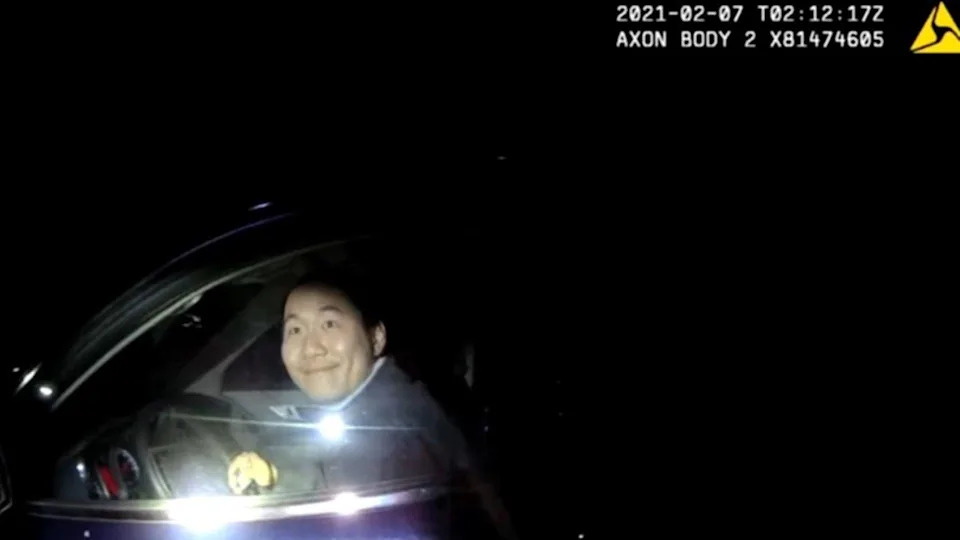
Police body camera shows Qinxuan Pan in his vehicle / Credit: North Haven Police Department
Feb. 6, 2021 — 8:57 p.m.: About 30 minutes after the shooting, North Haven police found a dark SUV stuck on railroad tracks. The driver, identified as MIT graduate student Qinxuan Pan, appeared calm. Because he could not pay for a tow, officers arranged a hotel for him that night.
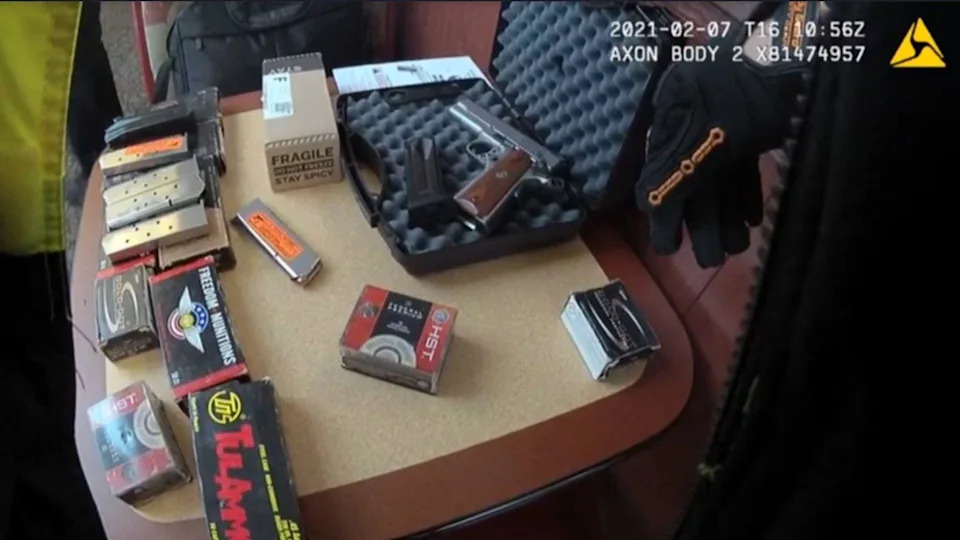
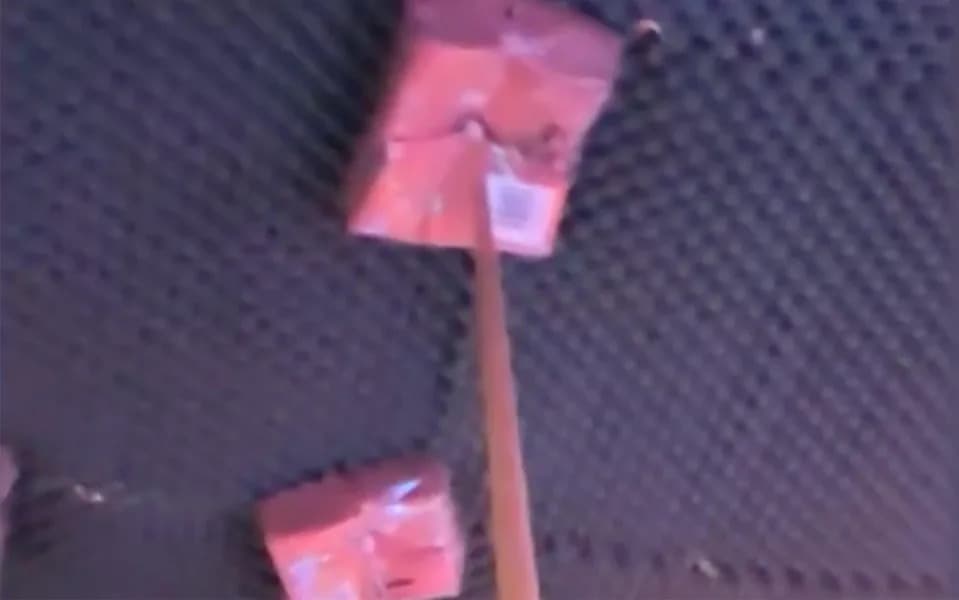
Items found at an Arby's captured on police bodycam. / Credit: North Haven Police Department
Feb. 7, 2021 — 11 a.m.: Employees at an Arby's found discarded bags containing a .45-caliber handgun, ammunition, three license plates and clothing. A responding officer recognized items that matched those seen in the SUV the prior night and alerted New Haven homicide detectives.
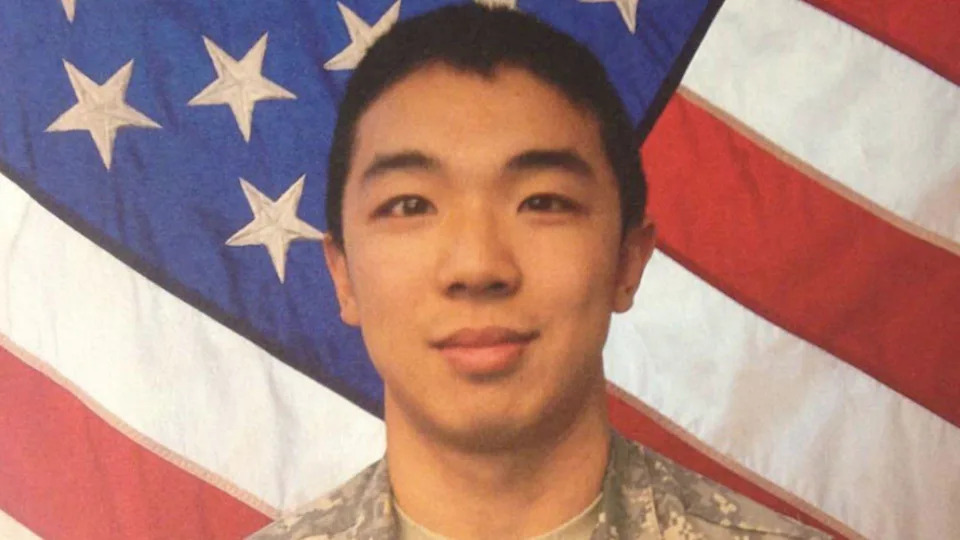
Kevin Jiang in uniform. / Credit: Kevin Jiang/Instagram
Investigation and Forensic Links
Forensic testing later returned results that tied Pan to the weapon and to materials associated with the crime: investigators reported finding Pan's fingerprints on the gun and gunshot residue on a yellow jacket and on the SUV's door. Law enforcement matched dates of multiple dealership test drives Pan had taken with the earlier home shootings, leading detectives to conclude the earlier incidents were staged to misdirect investigators and obscure a possible personal motive.
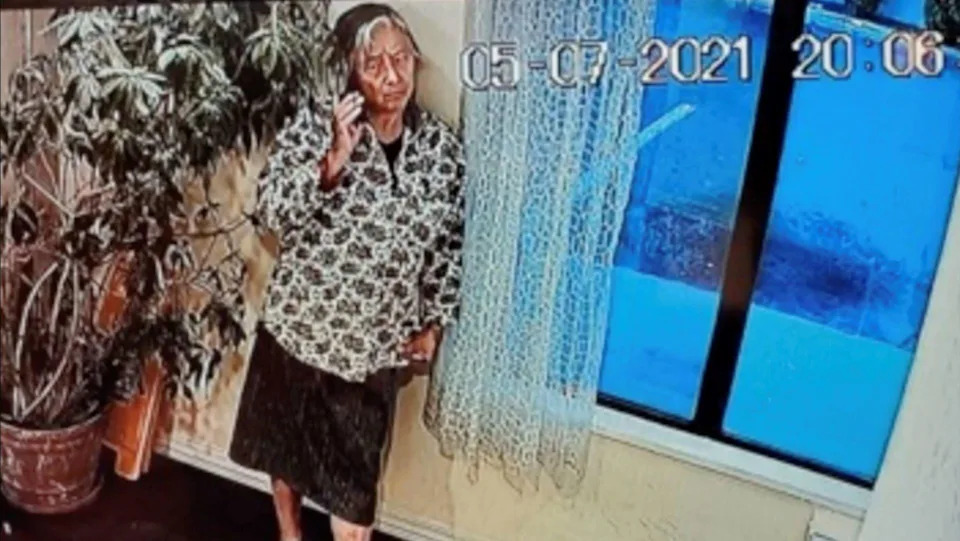
A surveillance image of Hong Huang making a telephone call at a Georgia hotel. / Credit: U.S. Marshals
Detectives also discovered a tenuous online connection between Pan and Zion Perry; the two were Facebook friends from their time at MIT, though Perry described their relationship as a brief acquaintance. While investigators have said Pan may have had an unhealthy fixation, a definitive motive was never legally established in court beyond what was presented in plea documents.
The Manhunt and Arrest
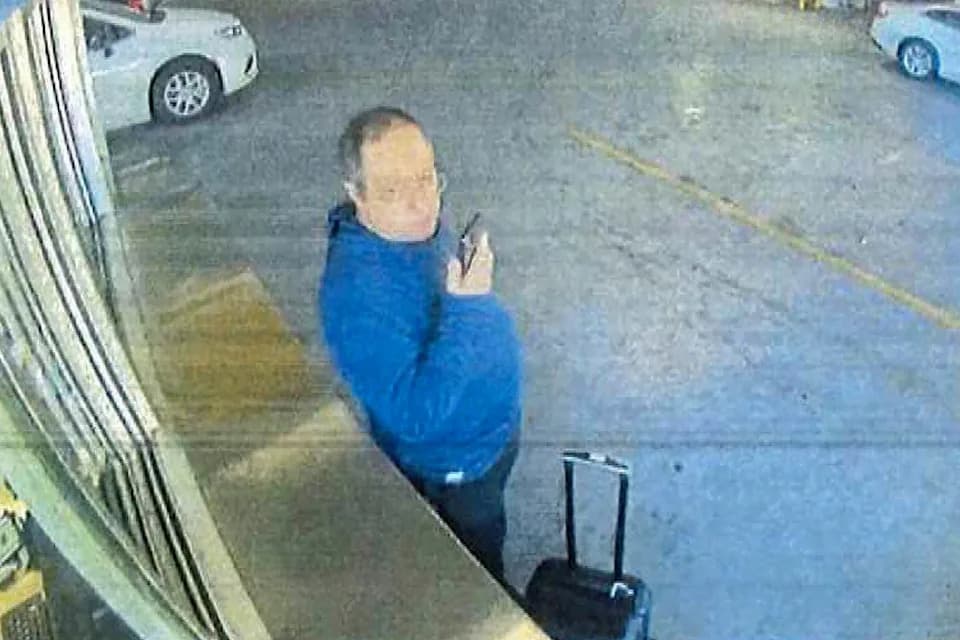
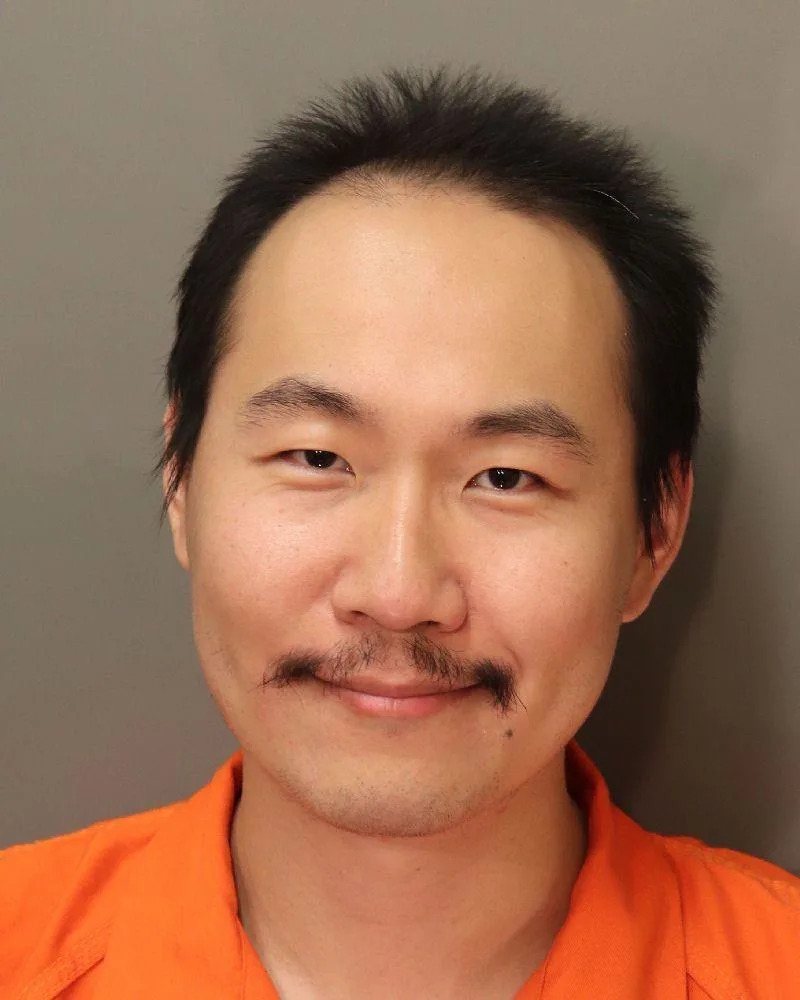
The U.S. Marshals and local police conducted a months-long search. They tracked movements of Pan's parents and monitored large cash withdrawals and travel that raised concerns Pan might be receiving financial help to flee. In May 2021 surveillance located Pan after a phone call traced to a boarding house in Montgomery, Alabama. Marshals arrested him on May 14, 2021; he was found with about $20,000 in cash, multiple devices and several SIM cards.
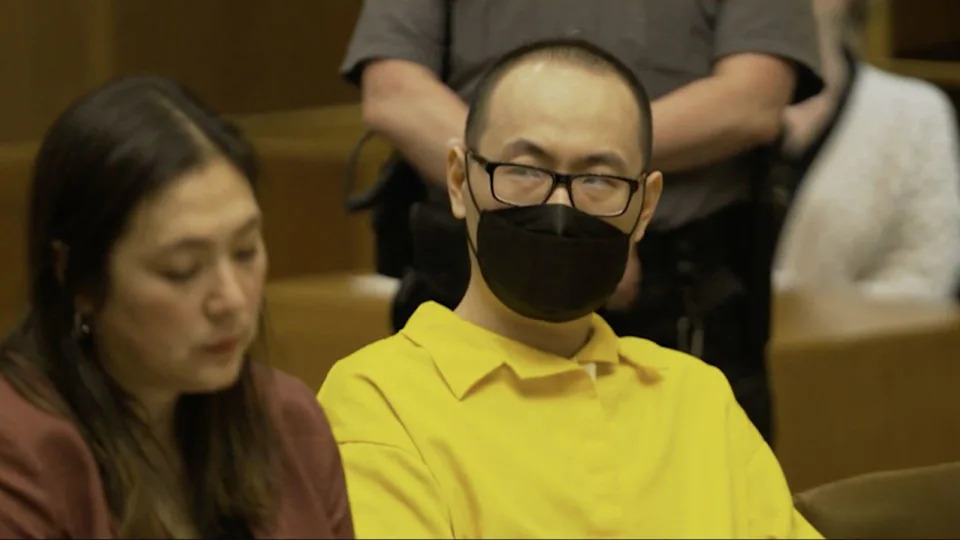
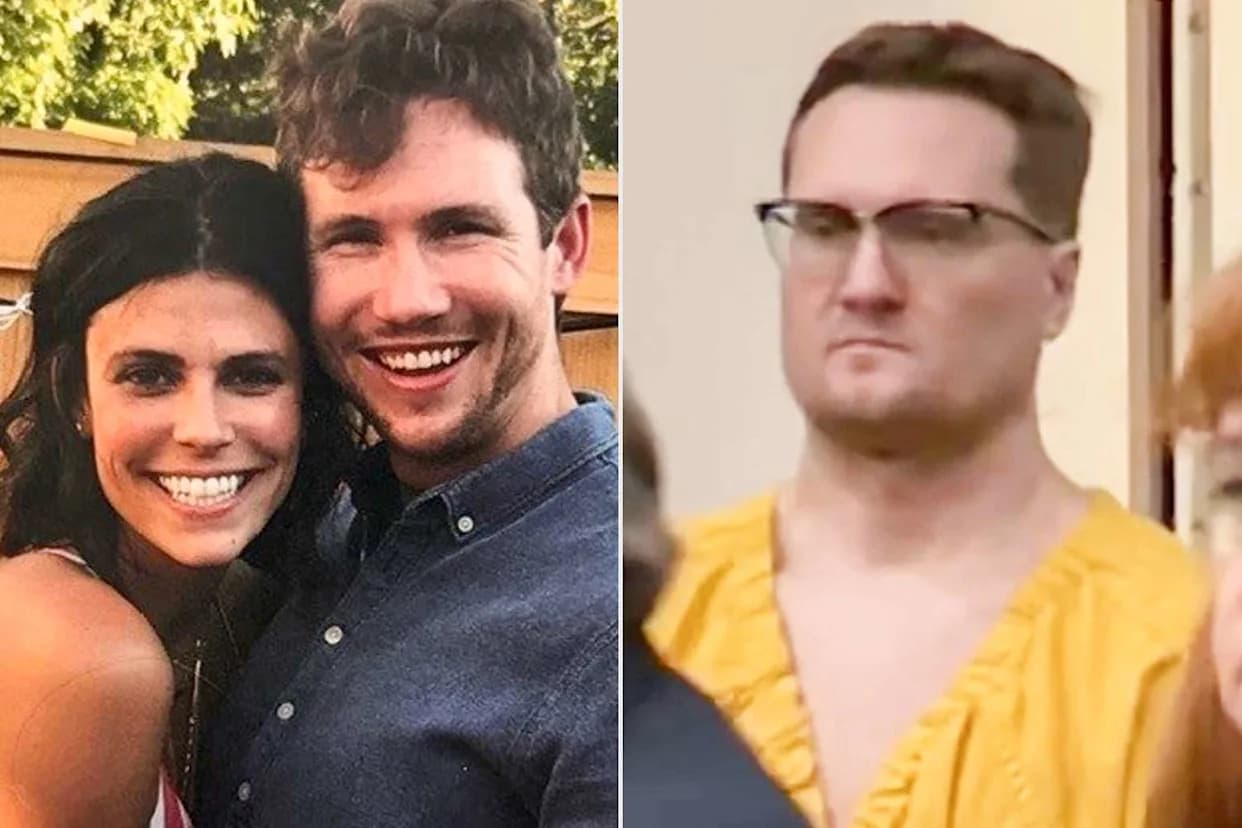
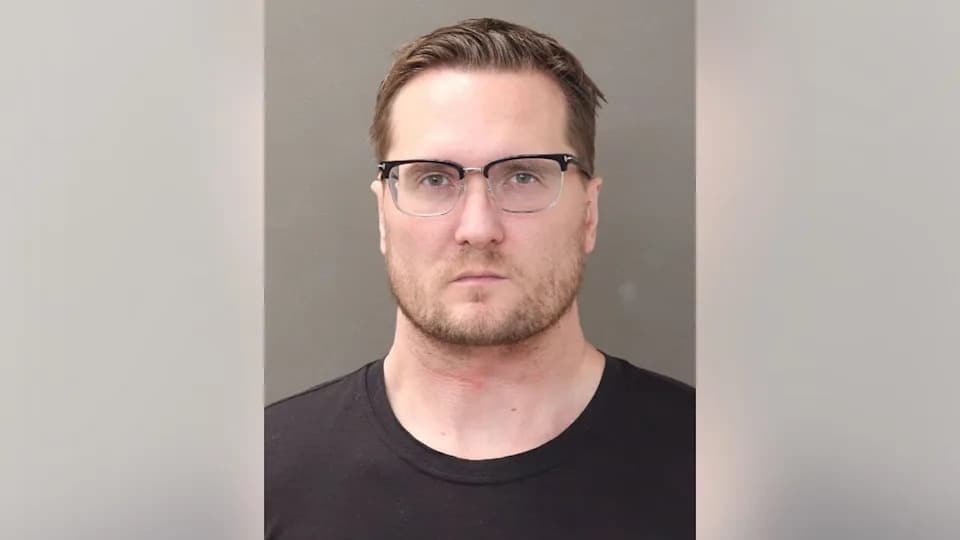
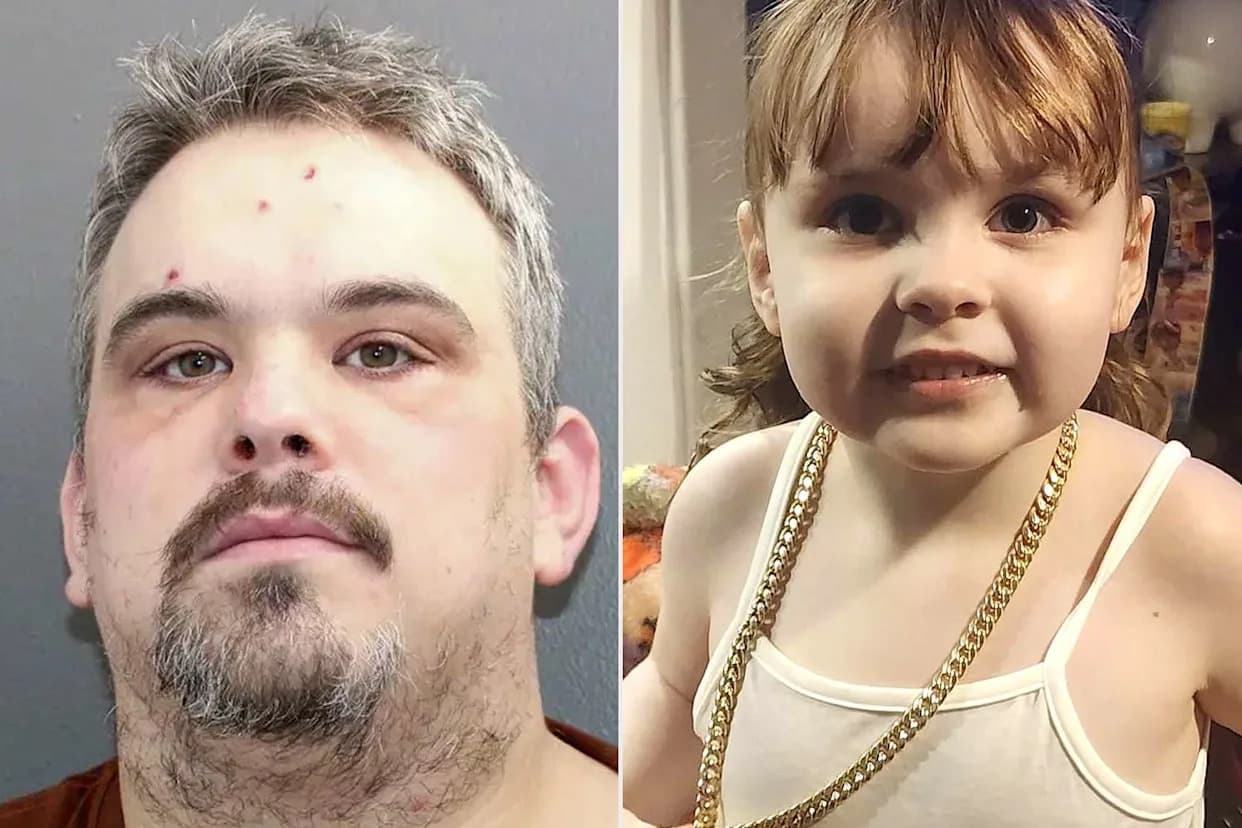
Qinxuan Pan in court at his sentencing. / Credit: CBS News
Plea, Sentencing, and Aftermath
After court proceedings and delays, Qinxuan Pan pleaded guilty to the murder of Kevin Jiang on Feb. 29, 2024. Under a plea agreement he was sentenced on April 23, 2024 to 35 years in prison without parole and is scheduled for release in 2056. Pan's parents were not charged.
At sentencing Jiang's fiancée, Zion Perry, addressed Pan in court and spoke of mercy alongside grief. Jiang was buried with full military honors on Feb. 16, 2021; fellow service members and loved ones remembered him as a devoted partner, a committed volunteer and a genuine friend.
Why This Case Matters
The case underscores how meticulous planning, misuse of rental or dealership vehicles, and digital and forensic evidence can converge in modern investigations. It also highlights investigative patience: careful surveillance, collaboration between local police and federal marshals, and forensic testing proved critical to connecting disparate incidents and securing accountability.
Help us improve.