The article argues that the viral "bait boy" claim that ICE kidnapped a five-year-old is misleading: reporting and ICE statements show the father fled and left the child, who was cared for by officers and never arrested. The author links this episode to a broader pattern of rapid outrage and earlier debunked allegations that were amplified before facts were verified. He warns that "post-truth" dynamics and clickbait outrage dehumanize people and corrode constructive debate on immigration policy.
Clickbait Outrage: The 'Bait Boy' Hoax and the Cost of Rapid Moral Panic
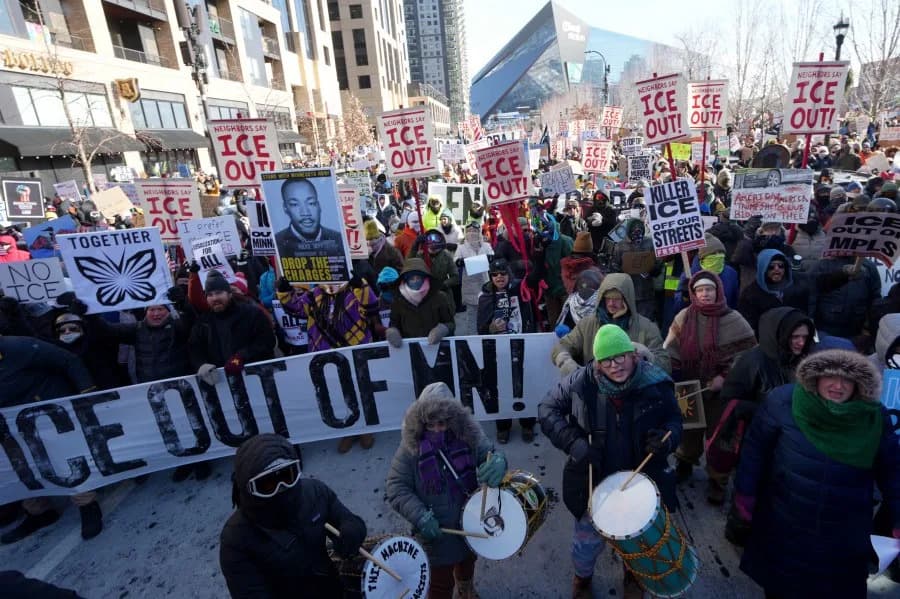
For years a familiar refrain has echoed through partisan commentary: "I am outraged, and you should be too." That cry for immediate moral indignation — recently voiced by former Vice President Kamala Harris and repeated across social platforms — now centers on a viral claim that Immigration and Customs Enforcement (ICE) "kidnapped" a five-year-old child and used him as "bait." A review of reporting and official statements shows that the viral account does not match the facts.
What Happened
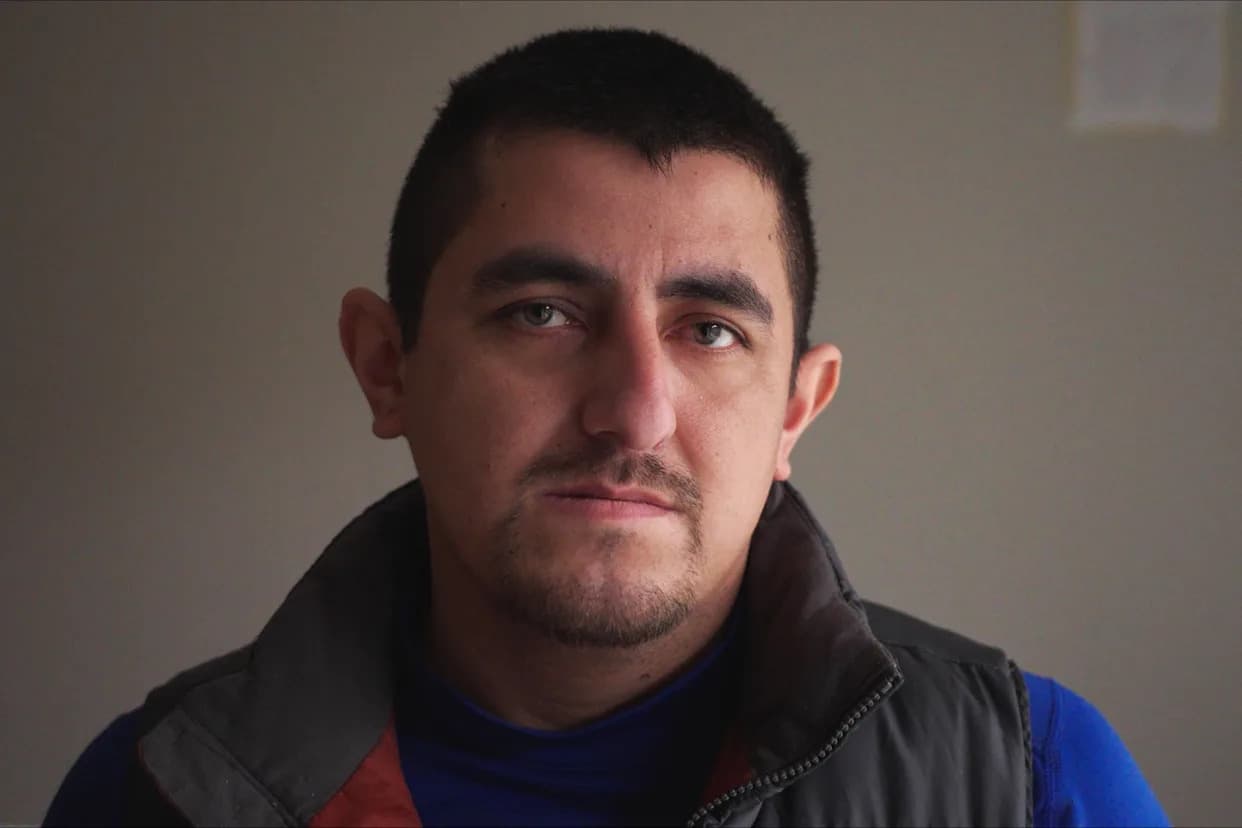
According to ICE statements and media reports, officers were attempting to detain Adrian Alexander Conejo Arias, an undocumented Ecuadorian national, when he fled and left his five-year-old son, Liam Conejo Ramos, behind in public. Officers tried to return the child to his home so a guardian could care for him. When the child's mother refused to answer the door despite assurances she would not be detained, agents took Liam to a nearby McDonald’s, played his favorite music and supervised him until arrangements could be made.
ICE and other reporting indicate the child was never arrested or placed into immigration detention. The father reportedly requested that his son be allowed to stay with him in custody, and ICE agreed to that request. These facts undercut the viral allegation that officers purposely "used" the child as bait to lure the father out.
Why the Story Spread
The episode quickly became emblematic of a recurring pattern: a sensational claim circulates on social media, prominent public figures amplify it, and outrage follows before key facts are verified. Rep. Angie Craig shared a video on X calling the incident "the worst of the damn worst" and suggesting the child had been used to lure his father; other public figures and much of the press treated the claim as settled fact until more complete reporting emerged.
"It is a time where we should all be outraged," said some critics — a sentiment that can be morally powerful but also easily manipulated when assertions are unverified.
Past Examples And The Broader Problem
This episode recalls earlier controversies, such as an alleged Border Patrol "whipping" incident widely circulated years ago that was later shown to have been mischaracterized after video review. In that case, agents were investigated for more than a year and ultimately cleared of the whipping allegation. Those episodes illustrate how quickly narratives can ossify and how slowly corrections sometimes follow.
Post-truth politics and viral outrage can incentivize haste: actors who benefit from dramatic narratives often share claims before they are vetted, and audiences primed for indignation are quick to believe them. The result is not only unfair treatment of individuals accused in the moment, but also the erosion of public trust in media and institutions.
Consequences And A Call For Better Discourse
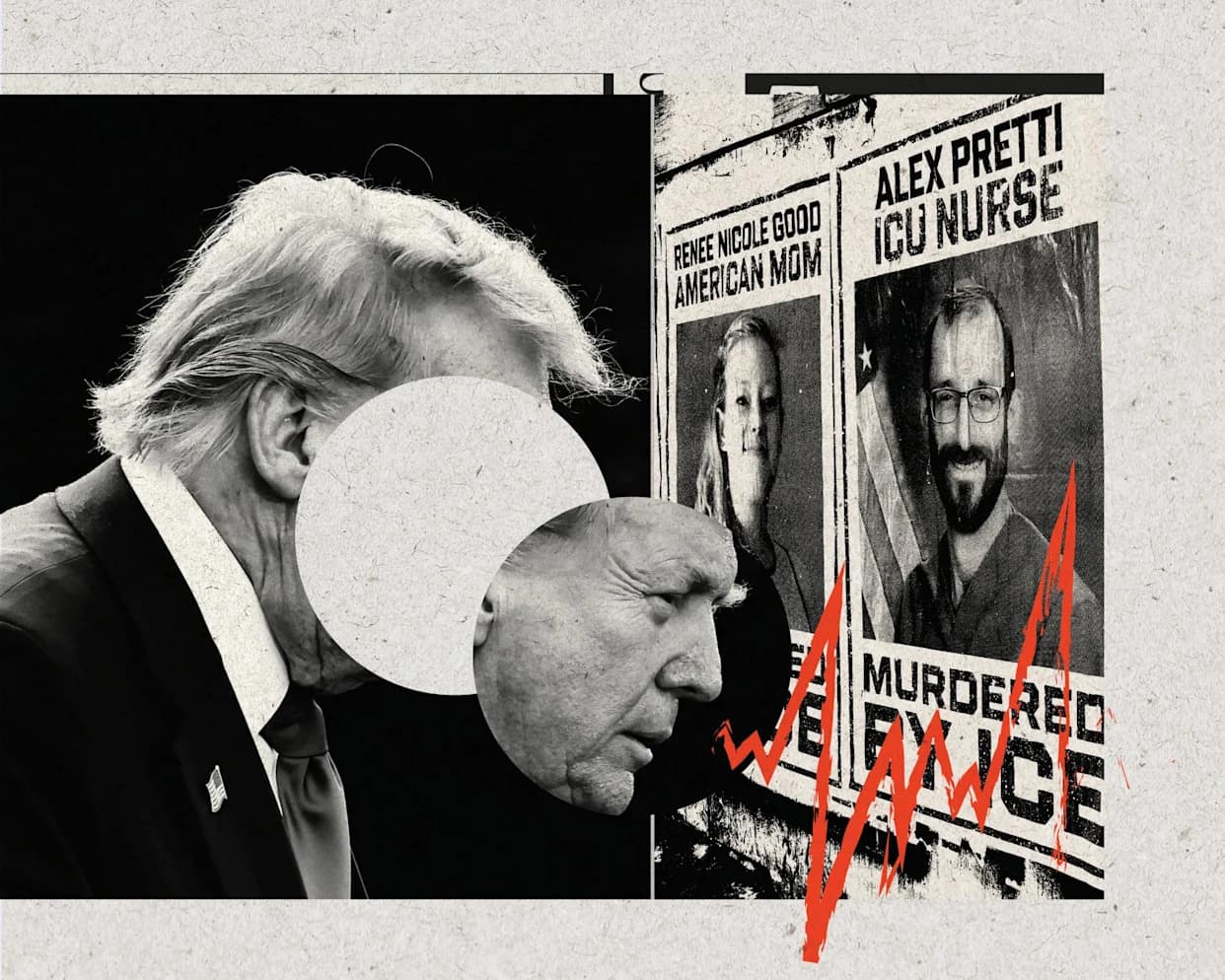
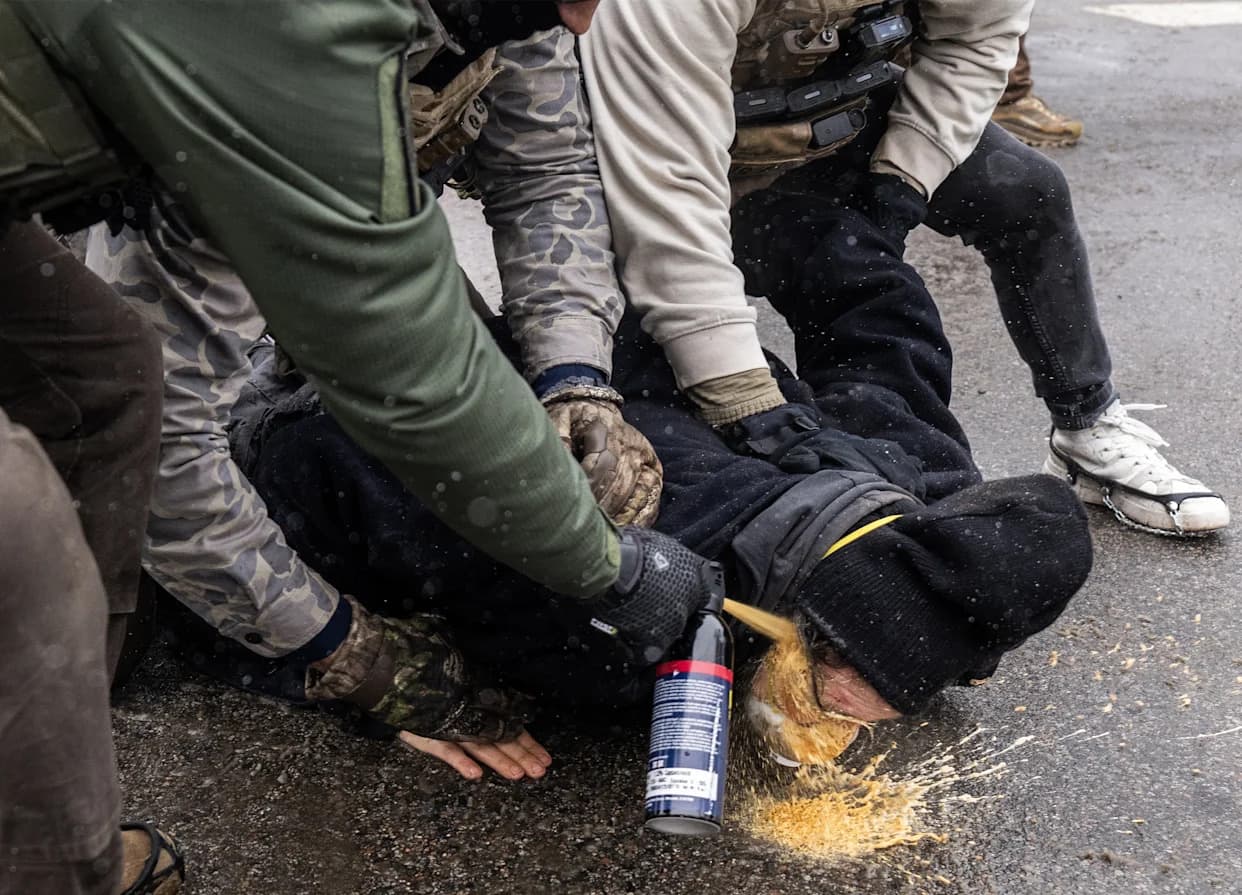
Sensational claims also have human costs. Dehumanizing rhetoric has spread beyond social media into personal attacks. Reported incidents of health-care workers and others targeting individuals they perceived as representing ICE or the administration underscore how heated discourse can become personal and violent, even when based on misunderstanding.
There is room for robust, principled debate about immigration policy and enforcement practices. But that debate is weakened when demonstrably false or incomplete accounts drive public outrage. Responsible reporting, careful verification, and measured public statements are essential if civic debate is to remain productive.
Jonathan Turley is a law professor and the author of the forthcoming book Rage and the Republic: The Unfinished Story of the American Revolution, scheduled for release as part of the 250th-anniversary events surrounding the Declaration of Independence.
Help us improve.