Quick Summary: House Republican leadership, led by Speaker Mike Johnson, declined to call a vote to extend enhanced ACA subsidies, effectively allowing the pandemic-era tax credits to expire at month-end. Centrist GOP members from swing districts sought an amendment to continue funding but balked at a requirement to identify roughly $35 billion a year in offsets. Democrats, led by Hakeem Jeffries, have a discharge petition with 214 signatures to force a vote, but Senate opposition and procedural delays make immediate relief unlikely.
House GOP Refuses Vote To Extend ACA Subsidies — Millions Likely To See Higher Premiums

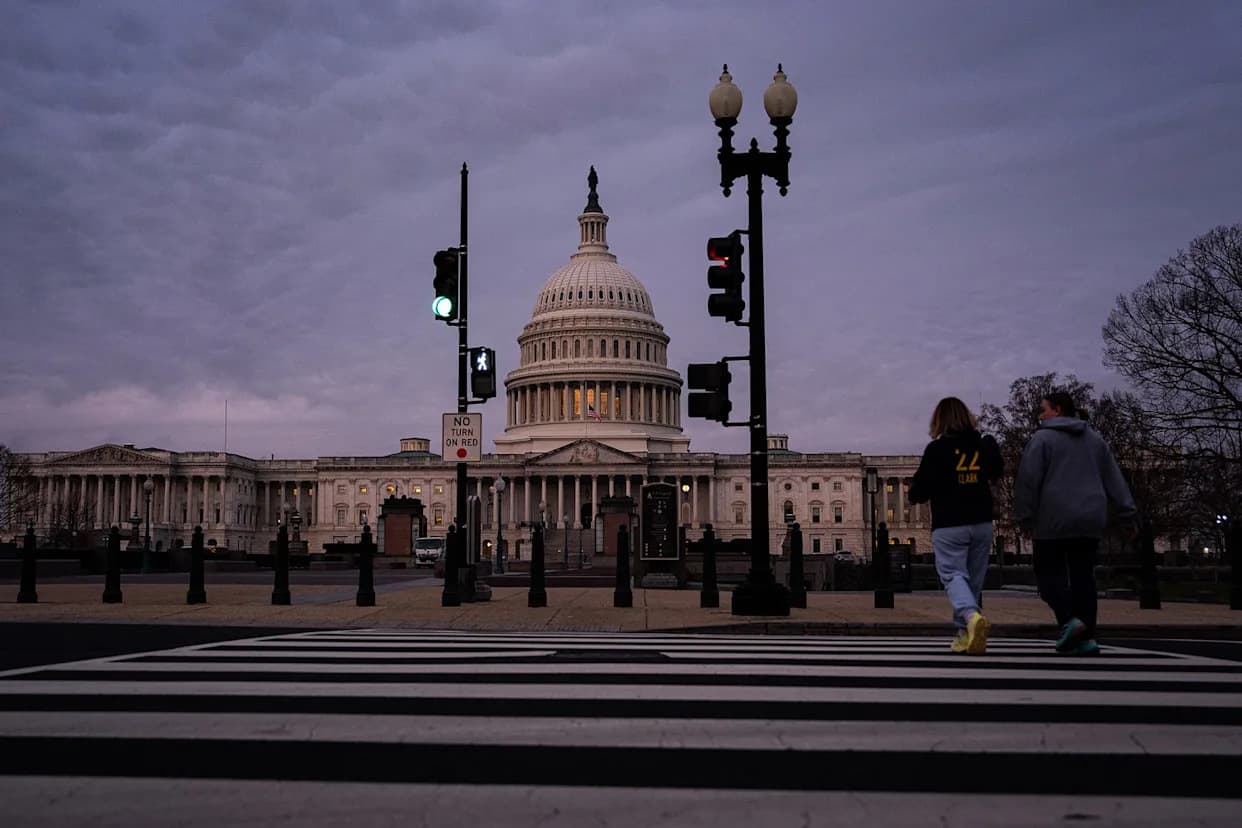
House Speaker Mike Johnson said Republicans could not come to an agreement on a vote to extend the health insurance subsidies. (Al Drago / Bloomberg via Getty Images)
WASHINGTON — House Speaker Mike Johnson announced Tuesday that he will not bring a vote to extend the enhanced Affordable Care Act (ACA) subsidies, a step that all but guarantees the pandemic-era supports will expire at the end of the month. As a result, millions of Americans who obtain coverage through the ACA marketplaces are likely to face higher insurance premiums next year.
Why The Vote Fell Apart
Johnson made the announcement after a closed-door Republican conference meeting, saying GOP leadership could not secure an agreement with centrist Republicans to allow an amendment on ACA funding to be offered as part of a health-care bill scheduled for a House vote Wednesday. Leadership aides had explored several options to bring an amendment to the floor but were unable to produce the unity required.
“There’s about a dozen members in the conference that are in these swing districts who are fighting hard to make sure they reduce costs for all of their constituents. And many of them did want to vote on this Obamacare Covid-era subsidy that Democrats created,” Johnson, R-La., told reporters. “We looked for a way to try to allow for that pressure release valve, and it just was not to be. We worked on it all the way through the weekend, in fact. And in the end there was not an agreement — it wasn’t made.”
Who Wants The Extension
Several centrist Republicans from competitive districts — including Reps. Jen Kiggans (Va.), Brian Fitzpatrick (Pa.) and Mike Lawler (N.Y.) — pushed hard for a vote to continue the enhanced subsidies. Lawler expressed sharp frustration, calling the decision “absurd” and arguing that many ACA beneficiaries live in states that voted for Donald Trump.
“I am pissed for the American people. This is absolute bulls---, and it’s absurd,” Lawler said. “Everybody has a responsibility to serve their district, to serve their constituents.”
Politics And Pay-Fors
Negotiations stalled in part because GOP leaders insisted any extension would require finding offsets to cover an estimated cost of roughly $35 billion per year. That demand rankled some moderates, who said leadership has at times waived pay-for requirements for other priorities. Some Republicans who favor extending the subsidies are considering joining Democrats on a discharge petition to force a straight up-or-down vote on a multi-year extension.
Democrats’ Push And The Senate Hurdle
House Democrats, led by Minority Leader Hakeem Jeffries (D-N.Y.), say they have 214 signatures on a discharge petition that could compel a vote on a clean three-year extension of ACA premium tax credits — and they say they need only a handful of GOP defectors to pass it. Jeffries framed the move as urgent: without action, tens of millions of Americans could face higher costs and reduced access to care.
“There are 214 Democrats who have signed a discharge petition that would force an up-or-down vote on extending the Affordable Care Act tax credits — to make sure that tens of millions of Americans don’t experience increased health insurance premiums that will prevent them from being able to go see a doctor when they need one,” Jeffries said. “All we need are four House Republicans to join us.”
Even if a discharge petition gathered enough signatures to clear the House, procedural steps and Senate opposition mean any substantive relief is unlikely before next year. Republicans hope to adjourn after this week, and several GOP leaders say they expect the Senate to block an extension even if the House passes one.
Outlook
The split among House Republicans highlights the competing pressures facing the GOP — between lawmakers representing safe districts who are comfortable letting the subsidies lapse and moderates in competitive districts who argue their constituents will be harmed by higher premiums. With Congress unlikely to act before the subsidies expire, insurers and consumers will be watching closely as the next steps play out in the House, the Senate and potential floor maneuvers early next year.
This story was originally reported by NBC News.
Help us improve.