An investigatory panel found that last week's eight-hour radio blackout over Greece was linked to outdated telecom systems rather than a cyberattack. Flights were suspended on Jan. 4 after air traffic controllers lost contact with most planes when radio channels failed. The report prompted the resignation of Civil Aviation Authority Governor George Saounatsos and recommended urgent equipment upgrades and a formal crisis-response mechanism with telecom provider OTE. The transport ministry says systems meet EU standards and an upgrade plan runs through 2028.
Investigators Say Outdated Telecoms — Not a Cyberattack — Caused Eight-Hour Greek Airspace Blackout
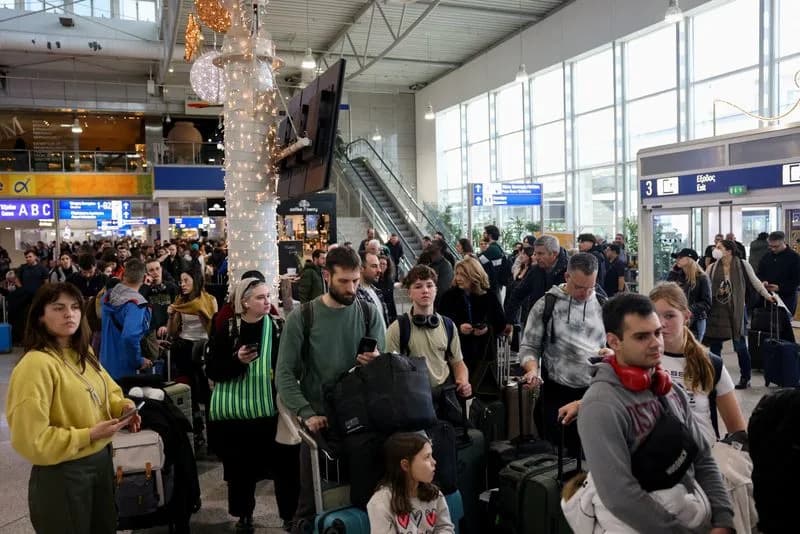
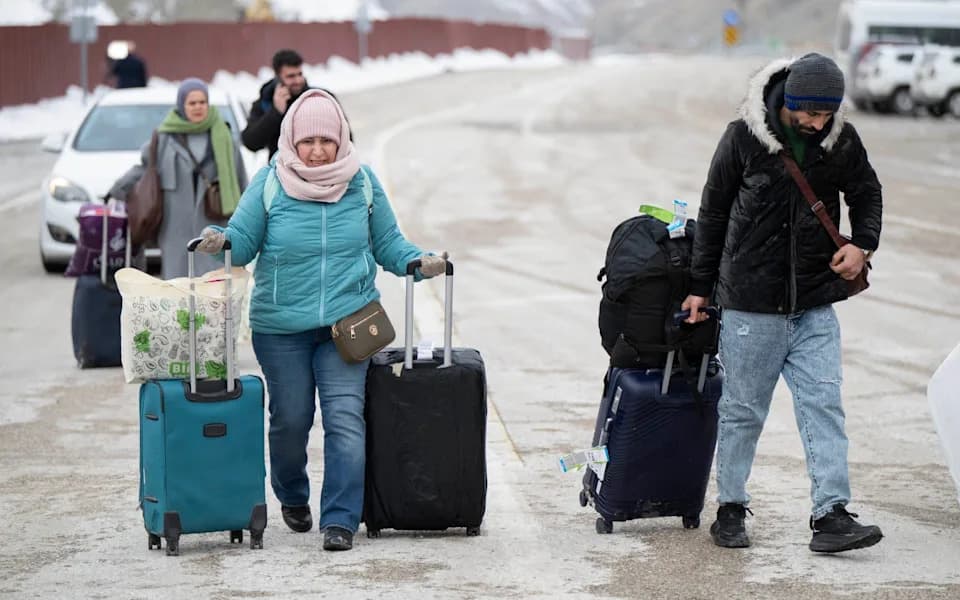
People stand with their luggage, as airports across Greece have suspended arrivals and departures on Sunday, after unspecified issues affecting radio frequencies, at the Eleftherios Venizelos International Airport, in Athens, Greece, January 4, 2026. REUTERS/Louiza Vradi
ATHENS, Jan 14 — An eight-hour radio outage that forced Greece to clear its airspace on Jan. 4 was linked to ageing telecommunications infrastructure rather than a cyberattack, a government-commissioned investigatory panel found. The disruption, which interrupted contact between air traffic controllers and most aircraft, exposed gaps in critical systems in one of Europe's top tourist destinations.
What Happened
On January 4, air traffic controllers lost radio contact with most planes approaching or flying over Greece when multiple radio frequencies were overwhelmed by static. Flights into and over the country were temporarily suspended while authorities worked to restore safe communications. Aviation experts described the episode as unprecedented in Greece.
Key Findings
The five-member investigative committee reported that the precise technical trigger remains unclear, but the outage occurred as several systems fell out of sync and triggered an urgent scramble to re-establish communications between airport towers and aircraft. The panel concluded the incident was linked to obsolete voice-communications systems and supporting telecom infrastructure.
Major concerns noted: Much of the Civil Aviation Authority's telecom infrastructure relies on technology that is no longer supported by manufacturers and therefore lacks operational guarantees. Greek telecom operator OTE had warned the authority since 2019 that new circuits and upgraded equipment were needed, and investigators recommended installing updated transceivers and other hardware.
Official Response and Consequences
The transport ministry said Greece's systems comply with EU standards and highlighted an upgrade program scheduled for completion in 2028. Unions that have long pushed for modernization welcomed the report, saying it 'fully vindicates' their warnings that current systems are unsafe amid a tourism boom that brings millions of visitors to Greece each year.
Following publication of the report, Civil Aviation Authority Governor George Saounatsos resigned; Deputy Governor George Vagenas will serve as acting governor until a permanent appointment is made. The committee described the incident as 'low risk' for flight safety but warned that relying on unsupported infrastructure increases vulnerability to future failures.
Recommendations
The panel urged rapid upgrades to voice-communications systems and supporting telecom circuits, recommended installing manufacturer-supported equipment, and called for a formal crisis-response mechanism between the Civil Aviation Authority and OTE to coordinate prevention and emergency response.
Background
Greece is a major global tourist destination, with peak-season air traffic that places extra strain on aviation and telecom systems. The episode has renewed debate about investment priorities and the speed of infrastructure modernization in Europe’s busiest tourist hubs.
Implication: While no evidence pointed to hostile cyber activity, the outage highlights how ageing infrastructure can produce large-scale disruption and raises urgent questions about maintenance timelines and contingency planning.
Help us improve.