
The path from Nicolás Maduro’s Manhattan arraignment to a U.S. trial is likely to be long and legally intricate. Defense teams are expected to press claims of unlawful capture, invoke head-of-state immunity, and litigate over classified national-security evidence — tactics that can add months or years. Prosecutors allege links to five narco groups and offer detailed allegations that suggest insider witnesses, but witness safety and credibility remain significant hurdles. Political and diplomatic developments could still reshape the case’s trajectory.
How Maduro’s Lawyers Could Stall — Or Scuttle — The U.S. Case Against Him

In this sketch from court, Venezuelan President Nicolas Maduro, left, and his wife, Cilia Flores, second from right, appear in Manhattan federal court with their defense attorneys Mark Donnelly, second from left, and Andres Sanchez on Monday, January 5, 2026, in New York. - Elizabeth Williams/AP
The prosecution of former Venezuelan leader Nicolás Maduro faces a potentially long, politically charged, and legally complex road to trial despite his capture and recent arraignment in Manhattan federal court. Maduro and his wife, Cilia Flores, both pleaded not guilty to charges that include narco-terrorism conspiracy, conspiracy to import cocaine, possession of machine guns and destructive devices, and related weapons conspiracies. The next court date is set for March in Manhattan.
Likely Defense Strategies
1. Challenge The Lawfulness Of The Capture
Maduro has publicly said he was "kidnapped" by U.S. forces. His defense team is likely to argue that his transfer to U.S. custody was unlawful — a claim that could raise jurisdictional questions and delay proceedings while courts sort out factual and legal disputes.
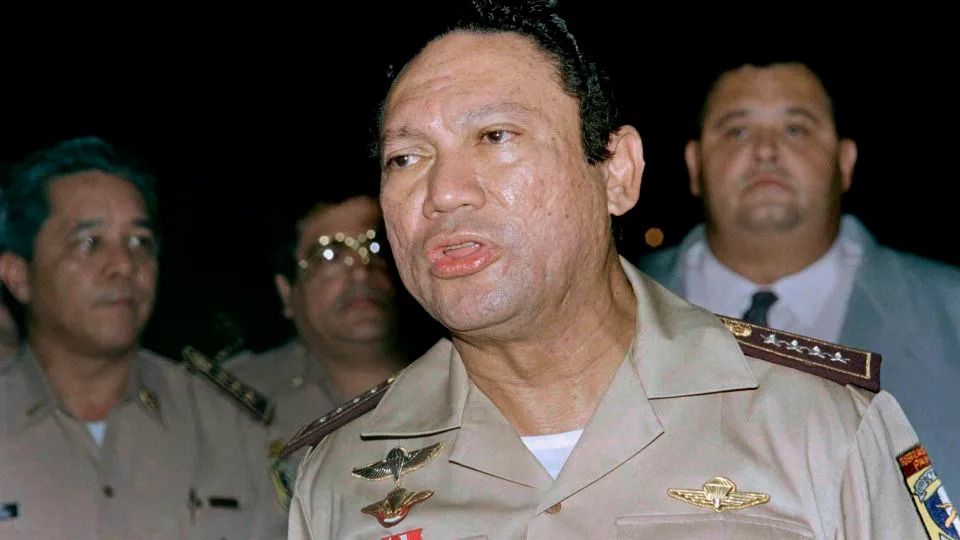
General Manuel Antonio Noriega speaking to the press in Panama. A Paris court has convicted former Panamanian dictator Manuel Noriega for laundering drug money in France in the 1980s and ordered him to spend seven years in prison, Wednesday July 7, 2010. - AP
2. Head-Of-State Immunity Claims
Maduro may assert that he enjoyed immunity as Venezuela’s president. Courts typically look to diplomatic recognition (the State Department’s position) and precedent when deciding such claims. The U.S. has considered Maduro illegitimate since 2024 and recognized the opposition’s leader as president-elect, but the ultimate legal determination could reach higher federal courts.
3. Disputes Over Classified Evidence (And “Graymail”)
Because the indictment touches national security and international operations, the government may seek to use classified materials. The classified-information procedures a court applies can add substantial time; defendants sometimes press for disclosure of sensitive material in hopes of forcing the government to abandon prosecution — a tactic known as "graymail."
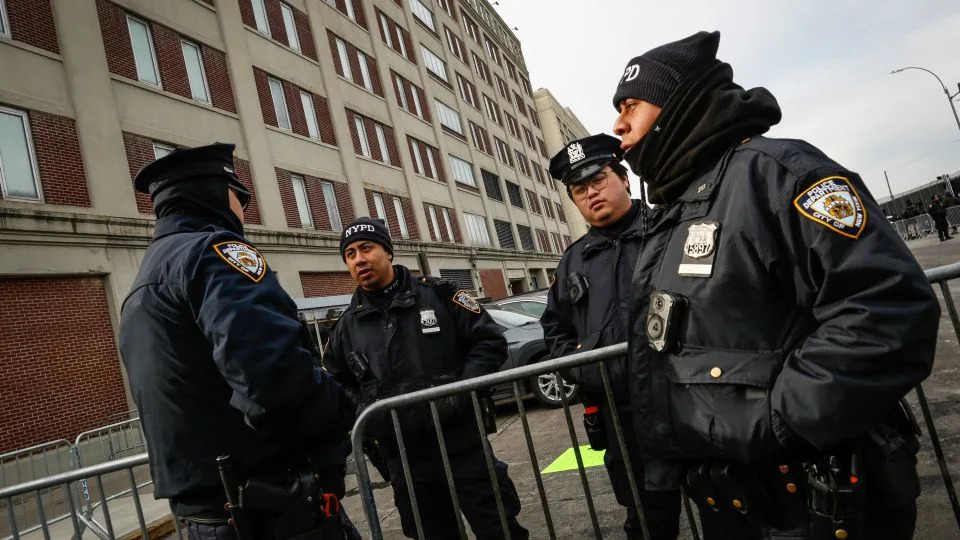
New York City Police Department (NYPD) officers stand guard outside the Metropolitan Detention Center in the Brooklyn borough of New York City, where ousted Venezuelan president Nicolas Maduro is being held on January 5, 2026. - Kena Betancur/AFP/Getty Images
Evidence, Witnesses, And Practical Challenges
Prosecutors included detailed "vignettes" in the indictment that suggest they have information from insiders close to Maduro. The filing ties Maduro to five foreign groups allegedly involved in moving cocaine through a transnational supply chain: FARC and ELN (Colombian producers), the Sinaloa Cartel and the Zetas (Mexican routes), and Tren de Aragua (Venezuelan transport). One episode alleges Maduro criticized a shipment of more than a ton of cocaine seized in Paris in 2013.
Still, drug-conspiracy prosecutions often rely on cooperating witnesses who are themselves implicated in criminal networks. That raises two major problems: witness safety (historical cases show threats and killings of prospective witnesses) and credibility — juries must often weigh testimony from insiders with serious criminal backgrounds.
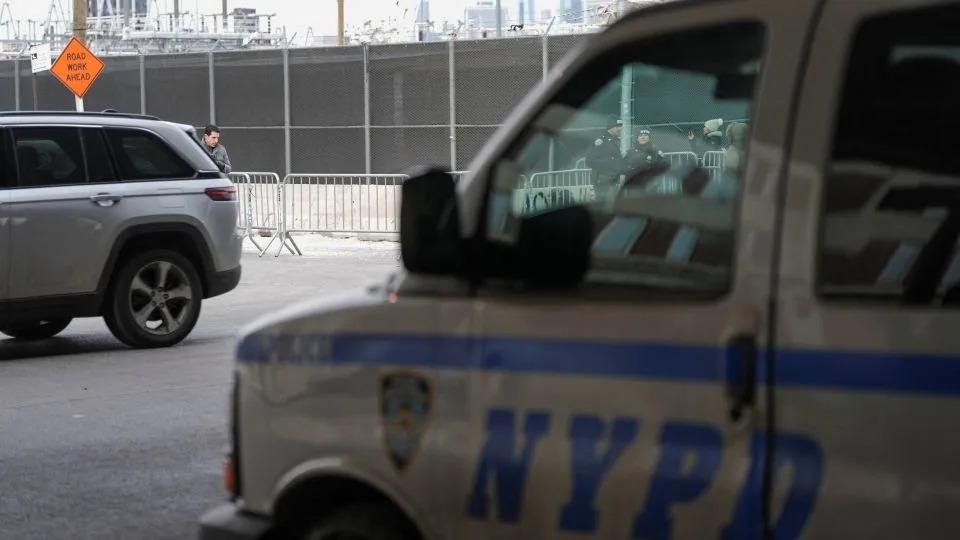
Police officers are pictured through a car window as they work outside the Metropolitan Detention Center in Brooklyn (MDC Brooklyn), where Captured Venezuelan President Nicolas Maduro is held after an initial court appearance to face U.S. federal charges including narco-terrorism, conspiracy, drug trafficking, money laundering and others in New York City, on January 5, 2026. - Angelina Katsanis/Reuters
Historical Parallels And Prosecutorial Intent
There are notable parallels to the Manuel Noriega prosecution, in which Noriega’s immunity claims failed and he was convicted of drug-related charges in the early 1990s. Prosecutors who pursue foreign leaders have often prepared for protracted litigation; many say the decision to indict usually reflects confidence in the underlying case.
Will This Go To Trial Or End In A Deal?
Most federal cases end in plea deals, but the political and evidentiary stakes here — plus the fact that a captured leader may have little to lose — make a trial likely, according to some former prosecutors. That said, geopolitics can change outcomes: diplomatic negotiations or shifting administrations could produce a settlement or other resolution at any stage.
What To Watch Next
- Pretrial litigation over the lawfulness of Maduro’s capture and head-of-state immunity claims.
- Classified-material disputes and potential delays from the court’s handling of national-security evidence.
- Whether cooperating witnesses are produced and whether their safety can be assured.
- Any diplomatic developments involving Venezuela that might alter prosecutorial or political calculus.
Defense Counsel: Barry Pollack, a national-security and white-collar defense specialist who has handled politically sensitive clients, represents Maduro and has declined public comment. Prosecutors in the Southern District of New York have previously targeted officials and associates linked to Maduro, including relatives of Cilia Flores.
"Not that he won’t negotiate, but he will push some of the buttons first." — Dick Gregorie, former federal prosecutor on Noriega
Potential Penalties: The charges carry severe exposure, including potential life terms for some conspiracy counts and decades for weapons offenses, though outcomes will depend on what evidence is admitted and what witnesses testify at trial.
Help us improve.


