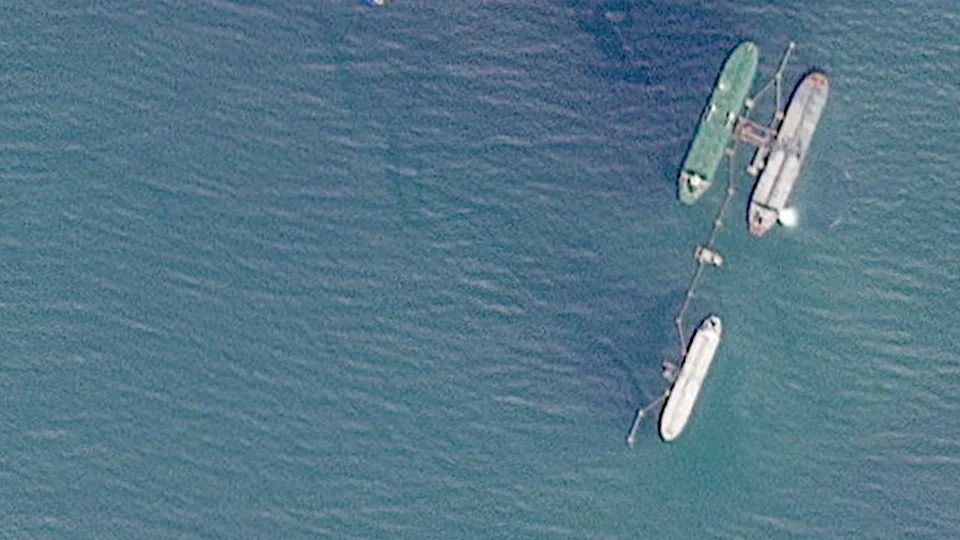
A network of roughly 1,000 ageing tankers—often called a "dark fleet"—that allegedly moves sanctioned crude from Iran, Venezuela and Russia has become a coordinated focus for U.S. and Ukrainian action, a senior maritime intelligence analyst says. Authorities warn the fleet poses geopolitical, legal and environmental risks, including the potential for a major oil spill.
What Officials Say
Michelle Wiese Bockmann, a maritime intelligence analyst, described the group as a lifeline for sanctioned regimes that rely on covert oil shipments for revenue. She estimated about 350–400 vessels at any time engage in false flagging and other deceptive practices that render them effectively stateless and uninsured.
White House press secretary Karoline Leavitt was questioned about the U.S. seizing an oil tanker off the coast of Venezuela.
"There are about 1,000 vessels worldwide that are trading sanctioned crude... They’re used for shipping oil to fund the war in Ukraine, and also give money to the illicit Maduro regime," Bockmann told Fox News Digital.
Methods and Risks
Analysts say many of these tankers are elderly, poorly maintained and use tactics such as falsifying registration, spoofing or manipulating Automatic Identification System (AIS) signals, and flying flags of convenience or fraudulent registries. Those practices can leave vessels without valid certificates of seaworthiness or insurance, increasing safety and environmental hazards and exposing crew members to danger.
Bockmann warned the combination of aging hulls and uninsured cargoes could produce "a billion-dollar oil spill catastrophe waiting to happen," highlighting the navigational, environmental and humanitarian risks posed by the fleet.
Footage of the Dashan tanker, purportedly part of the Russian shadow fleet hit by Ukraine.
Enforcement Actions
The United States has used legal mechanisms, including Article 110 of the United Nations Convention on the Law of the Sea (UNCLOS), which permits boarding stateless vessels, to interdict ships believed to be operating outside lawful registration. In the Caribbean, U.S. forces recently seized the tanker Skipper, sanctioned in 2022 and found to be masking its location; authorities reported it was carrying about 1.8 million barrels of crude without valid insurance.
Separately, Ukraine has carried out sea-drone strikes in the Black Sea against tankers it alleges are part of Russia’s "shadow fleet." Reported targets include the tanker Dashan and others described as being in ballast (not carrying oil) at the time of attack—actions characterized by analysts as an escalation aimed at disrupting revenue flows while trying to limit immediate spill risk.
Dashan, a tanker from Russia's shadow fleet, transits the Bosphorus en route to the Black Sea in Istanbul.
Legal and Safety Implications
Officials say the tactic of false registration can make a vessel effectively stateless and therefore subject to boarding under UNCLOS. At the same time, interdictions and strikes carry legal and diplomatic risks and raise concerns about escalation and unintended environmental consequences.
As U.S. seizures and Ukrainian strikes continue, governments and maritime authorities face a complex challenge: stopping illicit oil flows while minimizing the risk of environmental disaster and protecting the safety and rights of seafarers.
Sources: Statements from maritime intelligence analysts and reporting from Fox News Digital and Reuters.