
The 74's 2025 Jealousy List curates 19 standout education stories from national and local outlets. Highlights include a ProPublica/Chalkbeat analysis showing three in 10 Chicago school buildings are half-empty with per-student costs up to $93,000; Baltimore reporting that up to 25,000 students face long, unsafe commutes; and a New York Times Magazine investigation into a teen's fatal relationship with an AI chatbot that prompted policy debate. The selections showcase investigative reporting, data storytelling, immersive photography, and features that connect local education issues to national trends.
The Jealousy List 2025: 19 Must-Read Education Stories That Stopped Us In Our Tracks

News moved at breakneck speed in 2025. The 74's annual "Jealousy List" spotlights 19 of the year’s most memorable, deeply reported pieces about schools, students, teachers and education policy from national and local newsrooms. Below we synthesize each selection, highlight why it mattered, and encourage readers to dive into the original work.
Top 19 Education Stories of 2025
Mila Koumpilova (Chalkbeat) & Jennifer Smith Richards (ProPublica): A data-rich investigation found that roughly three in 10 Chicago Public School buildings are only half full, with some campuses producing per-student costs as high as $93,000. The reporting traces the city’s history of school closures and shows how tiny enrollments can both foster tight communities and deprive students of programs and resources.
Chabeli Carrazana (The 19th): A profile of Nicolle Orozco Forero, an immigrant child care provider detained by ICE, illuminates the ripple effects of deportation on families and on access to specialized care for children with disabilities, underscoring how immigration enforcement can deepen child care shortages.
Dina Gachman; Visuals by Eli Durst (The New York Times): In Austin, the Southwest Austin Cotillion uses no-electronics etiquette classes to teach tweens manners, confidence and social skills. Elegant black-and-white photography and spare text create an immersive, nostalgic-feeling digital feature.
Nicole Grundmeier (Iowa Public Radio): An examination of the four-day school week trend finds mixed results: some students benefit from extra time for appointments and mental health supports, while other families lose crucial access to child care and school food programs. The piece balances data and human stories to show the trade-offs districts face.
Liz Bowie & Greg Morton (The Baltimore Banner): Investigative reporting mapped student commutes and MTA buses to reveal that up to 25,000 Baltimore middle and high schoolers face long, unpredictable and sometimes dangerous trips that often make them miss first period. The project combined modeling, live-bus tracking and interactive graphics to document a systemic safety and access problem.
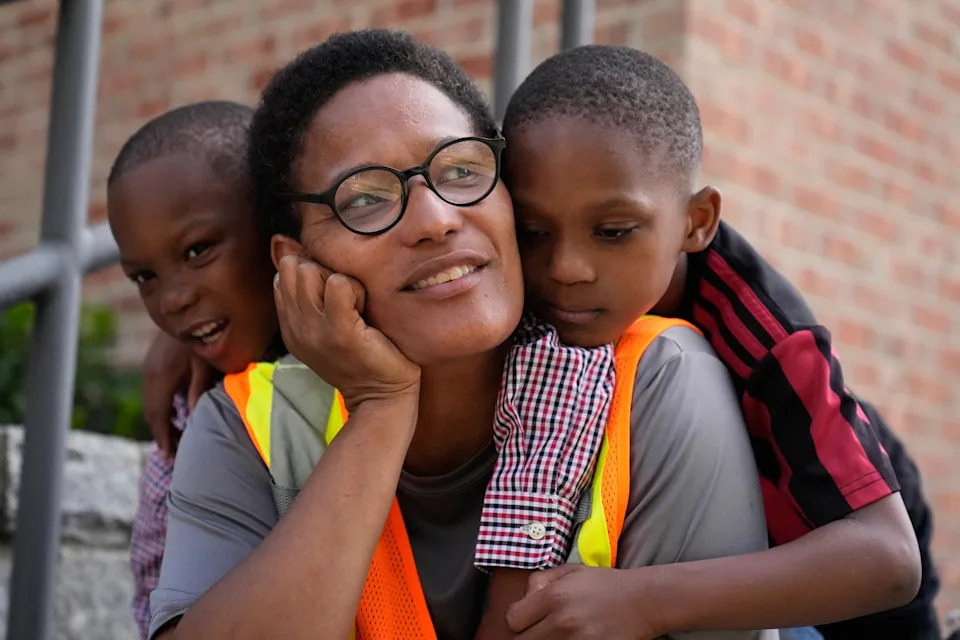
Bianca Vázquez Toness (Associated Press): A tightly reported portrait of an Atlanta mother navigating housing instability and school district boundaries highlights how eviction and housing insecurity disrupt children’s schooling and deepen educational inequality.
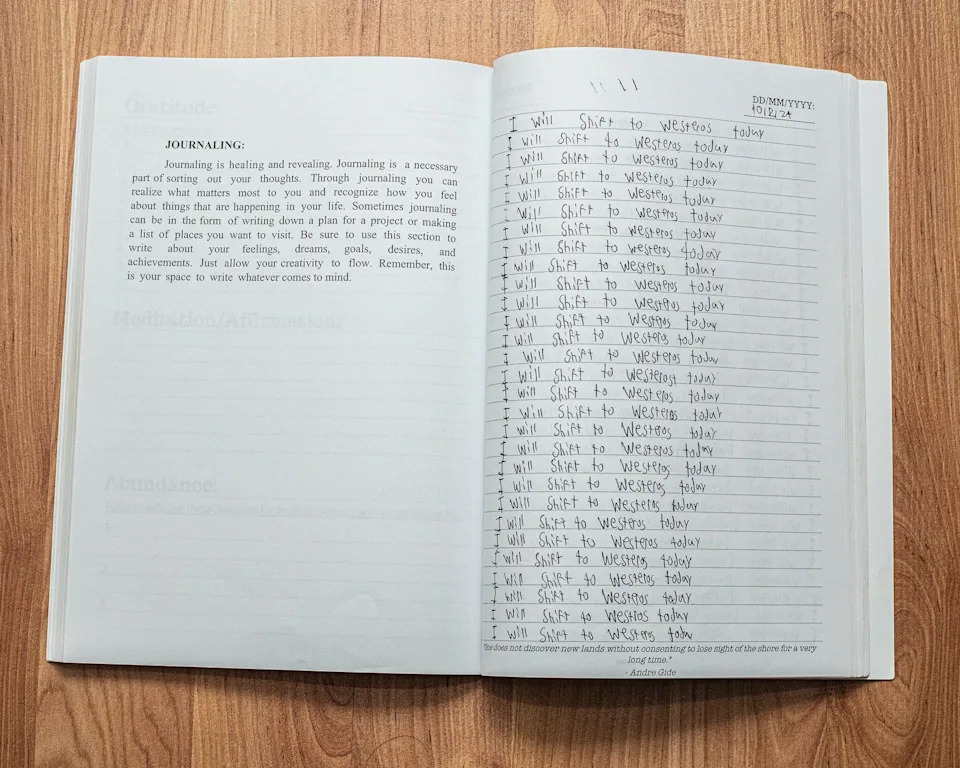
Jesse Barron (The New York Times Magazine): A harrowing account of a teen who formed an intense, sexualized relationship with a Character.AI chatbot. With access to the teen's conversations, the piece sparked national debate on AI safety, contributed to legal action, and preceded new platform age restrictions.
Alvin Chang (The Pudding): "This Is a Teenager," an interactive project that turns National Longitudinal Surveys data into a living timeline, follows adolescents into their late 30s. The compelling visuals and explainer video make decades of evidence about opportunity, trauma and outcomes both accessible and personal.
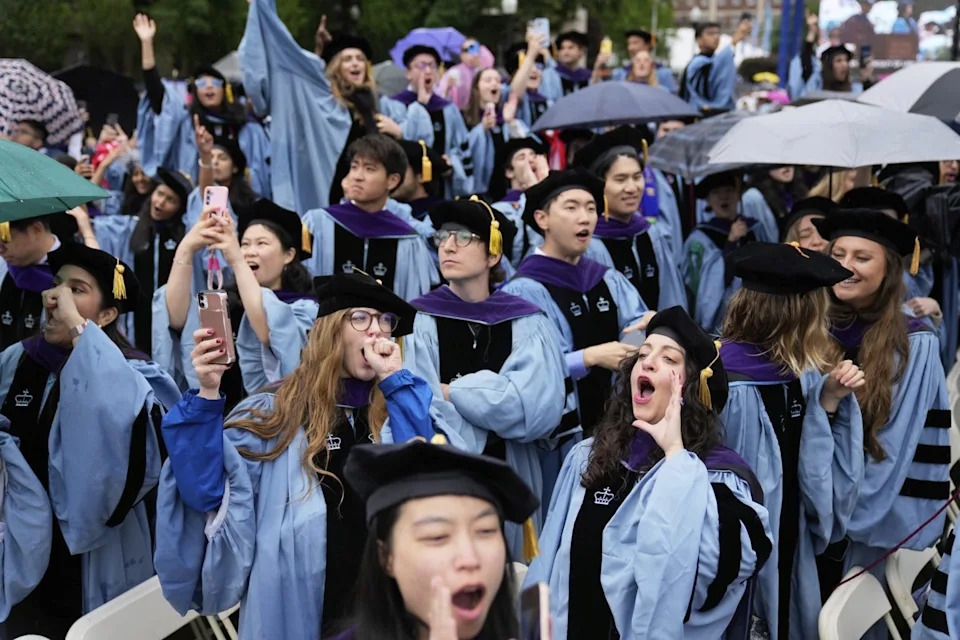
Jon Marcus (The Hechinger Report): Analysis of college admissions data finds an ironic consequence of proposals to ban DEI policies: certain men — including many white men — could lose admission advantages that institutions have historically extended, potentially reshaping class composition in unintended ways.
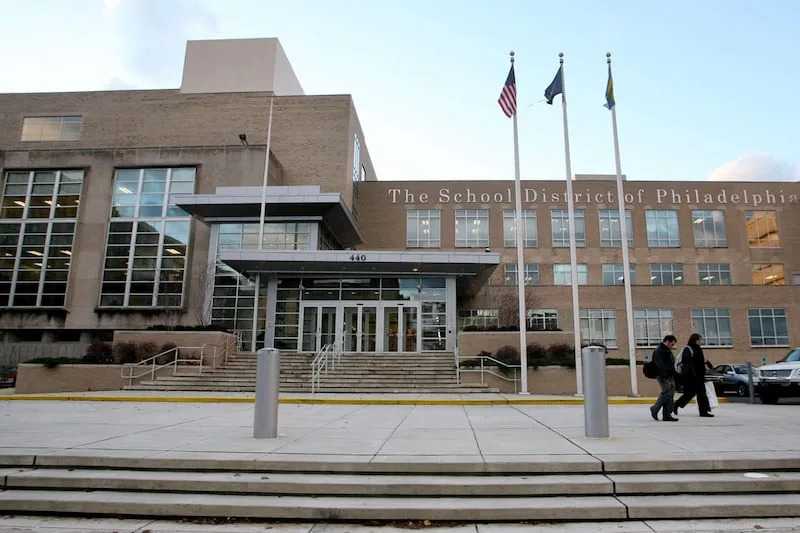
Kristen A. Graham (The Philadelphia Inquirer): A feature on Philadelphia's version of the "rubber room" — reassignment centers where educators wait for adjudication — offers vivid detail about the tedium, inequities and long-standing problems in how teacher complaints and discipline are handled.
Maya Brown (NBCU Academy): A multimedia profile of Barbershop Books shows how barbers across 60 cities are trained as literacy mentors, turning culturally familiar spaces into effective sites for boosting reading engagement among Black boys.
Megan O’Matz & Jennifer Smith Richards (ProPublica): A deep dive into speeches, videos and writings by Department of Education appointees uncovers a recurring theme: many leaders express a desire to enable families to leave public schools, revealing long-running forces pushing privatization and union-busting agendas.
Steven Yoder (The Hechinger Report): An evaluation of Minnesota’s 2006 policy that required Algebra I in eighth grade shows only modest gains in calculus enrollment and suggests the policy may have failed to produce the intended state-level gains, arguing for more nuanced placement decisions.
Casey Parks (The Washington Post): A vivid, character-driven feature about Vermillion, South Dakota’s only bookstore and a family forced to relocate after statewide bathroom legislation captures small-town dynamics, community solidarity and how local culture can be threatened by broader politics.
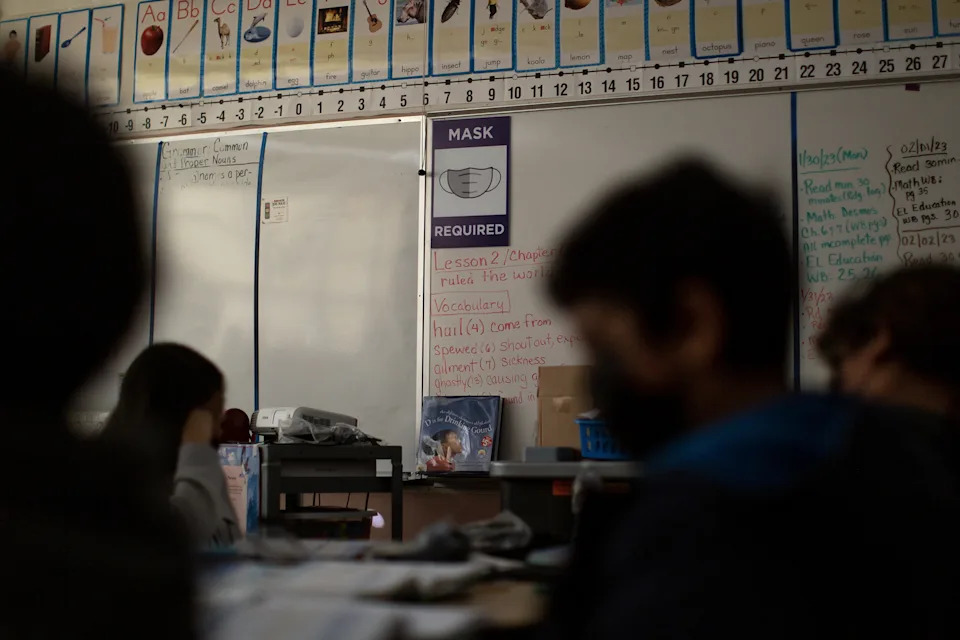
Carolyn Jones (CalMatters): Reporting on California’s 2020 "look-back" window for childhood sexual abuse lawsuits balances survivors’ need for justice with the unintended fiscal consequences for school districts, raising complex questions about accountability and protecting current students' resources.
Melissa Ann Pinney (NPR): "Becoming Themselves," a seven-year photographic series in Chicago schools, captures striking, intimate portraits of children and teens. The images, paired with insight from the photographer, create a powerful visual record of youth experience and identity formation.
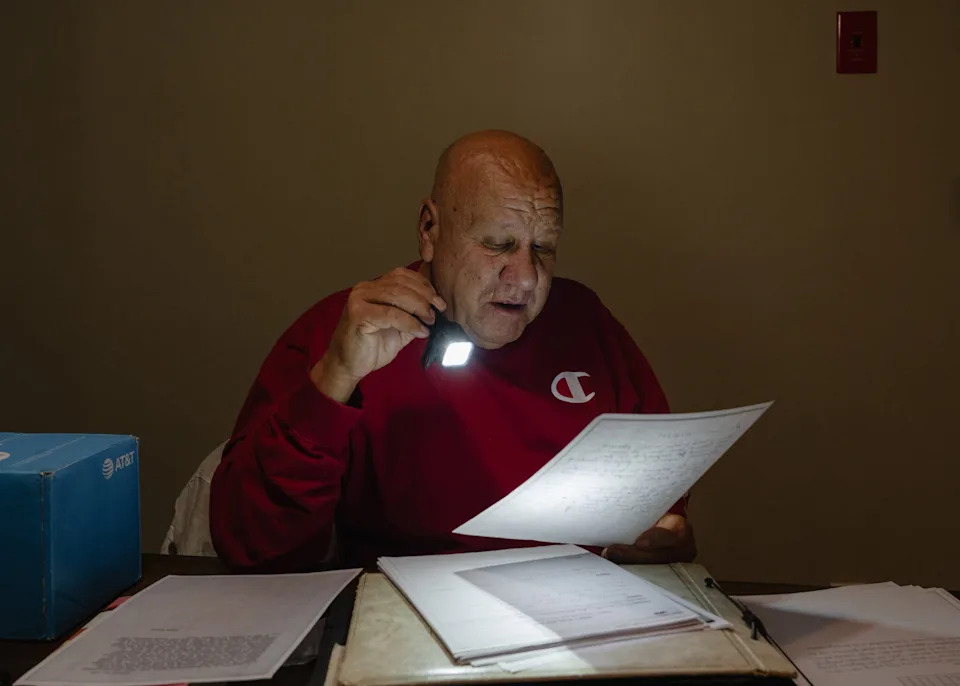
Sonia A. Rao (The New York Times): On the 50th anniversary of IDEA, a deeply reported piece reconstructs the life of John Scott, a boy with spina bifida who died at the Walter E. Fernald State School, revealing decades of institutional mistreatment and thousands of unmarked graves across Massachusetts.
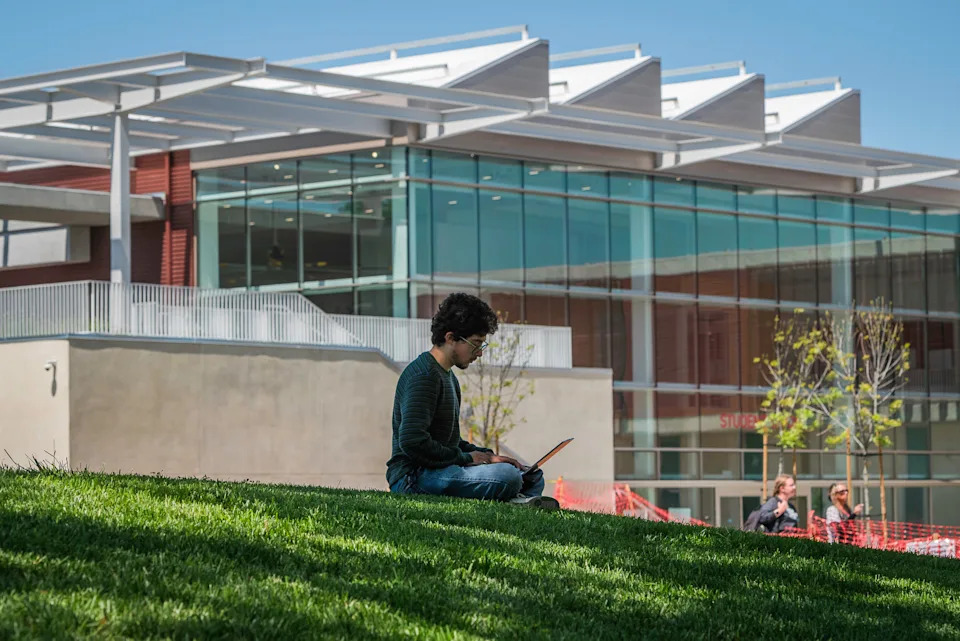
Jakob McWhinney (Voice of San Diego): An investigative exposé documents fraudsters creating "bot students" to enroll in online community college courses and siphon financial aid. In some California districts, as many as one in four applicants were flagged as suspected bots, prompting new identity-verification policies.
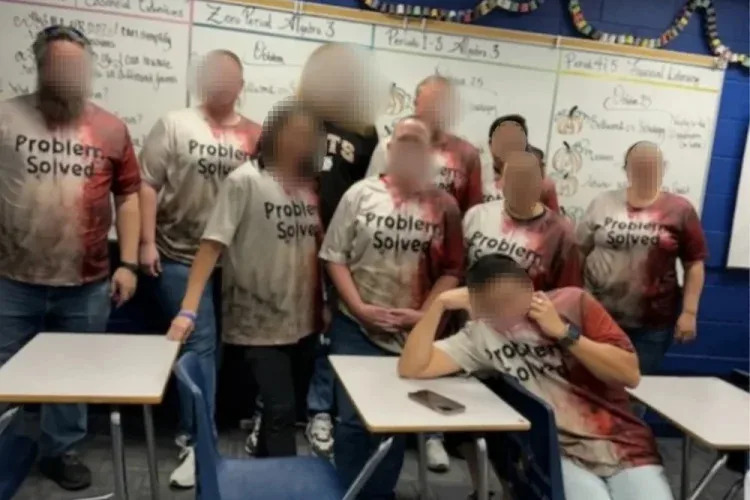
Tyler Kingkade (NBC News): Coverage of an Arizona school district shows how disinformation campaigns and online vitriol can endanger educators and students: a false narrative amplified by influencers and politicians led to threats and a campus safety crisis.
The 74's Jealousy List offers a cross-section of 2025's best education journalism: investigative data work, humane narrative features, multimedia storytelling, and reporting that connects local struggles to national policy debates. We encourage readers to explore the original pieces for fuller context and to share these standout stories with colleagues and communities.
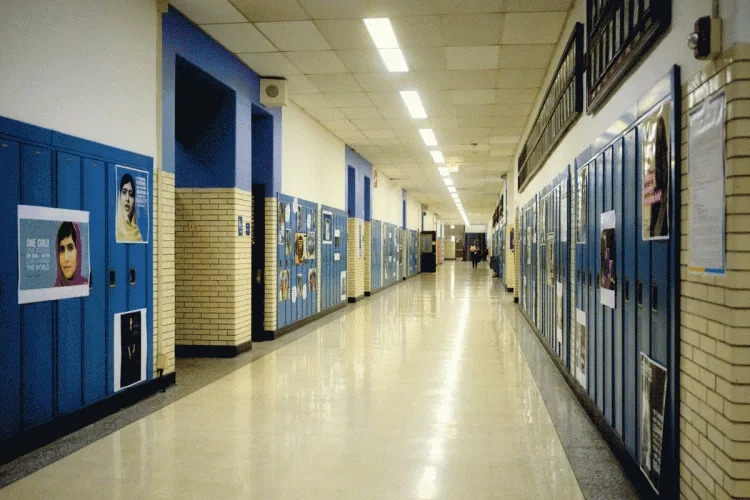
(Akilah Townsend for ProPublica)

Selected by Staff WriterLauren Wagner

(Courtesy Stephanie Wishon/The 19th)
Selected by Senior EditorMarisa Busch
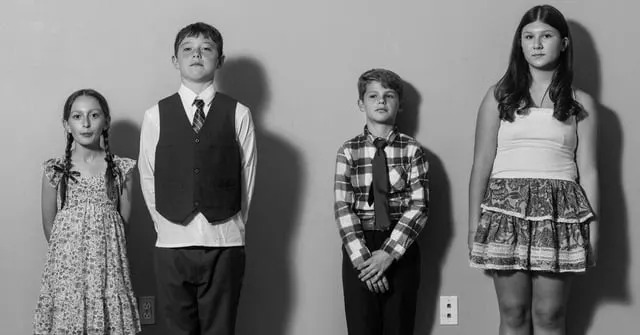
(Eli Durst)

Selected by T74 Art & Technology DirectorEamonn Fitzmaurice

(Lucius Pham/Iowa Public Radio)

Selected by Senior WriterLinda Jacobson
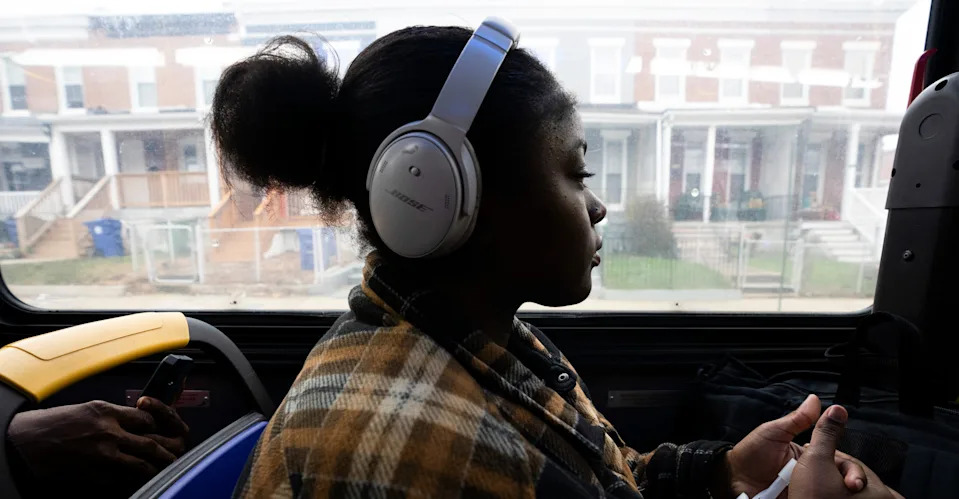
(Kaitlin Newman/The Baltimore Banner)

Selected by Executive EditorBev Weintraub
(AP Photo/Brynn Anderson)

Selected by Staff ReporterJessika Harkay
(Naila Ruechel for The New York Times)

Selected by Executive EditorKathy Moore

(The Pudding)

Selected by T74 Senior ProducerMeghan Gallagher
(Seth Wenig/AP)

Selected by Senior WriterGreg Toppo
(Jessica Griffin/The Philadelphia Inquirer)

Selected by Senior WriterKevin Mahnken
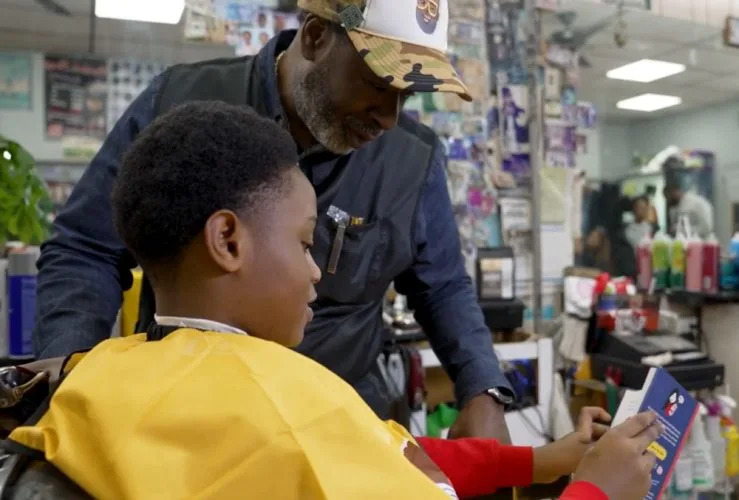
(NBCU Academy/YouTube)

Selected by Digital ProducerTrinity Alicia

(Win McNamee/Getty)

Selected by Senior ReporterJo Napolitano
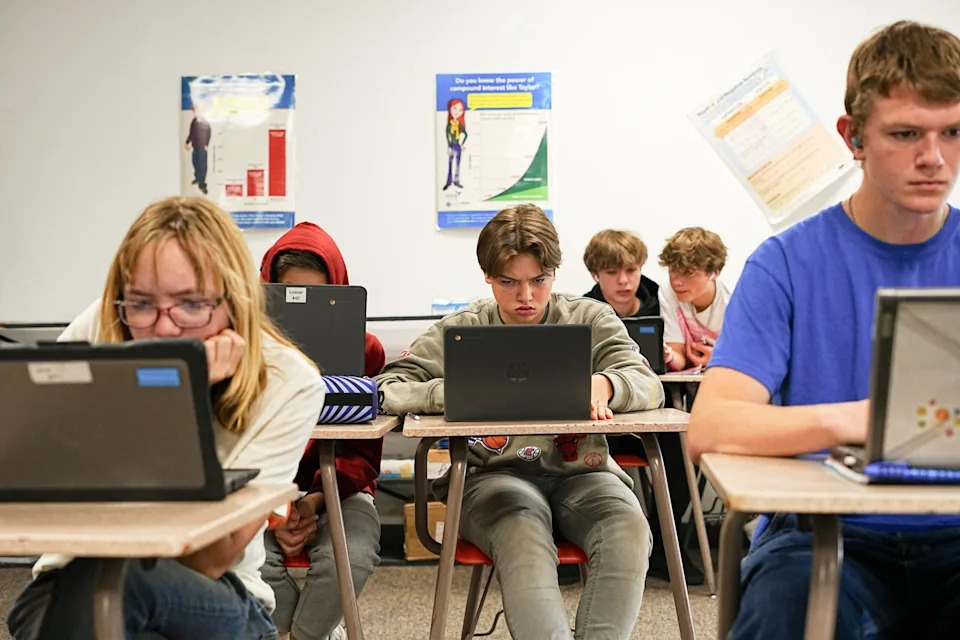
(Patience Zalanga for The Hechinger Report)
Selected by Contributing EditorPhyllis Jordan
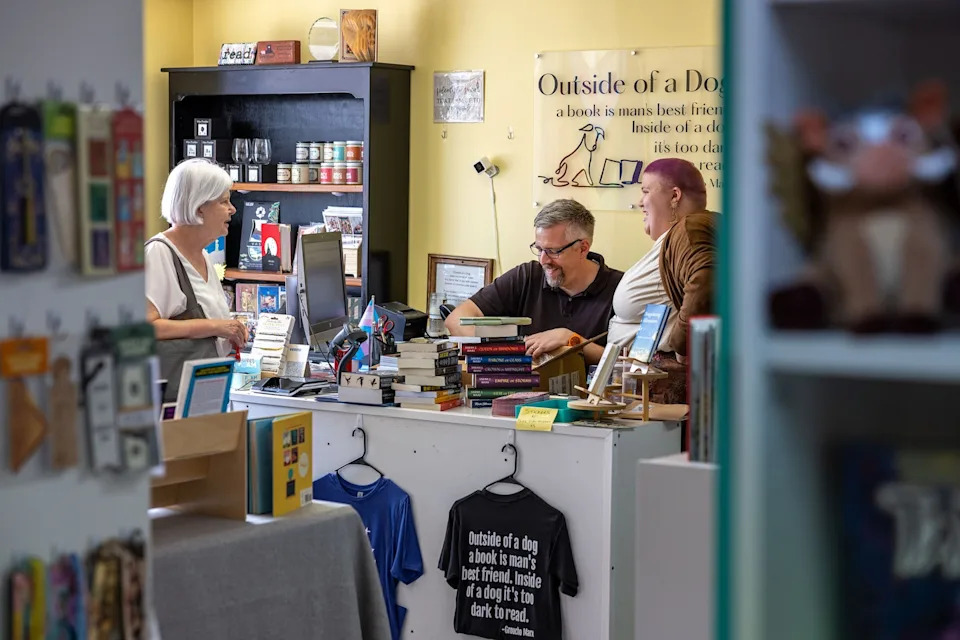
(Jay Pickthorn/For The Washington Post)

Selected by Senior Writer & National CorrespondentBeth Hawkins
(Shelby Knowles for CalMatters)

Selected by Staff ReporterAmanda Geduld

(Melissa Ann Pinney)

Selected by Executive EditorJoAnne Wasserman
(Lucy Lu, The New York Times)

Selected by Executive EditorAndrew Brownstein
(Vito di Stefano for Voice of San Diego)
(Vail School District)

Selected by Investigative ReporterMark Keierleber


