Spain’s Catholic Church has agreed with the government to compensate victims of clergy sexual abuse whose cases are barred by the statute of limitations or where the alleged perpetrator is deceased. Justice Minister Félix Bolaños called the deal "fair reparation" after decades of silence. The ombudsman will review eligible cases and propose financial, moral, psychological or restorative reparations to be accepted by both the survivor and the Church’s Assessment Commission. The move follows investigations and reports that uncovered thousands of alleged victims and urged stronger state action.
Spain’s Catholic Church Agrees to Compensate Past Abuse Victims Under Government Deal
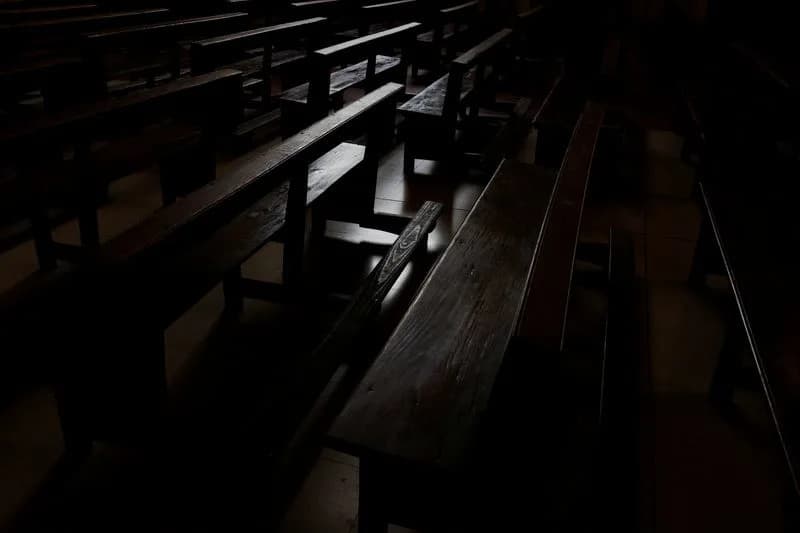
Empty pews are seen inside a Catholic church in Madrid, Spain, October 27, 2023.REUTERS/Susana Vera/File Photo
MADRID, Jan 8 (Reuters) — Spain’s Catholic Church, facing a widening clergy sexual abuse scandal, reached an agreement with the national government on Thursday to offer reparations to victims whose cases are time-barred by the statute of limitations or where the alleged perpetrator has died.
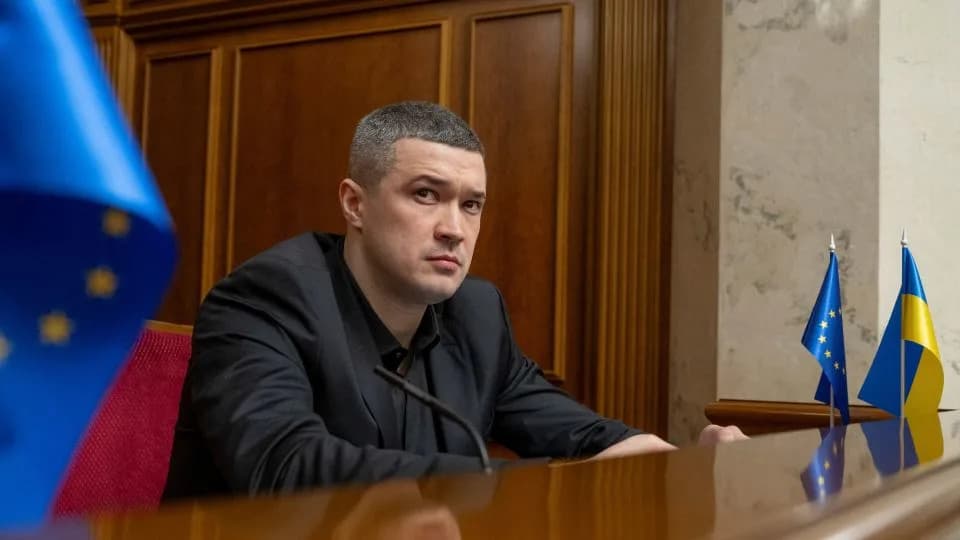
Justice Minister Félix Bolaños described the deal as an effort to "settle a debt and do justice to the victims," saying it marks a move "from decades of silence and oblivion to fair reparation paid by the Church."
Background and Scope
The scandal gained renewed attention after an El País investigation in 2021 that disclosed more than 1,200 alleged cases of abuse. A 2023 report from Spain’s human rights ombudsman, based on a survey of 8,000 people, estimated that there may have been hundreds of thousands of victims over several decades and urged the creation of a state fund to help survivors.
The ombudsman’s office said more than 700 people had shared their experiences with its team through 2024. Separately, an internal inquiry commissioned by the Spanish Catholic Church identified roughly 2,000 victims by the end of 2023.
How The New Process Will Work
Under the agreement, the ombudsman will review each eligible case and propose reparations tailored to the survivor’s request. Reparations may be financial, moral, psychological or restorative. The proposal must be accepted by both the survivor and the Church’s Assessment Commission before the payment or reparative measures proceed.
"We are moving from decades of silence and oblivion to fair reparation paid by the Church," — Justice Minister Félix Bolaños.
Previously, survivors could apply directly to Church bodies for compensation, but many were reluctant to do so. The new mechanism is specifically intended for those who prefer not to file claims directly with the Church. The Church said it has already paid about €2 million (roughly $2.34 million) to some victims.
Exchange rate cited in reports: $1 = 0.8563 euros.
Reactions and Next Steps
Advocates and some victims’ groups have pushed for a broader state fund and stronger guarantees of transparency and cooperation from the Church. The ombudsman’s role in assessing and proposing reparations is intended to provide an independent pathway for survivors whose legal claims are blocked by time limits or by the death of alleged perpetrators.
The agreement does not replace criminal investigations or civil claims where they remain possible; rather, it aims to provide an avenue for acknowledgement and reparations where legal avenues have closed or survivors decline to go through Church channels.
Help us improve.