Cecile Desprairies, 68, a historian of France's Nazi occupation, is being sued by relatives who allege her debut novel, The Propagandist, falsely portrays family members as collaborators. The plaintiffs—her brother and another relative—say the book identifies the author’s mother, a great-uncle and a half-brother of her grandmother and have filed a libel complaint. Desprairies says the work is fictional and submitted family artifacts as evidence; critics have praised the novel. The case raises questions about where fiction ends and defamation begins.
French Historian Faces Libel Suit After Novel Portrays Relatives As Nazi Collaborators
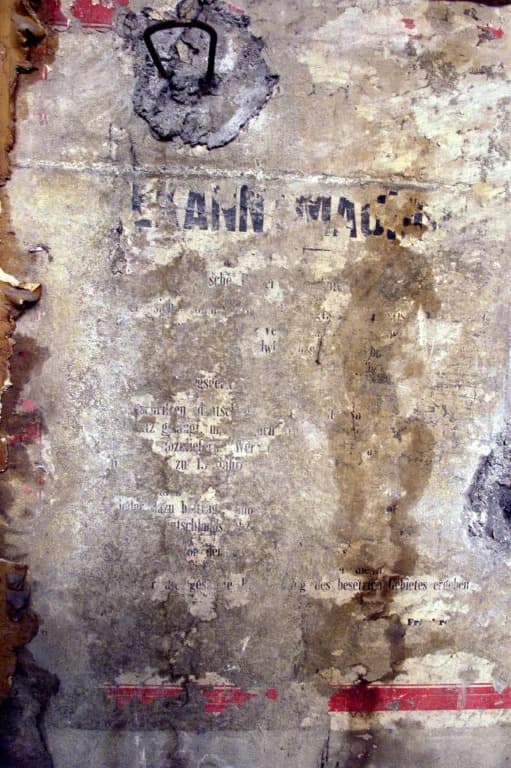
A Nazi poster from 1941 discovered in a Paris railway station (Jack GUEZ)(Jack GUEZ/AFP/AFP)
Cecile Desprairies, 68, a French historian who has written about the Nazi occupation, is facing a libel lawsuit from members of her own family after publishing a debut novel she says was drawn from childhood memories.
Allegations and Legal Complaint
The plaintiffs, identified in court papers as the author’s brother and another relative, filed a complaint against Desprairies and her publisher less than three months after the French edition appeared in 2023. They accuse the novelist of defaming three named relatives—her mother, a great-uncle and a half-brother of her grandmother—by portraying fictional characters who they say are clearly identifiable as those family members.
"The author's resentment toward the targeted individuals permeates the entire work, which is conceived as a genuine act of family vengeance," the plaintiffs wrote in their complaint, arguing the author acted "in utter bad faith" and that there is an "absence of evidence" for the alleged collaboration.
Author's Response and Evidence
Desprairies, who was not present at the hearing and was represented by a lawyer, maintains the book is a work of fiction inspired by her upbringing. She told French television in 2023: "It's a fact: I grew up in a collaborationist family. They all were -- to varying degrees." She has also said many of the real people who inspired her characters are deceased, which she argued gave her greater freedom to fictionalize.
As part of her defense, Desprairies submitted a scanned Nazi propaganda poster she said she found in the family attic and a photograph of three people on a winter outing she said includes her mother. The plaintiffs counter that the poster bears the same tear marks as a copy held by a Paris library, suggesting it may not be an original family artifact.
Critical Reception and Broader Issues
The novel, published in English as The Propagandist last year, received strong praise from critics. The Financial Times called it "a harrowing but elegantly constructed rot-riddled family romance," while the New Yorker described it as "a deeply personal act of expiation."
Beyond the particulars of this case, the dispute highlights a recurring legal and ethical tension: when does fictionalizing difficult family history cross the line into defamation? The outcome could have implications for writers who blend literary invention with real-world relatives and historical research.
What’s Next
The case will turn on whether the court finds the fictional portrayals identifiable and injurious to the named relatives’ reputations. Desprairies also has a new novel, La Fille du Doute (The Daughter of Doubt), due from a different French publisher next week.
Help us improve.