Andrea Yates, who drowned her five children on June 20, 2001, remains in state psychiatric care nearly 25 years later. Convicted of capital murder in 2002, her verdict was later reversed; a 2006 retrial found her not guilty by reason of insanity due to postpartum psychosis. She has been institutionalized since her retrial, currently at Kerrville State Hospital, and has repeatedly waived annual reviews that could allow conditional release. The case continues to prompt debate about postpartum mental illness, medication management and the criminal justice response.
Where Is Andrea Yates Now? Life 25 Years After She Drowned Her Five Children
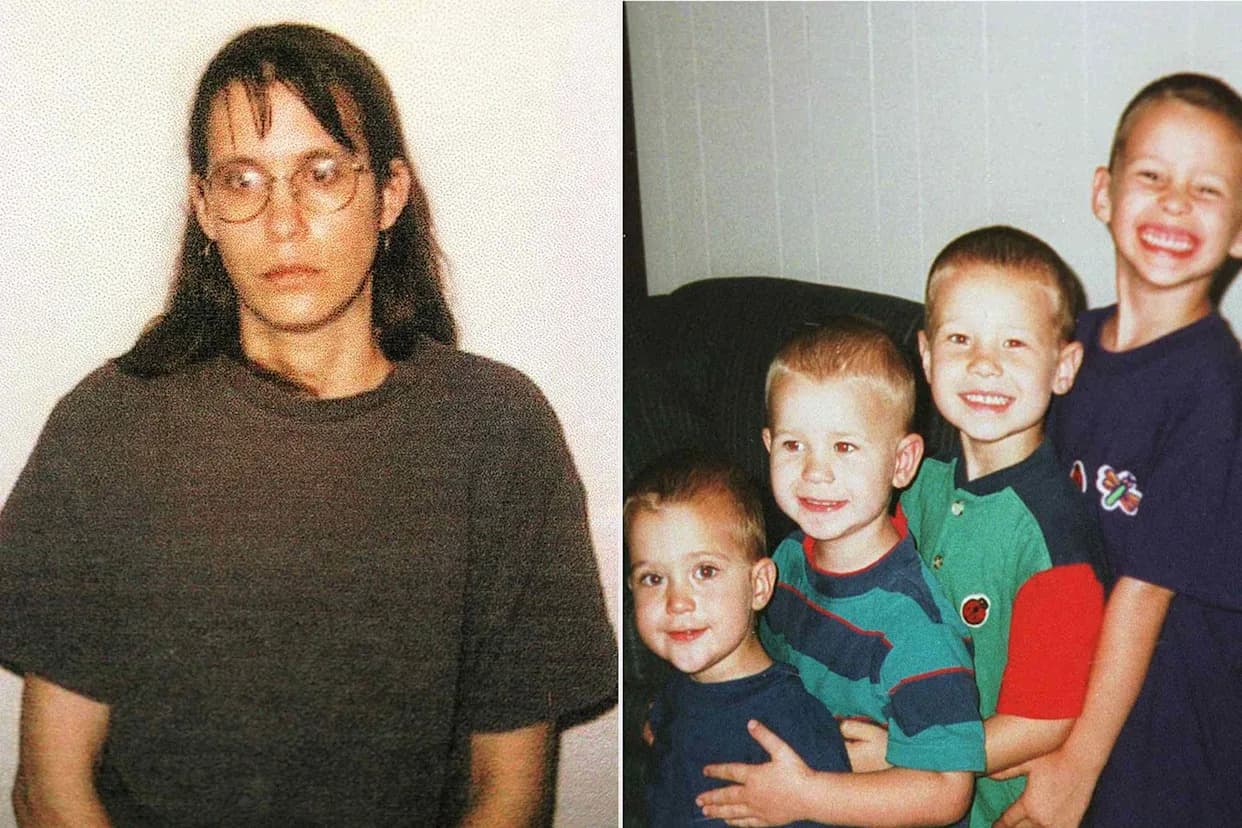
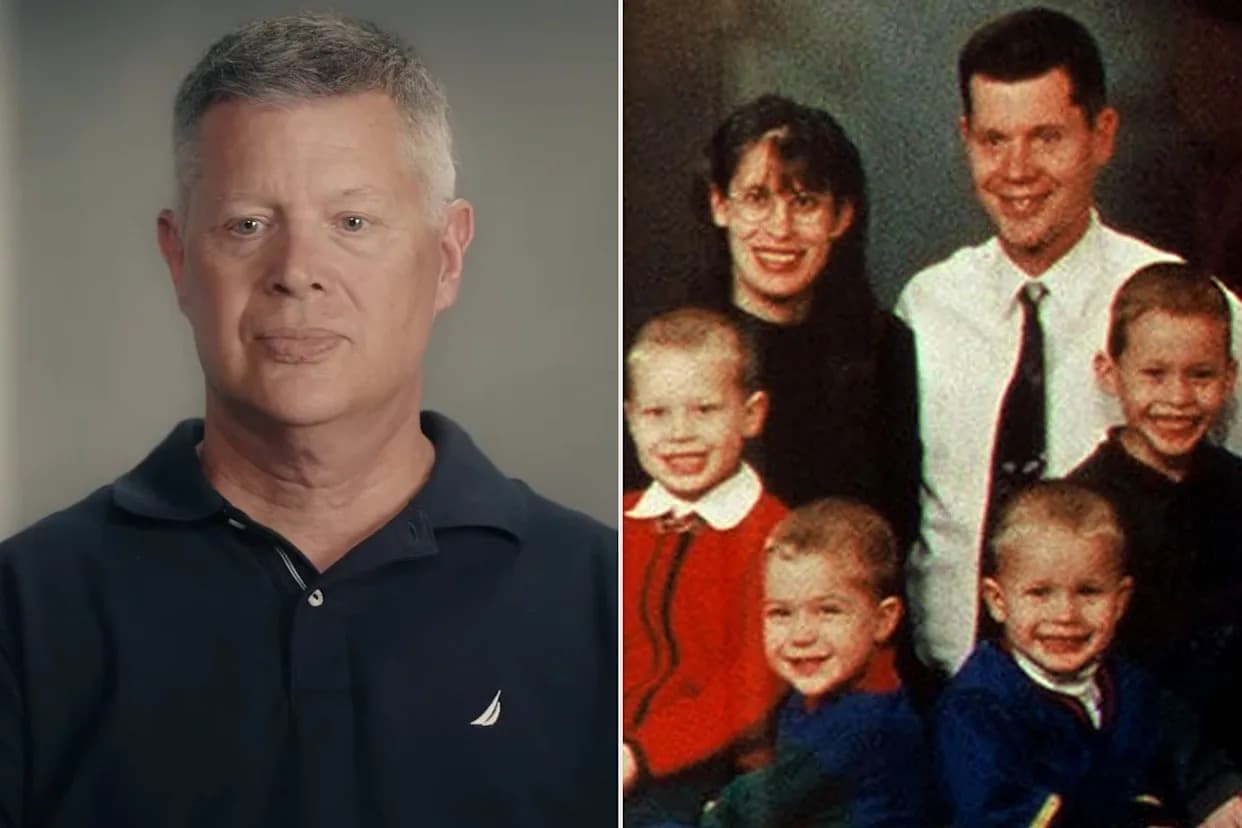
Phillippe Diederich/Getty ; Phillippe Diederich/GettyAndrea Yates ; Four of Andrea Yates' five children.
Nearly a quarter-century after one of the most widely discussed tragedies in recent U.S. history, Andrea Yates remains under long-term psychiatric care as questions about her mental health, medication, and outside influences continue to be debated.
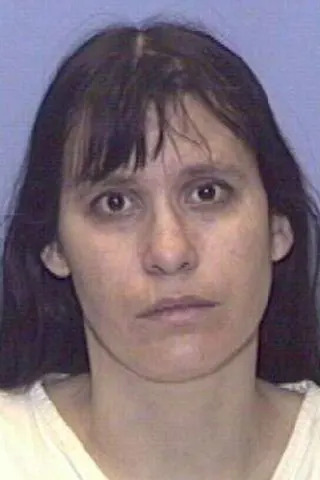
Texas Department of Criminal Justice/GettyAndrea Yates on March 21, 2002.
Background
On June 20, 2001, Andrea Yates drowned the five children she shared with her husband, Rusty Yates, at their home in Clear Lake, a suburb of Houston. The victims were Noah (7), John (5), Paul (3), Luke (2) and Mary (6 months). After the deaths, she reportedly arranged the younger children on a bed as if they were sleeping and told responding officers, "I just killed my children."
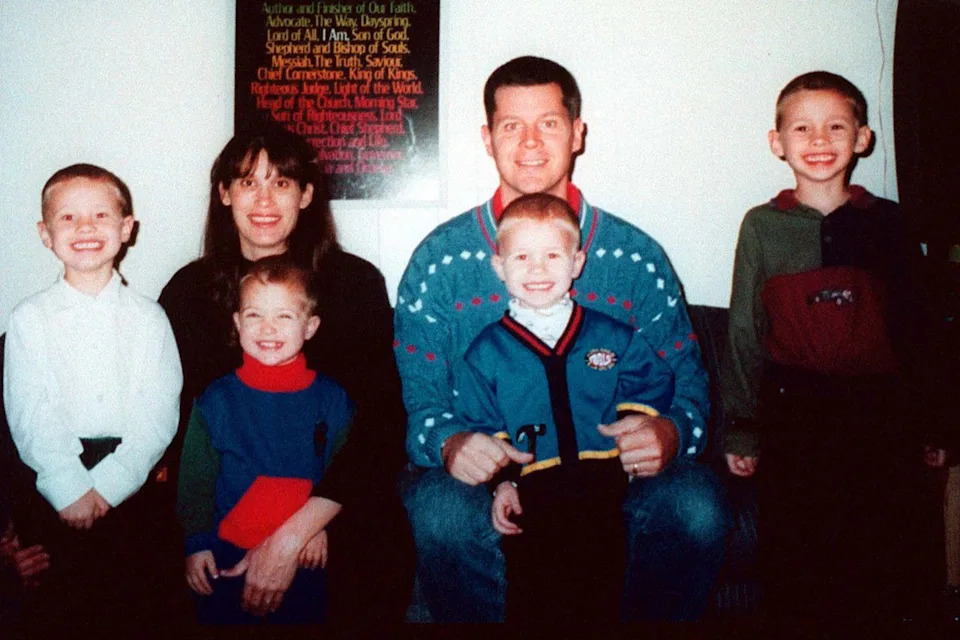
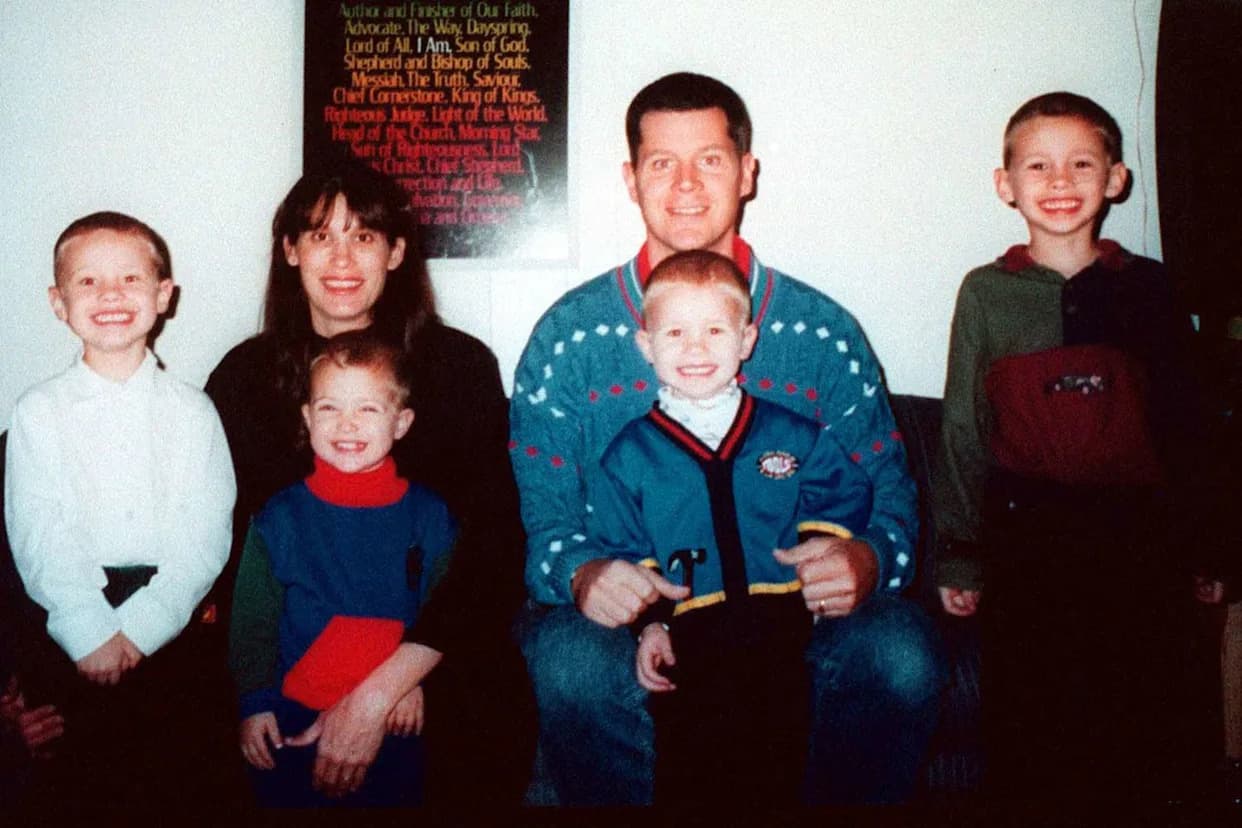
Courtesy of Yates Family/GettyAndrea Yates with her husband and children.
Mental Health History
Andrea had a documented history of severe postpartum mental illness, including episodes of major depression and, ultimately, postpartum psychosis. Friends and family say her symptoms worsened after the birth of her fourth child. She had been hospitalized previously and made a suicide attempt in 1999. Medical records and testimony later indicated she had been prescribed antidepressants and the antipsychotic Haldol, and defense lawyers contended that she had been taken off a powerful antipsychotic in the weeks before the killings.
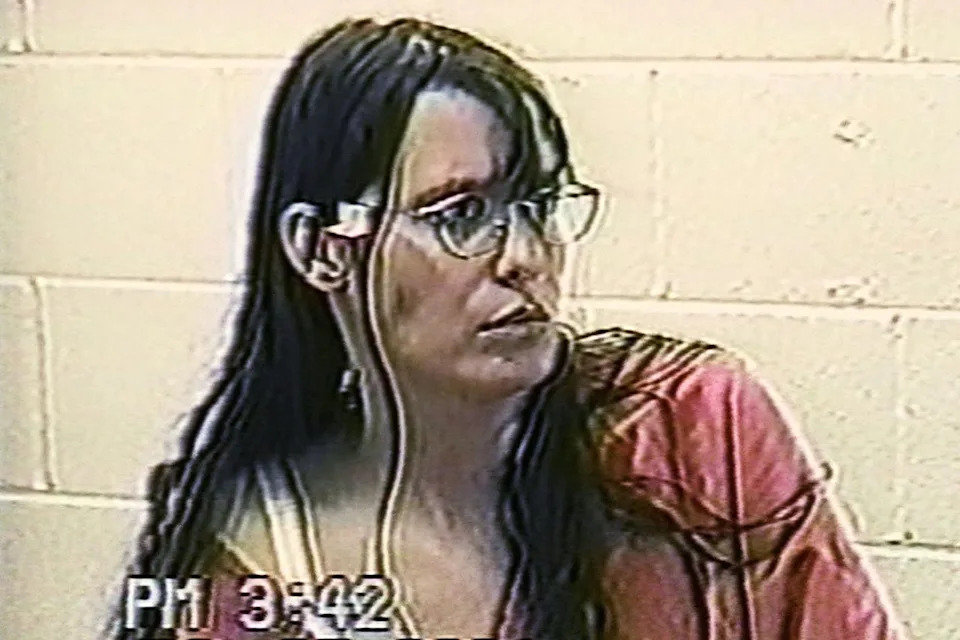
CNN via GettyAndrea Yates speaks to a psychiatrist on July 27, 2001 in Houston, Texas.
The Killings And Initial Confession
According to police and medical accounts, Andrea described drowning Luke, Paul, John and Mary one by one, then wrestling seven-year-old Noah into the tub when he discovered a sibling's body. In interviews after her arrest she told clinicians she believed she was saving her children from Satan — a symptom consistent with psychotic delusions later cited at trial.
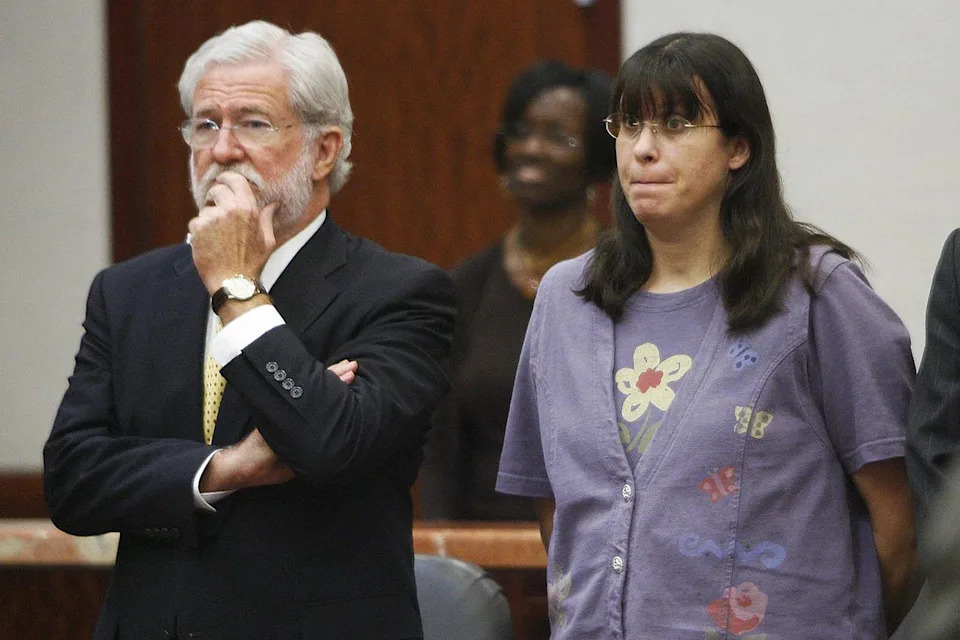
BRETT COOMER/AFP via GettyGeorge Parnham and Andrea Yates at her 2006 retrial.
Trials And Legal Outcomes
In March 2002, a jury found Andrea Yates guilty of capital murder and sentenced her to life in prison with the possibility of parole after 40 years. The jury rejected the insanity defense at that trial, concluding the defense had not proven she was incapable of distinguishing right from wrong at the time of the crime.
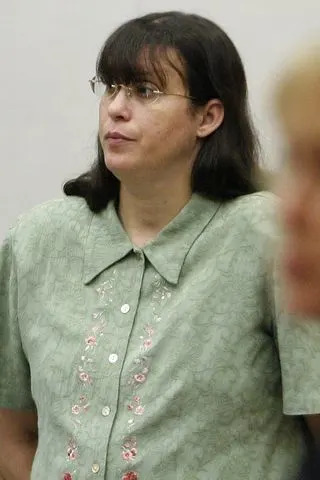
Brett Coomer-Pool/GettyAndrea Yates during closing arguments in her retrial on July 24, 2006 in Houston, Texas.
However, the conviction was overturned several years later after procedural problems emerged, including a high-profile error by a prosecution expert who misremembered details about a television episode used as part of his testimony. At her retrial in July 2006, a jury found Andrea not guilty by reason of insanity, concluding she was suffering from postpartum psychosis when the deaths occurred. She was therefore committed to state psychiatric care rather than a prison sentence.
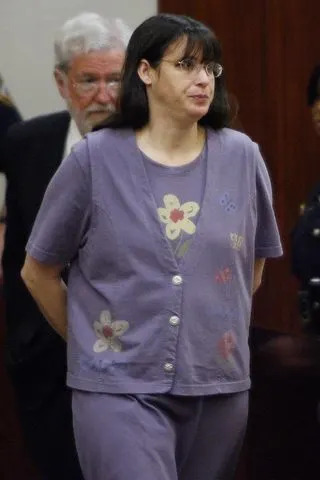
Brett Coomer-Pool/GettyAndrea Yates enters the courtroom to hear the verdict in her retrial on July 26, 2006 in Houston, Texas.
Institutionalization And Current Status
Following the retrial, Andrea was sent to North Texas State Hospital and, since 2007, has been at Kerrville State Hospital in Kerrville, Texas, a lower-security psychiatric facility. Her legal status allows for an annual review that could theoretically lead to conditional release, but she has repeatedly waived those reviews — most recently reported as of 2022 — electing to remain under hospital care.
Her attorney, George Parnham, has described her as grieving daily for her children while participating in routine activities at the hospital. Reports say she watches old home videos and makes aprons and cards that are sold anonymously; proceeds have supported the Yates Children Memorial Fund, established by Parnham and his wife to support women’s mental health. Parnham has also said the facility is not prisonlike and provides consistent psychiatric care.
Public Debate And Media Reexamination
The case sparked intense national discussion about postpartum psychosis, the adequacy of mental-health treatment, medication management and the influence of religion and community on vulnerable people. In recent years the story has been revisited in documentary programming: an Investigation Discovery series examined the case and a program titled The Cult Behind The Killer: The Andrea Yates Story premiered on HBO Max, exploring theories that religious teachings from an alleged local figure may have shaped her thinking.
Where She Is Now
Today, Andrea Yates remains at Kerrville State Hospital under ongoing psychiatric supervision. Those close to her say she is unlikely to seek release and continues to mourn her children. The case persists as a focal point in discussions about how the legal and medical systems handle severe postpartum psychiatric disorders and what might be done to prevent similar tragedies.
Note: This article summarizes court records, contemporaneous reporting and recent documentary coverage to provide an updated overview of Andrea Yates's legal and medical situation.
Help us improve.