
Dispatchers shared 25 real 911 calls that haunted them: whispered rescue calls, violent domestic incidents, heartbreaking abandonment, and eerie welfare checks. Several stories describe rapid, coordinated responses that saved lives, while others left first responders deeply shaken. The accounts emphasize the lasting psychological toll on dispatchers and the importance of post-incident support and mental-health resources.
It Still Horrifies Me: 25 Harrowing 911 Calls That Left Dispatchers Shaken

FOX
Trigger warning: Several accounts below involve disturbing or emotionally heavy subjects. Reader discretion is advised.
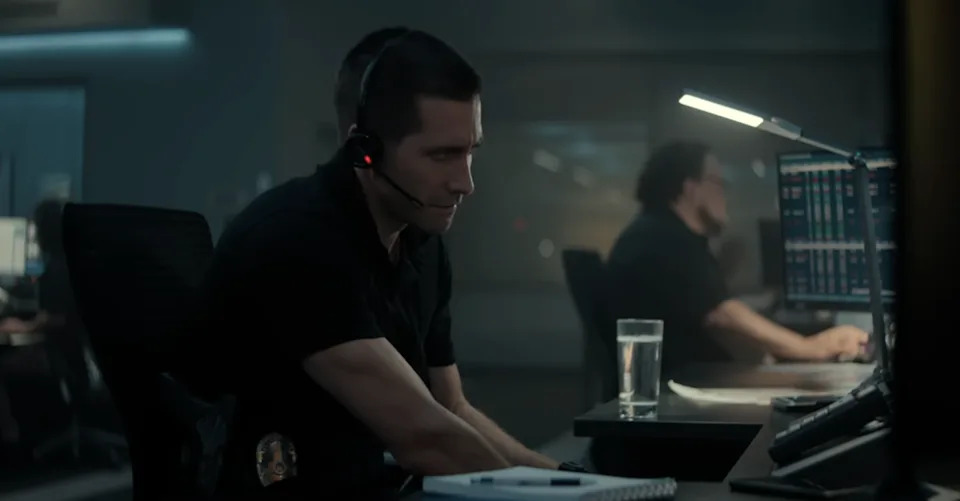
Emergency dispatchers — current and former — shared 25 real calls that stayed with them long after the radio went quiet. These firsthand recollections, drawn from online threads and edited for clarity and length, show the range of situations 911 operators can face: whispered pleas for help, violent domestic scenes, heartbreaking abandonment, and eerie welfare checks.
Selected Calls That Still Haunt Dispatchers
squidssential described a terrified caller who finally spotted a business sign in a shopping complex. The dispatcher located and broadcast the address, and within minutes a dozen officers converged. A short foot pursuit ended when a K-9 unit caught the suspect. The first officer requested a victim advocate for the shaken caller; the dispatcher needed several minutes to compose themselves after the call.
gabbobbag recalled a heartbreaking domestic call: an 18-year-old told the dispatcher his mother had taken everything and left him with only a few belongings at a friend’s house. His birthday was days away and he had nowhere to go. Responding officers brought him to a shelter. The dispatcher said they often think of him and hope he’s OK.
plusultrak shared a whisper call in which a girl hid in a house while an offender stayed in the same room. Cellphone location could only narrow the phone to a two-block radius, so squads spread out and flashed lights to help her identify officers. For nearly an hour she whispered while responders searched; she eventually escaped through a basement back door and ran to safety. The dispatcher and the first responding officer later received awards for their roles in the rescue.
roxsu told of a violent, tragic domestic incident after a 60-year marriage: a husband who habitually belittled his wife left her feeling humiliated. When he mocked her about making sandwiches and said he would drive to the store despite being unfit to drive, she silently retrieved tools and struck him while he sat in a recliner. He identified her as his attacker before losing consciousness and later died. The 75-year-old woman was convicted and received a life sentence.
punkerduckie shared a home-invasion case: an elderly man was punched several times by an intruder who was reportedly high and known to a caretaker. The intruder was arrested and the victim survived with minor injuries. The incident underscored the betrayal potential when criminals exploit caretaking relationships.
theonomatopoeia remembered a call so shocking their supervisor offered Critical Incident Stress Debriefing (CISD). The dispatcher initially refused and later regretted not taking professional support — a reminder of how important post-incident care can be for first responders and dispatch staff.
smoakybonaparte recounted an unnerving welfare check: medics and a sheriff forced entry after no one answered the door. The crew discovered the resident — an elderly woman — had been dead for some time and was in full rigor mortis. The arriving medical team and subsequent doctors were stunned; the dispatch team half-joked that they might have answered a call from a ghost.
These stories represent only a sample of the 25 submissions. Together they highlight the split-second decisions, the emotional burden, and the life-saving outcomes possible in emergency dispatch work. Dispatchers often carry these memories for years, and many emphasize the need for accessible mental-health resources and debriefing services for anyone who regularly handles traumatic calls.
Help And Resources
If you are in the United States and need help, call 988 to reach the National Suicide & Crisis Lifeline. International resources can be found at befrienders.org. For LGBTQ youth, The Trevor Project offers support at 1-866-488-7386.
Note: Submissions were edited for length and clarity and are drawn from online dispatcher threads.

Sony Pictures Releasing

FOX
Netflix

Evgeniyshkolenko / Getty Images

FOX

Gorodenkoff / Getty Images

FOX

FOX

FOX

FOX

FOX


