
The suspension of USAID funding and the shelving of the MOMENTUM programme have forced many rural health posts in Malawi to reduce services or close, leaving thousands of women and children without routine maternal care. Clinics that once provided antenatal visits, family planning and ambulance transport are operating intermittently or shuttering, increasing risks of complications, obstetric fistula and maternal deaths. The government is pursuing community-based outreach and digital tools to fill gaps, but officials warn recovery will take time amid limited resources.
USAID Cuts Leave Malawi's Mothers Stranded, Threatening a Rise in Maternal Deaths
12:30 PM, 12/10/2025

Ireen Makata, a nursing officer and safe motherhood coordinator at Musa Community Health Post in Mulanje [Imran-Ullah Khan/Al Jazeera]
Ireen Makata sits in her white nursing uniform on a weathered bench at a small health post in Mulanje district, southern Malawi. The beige clinic — one of 13 in the district — serves a largely seminomadic, agricultural community about 65km east of Blantyre, near the slopes of the Mulanje mountain range.
The modest facility stands out among red-brick huts with straw roofs. Beside the entrance a supply room reveals dwindling stocks of medicines, and an ambulance parked nearby is now seldom used. Health posts like this were set up to bring antenatal care, family planning, vaccinations and basic childbirth support closer to remote communities while easing pressure on district hospitals.
From Daily Care to Fortnightly Visits
Before recent funding reductions, the clinic regularly saw dozens of women a day for maternal care, helped women give birth, dispensed medicines and arranged transport to the hospital when needed. Since funding was cut, the post is open roughly once every two weeks as staff stretch remaining supplies and cannot reliably host outreach teams.
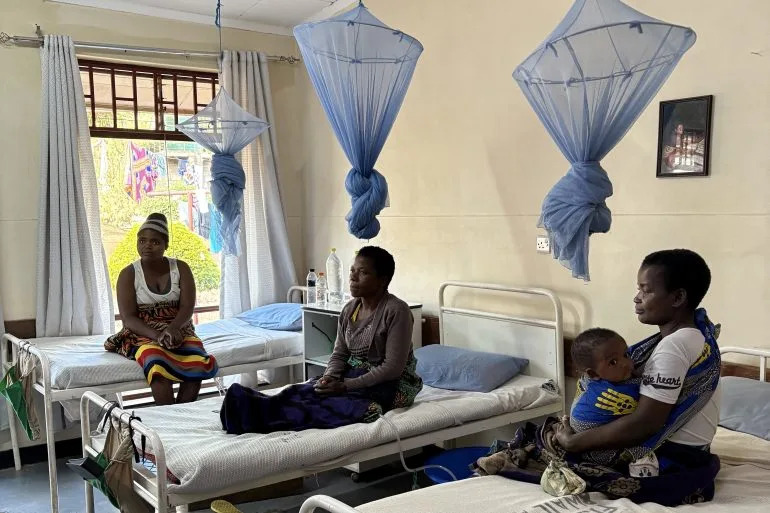
Female patients recovering or awaiting treatment for obstetric fistula at the Bwaila Fistula Centre in Lilongwe [Imran-Ullah Khan/Al Jazeera]
“Most of the women who relied on this post now find the distance to access a district hospital too far,” Makata told Al Jazeera. “It takes a large chunk of a day on the bumpy dirt roads of Mulanje, and that time away takes them from activities that bring income or food to their table.”
Many women can no longer afford the time or cost of traveling to district hospitals and are missing routine antenatal checks, especially in the critical first trimester when complications are more likely to be detected early.
Why Services Have Been Curtailed
Much of Malawi’s recent community health outreach was funded by the United States Agency for International Development (USAID). Until the cuts, Washington provided close to 32% of Malawi’s total health budget and channelled substantial support through the MOMENTUM programme, launched in 2022. By 2024 MOMENTUM supported 249 health posts across 14 of Malawi’s 28 districts and had roughly $80 million committed to outreach, equipment and training.
Early this year, the U.S. administration issued stop-work orders on many USAID-funded activities as part of a review of foreign-aid programmes. MOMENTUM was suspended, around two dozen mobile outreach posts closed, some medical trainees were left in limbo, and equipment and supplies acquired for outreach were in some cases disposed of in hurried sales. The United Nations Population Fund (UNFPA) continues to provide technical and limited financial support, but its resources are insufficient to replace MOMENTUM’s reach.
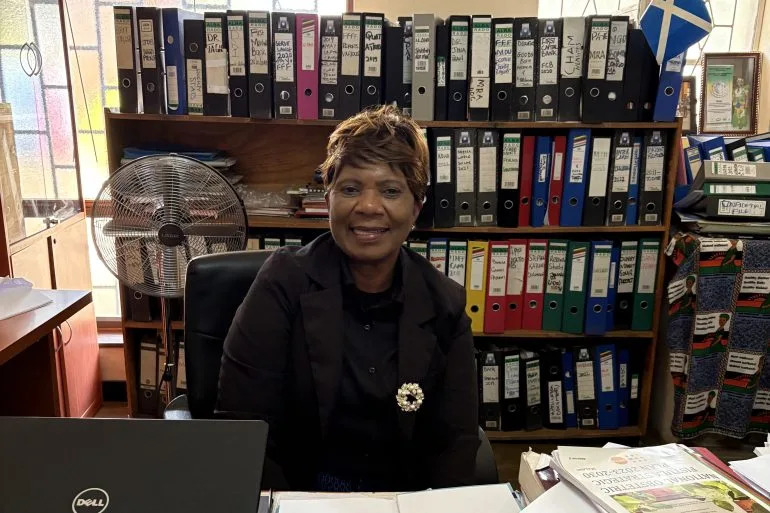
Margaret Moyo, head coordinator at the Bwaila Fistula Centre in Lilongwe [Imran-Ullah Khan/Al Jazeera]
Community Impact: Lives and Livelihoods at Risk
Community leaders and health workers warn that the cuts will fall hardest on newborns and mothers. Massitive Matekenya, a community leader in Musa, says women are now giving birth on the way to the district hospital because it is too far — a situation that can put both mother and baby at risk of life-threatening complications such as severe hemorrhage.
“Women in our community are now giving birth on the way to the district hospital… That puts baby and mother in jeopardy,” Matekenya said.
Matekenya also reported recent deaths from conditions such as malaria where lack of rapid referral and transport was a contributing factor. He expects a rise in pregnancies without family planning services and a corresponding increase in maternal risks.
Obstetric Fistula Services Under Pressure
In Lilongwe, the Bwaila Fistula Centre treats women suffering obstetric fistula — a childbirth injury that causes chronic incontinence and severe social stigma. The centre receives more than 400 patients annually, has 45 beds, one doctor and 14 specialised nurses. Margaret Moyo, the centre’s coordinator, warns that fewer antenatal contacts and reduced outreach could allow complications to go undetected and lead to more fistula cases.
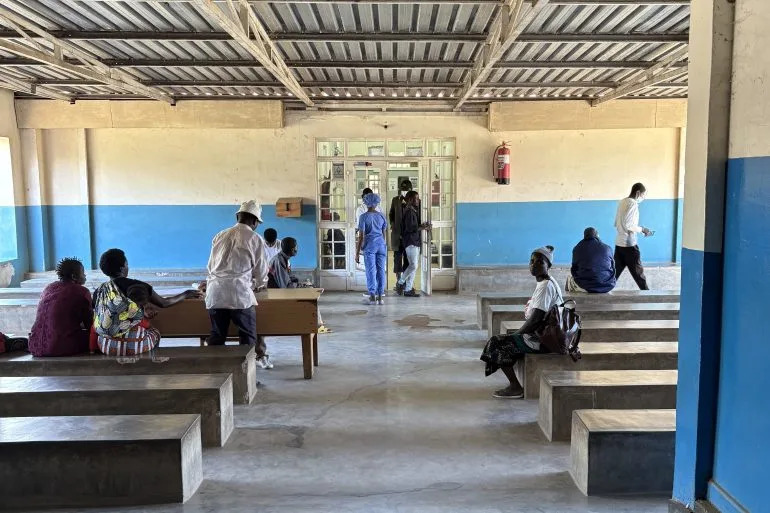
Patients await treatment for various ailments at the Nsanje District Hospital [Imran-Ullah Khan/Al Jazeera]
Moyo runs an ambassador programme training fistula survivors to return to their communities and encourage others to seek care. One ambassador, Alefa Jeffrey, who endured ostracism after her condition, now helps bring women from her area to the clinic and runs a WhatsApp group offering information and support.
Government Response and Next Steps
Malawi’s Ministry of Health is seeking alternatives. Dr Samson Mndolo, the country’s secretary of health, said the government is trying to be efficient with resources: combining services during outreach visits and expanding community-based care. He said the stop-work orders resulted in the loss of nearly 5,000 health workers, mostly HIV diagnostic assistants, and that recovery will take time.
“Each crisis is an opportunity. This gives us a chance to strengthen the system and retrain our workforce and digital health systems,” Mndolo said, while acknowledging the scale of the challenge.
Officials are piloting expanded outreach from central hospitals and digital initiatives such as WhatsApp groups to answer patient questions. But health workers and community members say these measures are not an immediate substitute for regular, well-stocked local clinics and functioning ambulance referrals.
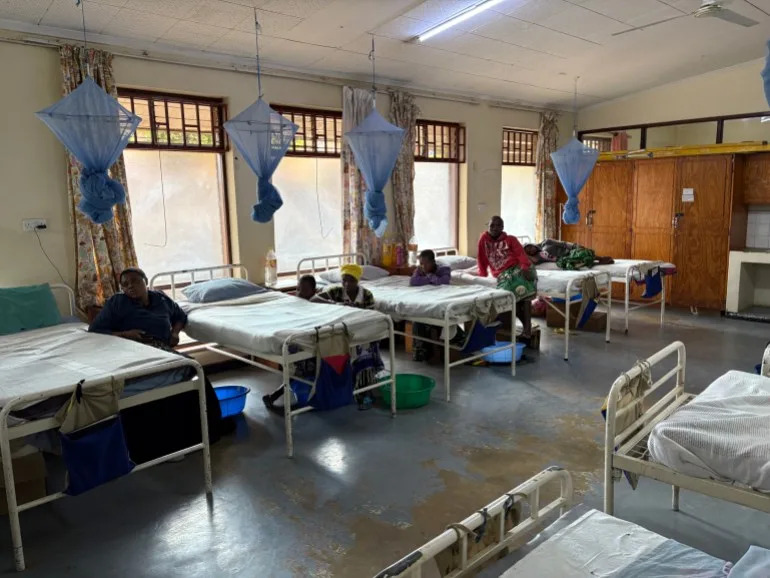
Patients at the Bwaila Fistula Centre [Imran-Ullah Khan/Al Jazeera]
Financial Outlook
Malawi’s government had already forecast a $23 million shortfall for reproductive, maternal and newborn health funding for 2025 before the latest cuts, heightening concerns about the sector’s resilience.
Voices from the Ground
Tendai Kausi, a 22-year-old mother in Musa, still attends the post when it is open, but she has watched new mothers carry pregnancies alone in isolated villages without routine checks. “This is not good for the development of our country,” she said. “My child will be affected because the services here will not get better. I feel very sad for my community.”
The suspension of USAID-funded outreach has left communities and frontline workers scrambling for stopgap solutions. Restoring comprehensive local services and reliable referrals will require renewed funding, coordination with partners such as UNFPA and sustained government and community action.
Similar Articles

Bill Gates: Aid Cuts Could Cause a 'Tragic' Rise in Child Deaths — 4.8 Million Projected
Bill Gates warned AFP that steep cuts to international aid by wealthy Western nations are expected to raise global child deat...

Western Aid Cuts Could Cause 22.6 Million Preventable Deaths by 2030, New Study Warns
New research submitted to The Lancet Global Health estimates that simultaneous aid cuts by the US, UK, France and Germany cou...

UN Warns Maternal Deaths in Ukraine Rose 37% As War Devastates Maternity Care
UNFPA warns that maternal mortality in Ukraine rose about 37% from 2023 to 2024, increasing from 18.9 to 25.9 deaths per 100,...

Somalia’s Hospitals Strained as Aid Cuts and Security Focus Deepen Health Crisis
Somalia’s health system is under severe strain as cuts to overseas funding and a government focus on combating al-Shabab leav...

WFP Warns Parts of Cameroon Face Catastrophic Hunger Without $67M Boost
The World Food Programme warned in Yaoundé that parts of Cameroon could face catastrophic hunger without at least $67 million...

Experts Warn ‘America First’ Global Health Strategy Could Undermine Fragile Systems
The Trump administration’s "America First Global Health Strategy" shifts US health aid from multilateral partners and impleme...

Afghan Women Risk Their Lives Under Taliban Abortion Ban: Stories of Desperation and Danger
Abortion remains illegal in Afghanistan under Taliban rule, and women who seek or assist in terminations face arrest. Many, p...

UNAIDS Warns Funding Cuts Could Cause Up to 3.9 Million More HIV Infections
UNAIDS warns that 2025 cuts to international AIDS funding could lead to as many as 3.9 million additional HIV infections. Las...

UNAIDS Warns Funding Cuts Could Lead to 3.3 Million More HIV Infections by 2030
UNAIDS warns that global HIV assistance may decline by 30–40% in 2025 versus 2023, which could cause an estimated 3.3 million...

Billions in Rural Health Grants Tied to Administration’s Policy Agenda; Critics Call It “Blackmail”
The Rural Health Transformation Program will distribute $50 billion to states to bolster struggling rural health systems, but...

Gates Foundation Warns Child Deaths May Rise in 2025 as Global Health Aid Falls
The Gates Foundation's Goalkeepers report warns that global under-five deaths could rise to about 4.8 million in 2025 — an in...

Trump Is Not Ending Foreign Aid — He’s Reshaping It To Advance US Commercial And Geopolitical Interests
The Trump administration is not ending foreign aid but reshaping it so each dollar also furthers US commercial, scientific an...

Johannesburg Court Orders Action to End 'Xenophobic' Clinic Blockades and Protect Access to Healthcare
The Johannesburg High Court has ordered South African authorities to take decisive action to stop "xenophobic" protests that ...

MacArthur Foundation Awards $100M to African-Led Sentinel to Strengthen Outbreak Surveillance Amid Global Health Cuts
MacArthur Foundation awarded $100 million to Sentinel, an African-led surveillance network that builds low-cost pathogen test...

UN Appeals for $23bn in 2026 — Half of Funds Needed as Aid Faces Deep Cuts
The United Nations has launched a $23bn humanitarian appeal for 2026 — about half the funds it says are needed — after a stee...