
Zohran Mamdani is scheduled for a private meeting with the New York Board of Rabbis amid sharp disputes over his criticisms of Israel and support for Palestinian rights. Jewish leaders seek public reassurances on Israel's status and any backing of BDS, while Mamdani insists he will protect synagogues and fight antisemitism. Key policy questions — including possible city divestment and NYPD partnerships with Israeli agencies — remain unresolved as both sides weigh how to engage the incoming mayor.
Mamdani to Meet Privately With New York Rabbis as Tensions Over Israel and BDS Persist

New York Mayor-elect Zohran Mamdani and New York Police Commissioner Jessica Tisch speak during a news conference after their visit to the New York City Police Memorial on November 19, 2025. - Richard Drew/Pool/Reuters
Zohran Mamdani, New York City’s mayor-elect, is expected to meet privately with the New York Board of Rabbis as deep disagreements over his criticism of Israel and support for Palestinian rights continue to roil relationships with Jewish community leaders.
Meeting Context
The unannounced session comes after Rabbi Ammiel Hirsch publicly challenged Mamdani to deny that his statements about Israel echo Hamas and that critics of Israel seek to divide Jews into "good" and "bad" categories that endanger the community. Hirsch, currently president of the Board of Rabbis, told CNN,
“If I’m wrong, say so. It would be welcomed by the American Jewish community, by the New York Jewish community, and by many people who are not Jewish who care about these issues.”A month later, Hirsch said he has yet to hear a clear retraction.
What Rabbis Want
According to invited attendees, several rabbis plan to press Mamdani to publicly affirm Israel's right to exist as a Jewish state and to disavow support for the Boycott, Divestment and Sanctions (BDS) movement. Those demands reflect concern that the mayor-elect's positions and rhetoric have contributed to a perceived rise in antisemitic threats and anxiety among Jewish New Yorkers.
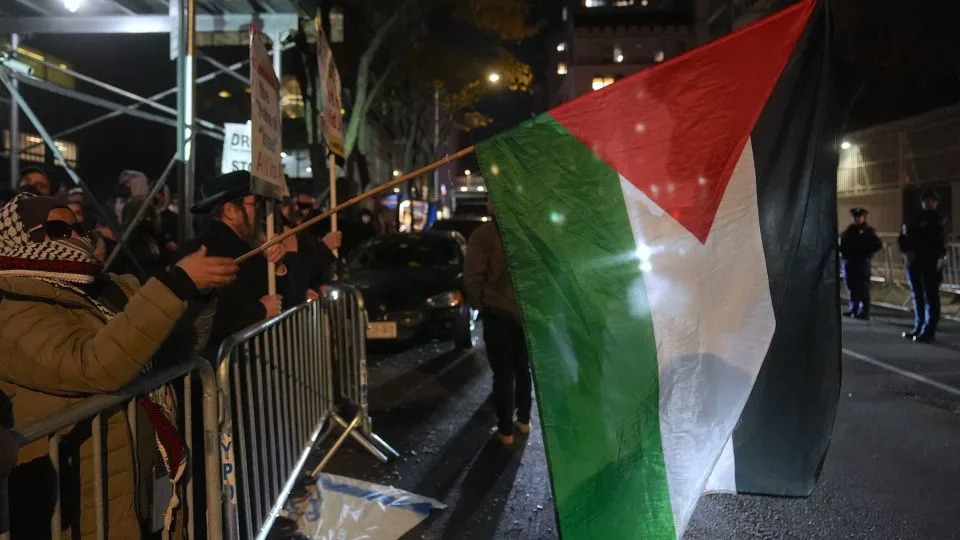
People protest an event at the Park East Synagogue in Manhattan on November 19, 2025. - Selçuk Acar/Anadolu/Getty Images
Mamdani's Position And Base
Mamdani's outspoken support for Palestinian rights helped mobilize many supporters during his campaign. He has said that Palestinian liberation is central to his politics, a stance that resonates with far-left progressives and many Arab and Muslim voters who backed him. At the same time, Mamdani has repeatedly pledged in meetings and statements to protect synagogues and to oppose antisemitism.
Actions, Reactions And Unresolved Policy Questions
Among conciliatory steps, Mamdani asked Police Commissioner Jessica Tisch to remain in her role; Tisch — who describes herself as a Zionist — accepted and later apologized publicly for security lapses after a tense November protest outside Park East Synagogue. That protest, in which some demonstrators chanted against the Israeli military, intensified Jewish leaders' fears and brought scrutiny to Mamdani's initial public response.
Transition aides say they have fielded offers of outreach from some Jewish leaders and that officials including Gov. Kathy Hochul and incoming City Council Speaker Julie Menin have privately acknowledged concerns. Yet key policy questions remain unanswered: Will Mamdani pursue divestment of city pension funds from Israeli entities? Will he change NYPD partnerships with Israeli agencies? Will he seek to alter university collaborations such as Cornell’s ties with the Technion? His team has not provided detailed answers.
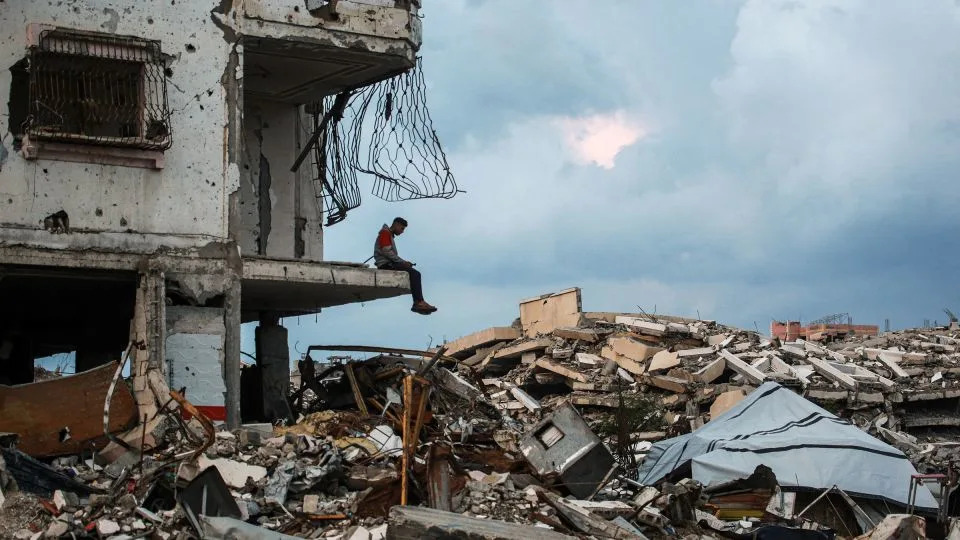
A man sits on the edge of a destroyed building in the Al-Saftawi neighborhood, west of Jabalia city, in the northern Gaza Strip on December 10, 2025. - Bashar Taleb/AFP/Getty Images
Political Stakes
New York City is home to the largest Jewish population outside Israel — more than one million residents, roughly 12% of the city. Exit polling showed Mamdani earned about one-third of Jewish votes in the election. Some Jewish leaders say they may urge other city and state officials to limit cooperation with Mamdani if he presses forward with anti-Israel policies without meaningful reassurances.
Voices From Both Sides
Supporters argue Mamdani’s focus on Palestinian rights broadened turnout and highlighted issues of affordability and equity. Opponents — ranging from centrist Jewish organizations to Israeli President Isaac Herzog — say his rhetoric and some positions show contempt for Israel and risk fueling antisemitism. Others in the Jewish community, including prominent rabbis, now call for new strategies to engage the mayor and bridge deep fissures.
Looking Ahead
With inauguration day approaching, Mamdani faces pressure from multiple constituencies: Jewish leaders demanding clearer commitments and policy reversals, progressive allies urging him to use his office to challenge Israeli policy, and officials seeking workable relationships across the city’s diverse communities. How he balances these pressures will shape both his early agenda and the future of long-standing municipal relationships.
This story has been updated with additional information.


