
The Daily Beast’s four illustrators — Elizabeth Brockway, Eric Faison, Thomas Levinson and Victoria Sunday — created hundreds of striking images and GIFs in 2025 that distilled the year’s political and cultural upheavals. Their work illustrated major moments from the second Trump administration, the Musk controversies, renewed Epstein revelations and a widespread renaming frenzy. These visuals often sharpened or recontextualized reporting, offering readers instant satirical and emotional frames for fast-moving stories. The Beast will continue to pair reporting with bold illustration into 2026.
2025 on Fire: How Four Daily Beast Illustrators Captured a Tumultuous Year

The Daily Beast
The year 2025 arrived in a blaze of headlines — a second Trump administration, Musk drama, revived Epstein revelations, renaming mania and a nonstop swirl of political and cultural spectacle. Across all of it, a four-person art team at the Daily Beast turned those moments into striking, often savage visual commentary that helped readers make sense of a chaotic year.
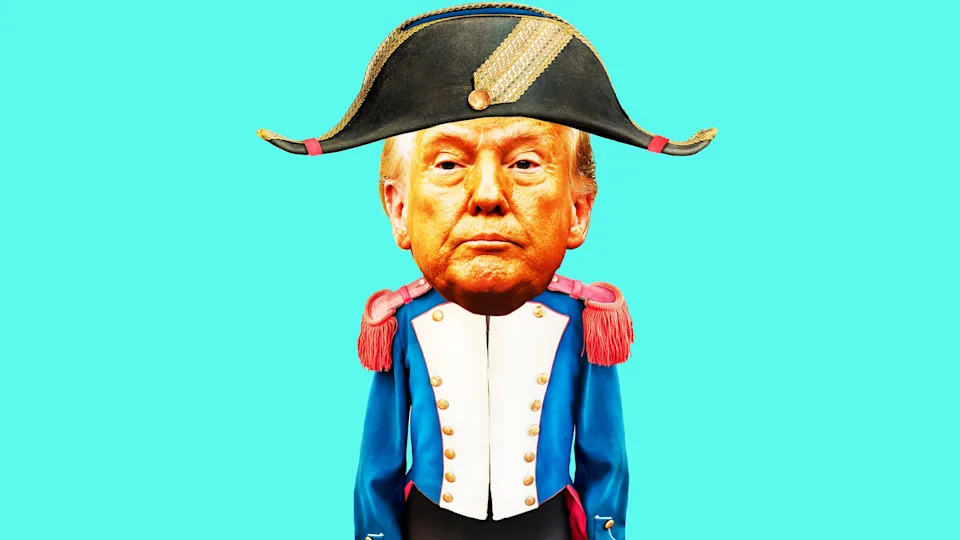
Illustration by Eric Faison/The Daily Beast/Getty Images
Four Artists, Hundreds of Images
Elizabeth Brockway, Eric Faison, Thomas Levinson and Victoria Sunday produced the hundreds of illustrations and GIFs the Beast published in 2025. Working under tight deadlines, they supplied the first visual drafts of history — images that could be revealing, deviously pointed, affectionate, blistering or laugh-out-loud funny. Their work continued a tradition of political cartooning that stretches from William Hogarth and Thomas Nast to modern New Yorker artists and Herblock.
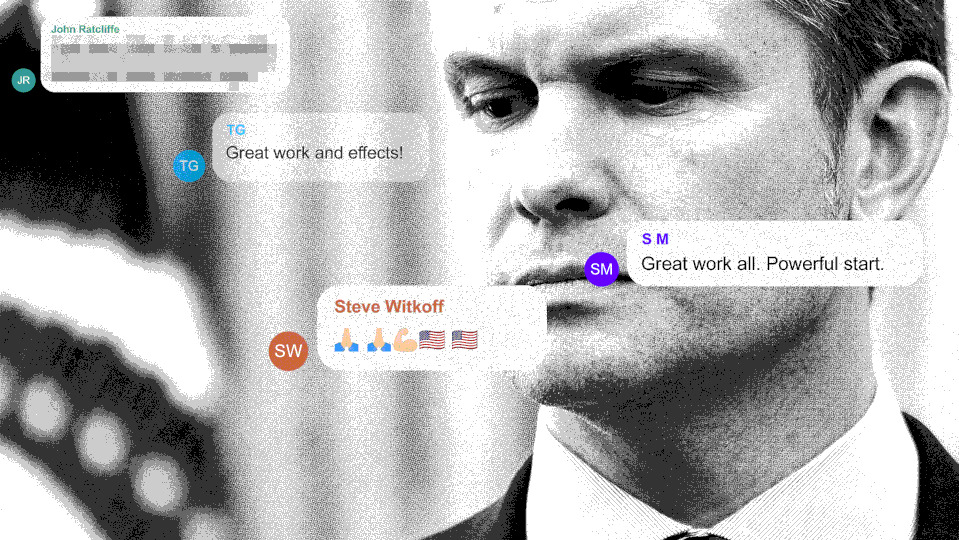
Photo Illustration by Elizabeth Brockway/The Daily Beast/Reuters
Notable Visual Moments (Selected)
Jan 20: A flurry of executive actions set a tone for the new administration and inspired caricatures of a leader seeking self-aggrandizement.
Elizabeth Brockway/The Daily Beast/Getty
Mar 25: A leaked Signal group chat involving National Security figures — reported in "Read the Messages From Trump Officials’ Group War Chat" — became a moment of surreal, emoji-filled oversight captured in illustration.

Photo Illustration by Elizabeth Brockway/The Daily Beast/Getty
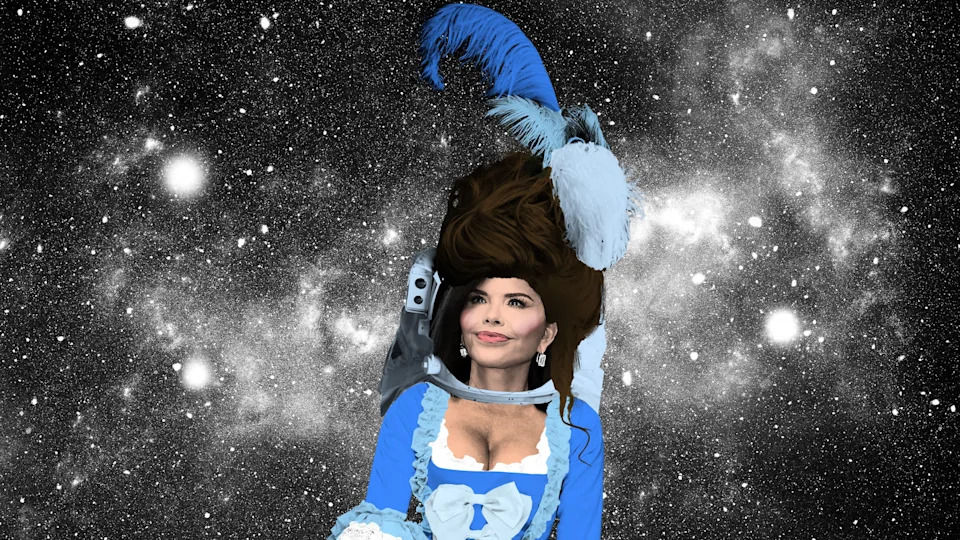
Apr 14: The near-space joyride carrying Lauren Sánchez inspired Joanna Coles’ memorable comparison to Marie Antoinette and a provocative illustration that quickly became emblematic of ostentatious privilege.
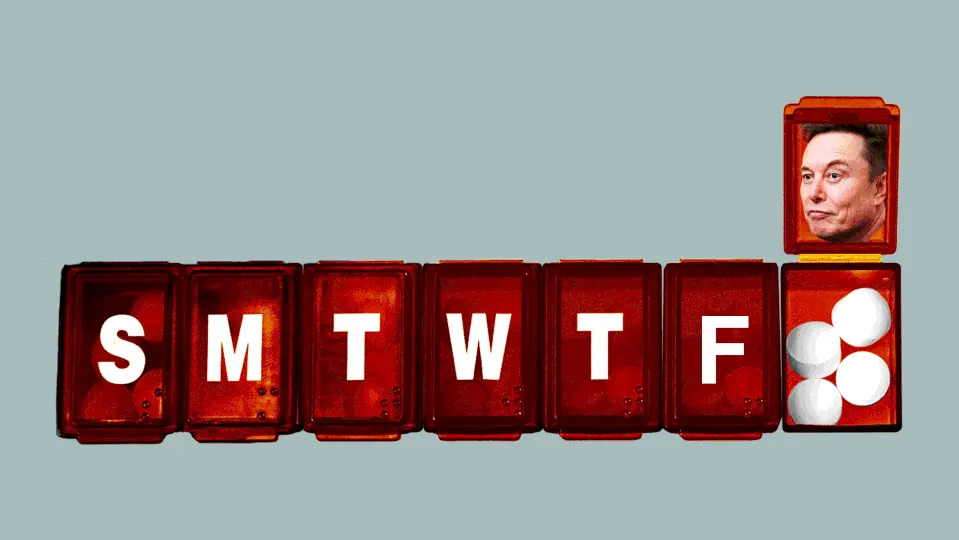
Photo Illustration by Elizabeth Brockway/The Daily Beast/Getty
May 21: Coverage of the so-called "Big Beautiful Bill" was paired with a haunting image of Uncle Sam as a skull stuffed with cash, underscoring the human and fiscal costs discussed in the reporting.
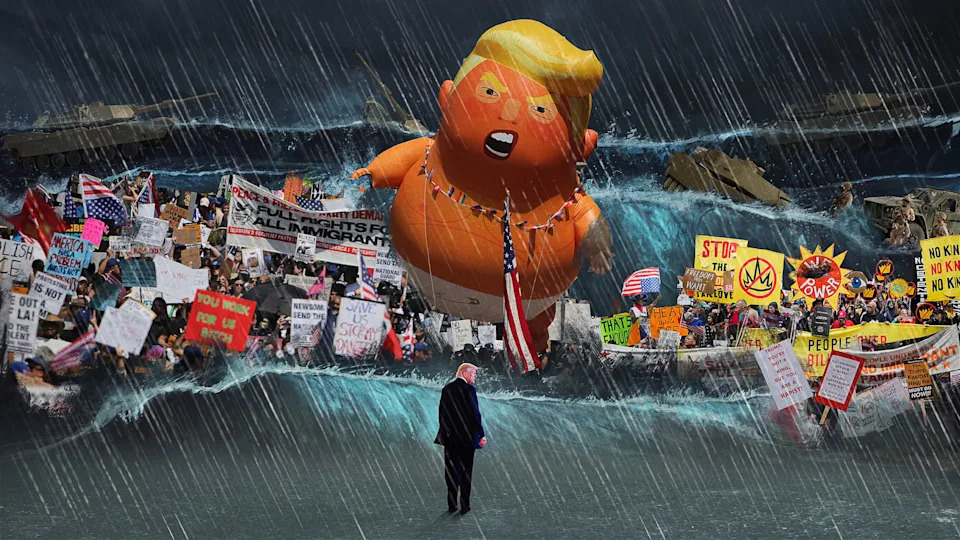
Photo Illustration by Victoria Sunday/The Daily Beast/Reuters/Getty Images
May 30: A leaked list of drugs linked to Elon Musk generated a widely shared GIF and accelerated the public reevaluation of his relationship to the administration.
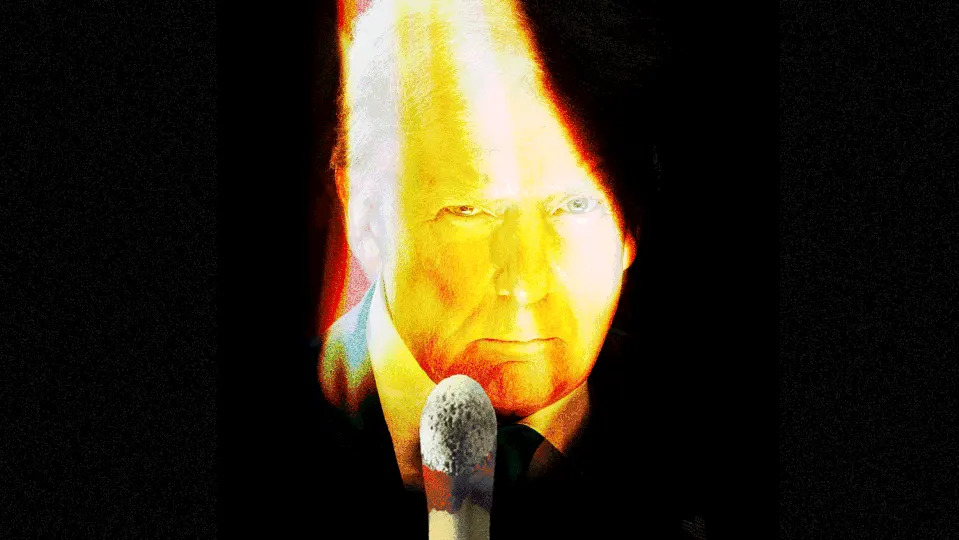
Photo Illustration by Elizabeth Brockway/The Daily Beast/Getty
Jun 14: Massive "No Kings" protests across the nation inspired imagery of a leader confronted by collective dissent.
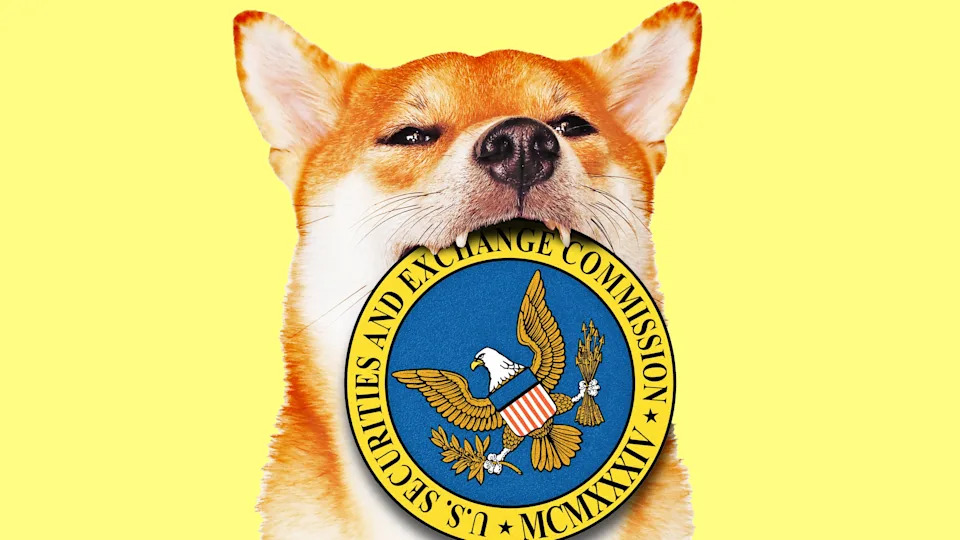
Photo Illustration by Thomas Levinson/The Daily Beast/Getty
Jun 22: Reporting on risky posturing toward Iran was illustrated with a GIF of a man playing with matches in an oilfield — an apt visual for a story about escalation.
Photo Illustration by Elizabeth Brockway/The Daily Beast/Getty
Jul 1: Concerns about digital assets and regulatory overreach — notably DOGE-related pressures — were captured in visuals accompanying coverage of SEC worries.
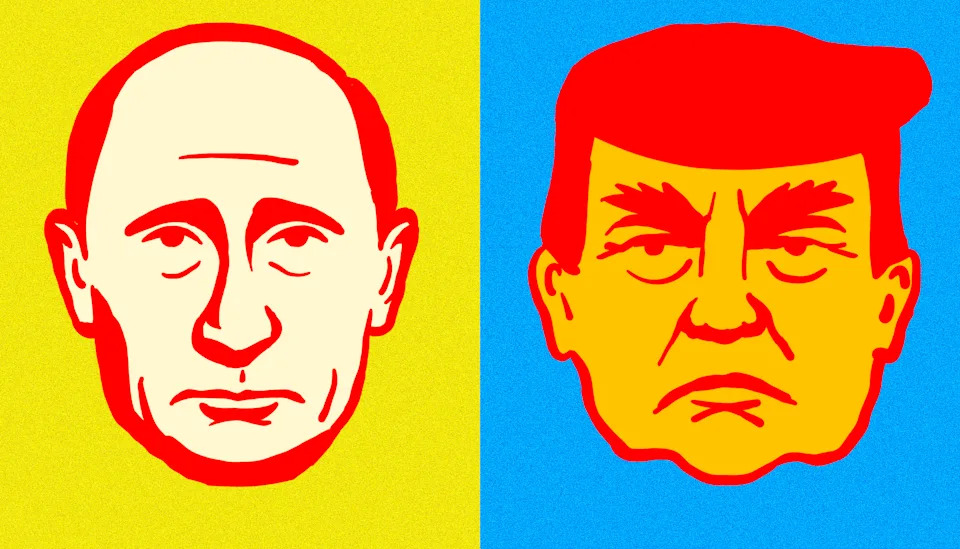
Illustration by Eric Faison/The Daily Beast
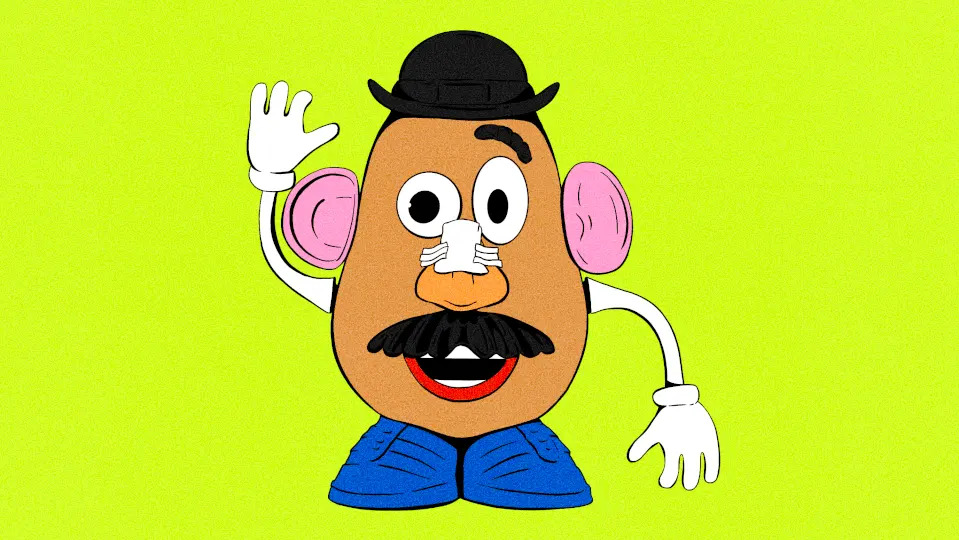
Aug 6 & Aug 18: A renaming frenzy and a satirical MAGA makeover of Ukraine’s president produced sharp political commentary in both static and animated form.
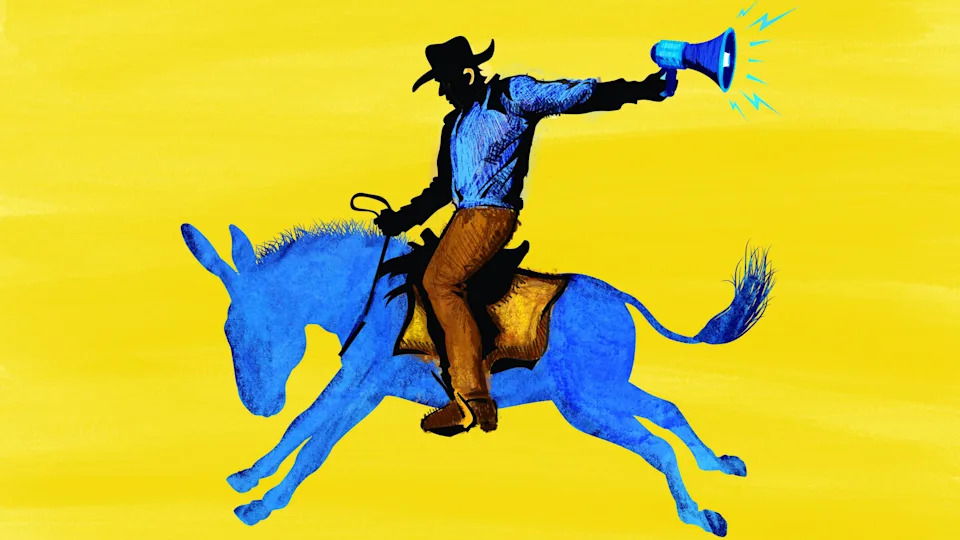
Photo Illustration by Thomas Levinson/The Daily Beast/Getty
Oct 21: The canceled Alaska summit with Vladimir Putin led to a Soviet-style visual riff on the thwarted meeting.
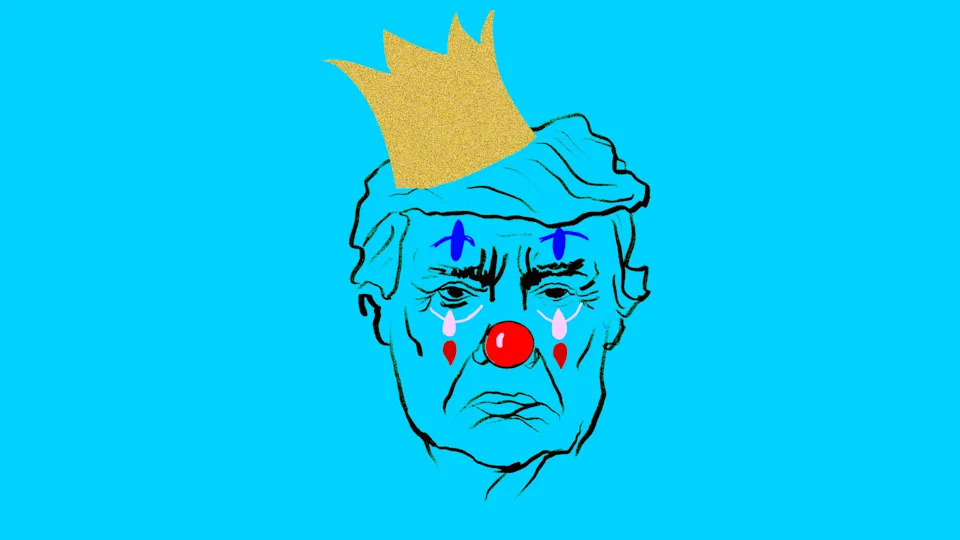
Illustration by Eric Faison/The Daily Beast
Nov 8 & Nov 17: Election setbacks for Republicans and a fresh Epstein-related reversal for Trump were both paired with images that distilled public reaction — from an energized donkey to a late-night pity-party caricature.
Elizabeth Brockway/The Daily Beast
Dec 3: Coverage of foreign trolls posing as MAGA influencers included a satirical profile and imagery that mocked the ruse and its consequences.
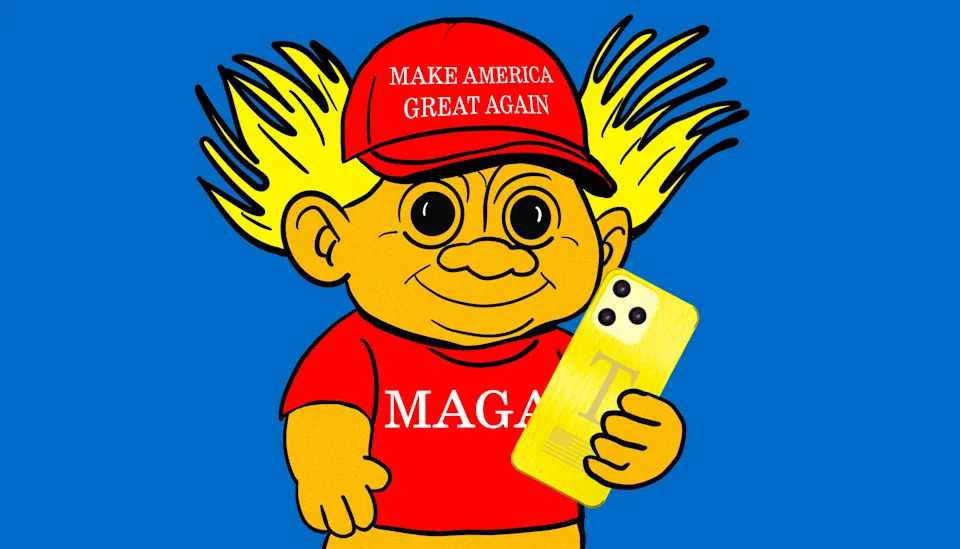
Illustration by Eric Faison/The Daily Beast
Why the Work Mattered
The Beast’s illustrations did more than decorate stories: they shaped readers’ immediate impressions, clarified complex narratives and amplified satire in ways words alone often cannot. The team’s heavy use of GIFs alongside static art reflected how visual media evolved in the 2020s, giving readers quick, shareable commentary that matched the pace of the news cycle.
We can’t predict 2026. But the Daily Beast’s small, fearless art team will continue to translate the year’s dramas, scandals and shocks into bold visual work. Revisit these pieces to see how illustration helped narrate a year that often felt like it was on fire.


