Shipwrecks have produced some astonishing and unexpected finds: a sealed tin of 17th‑century cheese from the Kronan; a nearly intact six‑foot sturgeon from the 1495 Gribshunden; and 200‑year‑old beer from the Sydney Cove whose yeast was resurrected by modern brewers. The 1622 wreck of the Nuestra Señora de Atocha yielded about 70 pounds of emeralds, including a 25.87‑carat stone, and the Antikythera Mechanism remains the oldest known analog device for predicting celestial events.
Five Remarkable Treasures Recovered From Shipwrecks — From 200‑Year‑Old Beer To An Ancient “Computer”
See some of the most unique items ever found on a shipwreck lost at sea
When we picture shipwreck finds we often imagine coins, crates or passenger effects. But some wrecks have yielded far rarer, stranger and culturally important objects — from preserved food and drink to priceless gemstones and ancient technology. Below are five of the most remarkable discoveries recovered from sunken ships.
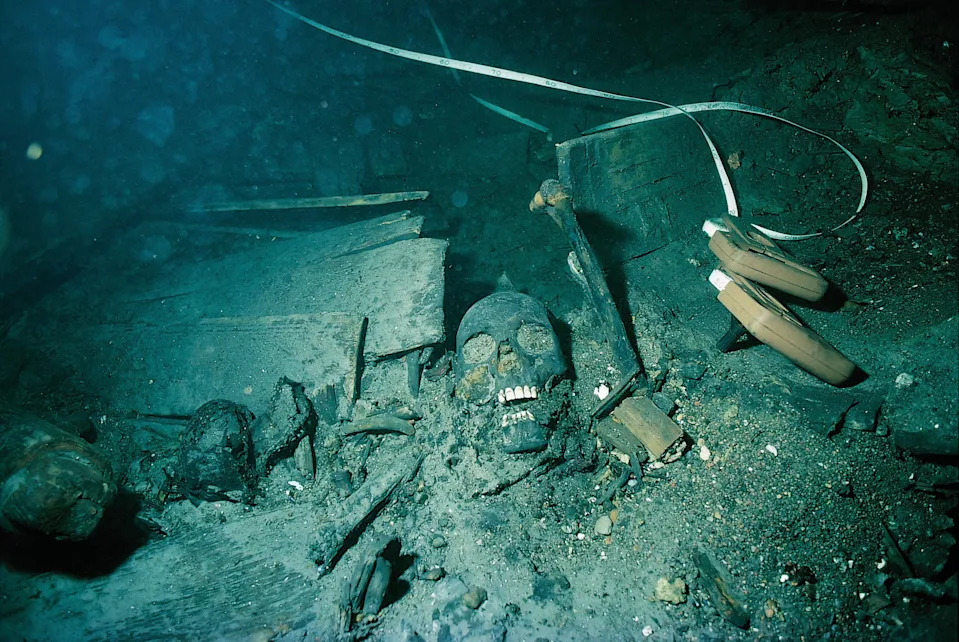
Images of the remains of the royal ship, Kronan. The Kronan sank in 1676 off the coast of Sweden after a battle again the Danish-Dutch Fleet.
17th‑Century Cheese From the Kronan
The Kronan, a Swedish battleship that sank in 1676 after a battle with a Danish‑Dutch fleet, has produced tens of thousands of artifacts since its discovery in 1980. Divers recovered a sealed tin that appeared to contain 17th‑century cheese. When the can reached the surface it released a strong odor — divers compared it to a mixture of yeast and Roquefort — and experts cautioned against tasting it. Archaeologists have cataloged more than 30,000 objects from the wreck, making the Kronan a unique time capsule of 17th‑century naval life.
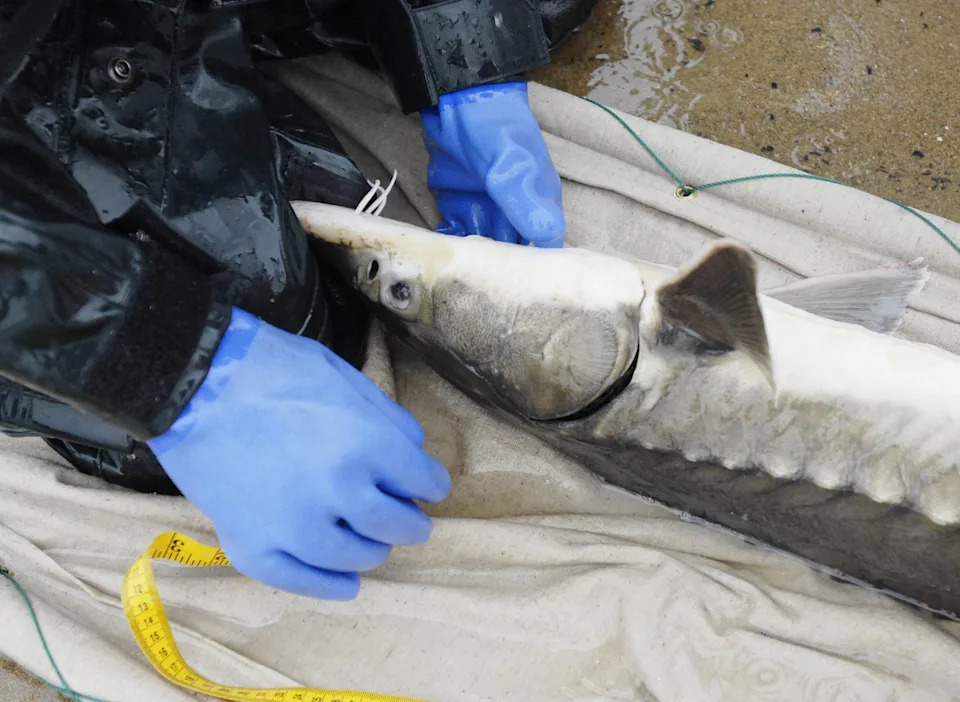
Staff photo by Shawn Patrick Ouellette: A student takes measurements for a University of New England study of an Atlantic sturgeon before releasing him into the Saco River.
A Nearly Whole Sturgeon From the Gribshunden
In the late 1990s marine archaeologists recovered a barrel from the Swedish warship Gribshunden that still contained almost a whole fish. The Gribshunden caught fire and sank in 1495 while carrying King Hans of Denmark from Copenhagen to Kalmar; the king had brought a six‑foot sturgeon aboard as a luxury item to impress the Swedish court. Because of the Baltic Sea’s low oxygen and cold conditions, the sturgeon remained remarkably well preserved after roughly five centuries on the seabed.
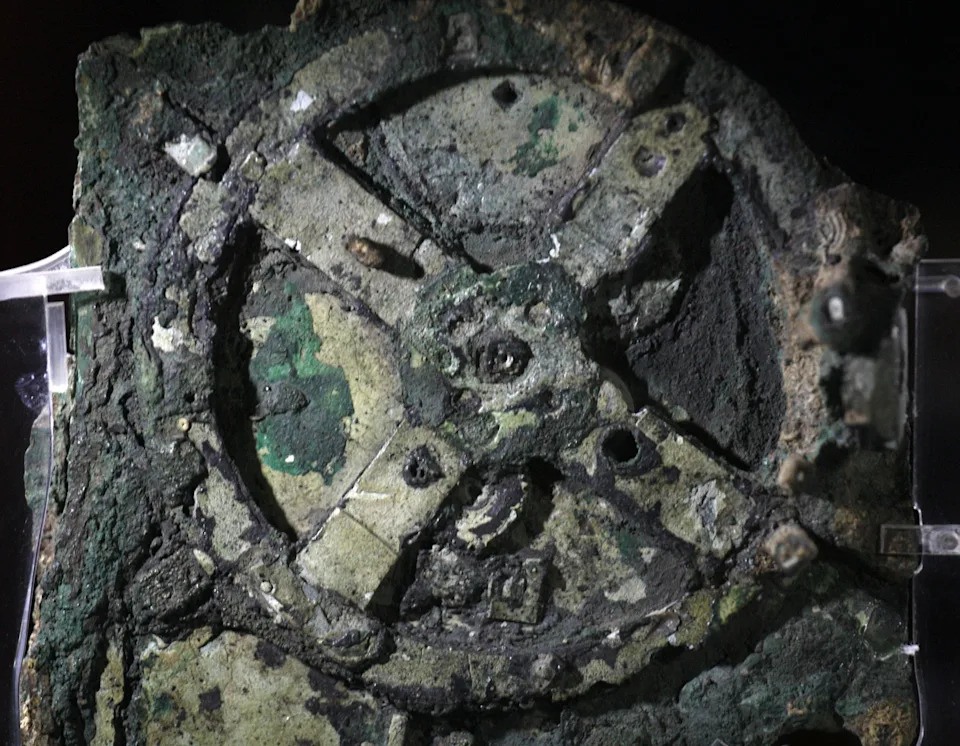
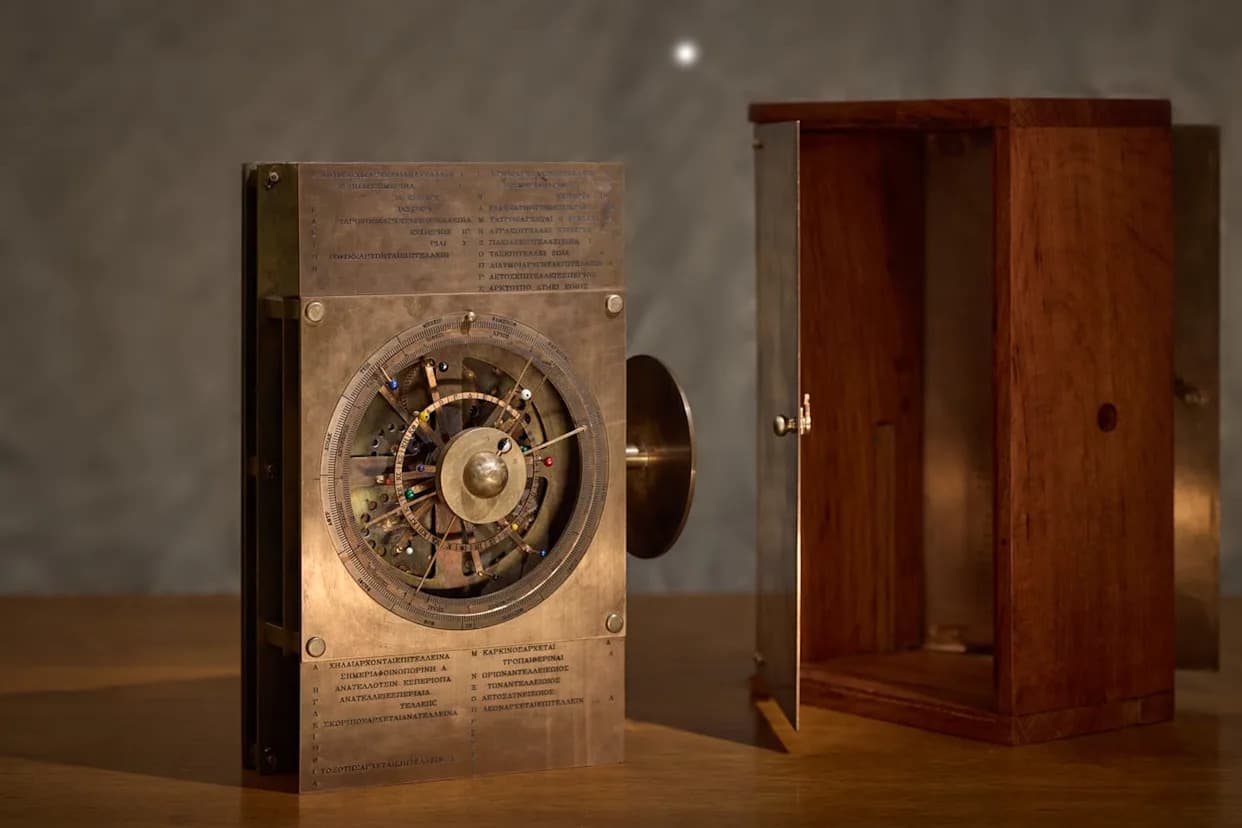
The Antikythera mechanism, 205 BC. Found in the collection of the National Archaeological Museum, Athens. Artist : Historic Object.
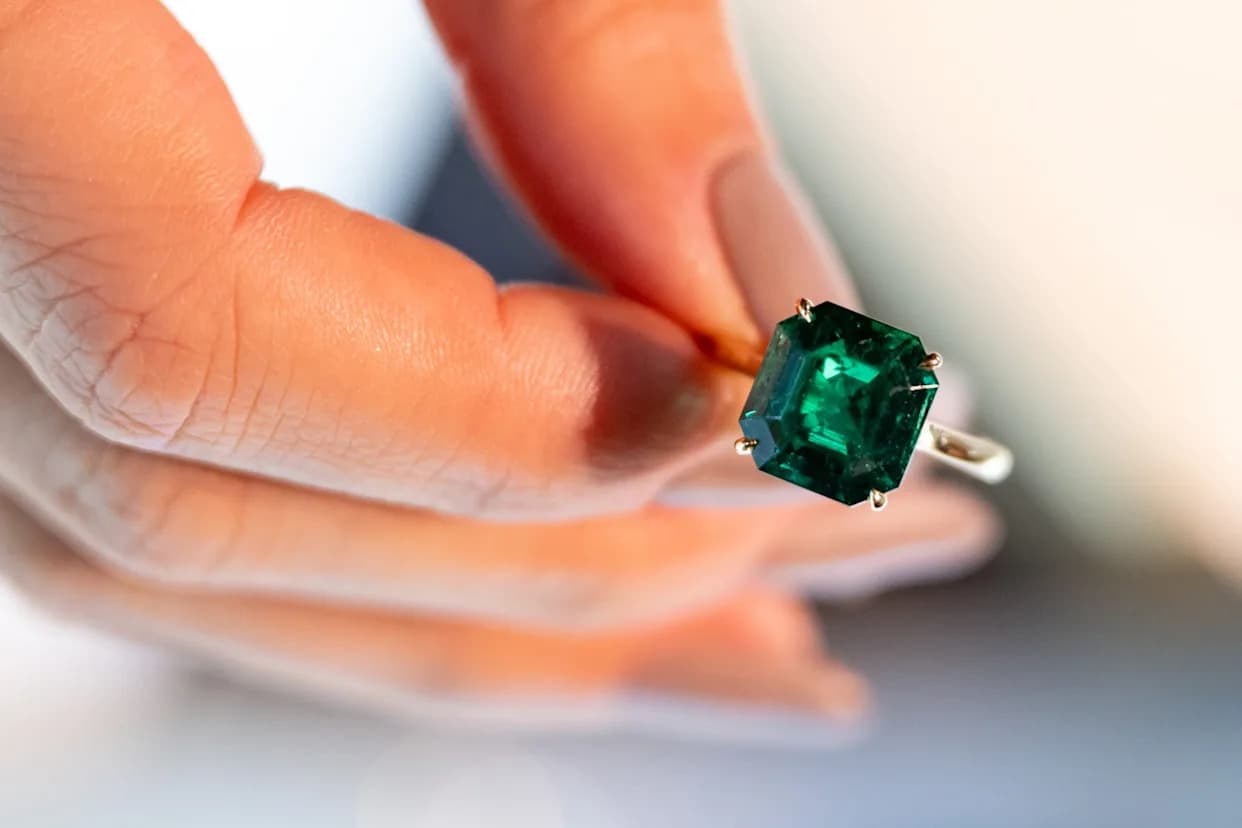
The Atocha Emeralds
In 1985 treasure hunters recovered a vast cache of gems and silver from the wreck of the Spanish ship Nuestra Señora de Atocha, which sank in a hurricane off the Florida Keys in 1622. The haul included roughly 70 pounds of emeralds and several tons of silver; one emerald weighed more than 25.87 carats. The Atocha treasure has been valued at hundreds of millions of dollars and remains one of the most famous maritime finds.
The Antikythera Mechanism
Recovered in 1901 from a Roman‑era shipwreck near the Greek island of Antikythera, an encrusted mechanical device puzzled scholars for decades. Subsequent study revealed the Antikythera Mechanism to be a geared astronomical calculator — often described as the world's oldest known analog computer — capable of predicting eclipses, lunar phases and other celestial cycles. It dates to around the first century BCE and transformed our understanding of ancient technological sophistication.
200‑Year‑Old Beer From the Sydney Cove
Marine archaeologists exploring the merchant vessel Sydney Cove — which was damaged in 1797 while sailing from India to Port Jackson and later rediscovered — found sealed glass bottles containing beer. Remarkably, scientists identified a rare hybrid yeast strain preserved in the bottles. In 2018 an Australian brewery collaborated with researchers to re-create a porter‑style beer using that historic yeast, bringing a literal taste of maritime history back to life.
Why these finds matter: Shipwrecks can act as time capsules. Cold, low‑oxygen waters and sealed containers preserve organic materials and delicate artifacts that would otherwise be lost, providing unique windows into the past — from daily life aboard ships to advances in ancient technology and the trade in luxury goods.
Help us improve.