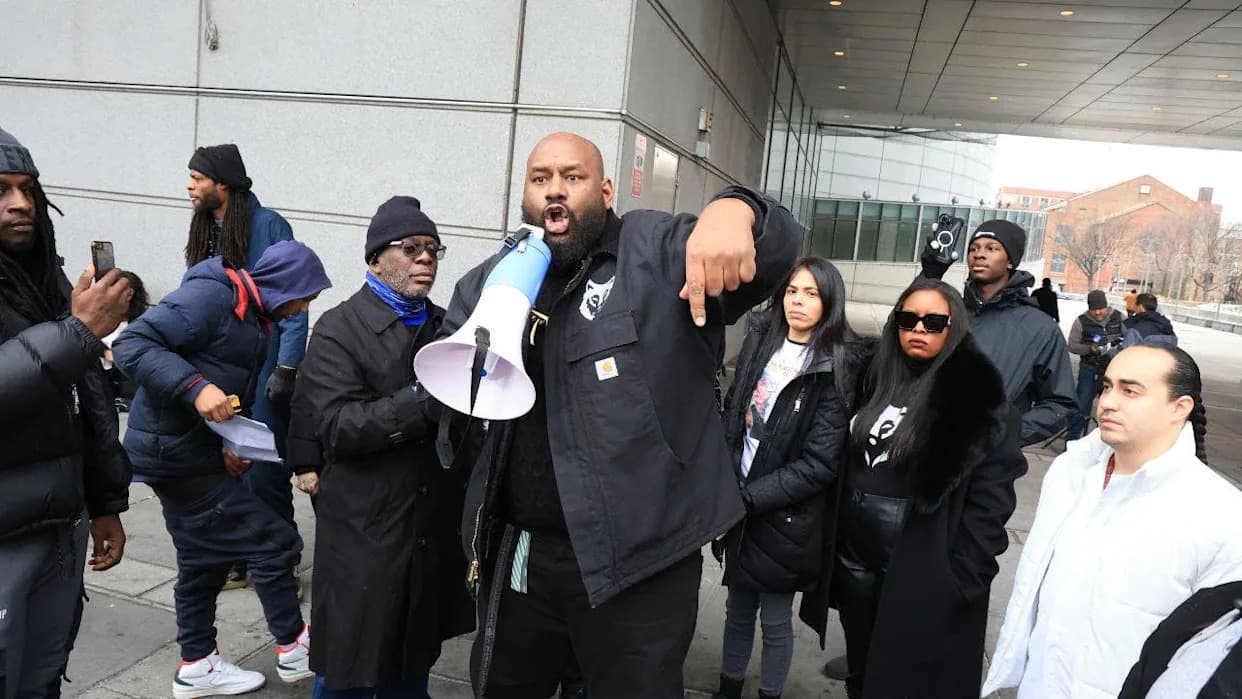
The UK has proposed creating a new tier of jury-free "swift" courts to handle offences carrying up to three years in prison, aiming to clear a Crown Court backlog of nearly 80,000 cases that could reach 100,000 by 2028. The plan keeps jury trials for the most serious crimes but has prompted political and legal opposition who warn it risks eroding a centuries-old right. Critics argue the real problem is chronic underfunding and limited court sitting days, while victims' groups say delays already retraumatise survivors and there is no clear evidence the reforms will shorten waits.
UK Proposes Jury-Free 'Swift' Courts to Clear Crown Court Backlog — Critics Warn of Threat to a Centuries-Old Right

The UK is grappling with an acute backlog of cases waiting to go to trial. - Yui Mok/PA/Getty Images
For centuries in England and Wales, people accused of serious crimes have had the right to be tried by a jury of their peers. That long-established safeguard is now at the centre of a heated debate after the UK government proposed creating a new tier of jury-free "swift" courts to handle offences carrying sentences of up to three years.
What the Reforms Would Do
Announced by Justice Secretary David Lammy, the plan would move many cases previously heard in Crown Courts — including some fraud, robbery and drug offences — into faster, judge-only courts. Offences that would still be eligible for jury trial include murder, manslaughter, sexual assault, people trafficking, grievous bodily harm and prosecutions deemed to be in the public interest. The measures would not apply to Scotland or Northern Ireland, which have separate legal systems, nor to minor offences already handled without juries, such as most motoring or public order matters.
Why Ministers Say Change Is Needed
Ministers and court officials argue the system is in crisis. Nearly 80,000 criminal cases are waiting to be heard in the Crown Courts, a backlog officials say could rise to about 100,000 by 2028. Government data show 13,238 of those outstanding cases involve sexual offences. Victims and defendants can be forced to wait years for trials, with some victims withdrawing because of repeated delays.
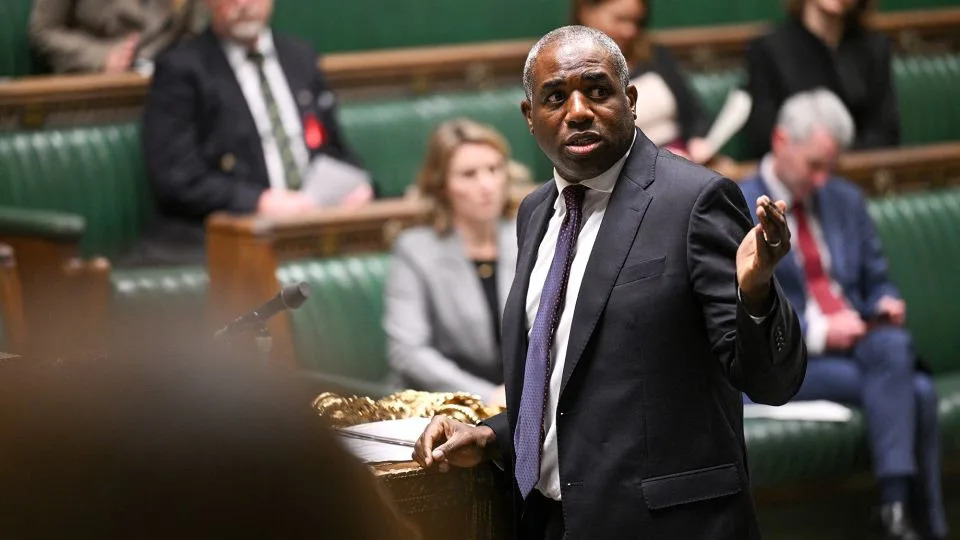
The UK's Justice Secretary and Deputy Prime Minister David Lammy announced the reforms earlier this month. - House of Commons/Reuters
"Justice delayed is justice denied," Sarah Sackman, minister of state for courts and legal services, told the House of Commons as she argued for speeding up the process for victims and defendants alike.
Voices of Concern
Legal experts, campaigners and politicians have raised strong objections. Critics warn removing juries from many trials risks eroding a fundamental civil liberty and could reduce public confidence in the justice system. Conservative MP Robert Jenrick described the proposal as a "disgrace" that shreds an ancient right. Helena Kennedy KC, a Labour peer, suggested the move reflects a belief among some politicians that ordinary people are not up to deciding complex cases, and she pointed to chronic underfunding as the real root problem.
Defence voices also point to research showing jury panels can introduce a wider range of life experiences and perspectives, which may help counteract bias that can arise when a single judge makes the decision. A 2017 independent review, led by David Lammy when he was a backbench MP, found evidence of racial bias in the justice system but concluded juries were more likely than judge-only trials to act as a "filter for prejudice."
Impact On Victims And Campaigners
Victims' groups and charities say delays already retraumatise survivors. Rape Crisis England & Wales (RCEW) published a report, "Living in Limbo," documenting repeated adjournments — in some cases more than six — that disrupt lives and lead many survivors to withdraw from prosecutions. Some organisations have gone further and called for pilots of juryless trials for sexual offences, arguing the current process is causing serious harm to complainants.
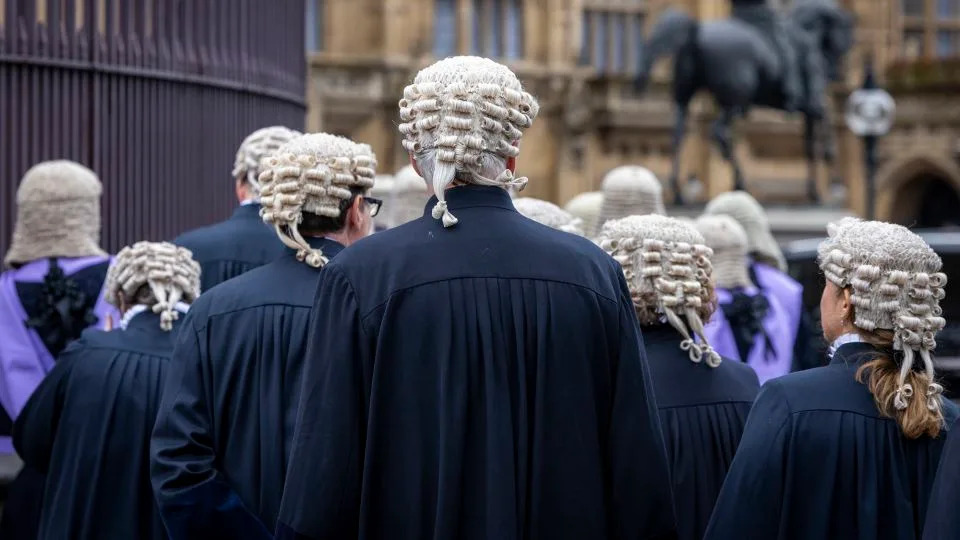
Trial by jury in the UK can be traced back to the Magna Carta in the 13th century, seen as the foundation of the modern justice system. - Andrew Aitchison/In Pictures/Getty Images
One survivor quoted in reports said: "Too stressful, it took too long. It ruined my life and I thought I'd lose my family if I carried on with the case."
Practical Questions Remain
Opponents also argue the reforms are a blunt tool that will not solve the underlying capacity crisis. Several Labour backbenchers urged Prime Minister Keir Starmer to reverse the plans and argued the government should instead increase court sitting days and resource levels. They point to unused courtrooms and limits on sitting days — officials say around 130,000 sitting days are available but that restrictions reduce those by about 20,000 a year — as examples of inefficiencies that better funding could address.
Criminal barrister Lachlan Stewart cautioned there is no clear evidence the proposed reforms will actually reduce waiting times. "There’s no data to show this will make the system more efficient," he said, noting that the Covid-19 pandemic left the system with little slack to recover from long interruptions.
What Comes Next
The government is expected to take the proposals through consultation and further legislative steps. The debate highlights a central tension: whether to prioritise speed and capacity in a clogged system or to defend a long-standing civic safeguard that many view as essential to fairness and public trust.
Key facts: nearly 80,000 Crown Court cases pending, 13,238 of which involve sexual offences; proposed jury-free courts would cover offences with sentences up to three years; serious crimes would remain eligible for jury trials; proposals do not affect Scotland or Northern Ireland.
Help us improve.