Rep. Elise Stefanik’s sudden retirement after a difficult 2025 illustrates a familiar pattern in Republican politics: fierce loyalty to Donald Trump does not always secure reciprocal support. Once a cautious 2016 moderate, Stefanik reinvented herself as a staunch Trump ally and rose to party leadership. In the past year she faced public slights, a withdrawn U.N. nomination and no firm endorsement for her gubernatorial bid, prompting frustration and ultimately her decision to step back.
Elise Stefanik’s Abrupt Exit Exposes the Limits of Trump’s Loyalty

Contemporary Republican politics is marked by a recurring pattern: prominent officials who offered Donald Trump fierce loyalty only to find themselves sidelined when it mattered most. Representative Elise Stefanik of New York appears to be the latest example after her surprise retirement announcement following a bruising 2025.
From Moderate To Party Loyalist
Stefanik’s trajectory shifted dramatically over the last decade. In 2016 she often projected a relatively moderate image and at times avoided invoking Trump’s name publicly. She described herself as one of Congress’s "most bipartisan" members and, in 2017, broke with most Republicans by voting against the party’s major tax package.
But by 2020 Stefanik had recalibrated her politics. The New Yorker and other outlets reported that she repositioned herself as a conservative hard-liner and a public Trump loyalist, a change that helped her rise inside the GOP. After the 2020 election and the intra-party fight that followed, Liz Cheney was removed as House Republican Conference Chair and Stefanik was elevated to replace her.
"Representative Elise Stefanik, Republican of New York, was willing to be the team player with the stiff upper lip. But everyone has their limits. After a series of public humiliations delivered to her by President Trump … Ms. Stefanik on Friday afternoon announced she’d had enough." — The New York Times
Promises Unfulfilled
In recent years, the relationship between Stefanik and Trump cooled. Reports say Trump briefly nominated her to be U.S. ambassador to the United Nations but dropped the idea because of concerns about losing her House seat. Later, during an Oval Office event with New York City Mayor-elect Zohran Mamdani, the president publicly undercut her.
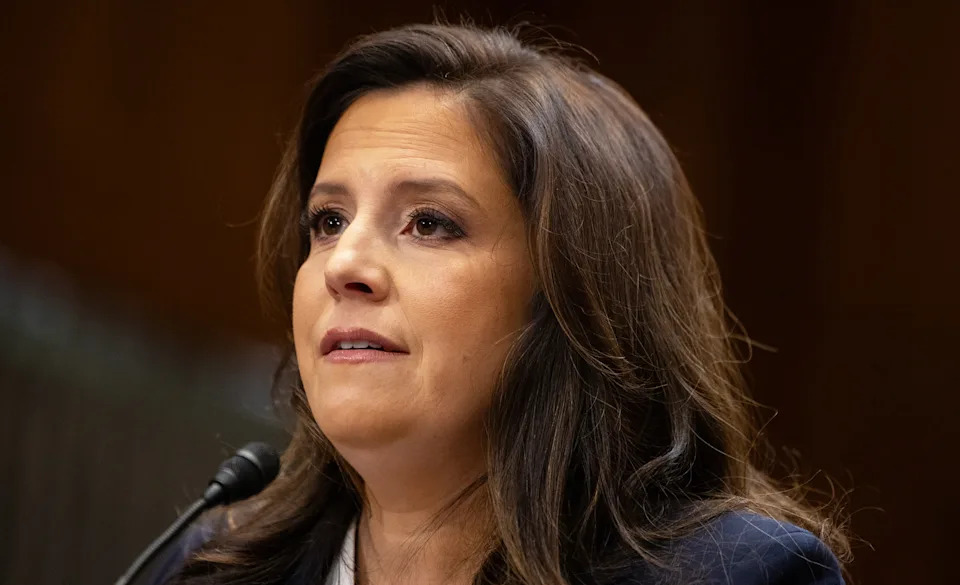
Congresswoman Elise Stefanik speaks at a confirmation hearing on Jan. 21, 2025 in Washington, D.C.(Nathan Posner / Anadolu via Getty Images)
When Stefanik launched a bid for governor, many expected at least a public endorsement from the president she had backed repeatedly. Instead, Trump hedged; a Republican primary challenger emerged, and the lack of a clear endorsement made her path considerably harder. According to The New York Times, Stefanik was "privately livid at Mr. Trump and deeply frustrated with her job in Congress," and advisers said there was uncertainty about whether she would finish her term.
Soon after she announced her retirement, Trump posted on his social platform praising her and writing, "I am with her all the way!" But the timing and prior slights convinced many observers that his support was insufficient to keep her in the fight.
What This Means
Stefanik’s departure highlights a broader political dynamic: loyalty can be a one-way street in modern presidential politics. Her experience underscores the risks for officials who stake their careers on a single powerful patron, and it raises questions about how durable party alliances are when political circumstances shift.
Sources: This account draws on reporting from The New York Times, The New Yorker and contemporaneous press coverage.
Help us improve.