President Trump’s awkward year‑end address and slipping approval ratings have sped up early positioning for the 2028 presidential primaries. Rep. Alexandria Ocasio‑Cortez has emerged as a consequential figure, polling competitively in some surveys and building influence through the 2026 midterm effort. While market odds currently favor figures such as Gov. Gavin Newsom and Vice President J.D. Vance, concerns about Trump’s messaging and stamina have created opportunity for Democratic contenders. Watch Ocasio‑Cortez’s media strategy and populist economic agenda as she seeks to shape the party’s debate heading into 2028.
2028 Jockeying Has Begun — Don’t Count Out Alexandria Ocasio‑Cortez
The opening bell for the 2028 presidential primary season has already sounded. President Trump’s uneven prime‑time address last week accelerated an unusually early scramble as donors, activists and potential 2028 contenders begin positioning for a post‑Trump political landscape.
Even before that stumble, conversations among influential donors and operatives in both parties were shifting toward what comes next. That momentum built after several November polls signaled strong Democratic prospects for the 2026 midterms and gathered steam when some Capitol Hill Republicans openly broke with the president on issues ranging from the Jeffrey Epstein files and filibuster maneuvers to policy disputes over health‑care subsidies.
Why AOC Matters
Rep. Alexandria Ocasio‑Cortez (D‑N.Y.) has emerged as one of the most talked‑about figures in that early jockeying. An early December Argument/Verasight survey released last week put Ocasio‑Cortez narrowly ahead of the likely Republican 2028 nominee, Vice President J.D. Vance, 51 percent to 49 percent — a lead that falls within the poll’s margin of error. The congresswoman punctuated the poll with a playful, defiant quip: "Let the record show I would stomp him!" and amplified the result on social media with a single emphatic word: "Bloop!"
"Let the record show I would stomp him!" — Rep. Alexandria Ocasio‑Cortez
Market‑based odds tell a different short‑term story: Polymarket currently assigns California Gov. Gavin Newsom an 18 percent chance of winning in 2028, Ocasio‑Cortez 8 percent, and Vice President Vance 31 percent. Still, those probabilities can shift quickly in a volatile political environment.
Trump’s Position And The GOP Outlook
President Trump’s approval ratings have been weak and, in some measures, slipping. Late‑November Gallup polling registered 36 percent approval and 60 percent disapproval. Early December Fox News polling showed 56 percent disapproval, while Emerson College found roughly 50 percent disapproval, leaving the president broadly underwater as 2025 closed.
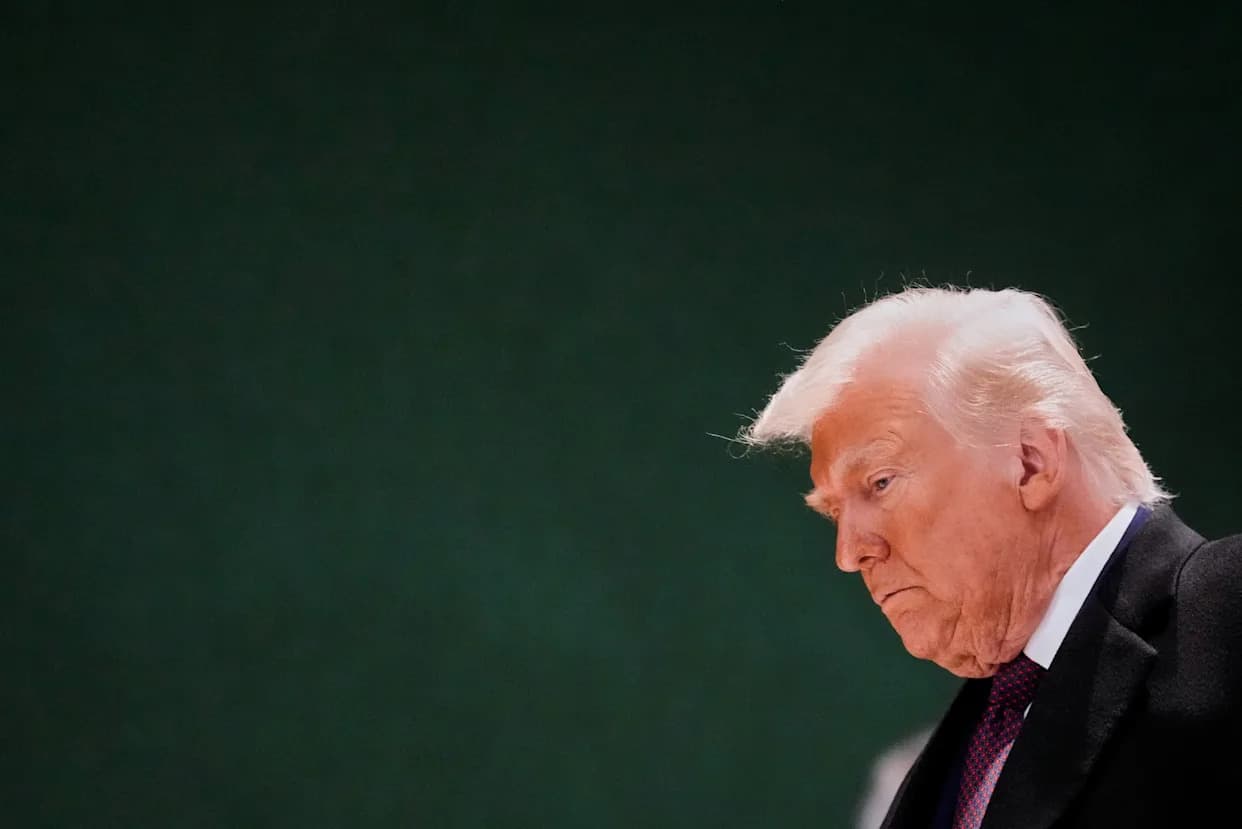
The president’s year‑end television remarks did little to reassure undecided voters on economic concerns and rising prices; even some allies described the performance as uneven. Media commentary highlighted an agitated delivery — including one physician on television who compared the cadence to a concerning pattern — and outlets published photos and reports that renewed questions about the president’s health and stamina. The speech also prompted bipartisan unease after the president suggested a link between public criticism and a recent violent attack on a filmmaker, a line that many found alarming.
Compounding tensions within the White House, a Vanity Fair profile quoted a top aide describing the president in blunt terms and criticizing Vice President Vance. Susie Wiles reportedly characterized the president as having "an alcoholic’s personality" and called Vance "a conspiracy theorist," comments that intensified internal and public scrutiny.
Why This Creates An Opening For Democrats
On the Republican side, Vance’s fortunes remain tethered to Trump’s. After a year as vice president, some GOP colleagues privately describe Vance as unexpectedly flat on the stump and short on the charisma — or "rizz" — often needed to energize broad crowds. By contrast, Ocasio‑Cortez has expanded her national profile through high‑visibility appearances, including a touring partnership with Sen. Bernie Sanders (I‑Vt.) on their "Fighting the Oligarchy" events earlier this year.
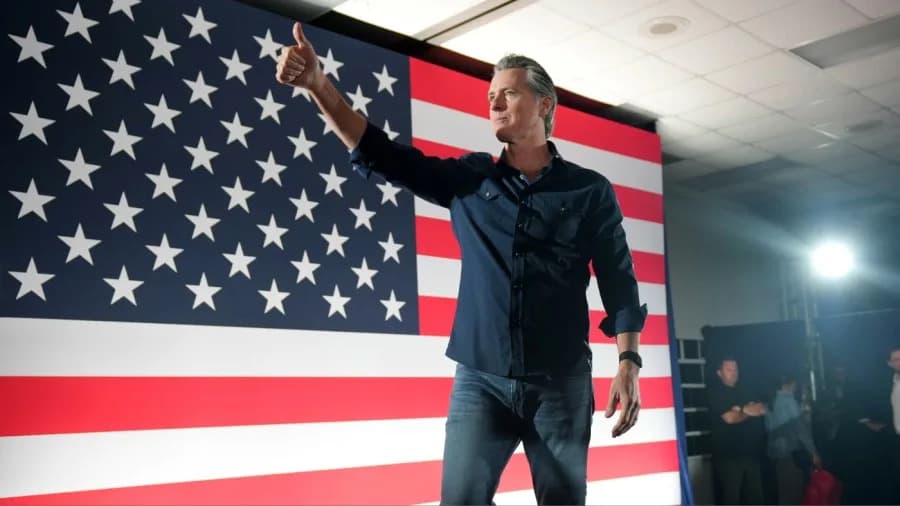
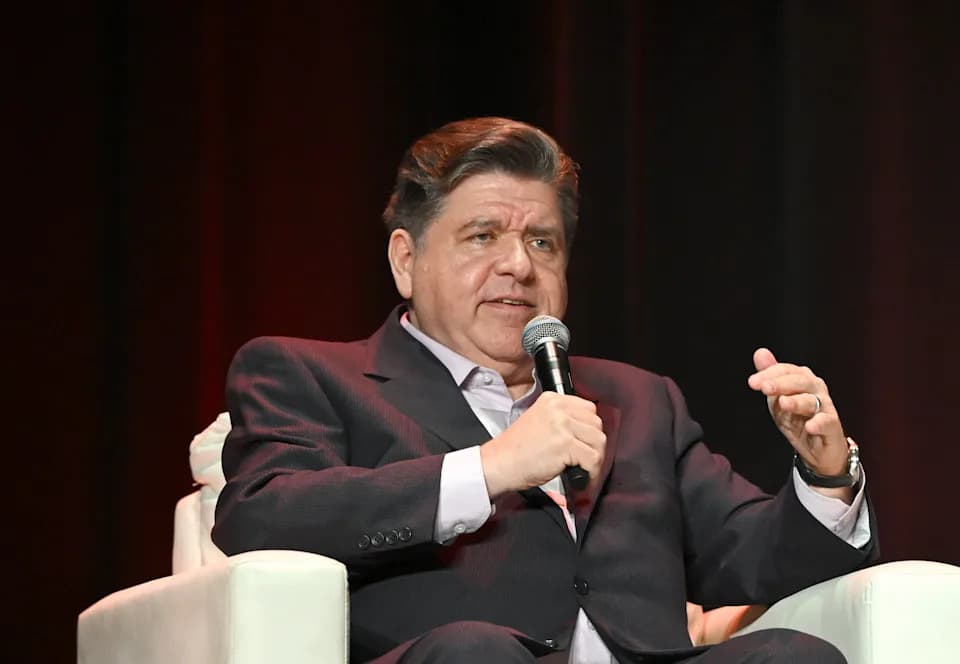
Several prominent Democrats are already preparing to mobilize: Gov. Gavin Newsom, Illinois Gov. J.B. Pritzker, Sen. Ruben Gallego (Ariz.), Sen. Amy Klobuchar (Minn.), and former Chicago Mayor Rahm Emanuel are among those likely to organize early if the post‑Trump landscape encourages a competitive primary.
Meanwhile, Ocasio‑Cortez is playing an active role in the 2026 midterms — fundraising, energizing activists, and testing messages that could set the terms for a 2028 run. She has publicly challenged more cautious party elders for not moving faster to oppose Trump’s policies, from tax cuts that favored the wealthy to cozy relationships with tech billionaires.
Policy And Media Strategy
Ocasio‑Cortez’s appeal rests on a blend of media savvy and an economic populist agenda: raising the federal minimum wage, lowering the Medicare eligibility age, and increasing taxes on the wealthiest individuals and corporations. She also routinely calls out corporate influence and what she describes as self‑dealing in recent policy decisions, from crypto oversight to tariff policy.
Her willingness to embrace podcasts and social platforms — a contrast with some senior Democrats who avoid certain outlets — gives her a direct pipeline to younger and more activist segments of the Democratic base and helps her shape the party’s narrative early.
As 2025 ends, odds‑makers and political operatives will likely reassess their forecasts. The early maneuvering is underway, and Ocasio‑Cortez’s fundraising, media reach and clear policy priorities mean she should not be dismissed as the 2028 scramble intensifies.
About the author: Juan Williams is a senior political analyst at Fox News Channel and a civil‑rights historian. He is the author of "New Prize for These Eyes: The Rise of America’s Second Civil Rights Movement."
Help us improve.