The Justice Department’s partial, heavily redacted release of Jeffrey Epstein files — which identified about 1,200 people as victims or relatives — has triggered bipartisan criticism and political controversy centered on President Trump. Officials cite victim privacy and a massive volume of material as reasons for limited disclosure, while lawmakers threaten contempt or other enforcement actions if the department does not comply fully. Survivors and experts warn that key documents explaining earlier prosecutorial decisions are still missing, and the episode could linger as a political liability going into the midterms.
Slow Release of Epstein Files Fuels New Political Storm for Trump

Material marked with evidence tape inside the home of Jeffrey Epstein is shown in this image released by the Department of Justice in Washington, DC, on December 19, 2025. - U.S. Justice Department/Handout/Reuters
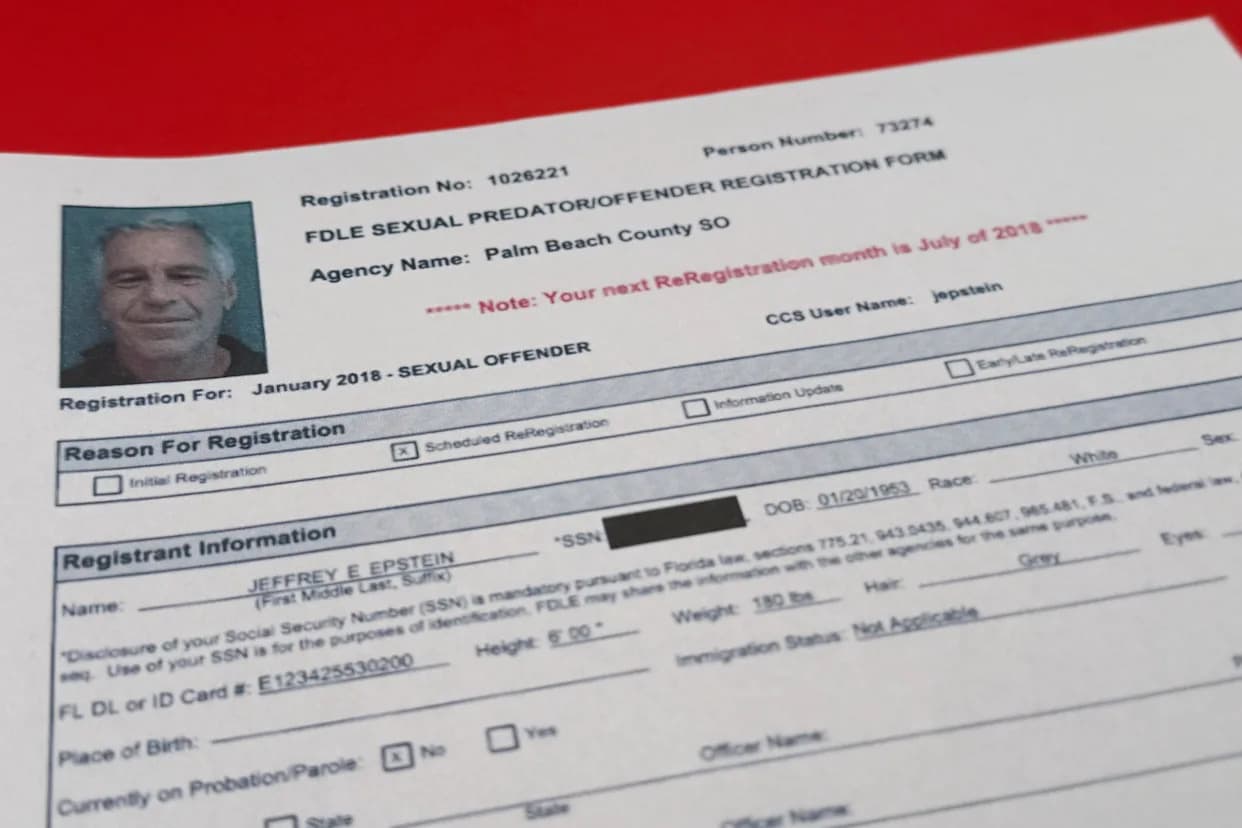
The Justice Department is facing mounting criticism after issuing a partial, heavily redacted release of documents from its Jeffrey Epstein case file to meet a statutory deadline. Officials say the limited disclosure is intended to protect alleged victims’ privacy, but critics from both parties argue the department’s approach falls short of the congressional mandate and may be politically motivated.
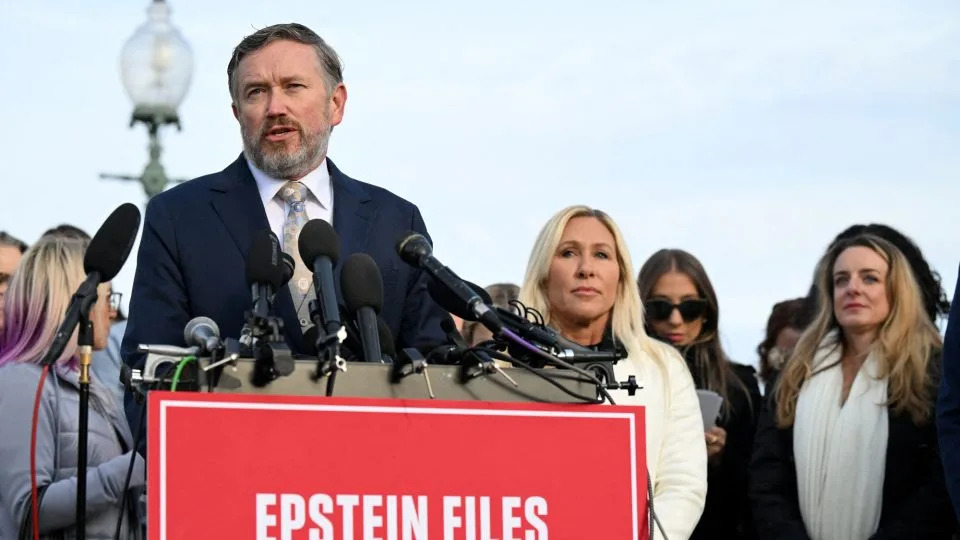
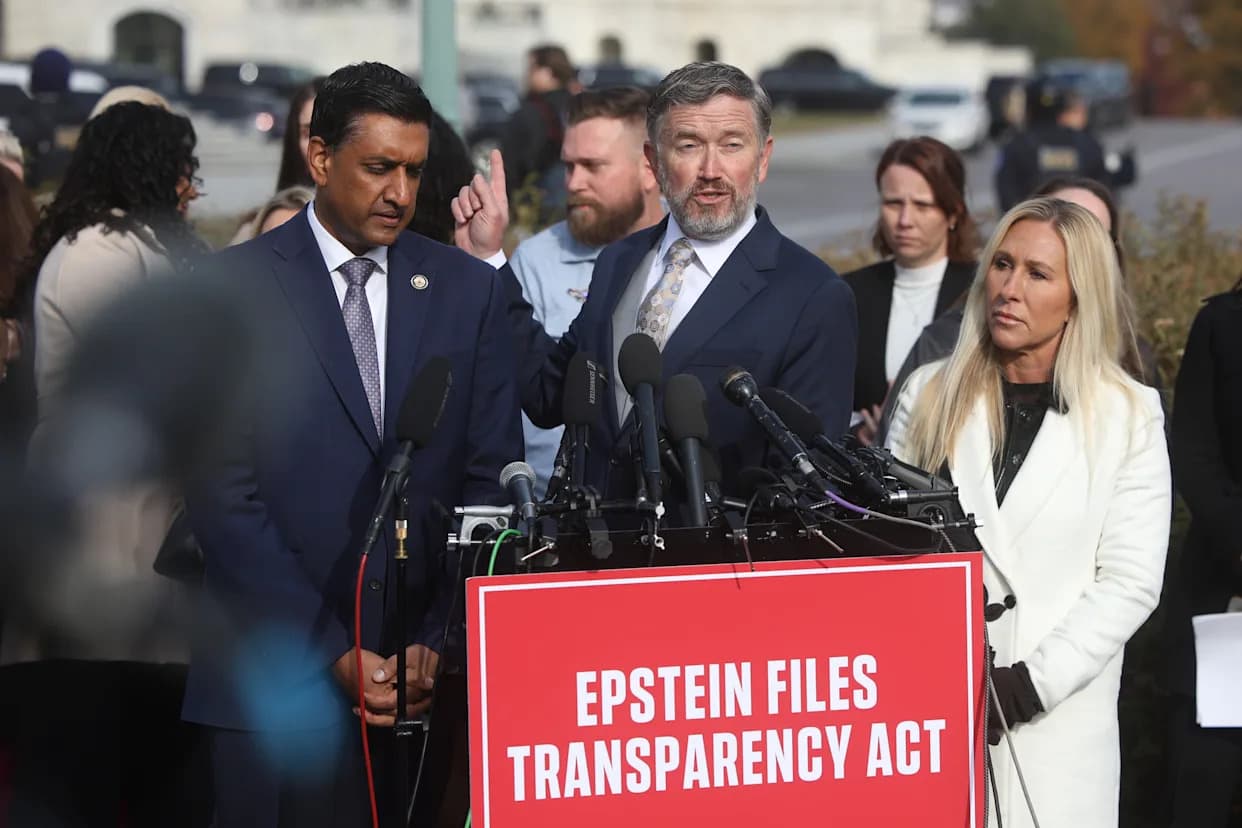
Rep. Thomas Massie, accompanied by Rep. Marjorie Taylor Greene, speaks during a press conference on the Epstein Files Transparency Act ahead of a House vote on the release of files related to the late convicted sex offender Jeffrey Epstein on Capitol Hill in Washington, DC, on November 18, 2025. - Annabelle Gordon/Reuters
What Was Released
The partially released packet includes material drawn from dozens of hard drives, old CDs and other devices and identifies roughly 1,200 people as victims or relatives of victims. However, hundreds of thousands of additional items remain under review, and many legal experts say key documents needed to explain why Epstein was not prosecuted earlier have not yet appeared.

This photograph, file 468, from the Epstein files that includes a photo of Donald Trump. - Screenshot/CNN
Political Backlash
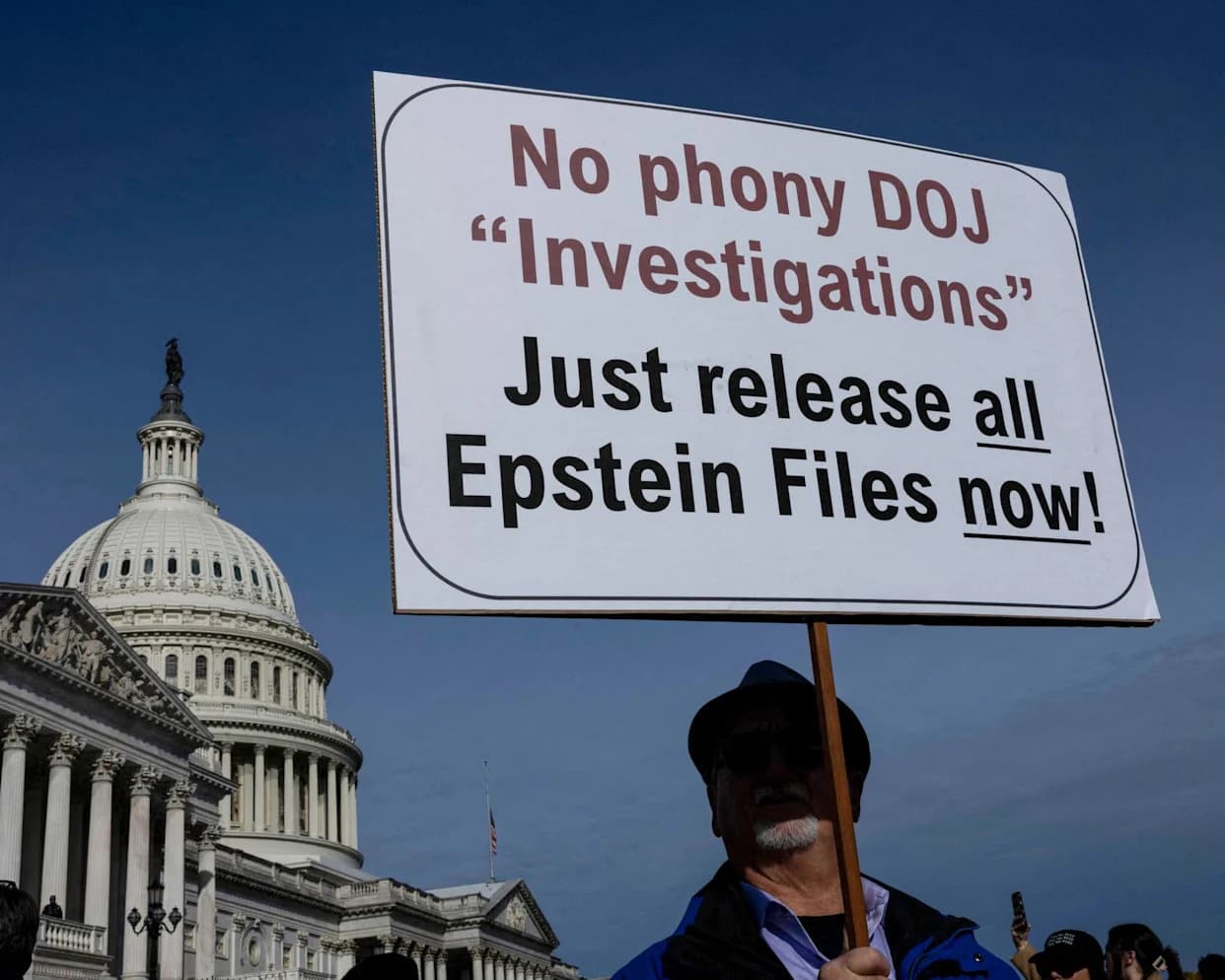
Lawmakers from both parties have signaled that they will push for fuller compliance. Rep. Thomas Massie (R-Ky.), a leading proponent of the disclosure effort, said the administration is “flouting the spirit and the letter of the law,” and Rep. Ro Khanna (D-Calif.) warned of possible contempt proceedings against Attorney General Pam Bondi if the Justice Department does not produce the remaining material. Rep. Jamie Raskin (D-Md.) questioned the department’s motives and its deference to victims.

Ghislaine Maxwell and Jeffrey Epstein are seen in this image released by the Department of Justice on December 19, 2025. - US Justice Department/Reuters
Deputy Attorney General Todd Blanche defended the department’s handling of the files, noting the sheer volume of material and the need to safeguard victim information: "You’re talking about a million or so pages of documents. Virtually all of them contain victim information."
Contested Redactions And Photographs
Many released documents contained substantial redactions, which critics say exceed the statute’s allowances. Among the materials was a photograph showing former President Bill Clinton; a separate image including former President Donald Trump was briefly removed from the Justice Department website and restored after review. Neither Clinton nor Trump has been accused of criminal conduct in connection with Epstein.
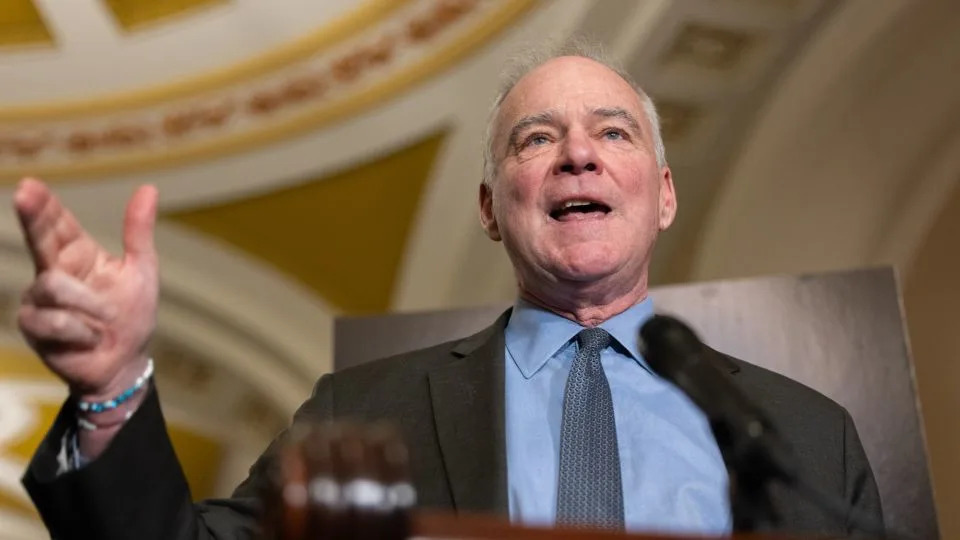
Sen. Tim Kaine speaks at a news conference in Washington, DC, on December 16, 2025. - Nathan Posner/Anadolu/Getty Images
Legal Context
The disclosures follow the Epstein Files Transparency Act, which requires the Department of Justice to make unclassified records related to Epstein and his associates public while permitting redactions to protect victims and ongoing investigations. President Trump initially opposed the measure before signing it amid GOP pressure.
What This Means Politically and for Survivors
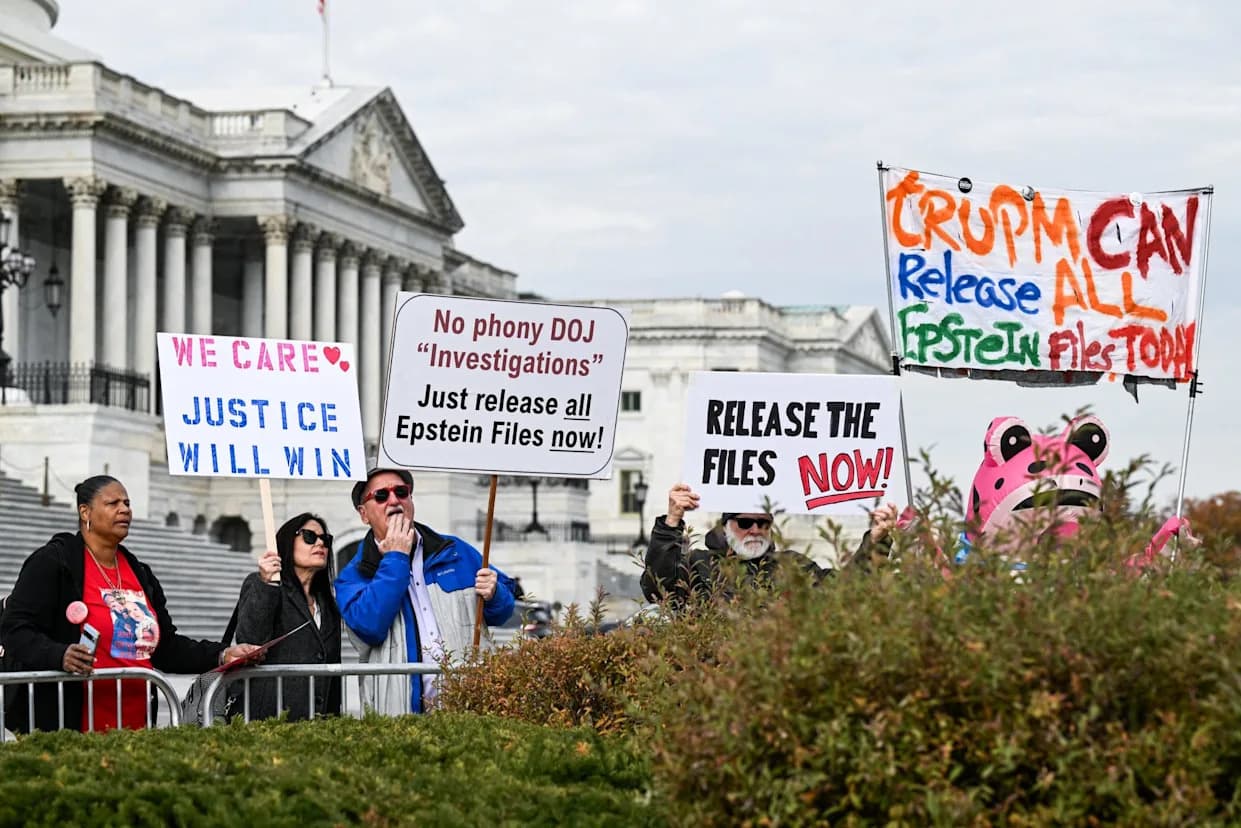
The partial release has intensified scrutiny of the department and threatens to keep the Epstein story in the headlines through the midterm elections. Survivors and advocates say the limited disclosures risk reopening trauma without delivering answers or accountability. Many expect continued congressional pressure and possible enforcement actions if the DOJ does not accelerate and broaden its releases.
Bottom line: The Justice Department insists it is complying while balancing privacy and logistical concerns; lawmakers and victims’ advocates say the disclosures are insufficient and are preparing additional oversight and enforcement steps.
Help us improve.