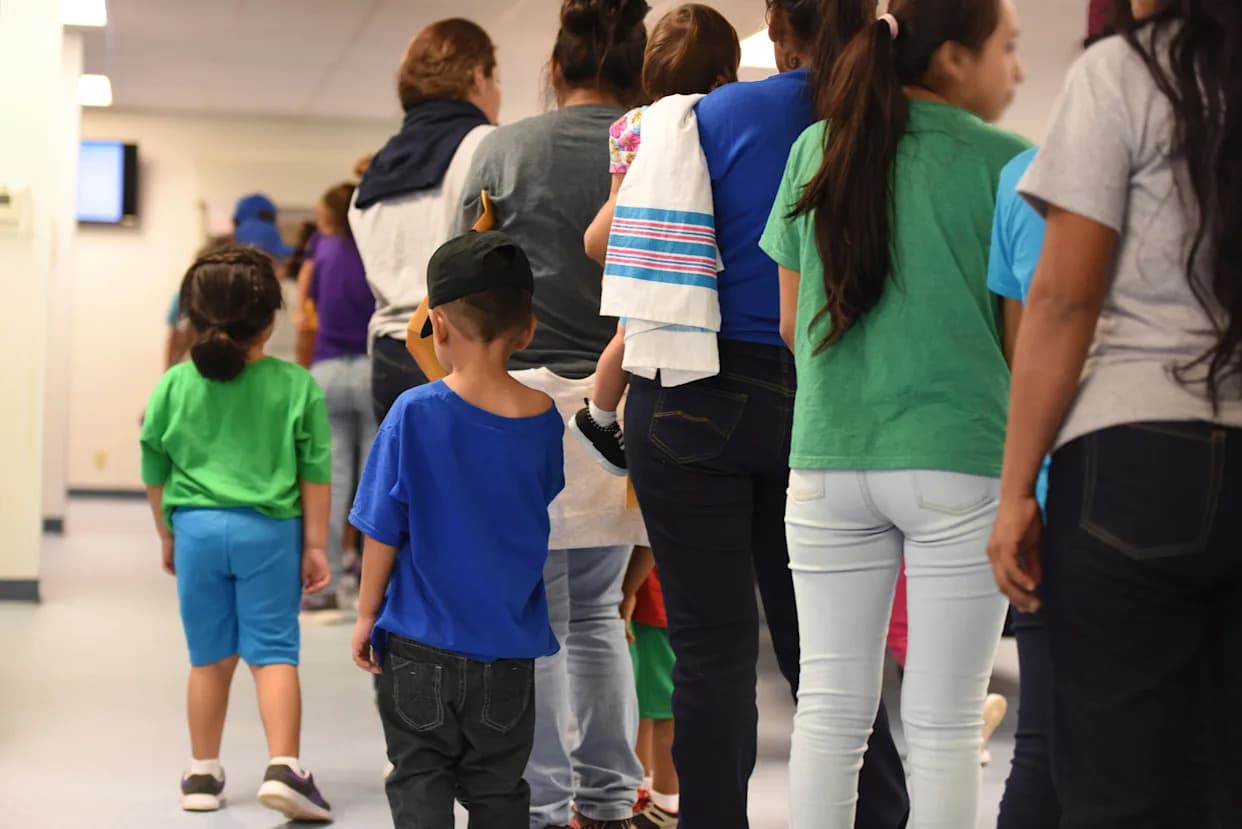
UNICEF Executive Director Catherine Russell told "Face the Nation" that more than 200 million children worldwide will need humanitarian assistance next year, with Sudan the most urgent emergency. She described mass displacement, famine in parts of Sudan, and systematic gender-based violence affecting even infants. Russell warned that attacks on aid convoys and funding shortfalls — including a $142 million U.S. clawback — are straining relief efforts. She also said South Sudan remains unstable and that a Gaza ceasefire has eased access but left acute malnutrition and shelter needs.
UNICEF Chief: 200 Million Children Will Need Aid; Sudan Emerges as Worst Crisis
The following is an edited transcript of UNICEF Executive Director Catherine Russell's interview on "Face the Nation with Margaret Brennan," which aired Dec. 21, 2025. Russell returned from visits to Sudan and South Sudan and described urgent, large-scale needs for children across multiple conflict zones.
Sudan: A Humanitarian Catastrophe
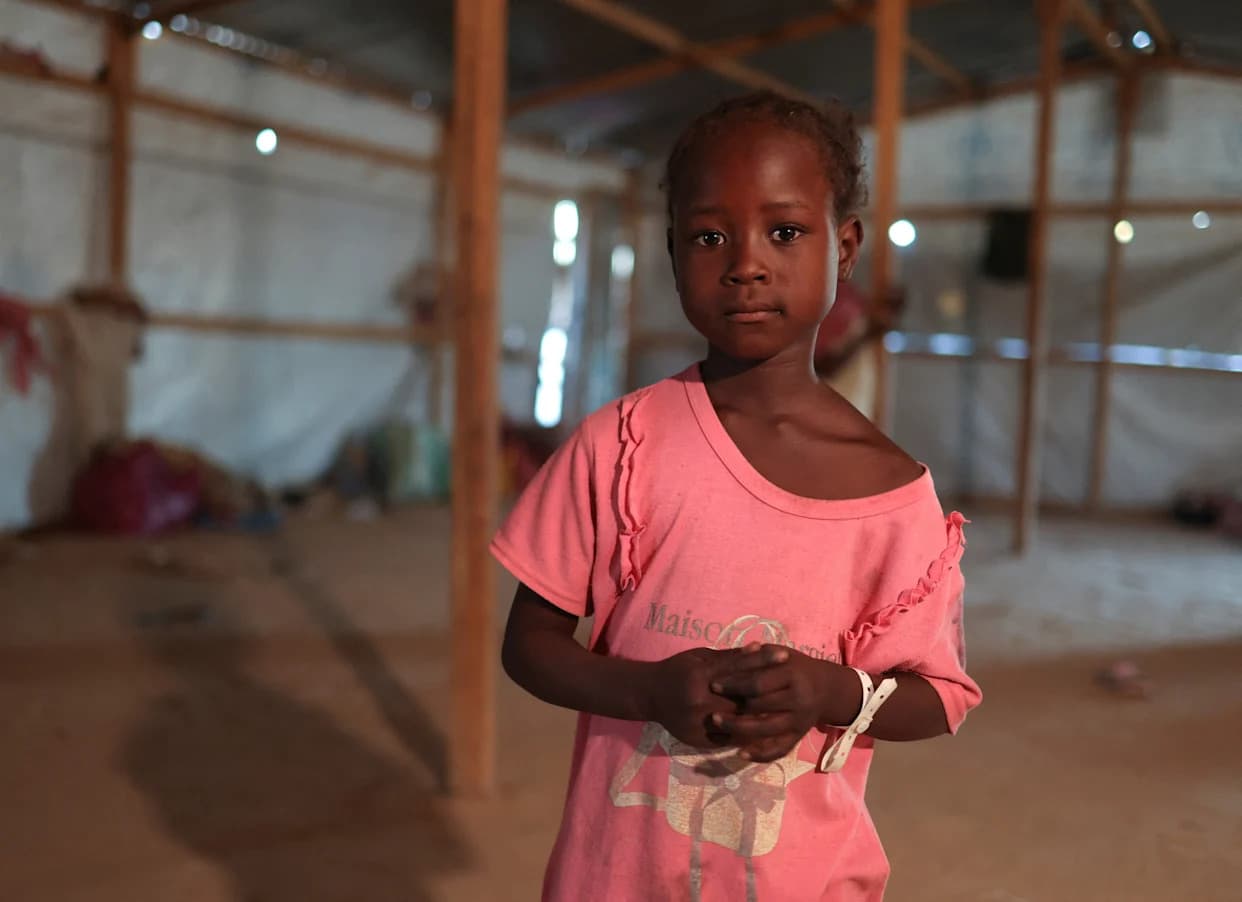
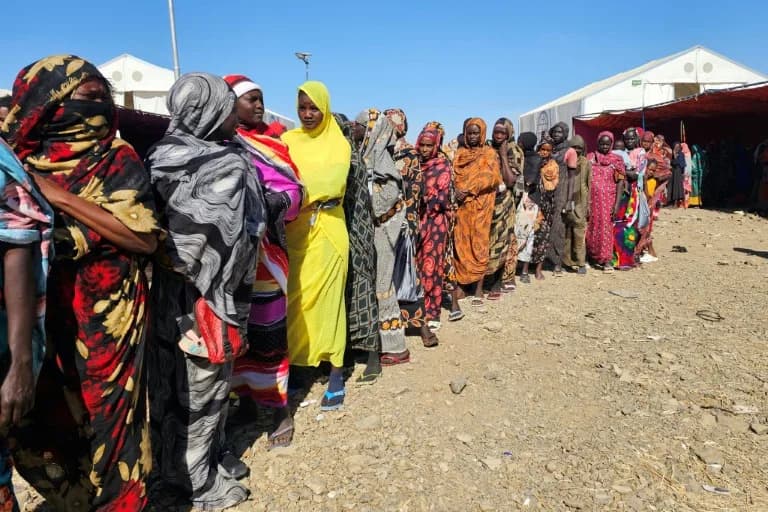
Russell: "Sudan is the largest humanitarian crisis we're facing right now." She described mass displacement, with millions of people on the move, acute hunger and areas where famine has been formally declared. Russell highlighted widespread and brutal violence — including gender-based attacks that have targeted women and even infants — and noted that these tactics are used to terrorize communities and force people from their homes.
"When I asked children across Sudan what they wanted, they all answered the same thing: they want peace." — Catherine Russell
Access and Protection Challenges
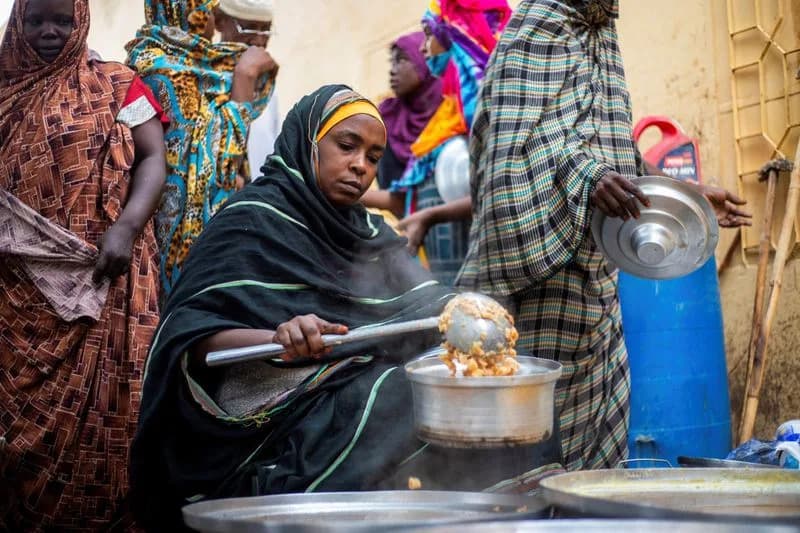
Russell warned that humanitarian access remains dangerously constrained. Aid convoys have been attacked while trying to reach vulnerable populations, and access to many communities is limited by ongoing violence. She emphasized that short-term relief depends on safe corridors and respect for humanitarian operations.
Funding Shortfalls and Global Donor Declines
Russell said UNICEF faces severe funding pressures from multiple donors, not only the United States. She specifically cited a $142 million U.S. clawback of previously approved funds and said that, when donors reduce contributions across the board, available resources must be stretched thinner and reach fewer people. UNICEF continues to engage governments and private partners to restore and increase life-saving financing.
Other Hotspots: South Sudan and Gaza
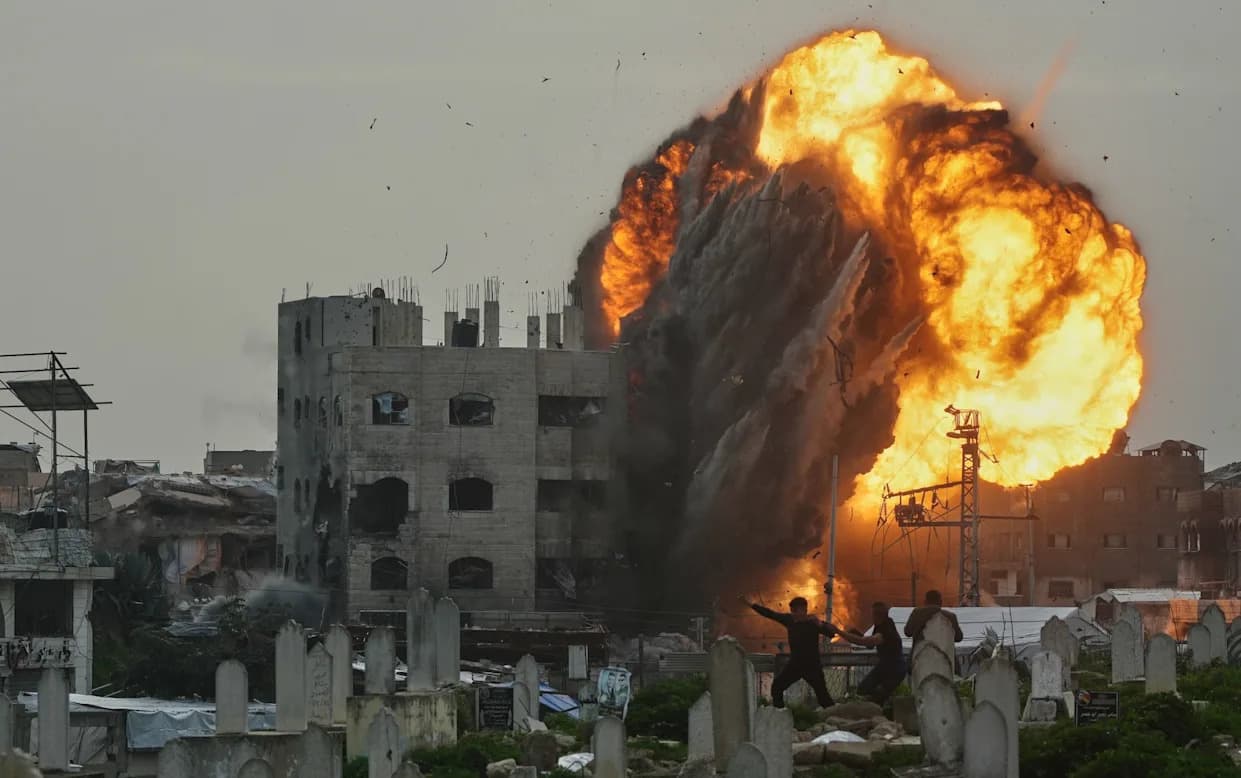
South Sudan remains fragile: Russell described ongoing instability and urged the government to improve cooperation so aid can reach those in need. Regarding Gaza, she said the recent ceasefire has eased access and allowed more humanitarian movement, but children still face severe malnutrition, shelter shortages and the widespread destruction of homes and services.
Call to Action
Russell urged the international community — governments, multilateral institutions and the private sector — to step up funding and ensure humanitarian access. She stressed that resolving political conflicts is essential to restoring safety and basic services for children and families.
Key quote: "The needs are immense; the challenges are staggering. The world needs to come together to protect children and restore access to aid."
Help us improve.