The Justice Department released about 300,000 pages of heavily redacted Epstein-related records this week, but many documents contained large blackouts and the publication missed a Dec. 19 statutory deadline. Critics from both parties said the disclosures were inadequate and could fuel conspiracy theories and voter distrust ahead of the 2026 midterms. Deputy Attorney General Todd Blanche cited volume and victim-protection redactions and pledged additional releases in the coming weeks.
Redacted Epstein Files Spark GOP Backlash — Could Haunt 2026 Midterms

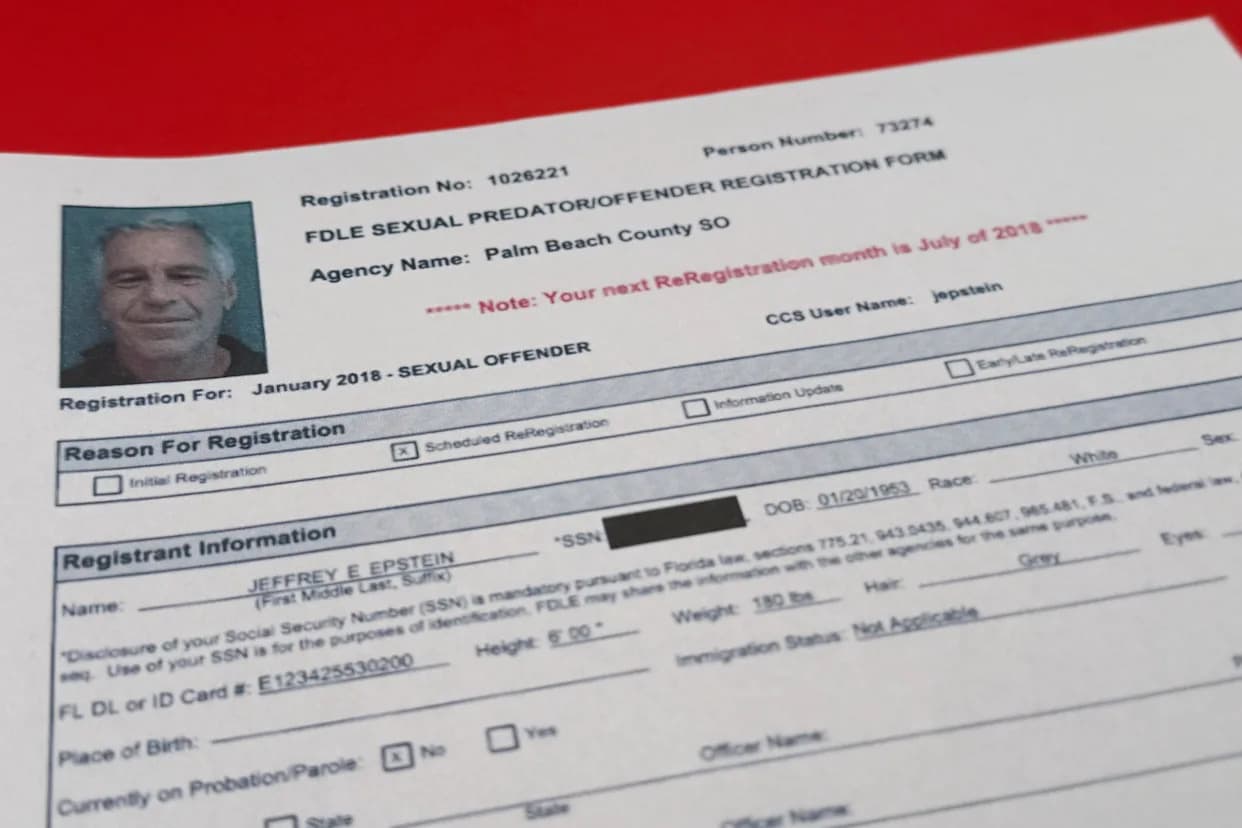
Jeffrey Epstein is seen in this image released by the Department of Justice in Washington, D.C., U.S., on December 19, 2025 as part of a new trove of documents from its investigations into the late financier and convicted sex offender Jeffrey Epstein. U.S. Justice Department/Handout via REUTERS
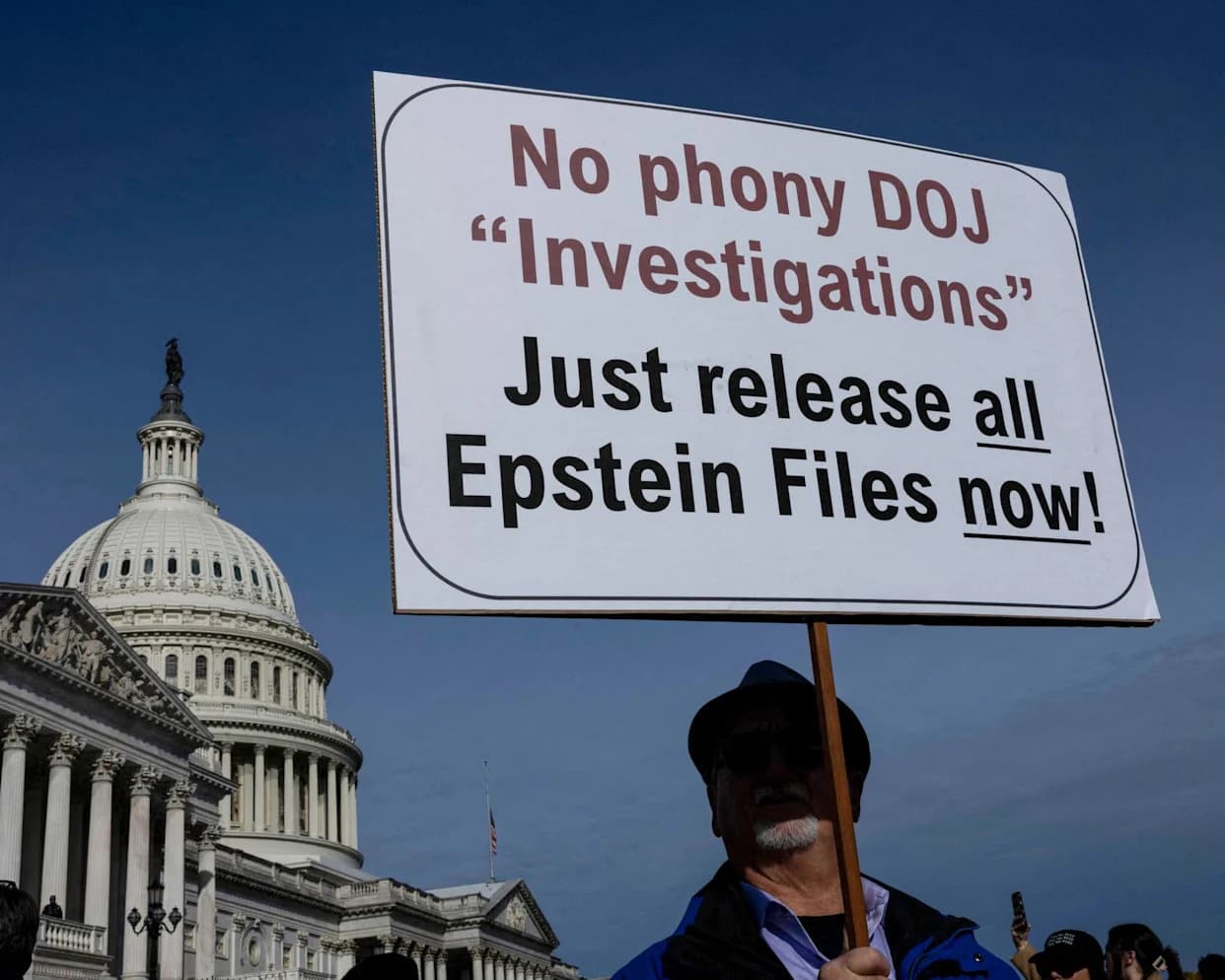
The Justice Department's release of roughly 300,000 pages of files related to convicted sex offender Jeffrey Epstein has prompted bipartisan frustration, with heavy redactions and missed deadlines fueling political and legal questions as Republicans prepare for the 2026 midterm battles.
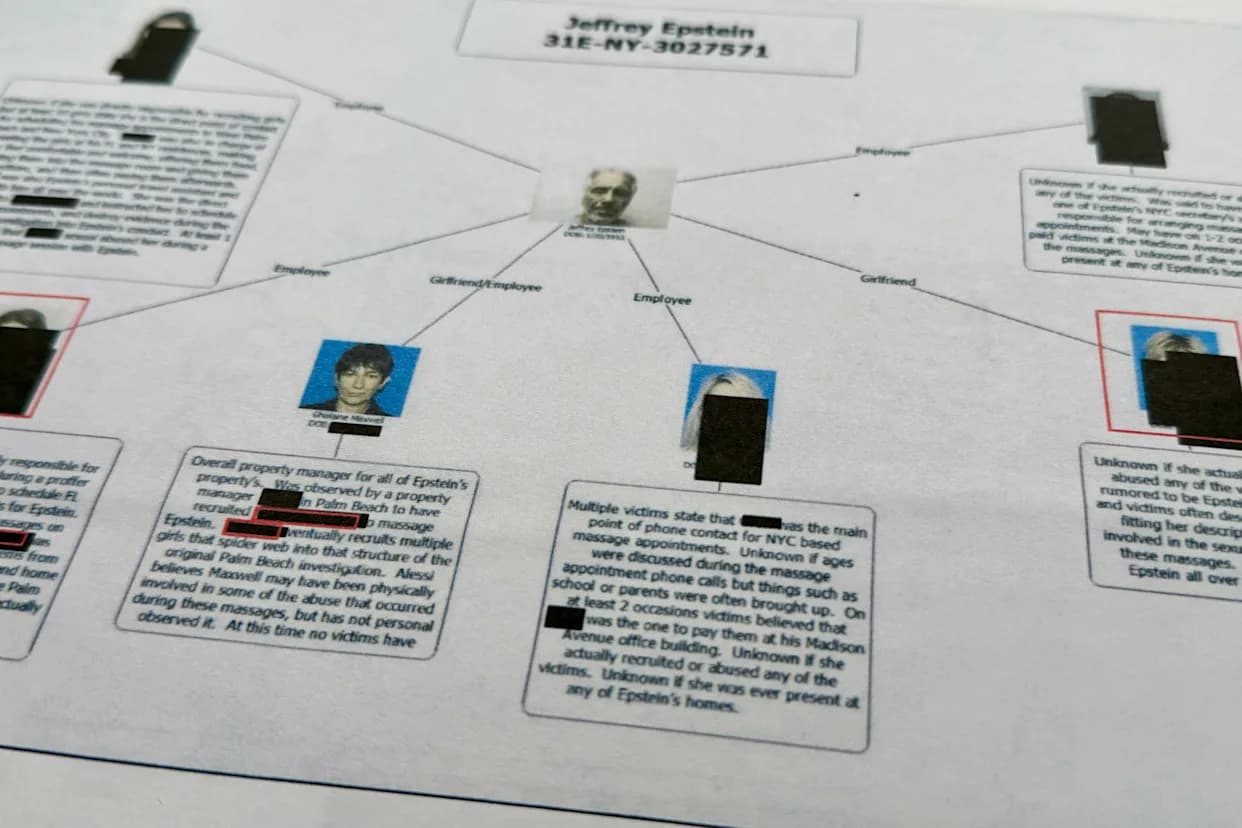
The documents were published in two batches this week to comply with a November bipartisan law that required disclosure of Justice Department files on Epstein. Officials said the release represents only a fraction of the material the FBI and DOJ hold; many pages were heavily redacted and several long documents had entire pages blacked out. The initial disclosure also missed the law's Dec. 19 deadline.
What Was Released—and What Wasn't
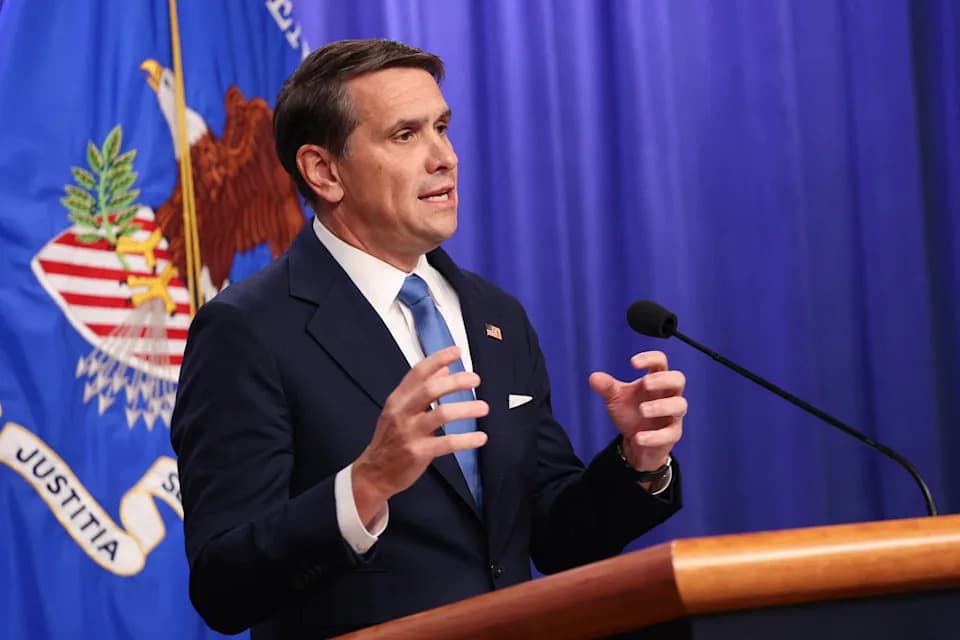
The first batch was published on Friday, followed by a smaller set on Saturday. Deputy Attorney General Todd Blanche said the deadline was missed because of the massive volume of material and the need to protect victims through careful redactions; he pledged that more files would be released "over the next couple of weeks." Among the released materials, references to former President Donald Trump were relatively sparse, while names tied to former President Bill Clinton appeared more often than expected.
Adding To The Controversy
Critics across the political spectrum called the disclosures insufficient. Republican strategist and former Senate aide Brian Darling warned that the partial release would both stoke conspiracy theories and raise legitimate transparency concerns that could dampen turnout among Trump voters.
"The heavily redacted disclosures of the Epstein documents added more fuel to the fire of controversy," Darling said. "This remains a political risk for all Republicans in swing seats going into the midterms."
Political science professor Rachel Blum said the incomplete disclosure risks reinforcing narratives of a self-protecting establishment among voters who already distrust institutions. Former Trump ally-turned-critic Marjorie Taylor Greene and several conservative commentators also blasted the limited release and extensive redactions.
Political Fallout And Legal Questions
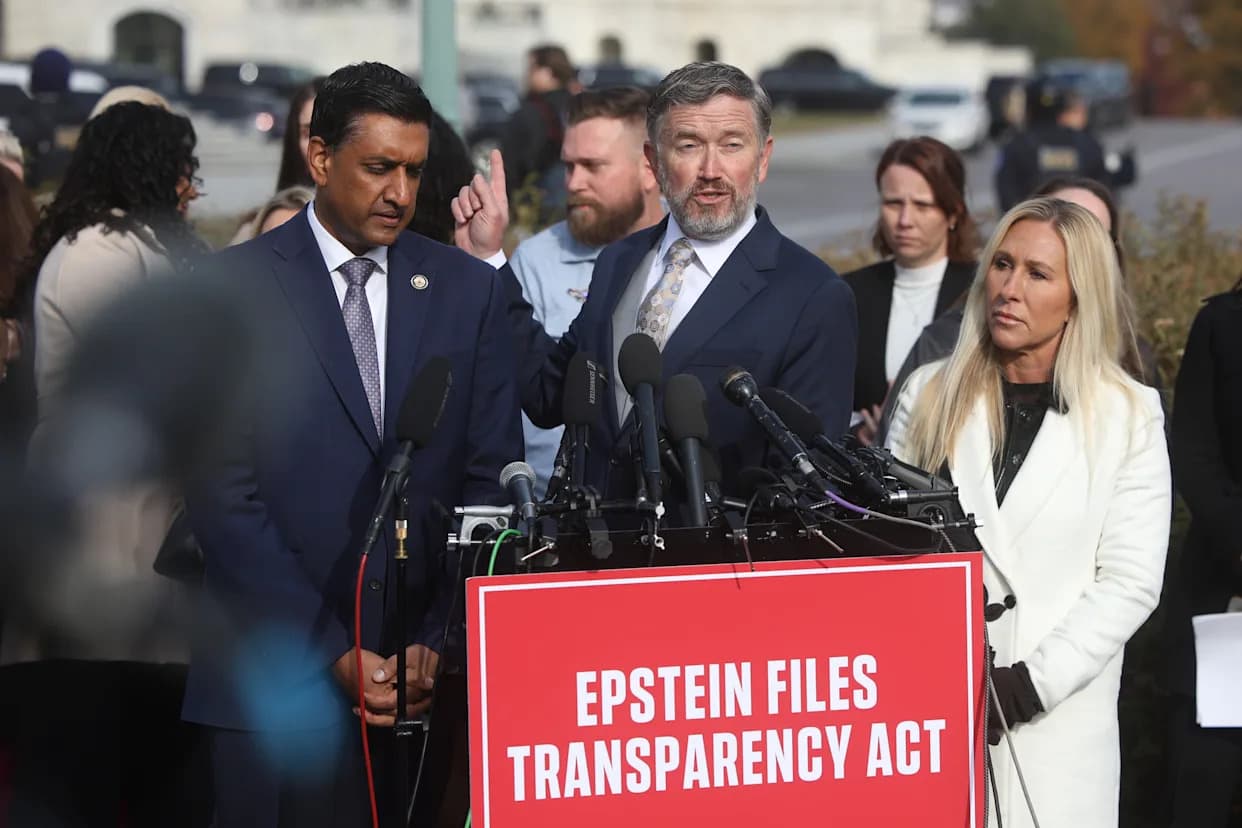
Democrats and some Republicans who co-sponsored the disclosure law criticized the administration for failing to meet the statutory deadline and for the scope of the redactions. Representative Ro Khanna, who helped craft the law, suggested possible impeachment of DOJ leaders over the missed deadline, while Republican Representative Thomas Massie warned of potential criminal exposure if officials are later held accountable.
The controversy is heightened by Epstein's high-profile social connections and the conviction of Ghislaine Maxwell in related charges. Commentators say the incomplete record could leave unanswered questions that continue to reverberate politically in the months ahead.
Reporting by Nathan Layne in Wilton, Connecticut; Editing by Sergio Non and Nick Zieminski.
Help us improve.