
Archaeologists in Grenoble have uncovered a Renaissance-era gallows beneath Boulevard de l'Esplanade and the skeletons of dozens of people executed there. The site, at the confluence of the Isère and Drac rivers, is documented as the Port de la Roche gibbet at least between 1544 and 1547, with later records tying it to public displays in the 1570s. Excavators found ten circular burial pits, an elevated display platform supported by eight stone pillars, and identified victims including Benoît Croyet and Charles du Puy Montbrun. INRAP will carry out further analyses to determine diet, health, age and causes of death to better understand who was executed and why.
Renaissance Gallows Unearthed in Grenoble: Dozens of Executed Remains Found Beneath Boulevard de l'Esplanade

Nordine Saadi/INRAP
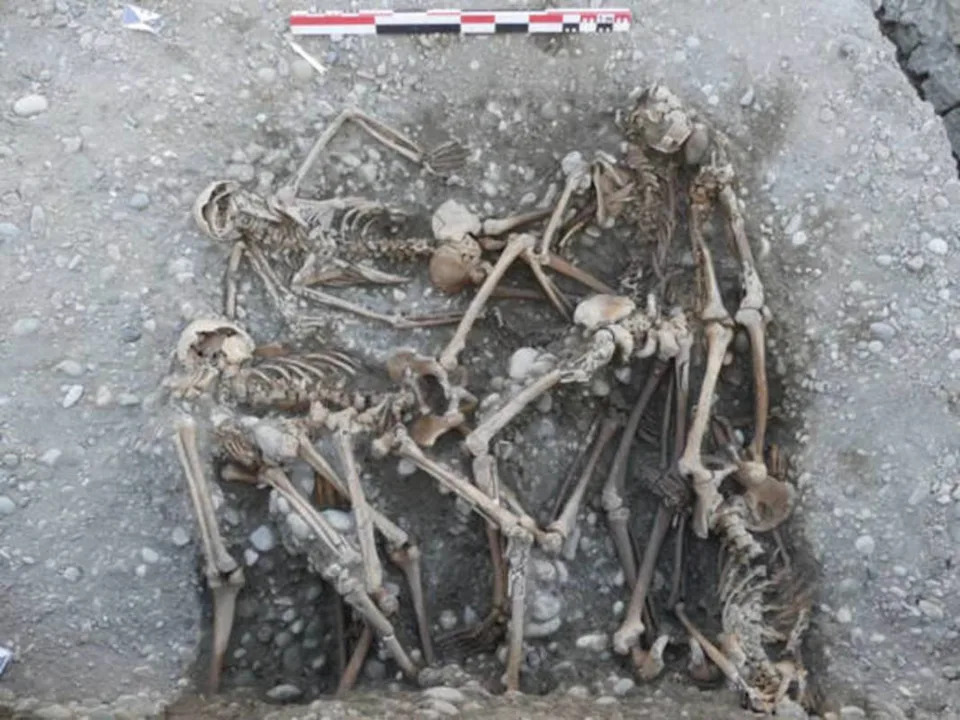
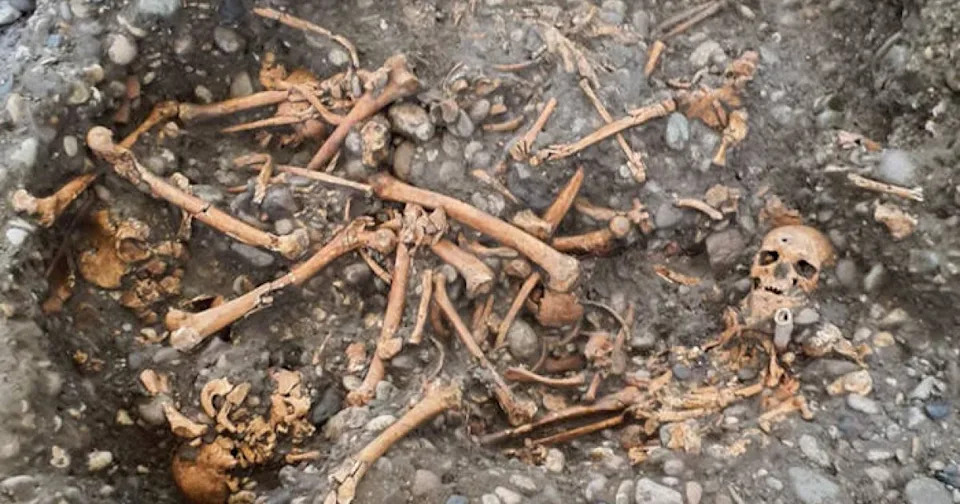
Archaeologists excavating beneath Grenoble's Boulevard de l'Esplanade have uncovered a Renaissance-era gallows and the skeletal remains of dozens of people executed there, researchers from France's National Institute for Preventive Archaeological Research (INRAP) report.
Discovery and Historical Context
The site lies in a muddy confluence where the Isère and Drac rivers meet. Teams began formal digs after identifying a substantial masonry foundation. Archival records link the location to France's Wars of Religion: the site is documented as the Port de la Roche gibbet at least between 1544 and 1547, and later records indicate it continued to be used for public displays in the 1570s.
Nordine Saadi/INRAP
Archaeological Findings
Excavators uncovered ten burial pits arranged in a circle around the main structure and recovered dozens of skeletons. The gallows included an elevated display platform and a timber framework supported by eight massive stone pillars, standing roughly 16.5 feet (about 5 metres) tall. In 16th-century France, the number of pillars signalled judicial authority: local courts commonly used two pillars while the royal gallows at Montfaucon in Paris had sixteen. Grenoble's eight pillars indicate a notable regional judicial status.
Identified Victims and Purpose
Researchers have identified named victims associated with the site, including Benoît Croyet, a Protestant rebel linked to attacks on Grenoble in 1573, and Charles du Puy Montbrun, a Huguenot military leader in Dauphiné who was captured, executed and publicly displayed in 1575. The gallows were designed not only to execute but to humiliate: elevated platforms and public exposure denied the condemned a private burial and prolonged their disgrace.
Nordine Saadi/INRAP
Later History and Ongoing Research
Use of the gallows declined after the late 16th century; the 1598 Edict of Nantes eased—but did not eliminate—religious violence in France. Over the following centuries, urban growth and river-borne silt buried the site until its modern rediscovery. INRAP archaeologists will continue osteological and scientific analyses to learn about the executed individuals' diets, health, ages and causes of death, and to better understand judicial and social practices surrounding punishment during the Renaissance.
Image credit: Nordine Saadi / INRAP


