
President Abdel‑Fattah el‑Sissi renewed calls in Cairo for structural reform of the U.N. Security Council to give Africa a stronger voice in global decisions. The African Union has sought two permanent seats with veto power and five additional non‑permanent seats since 2005, but member states have not agreed on a selection mechanism. Russian Foreign Minister Sergey Lavrov said Moscow and African partners will coordinate on reform and have begun drafting a 2026–2029 cooperation plan. The forum has expanded since 2023 amid growing Russian security and military ties in parts of Africa.
El‑Sissi Renewed Call for U.N. Security Council Reform to Give Africa Greater Voice

In this photo, provided by Egypt's presidency media office, Egyptian President Abdel-Fattah el-Sissi, front right, greets Russian Foreign Minister Sergey Lavrov, left, before their meeting at the Presidential Palace in Cairo, Egypt, Saturday, Dec. 20, 2025. (Egyptian Presidency Media Office via AP)(ASSOCIATED PRESS)
Egypt’s President Abdel‑Fattah el‑Sissi on Saturday renewed a call for structural reform of the U.N. Security Council so that Africa can play a larger, more influential role in shaping global decisions.
Speaking at a Russia‑Africa partnership conference in Cairo attended by Russian Foreign Minister Sergey Lavrov, ministers from more than 50 African countries and representatives of several African regional organizations, el‑Sissi urged a move toward “a more pluralistic” world order.
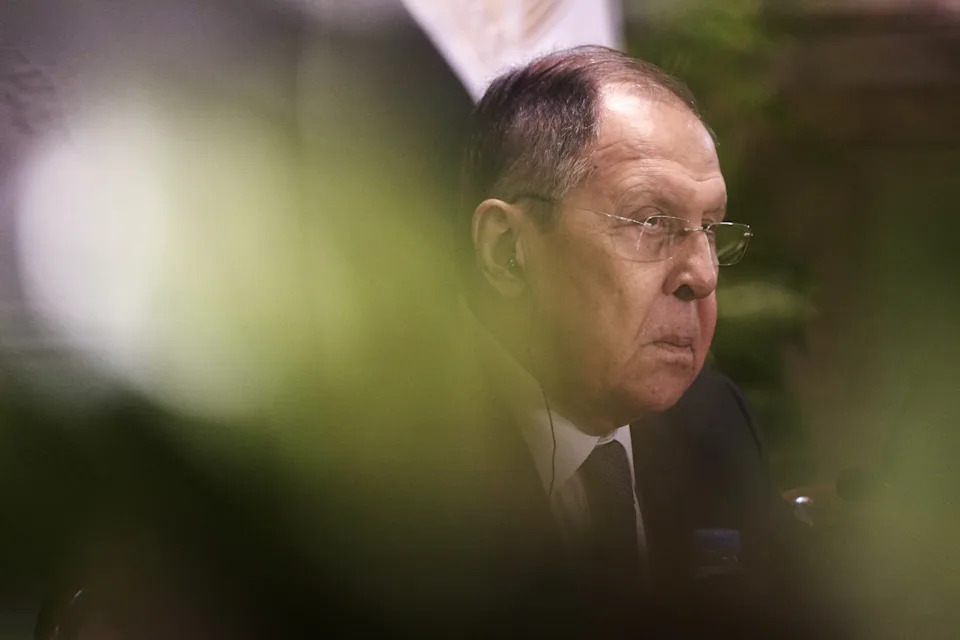
Russian Foreign Minister Sergey Lavrov, speaks during a press conference with his Egyptian counterpart Badr Abdelatty, at Tahrir Palace in Cairo, Egypt, Friday, Dec. 19, 2025. (AP Photo/Amr Nabil)(ASSOCIATED PRESS)
“The voice of Africa should be present and influential in making global decisions given the continent’s human, economic, political and demographic weight,”
His remarks were read by Egypt’s foreign minister at the plenary session. El‑Sissi also said international financial institutions should be reformed to ensure fair and equitable representation for African countries.
African Union’s Longstanding Demand
Since 2005 the African Union has sought at least two permanent Security Council seats with veto powers for African states, alongside five additional non‑permanent seats. The AU argues such reforms would strengthen efforts to promote peace and stability across a continent that has faced prolonged conflicts. However, African states have not yet reached consensus on a mechanism to select any future permanent members.
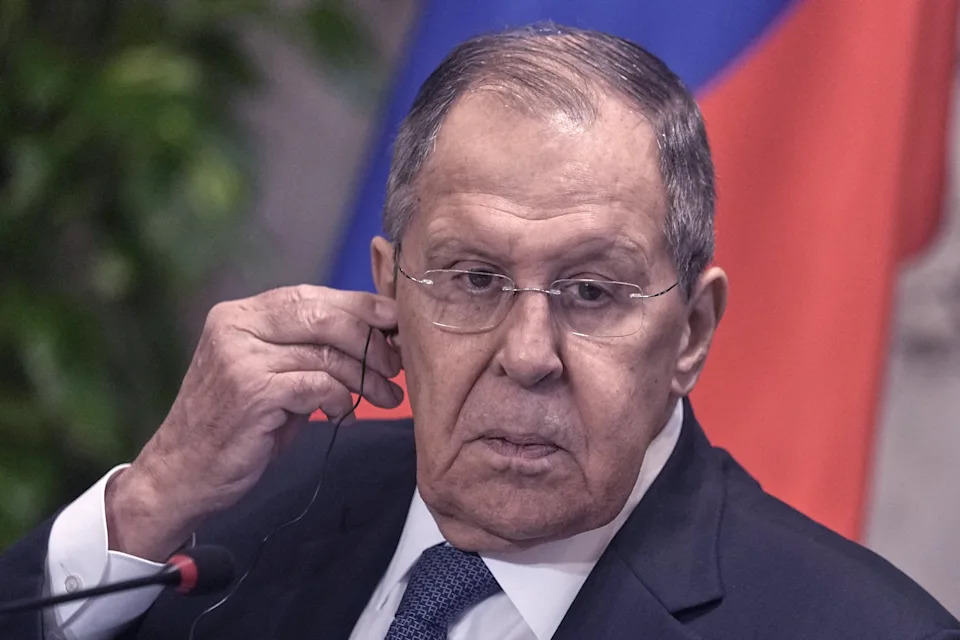
Russian Foreign Minister Sergey Lavrov, speaks during a press conference with his Egyptian counterpart Badr Abdelatty, at Tahrir Palace in Cairo, Egypt, Friday, Dec. 19, 2025. (AP Photo/Amr Nabil)(ASSOCIATED PRESS)
Russia’s Position And The Forum’s Agenda
At a joint news conference, Russian Foreign Minister Sergey Lavrov said Moscow and its African partners would continue coordinating “in various multilateral forums” to advance Security Council reform while taking into account Africa’s legitimate interests. Lavrov added the ministerial meeting had launched talks to draft an action plan for cooperation for 2026–2029, to be presented to heads of state at next year’s Russia‑Africa summit.
“We remain a reliable partner for African states in strengthening their national sovereignty, both politically and in matters of security, as well as in other dimensions,”
Lavrov said at the plenary session, emphasizing Russia’s commitment to deepen practical cooperation with African countries.
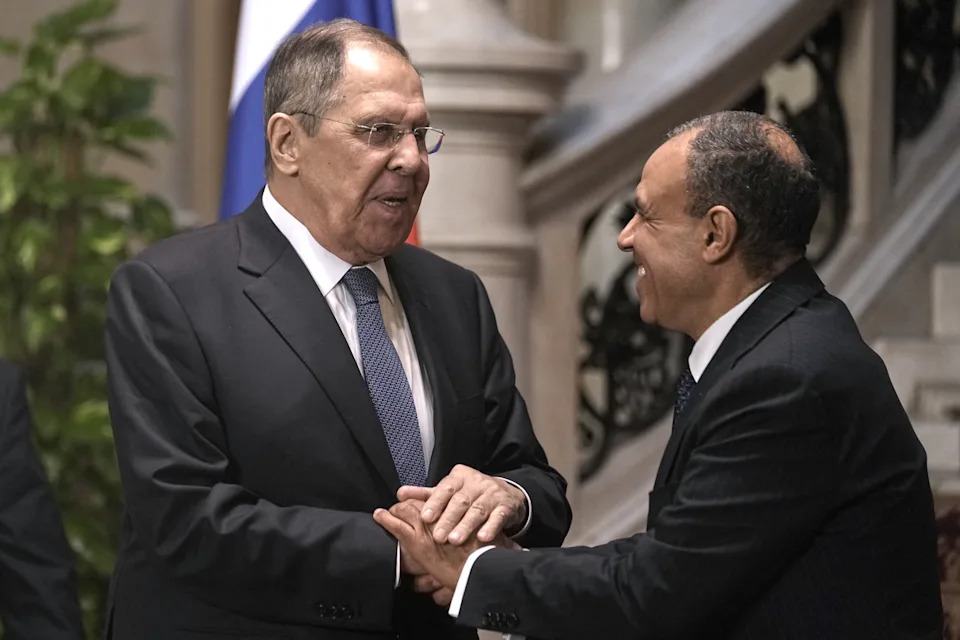
Russian Foreign Minister Sergey Lavrov, left, shakes hands with his Egyptian counterpart Badr Abdelatty, after their joint press conference at Tahrir Palace in Cairo, Egypt, Friday, Dec. 19, 2025. (AP Photo/Amr Nabil)(ASSOCIATED PRESS)
Background: The Security Council Structure
The U.N. Security Council’s configuration has not changed since 1945: it comprises 10 non‑permanent members elected for two‑year terms without veto power and five permanent members (the United States, Russia, China, the United Kingdom and France) that retain the veto. Debates over expanding membership and the use of vetoes have repeatedly stalled reform efforts.
Russia’s Influence In Africa
The Russia‑Africa forum has grown since the 2023 summit in St. Petersburg, where President Vladimir Putin sought African support as Moscow faced political and economic isolation following its invasion of Ukraine. Russia has also expanded its military footprint across parts of Africa, supplying advanced weaponry to some conflict zones in sub‑Saharan Africa and deploying a Kremlin‑aligned military unit that in some areas replaced the Wagner mercenary group.
The Cairo conference highlighted both longstanding African calls for a stronger voice in global governance and the evolving geopolitics of partnership and security on the continent.
Associated Press writer Noha ElHennawy in Cairo contributed to this report.


