The Ninth Circuit ruled that the University of Washington violated Professor Stuart Reges’s First Amendment rights by investigating and retaliating against him after he parodied the university’s land acknowledgment on a January 2022 syllabus. The court found his parody amounted to protected academic speech and reversed the district court’s summary judgment on the retaliation claim, sending the case back to determine appropriate relief. The decision emphasized that student discomfort alone does not justify institutional retaliation against faculty speech.
9th Circuit: University Of Washington Violated Professor’s Free‑Speech Rights Over Parody Land Acknowledgment

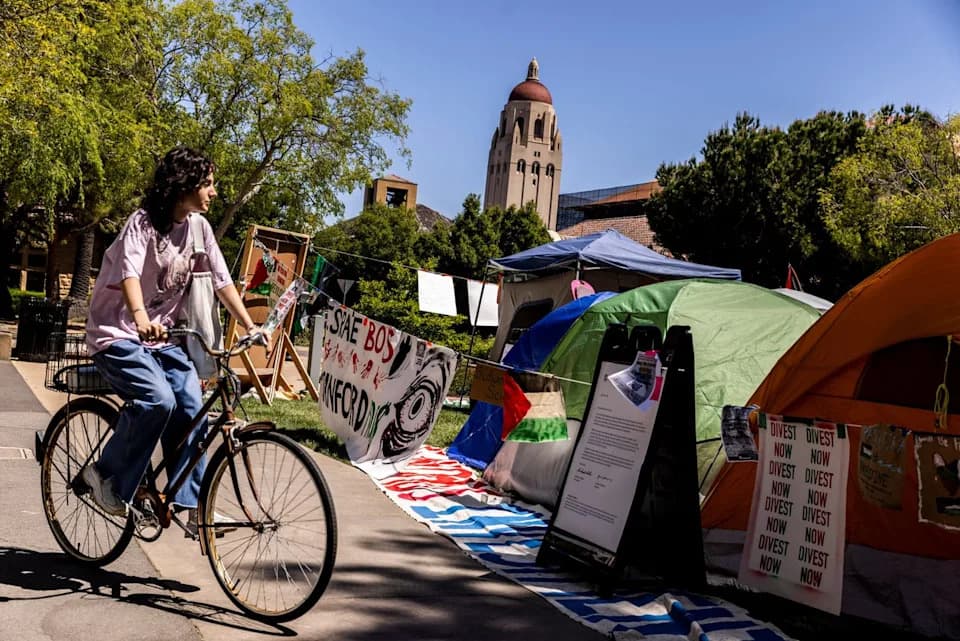
University of Washington campus in Seattle
A federal appeals court ruled that the University of Washington infringed Professor Stuart Reges’s First Amendment rights after university officials investigated and took retaliatory steps in response to a parody of the campus land acknowledgment he placed on a course syllabus.
Background
Reges, a non‑tenured teaching professor in the Department of Computer Science & Engineering, replaced the university’s suggested land‑acknowledgment wording in his Computer Programming II syllabus in January 2022 with a parody: "I acknowledge that by the labor theory of property the Coast Salish people can claim historical ownership of almost none of the land currently occupied by the University of Washington." The line referenced John Locke’s labor theory of property, which ties ownership to the improvement or labor invested in land.
Allegations And University Response
In July 2022 Reges sued the university, alleging administrators ordered him to remove the statement, publicly condemned it as offensive, encouraged students to file complaints, created an alternate "shadow" section so students could avoid his class, and opened a disciplinary investigation that could have led to further sanctions or termination.
Appeals Court Ruling
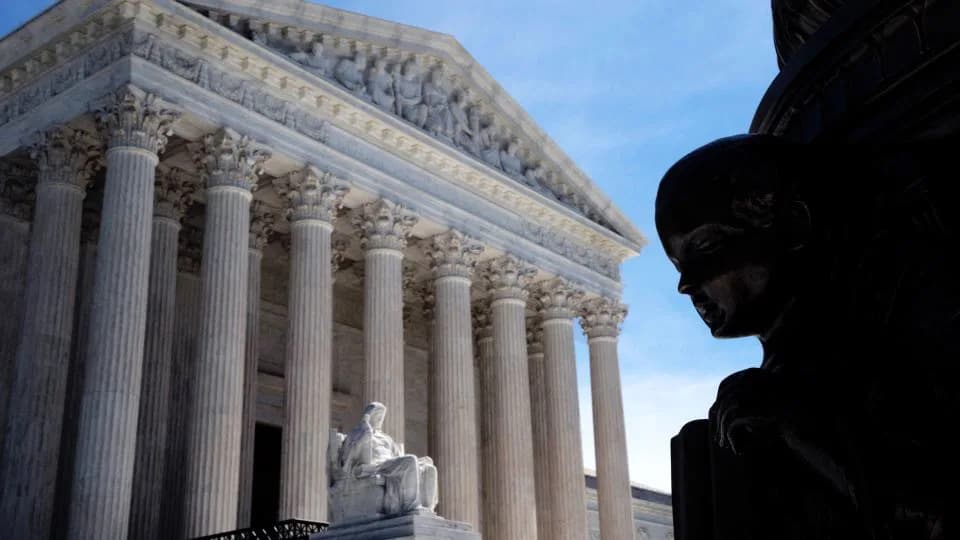
On appeal, the U.S. Court of Appeals for the Ninth Circuit reversed the district court’s grant of summary judgment for the university on Reges’s retaliation claim and remanded the case for a determination of appropriate relief. The panel concluded Reges’s syllabus comment amounted to protected academic speech on a matter of public concern and found the university unlawfully investigated, reprimanded and threatened discipline because of his expressed views.
"Student discomfort with a professor’s views can prompt discussion and disapproval," Judge Daniel Bress wrote for the majority. "But this discomfort is not grounds for the university retaliating against the professor."
Legal Representation And Reactions
Reges was represented by attorneys from the Foundation for Individual Rights and Expression (FIRE). FIRE praised the ruling, with attorney Gabe Walters calling it a "resounding victory" for faculty free‑speech rights and arguing universities cannot compel faculty to adopt institutional viewpoints under threat of punishment.
The appeals court’s decision revisited earlier rulings: a lower court had previously granted the university’s motion to dismiss Reges’s vagueness and overbreadth challenges to UW’s nondiscrimination policy, but the Ninth Circuit found error in the district court’s handling of the retaliation claim.
Current Status
The University of Washington said it is "evaluating the appeals court’s 2‑1 decision and considering our next steps," and emphasized its responsibility to protect students. The university also noted that Professor Reges has retained his faculty position and continued teaching throughout the litigation.
Reges characterized land acknowledgments as "performative acts of conformity" and said the Ninth Circuit affirmed that his parody was a reasonable contribution to the public discussion. The case has been returned to the lower court to determine appropriate relief following the appeals court ruling.
Help us improve.