
The Justice Department sought to add a third felony count tied to alleged mortgage fraud against New York Attorney General Letitia James, but an Alexandria grand jury declined on Dec. 11 to return the reindictment. The proposed revision split a false-statement allegation into two counts, removed an earlier claim that James rented the Norfolk property to a family, and omitted loan amounts. The earlier October indictment had been dismissed after a judge found an interim U.S. Attorney’s appointment invalid; prosecutors have since failed to reindict her twice.
DOJ Sought Third Felony Count Against Letitia James — Alexandria Grand Jury Declines

New York Attorney General Letitia James during a press conference at the office of the Attorney General in New York on December 15. - Michael M. Santiago/Getty Images/File
The Justice Department last week attempted to add a third felony count tied to alleged mortgage fraud against New York Attorney General Letitia James, but a federal grand jury in Alexandria, Virginia, declined on Dec. 11 to return the proposed reindictment, court filings show.
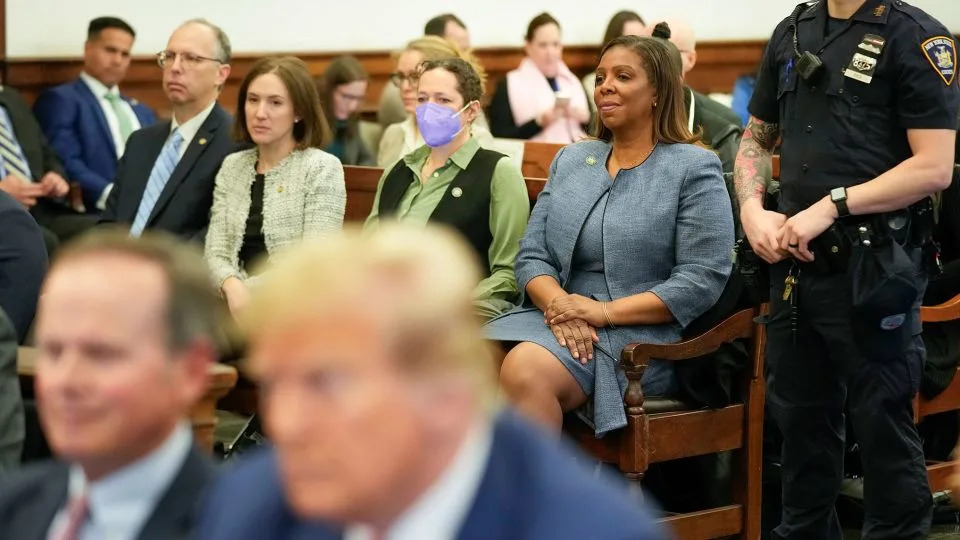
New York Attorney General Letitia James sits in the courtroom during Donald Trump's civil fraud trial, at New York Supreme Court on January 11, 2024. - Seth Wenig/Pool/Getty Images/File
What Happened
According to court records, prosecutors sought to expand allegations that James made false statements to a financial institution by splitting the false-statement theory into two separate counts tied to different documents submitted to mortgage lender OVM Financial. The grand jury returned a "no true bill," meaning it did not find probable cause to indict on the revised charges.

The statue titled "Justice Delayed, Justice Denied" stands on the front of the Albert V. Bryan United States Courthouse in Alexandria, Virginia, on November 13. - Alex Wong/Getty Images
Case History And Legal Context
James had been indicted in October on one count of making false statements to a financial institution and one count of bank fraud; she pleaded not guilty. That indictment was dismissed in November after a federal judge ruled that the appointment of interim U.S. Attorney Lindsey Halligan — who oversaw the prosecution — was invalid. The Justice Department has since tried and failed at least twice to reindict James.
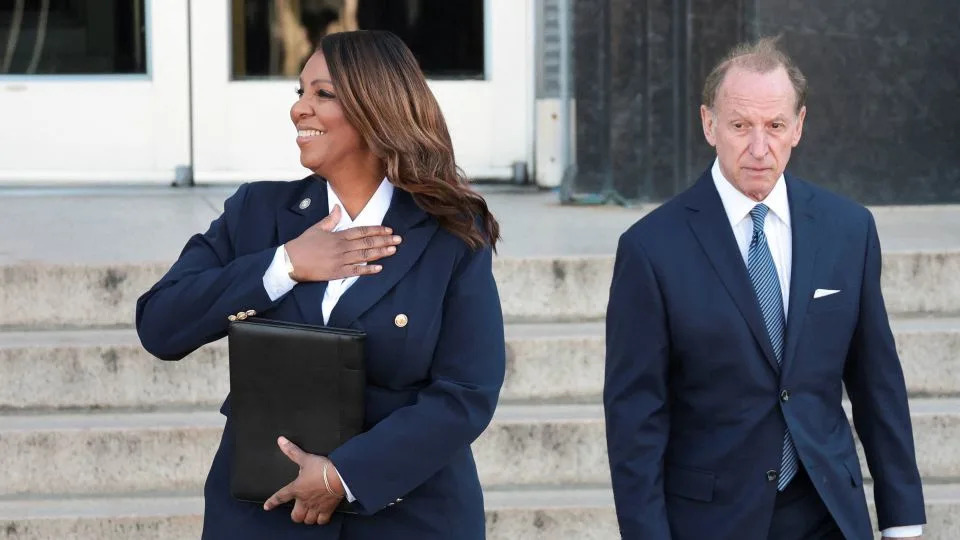
Attorney Abbe Lowell accompanies New York Attorney General Letitia James as they exist the US District Court for the Eastern District of Virginia in Norfolk, Virginia, on October 24. - Jonathan Ernst/Reuters
Key Changes In The Proposed Reindictment
- The new draft split the earlier single false-statement charge into two separate counts tied to two documents.
- It removed an earlier allegation that James had rented the Norfolk home to a family and instead alleged she stayed in hotels when visiting Norfolk.
- The latest draft also omitted exact loan amounts and precise figures for alleged financial gain.
Secrecy, Transparency And Political Context
The Justice Department asked a magistrate judge to seal the failed indictment to preserve grand jury secrecy and protect jurors’ identities, but the judge declined, noting the decision had already been reported publicly. Judge William Porter later made the full rejected indictment public, citing transparency and the fact James had already faced public criminal charges.
The repeated prosecutorial efforts and the inability to secure a grand jury indictment against a prominent political figure have drawn criticism and intensified claims that the department has pursued cases in ways that appear politically motivated. James’ attorney, Abbe Lowell, has said the probe stems from political animus. Some allies of President Trump and his aides have acknowledged the department’s actions can appear retaliatory.
Next Steps
Prosecutors may return to a grand jury and seek an indictment again. For now, James faces no active federal charges in the mortgage-fraud investigation.
Note: This account is based on court filings and reporting. Neither the Justice Department nor representatives for James provided comment in the filings cited.


