The United States announced sanctions against two additional International Criminal Court judges after they joined the majority in upholding arrest warrants for Benjamin Netanyahu and Yoav Gallant related to alleged war crimes in Gaza. The measures bar the judges from entering the U.S. and prohibit transactions with them; the ICC denounced the sanctions as an attack on judicial independence. Israel praised the move, while Russia has taken its own retaliatory steps against ICC officials. The action adds to earlier U.S. restrictions on ICC personnel and underscores deep international disagreement over the court’s authority.
US Imposes Sanctions On Two More ICC Judges After They Uphold Warrants For Netanyahu And Gallant

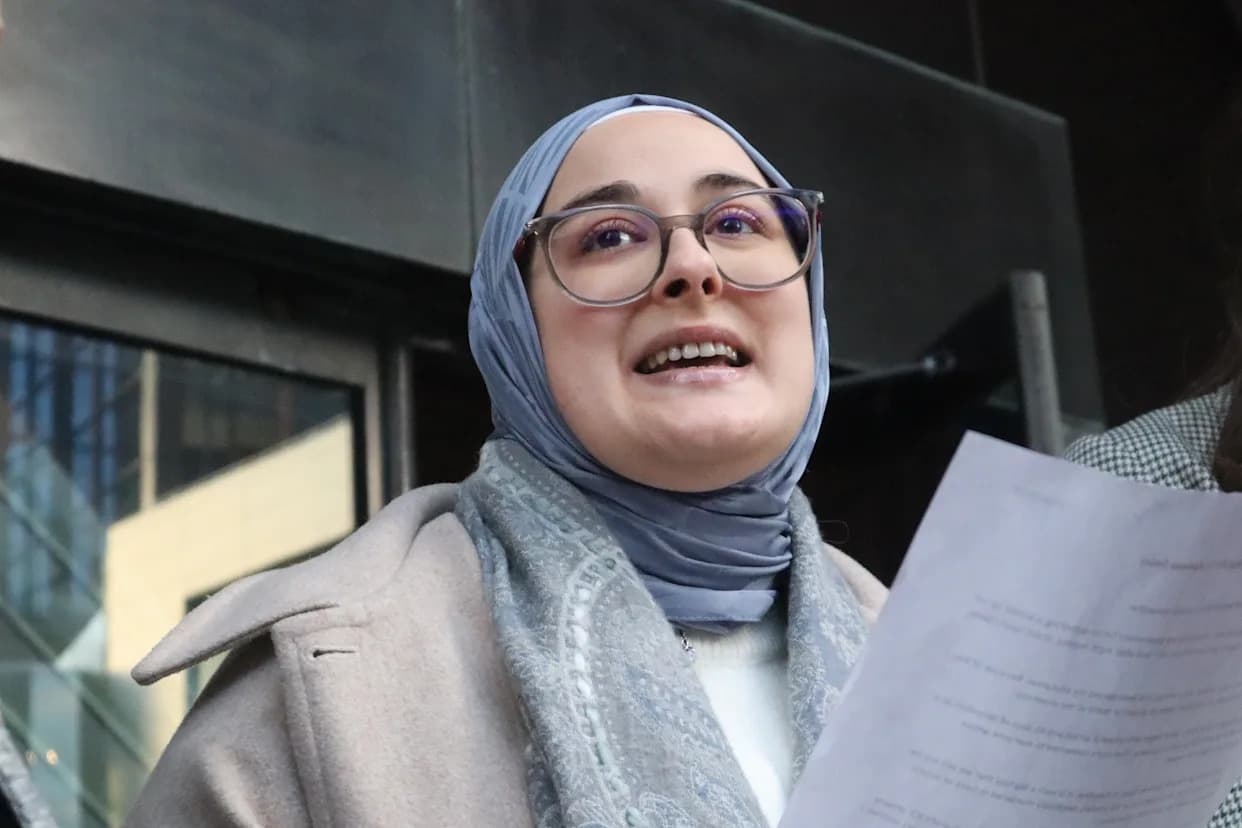
Washington's sanctions against two more judges come after the ICC upheld arrest warrants for two Israeli leaders (Lina Selg)(Lina Selg/ANP/AFP)
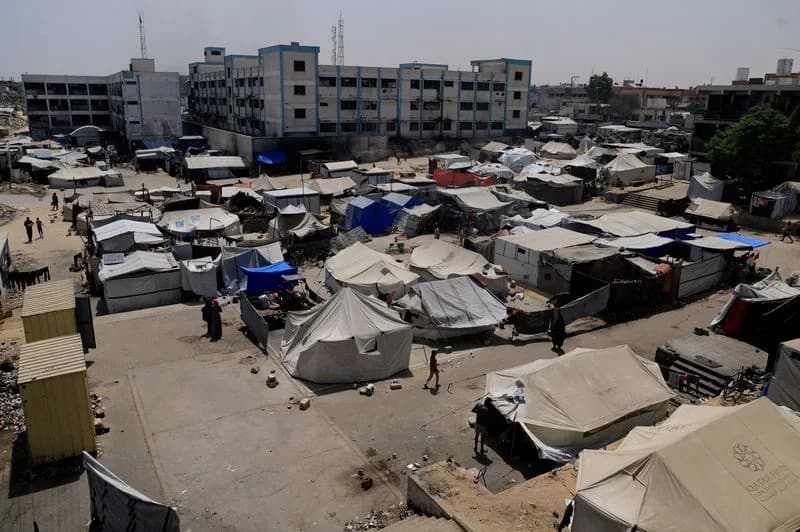
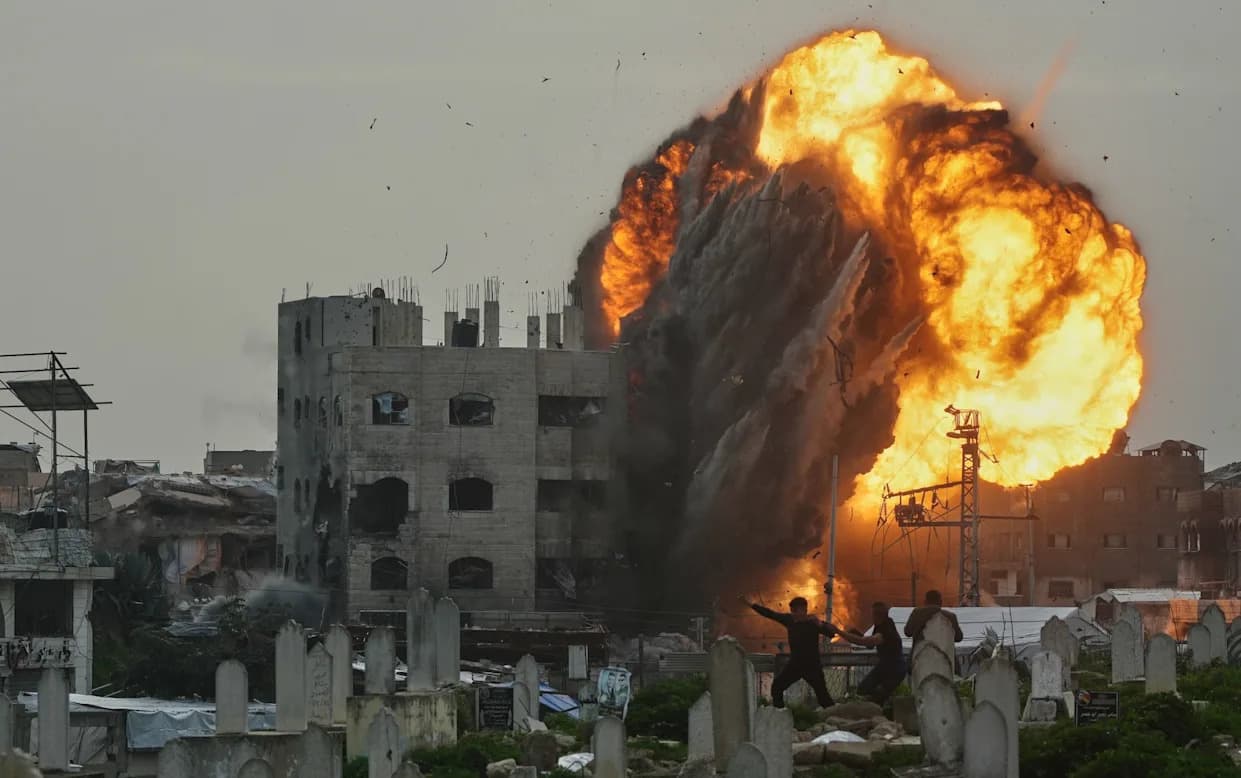
The United States on Thursday announced sanctions against two additional judges of the International Criminal Court (ICC) after they rejected an Israeli bid to stop the court’s war-crimes investigation in Gaza and joined a majority upholding arrest warrants for Israeli Prime Minister Benjamin Netanyahu and former defence minister Yoav Gallant.
The measures target Gocha Lordkipanidze, a former justice minister of Georgia and former adjunct professor at Columbia University, and Erdenebalsuren Damdin of Mongolia. Sanctions bar the judges from entering the United States and block property and financial transactions with them in the U.S. financial system.
U.S. Reaction and Political Context
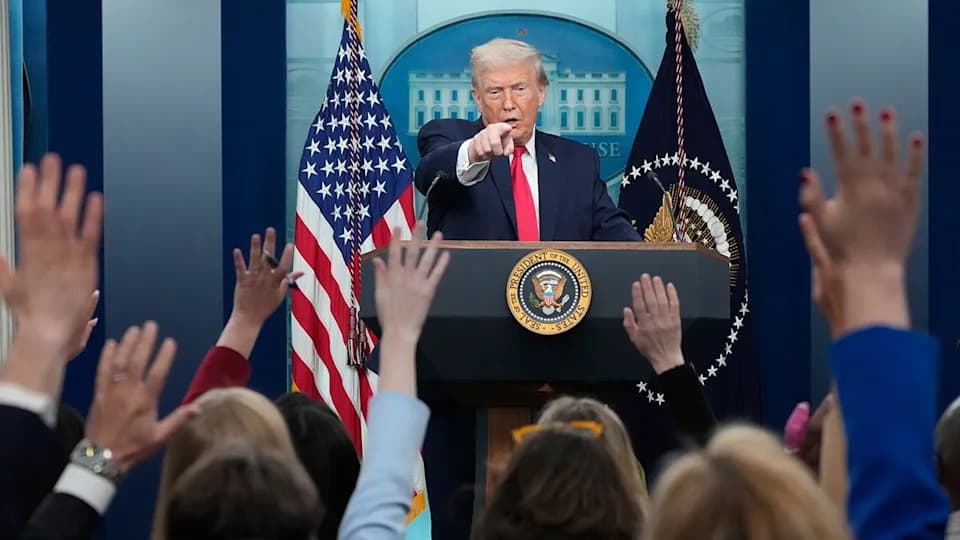
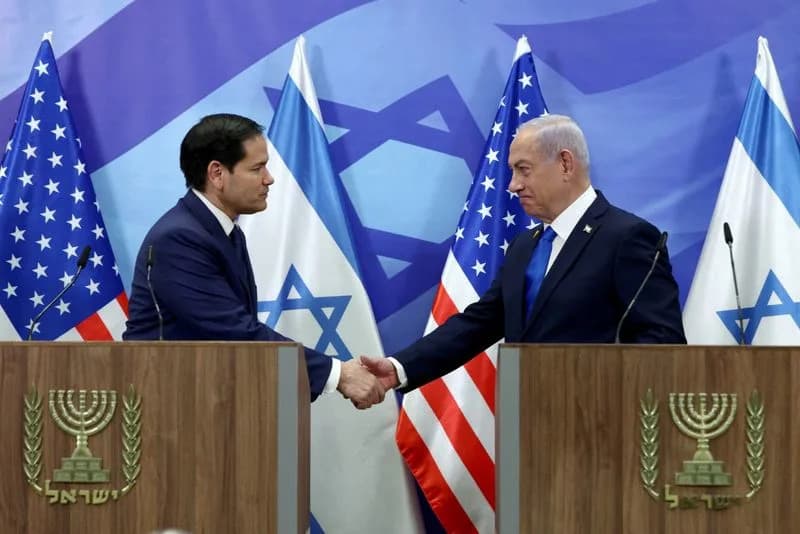
Senator Marco Rubio, who has been a vocal critic of certain ICC actions, welcomed the move and described the court’s steps as an overreach that could improperly subject U.S. and allied citizens to its jurisdiction. The U.S. administration said the measures are a response to what it called the ICC’s “lawfare” and violations of sovereignty.
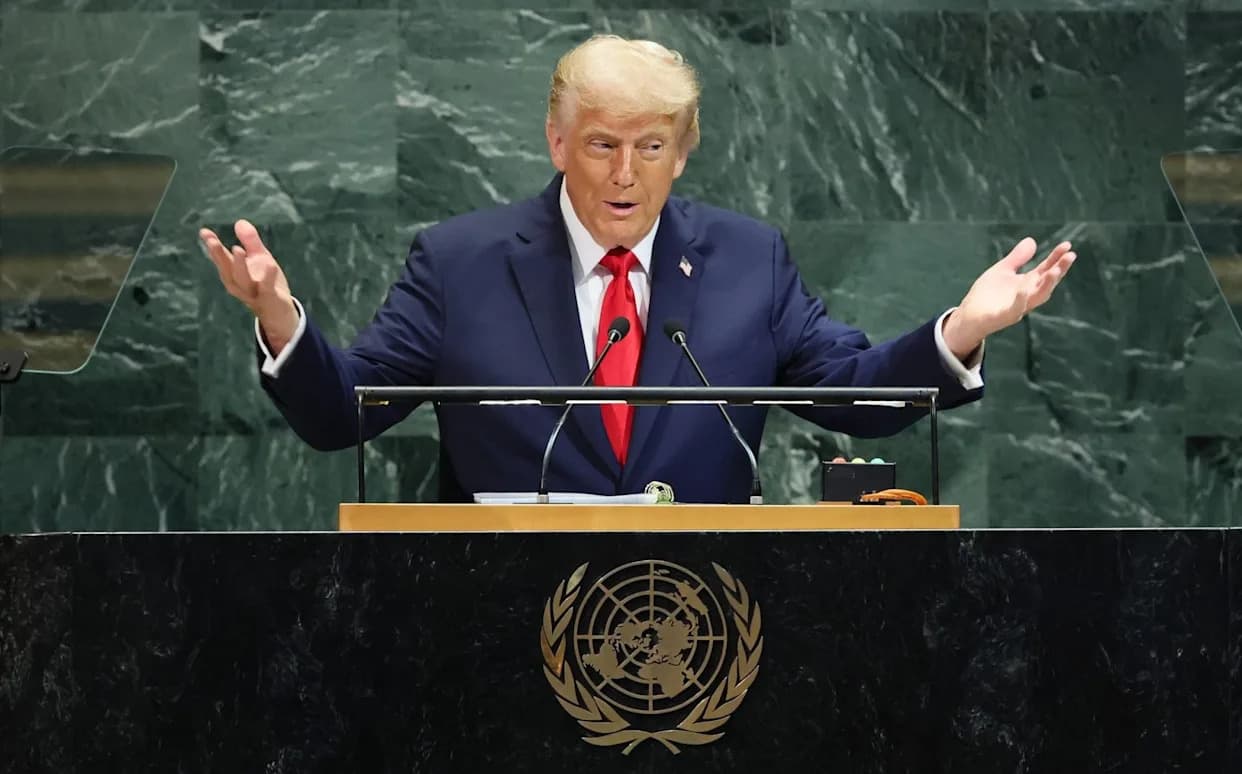
"We will continue to respond with significant and tangible consequences to the ICC's lawfare and overreach," a U.S. statement said.
ICC Response and International Fallout
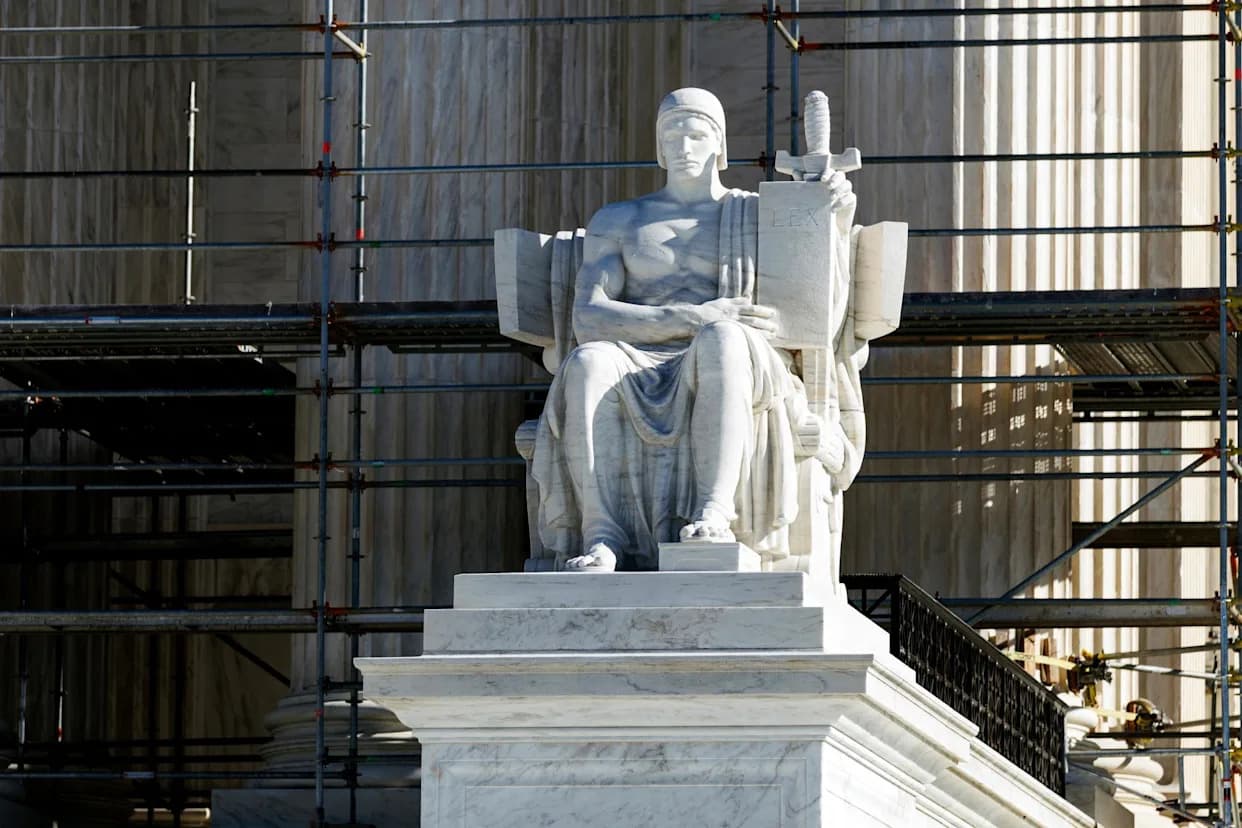
The Hague-based court strongly rejected the sanctions, calling them "a flagrant attack against the independence of an impartial judicial institution." Israel praised Washington’s action; Israeli Foreign Minister Gideon Saar thanked U.S. lawmakers for their stance on social media.
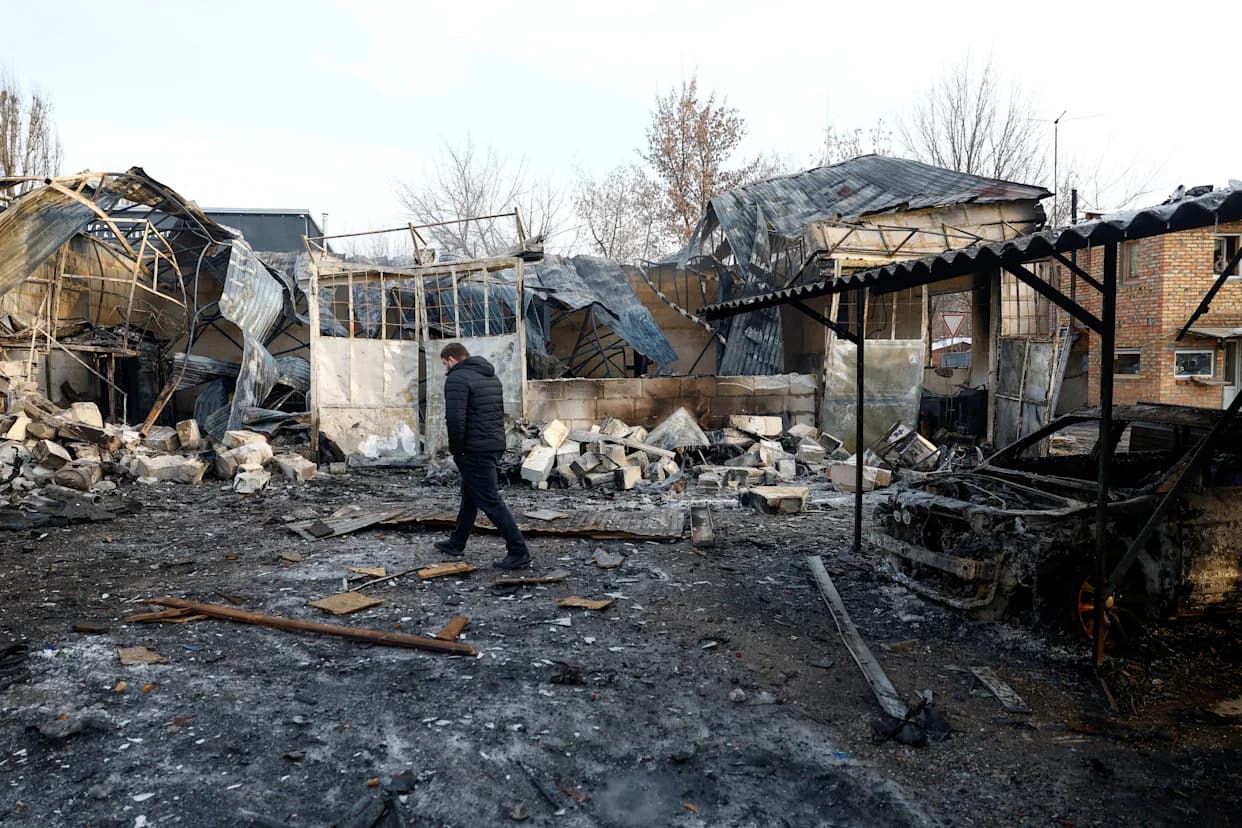
The latest U.S. action increases the tally of ICC judges sanctioned by U.S. measures implemented or announced in recent years to at least eight, alongside earlier restrictions affecting several ICC prosecutors, including Chief Prosecutor Karim Khan. Russia has taken parallel retaliatory steps, including sentencing ICC judges and the prosecutor in absentia.
Case Background
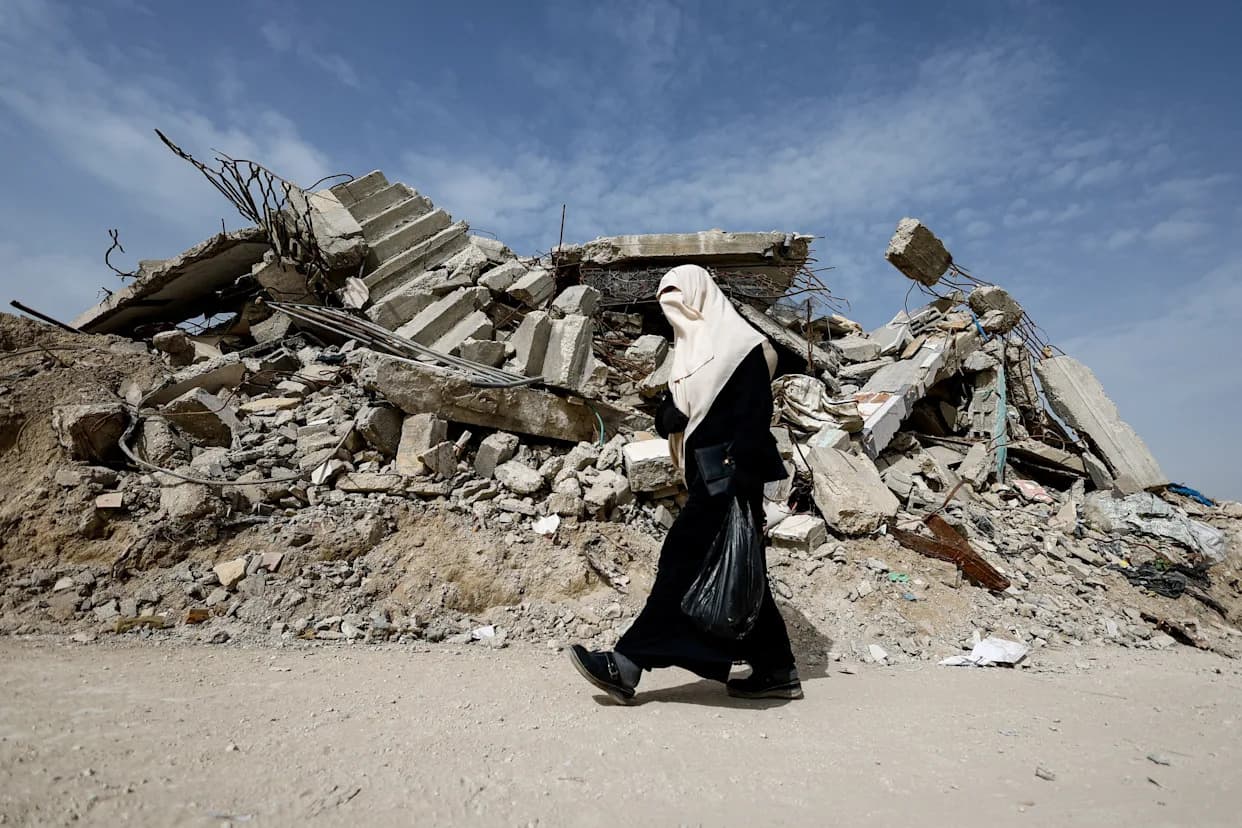
Monday’s 44-page ruling sustained the ICC’s decision to investigate allegations of war crimes and crimes against humanity connected to Israel’s offensive in Gaza following the October 7, 2023 Hamas attack. Both Mr. Netanyahu and Mr. Gallant face accusations related to that operation.
The ICC, established in 2002 as a court of last resort where national systems fail to ensure accountability, has issued arrest warrants in high-profile cases — including one for Russian President Vladimir Putin related to the invasion of Ukraine. The United States, Israel and Russia are not parties to the ICC’s Rome Statute.
During President Donald Trump’s term, the U.S. took measures against ICC officials to block investigations that might involve U.S. personnel; the Biden administration later eased some of those restrictions and pursued limited cooperation on specific issues such as Ukraine.
What this means: The sanctions deepen tensions between the U.S. and the ICC, underline ongoing political friction over accountability for wartime conduct, and highlight broader geopolitical divisions over the court’s jurisdiction and reach.
Help us improve.