The Bureau of Labor Statistics will publish the delayed November Consumer Price Index at 8:30 a.m. ET — the first inflation report since the 43-day government shutdown interrupted October data collection. Analysts polled by Dow Jones expect overall inflation to be about 3.1%, though incomplete October observations make interpretation more uncertain. JPMorgan projects core CPI rose 0.27% in both October and November, while the Fed recently cut rates by 25 basis points amid labor-market worries and rising unemployment.
Long-Delayed November CPI Released — How Much Prices Rose at the Checkout

A shopper in Herald Square in New York City on Black Friday. (Adam Gray / Bloomberg via Getty Images)
Consumers will finally get a concrete read on how much prices climbed in November when the Bureau of Labor Statistics (BLS) publishes the delayed Consumer Price Index (CPI) at 8:30 a.m. ET. This will be the first inflation report since the 43-day government shutdown interrupted BLS data collection in October.
What Analysts Expect
Analysts and economists surveyed by Dow Jones expect overall inflation to have risen to 3.1% in November. Forecasters warn, however, that comparisons and interpretation will be complicated because full October data are incomplete.
October Data Gap and How It Affects the Report
During the shutdown, BLS staff could not collect the full suite of price observations for October, and the agency later confirmed it would not publish a standalone October CPI report. The limited October observations the BLS did manage to collect will be released together with November's figures. Many economists say that makes the combined report more uncertain and potentially incomplete relative to prior releases.
JPMorgan analysts estimate that core CPI — which excludes volatile food and energy prices — rose by about 0.27% in both October and November. The Federal Reserve Bank of Cleveland produced a slightly higher estimate for the same period.
Context: Recent Inflation and Labor Trends
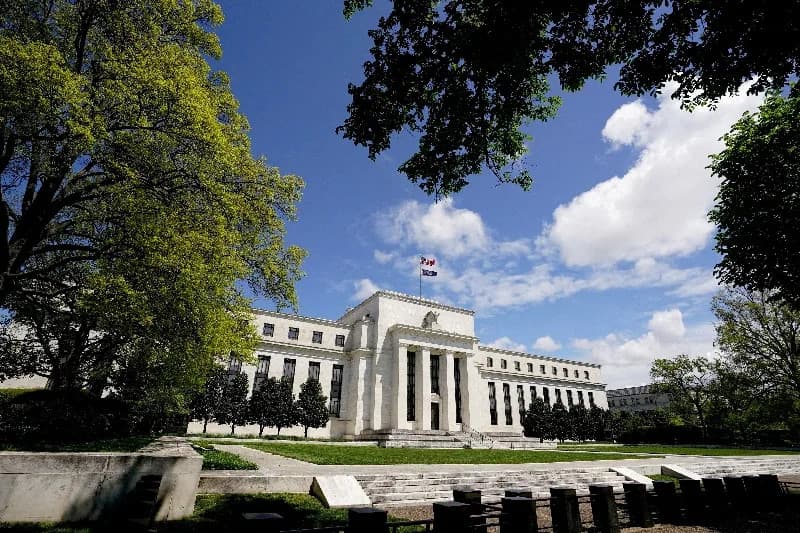
September’s inflation reading, published during the shutdown, showed inflation at 3.0% (up from 2.9% in August), with notable increases in housing, airline fares, recreation, household furnishings and apparel. Despite the gap in October reporting, the Federal Reserve last week cut its policy rate by 25 basis points, citing concerns about a softening labor market.
Separately, the BLS released data showing job cuts rose in October and the unemployment rate ticked up to 4.6%. Policymakers have pointed to these labor-market developments when weighing the pace of monetary easing.
What Officials Are Saying
"It's really tariffs that's causing most of the inflation overshoot," Federal Reserve Chair Jerome Powell said at a Washington news conference, linking trade policy to persistent price pressures.
Investors, policymakers and consumers will be watching the Thursday release closely. Even with limitations on October data, the report will influence expectations for future Fed policy and shape public perception of how quickly prices are changing at the checkout.
Help us improve.