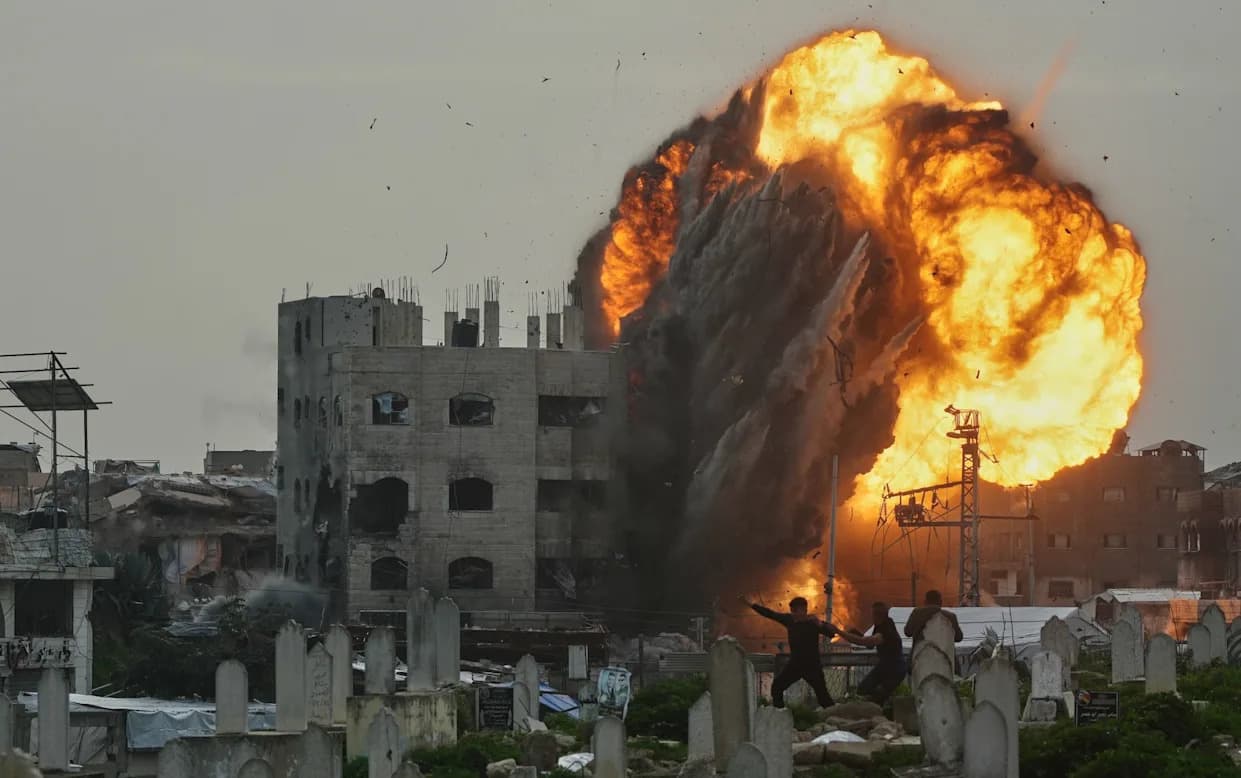
The United States military says a Wednesday strike in the eastern Pacific Ocean killed four people, a move announced as congressional efforts to curb US action toward Venezuela failed.
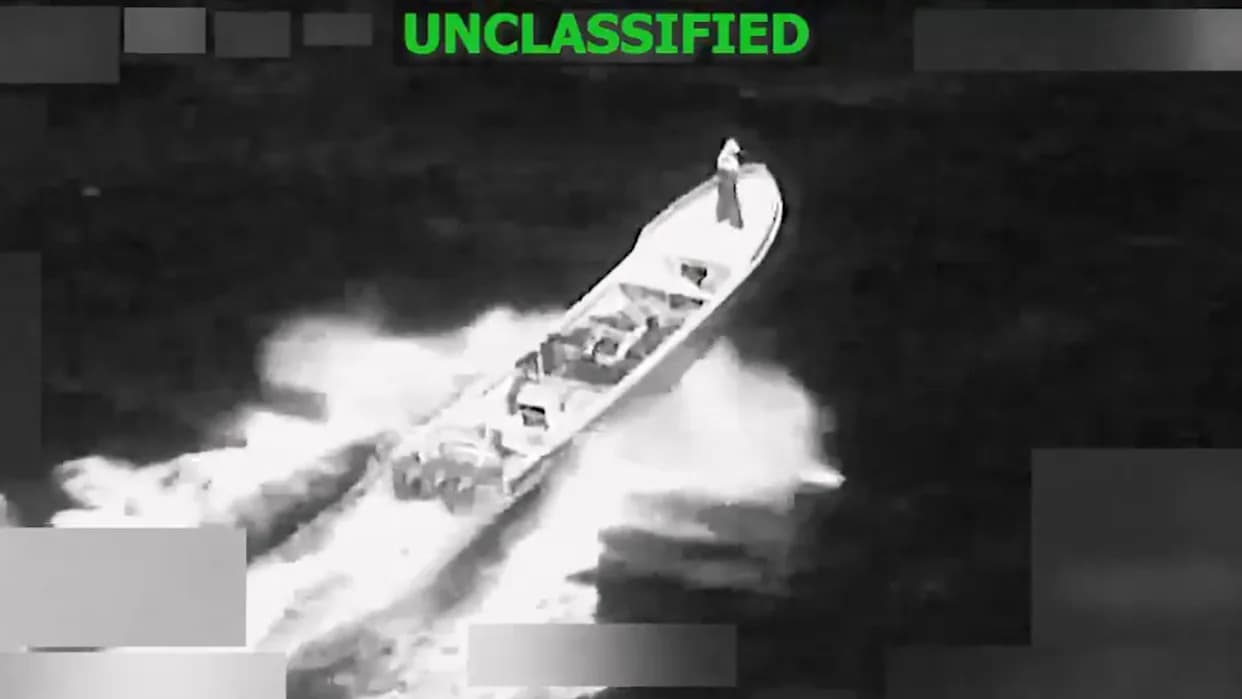
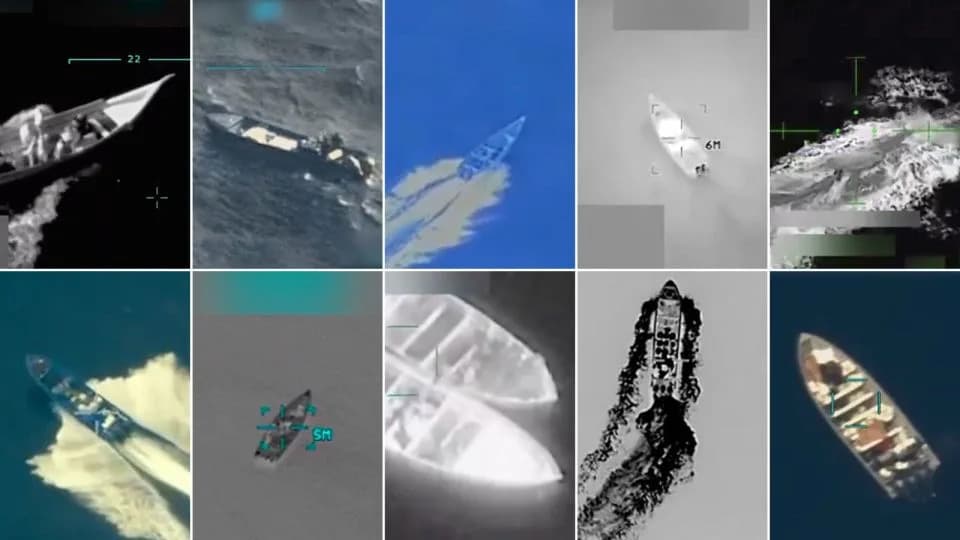
US Southern Command (SOUTHCOM), which is directing a growing regional operation it calls “Southern Spear,” said the attack targeted “four male narco-terrorists.” SOUTHCOM released a social media post and video showing a speedboat being destroyed but did not provide public evidence linking the vessel to drug trafficking.
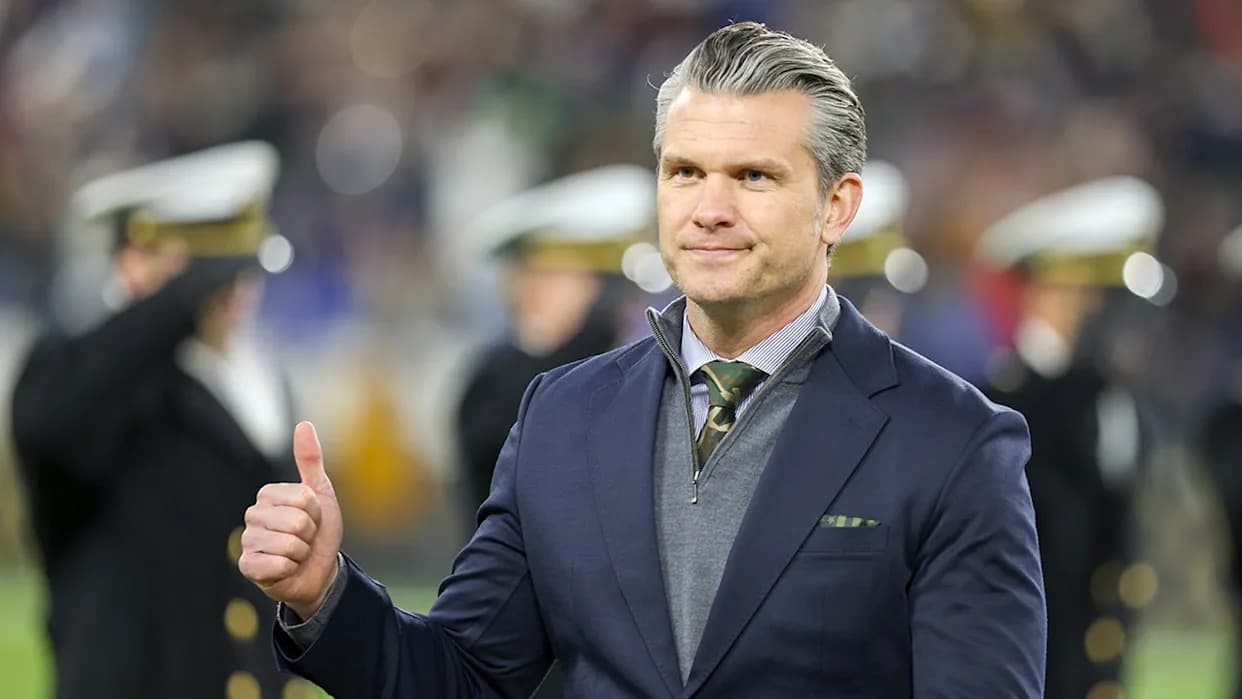
Defense Secretary Pete Hegseth ordered the operation. SOUTHCOM and other US officials say the strike raises the total number of people Washington acknowledges were killed in attacks on 26 vessels in the eastern Pacific and Caribbean since September to nearly 100.
Legal And Political Backdrop
Legal experts and rights groups have warned that strikes in international waters risk becoming extrajudicial killings if proper legal justification and transparency are not provided. US officials, including the White House, have defended the campaign as part of efforts to disrupt the flow of illegal drugs and target trafficking networks they connect to Venezuela.
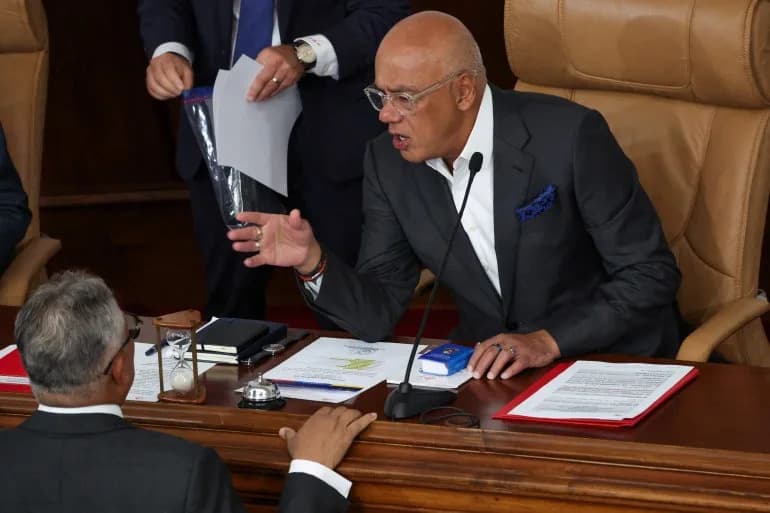
On Capitol Hill, the Republican-controlled House of Representatives voted down two measures that would have restricted military actions related to Venezuela. Lawmakers rejected a resolution to require the president to remove US forces from hostilities with or against Venezuela without congressional authorization, by a 213–211 vote. A second resolution to prevent US forces from engaging designated terrorist organizations in the Western Hemisphere without Congress’s approval failed 216–210.
Escalating Tensions In The Region
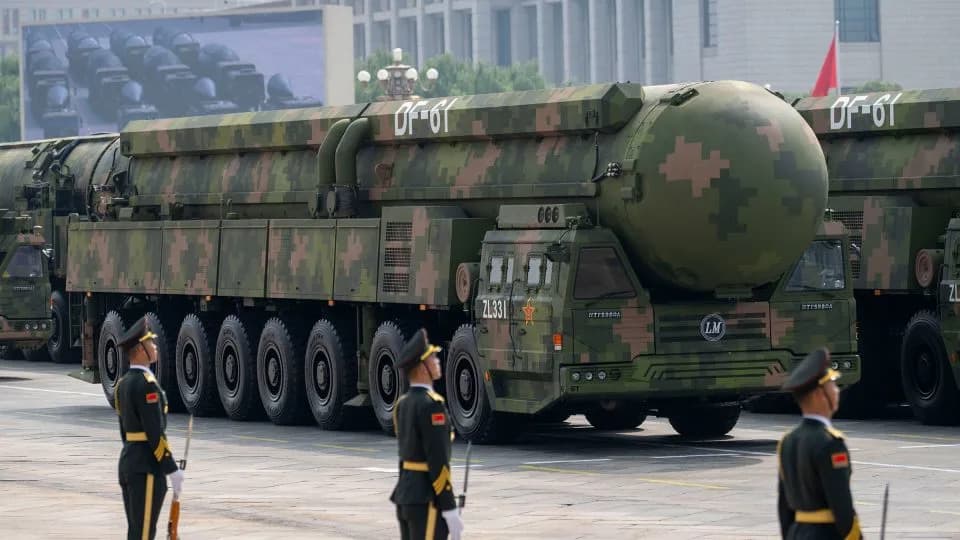
The voting came as a major US military deployment moves through Latin America, reportedly involving thousands of troops, the US Navy’s largest aircraft carrier and a nuclear-powered submarine. President Trump has also ordered a naval blockade of oil tankers subject to US sanctions that are entering or leaving Venezuelan ports — a step Caracas condemned as a “grotesque threat” and an attempt to seize national resources.
Earlier this month, US forces boarded and seized the oil tanker Skipperoil off Venezuela’s coast; US personnel were reported to have brought the vessel to Texas to offload its cargo. The New York Times has reported that Venezuela’s navy began escorting petroleum shipments from ports after the blockade announcement, citing sources who said several tankers departed with naval escorts.
Regional And International Reactions
Regional leaders and the United Nations have voiced concern about the growing risk of conflict. Mexican President Claudia Sheinbaum urged the UN to act to prevent violence, saying the organization must "assume its role to prevent any bloodshed.” Brazil’s President Luiz Inácio Lula da Silva expressed concern about US actions in Latin America and said he had pressed for dialogue between Washington and Caracas.
Venezuelan President Nicolás Maduro reportedly spoke by phone with UN Secretary-General António Guterres and denounced the naval blockade as an escalation of "colonial threats" against Venezuela, calling US comments about the country's natural resources an example of "barbaric diplomacy."
The situation remains fluid. US officials, regional governments and international organizations continue to monitor developments as diplomatic and military tensions rise.