
The galaxy frog, a tiny, star-speckled amphibian endemic to India’s southern Western Ghats, has vanished from a monitored site after repeated wildlife photography visits damaged its microhabitat. Researchers found overturned logs, trampled vegetation and no trace of the roughly seven frogs originally recorded in 2020 when they revisited between August 2021 and May 2022. ZSL warns that unregulated photography—including use of flash and handling animals without proper biosecurity—can cause stress, dehydration and disease risk, and urges low-impact practices and better site management.
Rare 'Galaxy' Frogs Vanish After Wildlife Photographers Disturb Fragile Western Ghats Habitat

Courtesy of the Zoological Society of LondonGalaxy frog
Galaxy frogs, a tiny and strikingly patterned amphibian found only in India’s southern Western Ghats, have disappeared from a monitored site after repeated wildlife photography visits degraded their microhabitat, researchers report.
Scientists first recorded roughly seven of these narrow-mouthed frogs sheltering beneath fallen logs in 2020. When the team returned to the site between August 2021 and May 2022, they found overturned logs, trampled undergrowth and no sign of the frogs that had been present previously.

Courtesy of the Zoological Society of LondonGalaxy frog
According to an anonymous informant and field observations reported by the Zoological Society of London (ZSL), visiting photographers repeatedly searched the area and in some cases moved or lifted logs and crushed vegetation while trying to get shots. Photographers were also reported to have used camera flash near the animals and to have handled frogs without gloves—practices experts say can increase stress, dehydration and the risk of disease transmission.
Named after their resemblance to images of space, these beautiful yet rare frogs are unlike anything else on our tiny corner of the universe. But without careful and responsible management, we risk them disappearing off the face of the planet for good.
Why Small Disturbances Matter
Galaxy frogs occupy extremely small, specific microhabitats in the forest floor. For species with restricted ranges and small populations, localized disturbance can remove the only suitable shelter and breeding sites, pushing populations to local extinction.
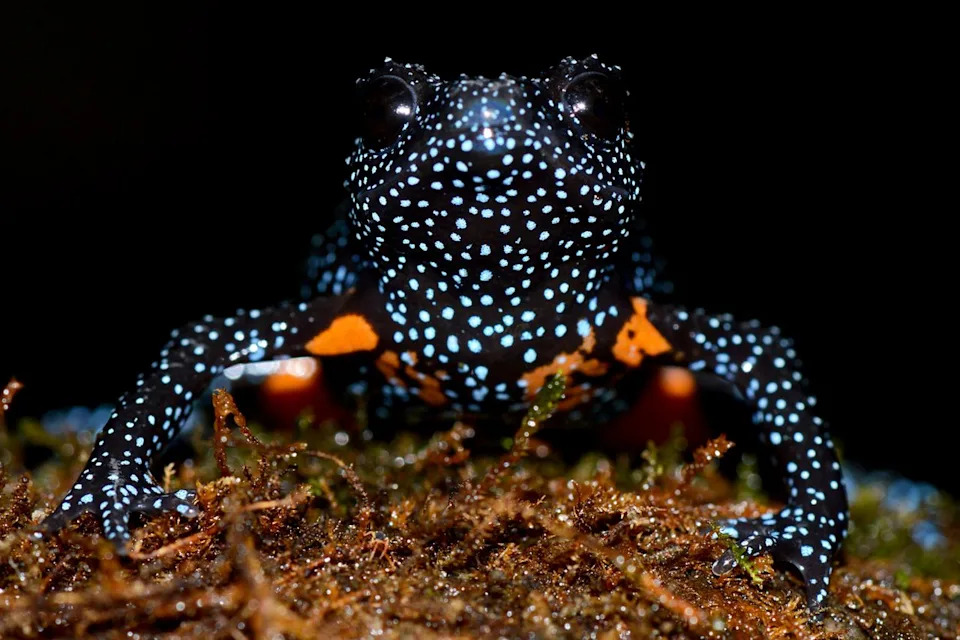
Courtesy of the Zoological Society of LondonGalaxy frog
ZSL conservation staff note that irresponsible wildlife photography has already led to bans or restrictions at some Indian sites. Dr. Benjamin Tapley, ZSL's curator of reptiles and amphibians, warned that the loss of one population matters: it reduces the species' resilience and raises the extinction risk.
While we want people to appreciate the incredible life we share this planet with, it is essential they do so respectfully so as not to cause further damage.
How Photographers Can Help
Experts say photography can be a powerful conservation tool when practised responsibly. Recommended measures include:
- Avoid lifting or moving logs and disturbing undergrowth;
- Use longer lenses and remain on established paths to keep distance from animals;
- Do not handle animals; if handling is unavoidable for research, use appropriate biosecurity (gloves, disinfecting) under expert guidance;
- Avoid using camera flash at close range, which can stress small amphibians;
- Follow local regulations and guidance from conservation authorities and site managers.
The galaxy frog is listed among EDGE (Evolutionarily Distinct and Globally Endangered) species, a designation for taxa that are both evolutionarily unique and at high risk of extinction. The apparent loss at this site underlines the urgent need for better management of wildlife photography tourism, stronger site protections, and wider awareness among visitors about the fragility of small amphibian habitats.
Researchers urge photographers, guides and tour operators to adopt low-impact practices that help protect rare species rather than inadvertently harm them.


