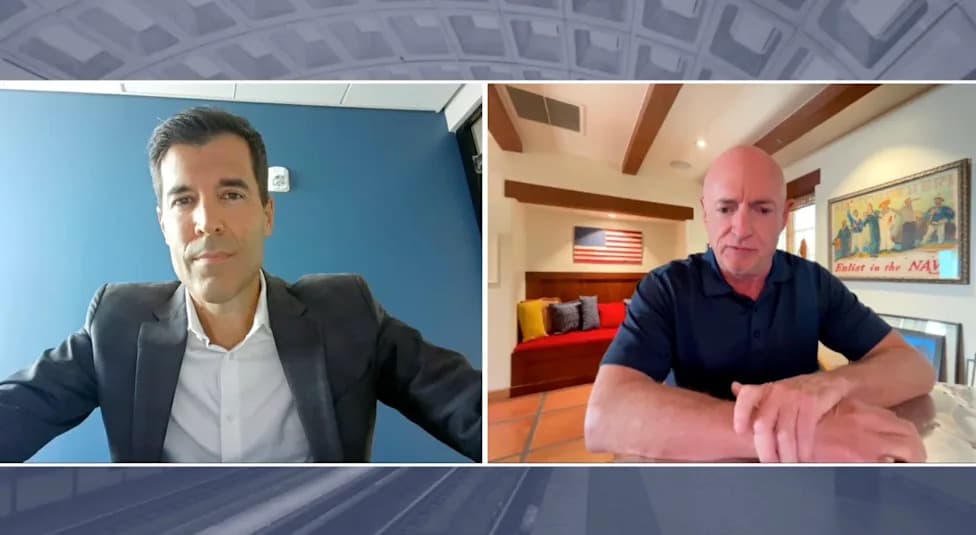
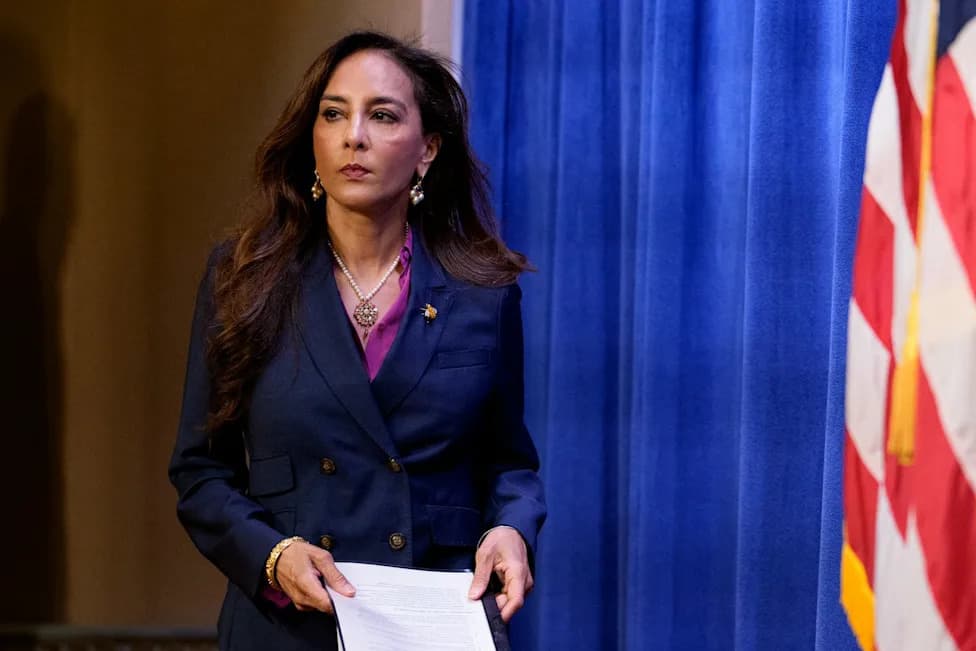
Senior U.S. District Judge Richard Leon indicated he is likely to side with Sen. Mark Kelly in a First Amendment lawsuit challenging the Pentagon’s efforts to discipline him for a November video about "illegal orders." Leon questioned the Justice Department’s bid to extend narrow speech exceptions for active-duty troops to retirees. He said a decision on Kelly’s request for an injunction could come by Feb. 11; Kelly must respond to the censure and retirement-rank proceedings by Feb. 16.
Judge Signals He’s Likely To Rule For Sen. Mark Kelly In First Amendment Challenge To Pentagon
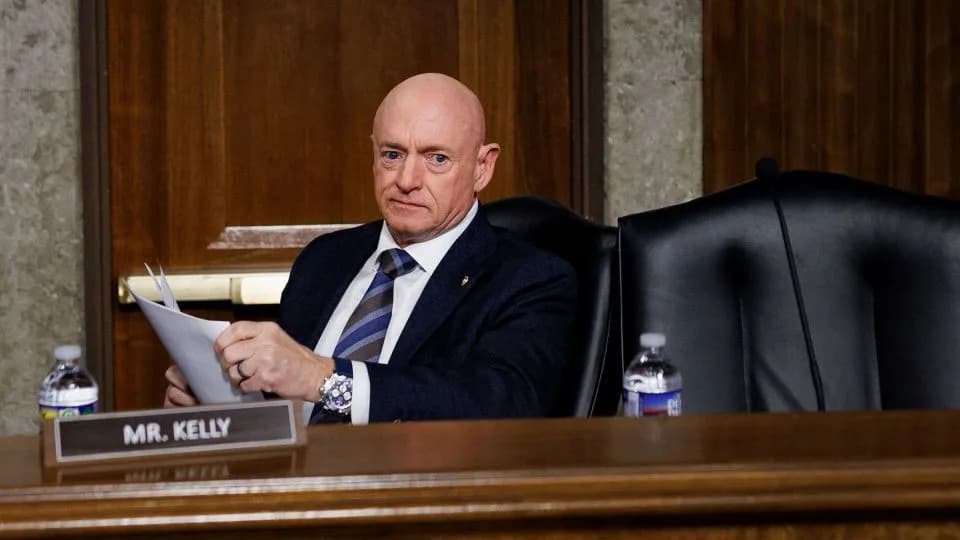
Sen. Mark Kelly takes his seat during a Senate Armed Services Committee confirmation hearing on Capitol Hill, on January 15, 2026. - Tom Brenner/Getty Images/File
A federal judge in Washington, D.C., signaled he is likely to side with Democratic Sen. Mark Kelly in a lawsuit alleging the Pentagon is violating the senator’s First Amendment rights by seeking to discipline him for a November video urging service members not to follow unlawful orders.
Judge Questions Expansion Of Military Speech Rules
At a contentious hearing, Senior U.S. District Judge Richard Leon expressed skepticism about a Justice Department argument that would extend narrow First Amendment exceptions created for active-duty service members to retirees like Kelly. “You’re asking me to do something the Supreme Court or the D.C. Circuit has never done,” Leon told a Justice Department attorney. “That’s a bit of a stretch.”
Relief Could Come Quickly
Leon, appointed by former President George W. Bush, said he expected to rule on Kelly’s request for an injunction blocking the Pentagon’s disciplinary effort by Feb. 11. Absent such an order, Kelly has until Feb. 16 to respond to a censure letter and proceedings to reduce his retirement rank and pay, actions announced by Defense Secretary Pete Hegseth.
Arguments From Both Sides
Hegseth accused Kelly of "counseling servicemembers to refuse lawful orders" in a censure letter, and the Pentagon contends the military need not tolerate speech that undermines the chain of command or encourages disobedience. The Justice Department has also argued federal courts are ill-suited to intervene in military disciplinary matters and that Kelly’s challenge may be premature because administrative proceedings are underway.
From Hegseth’s censure letter: "When viewed in totality, your pattern of conduct demonstrates specific intent to counsel servicemembers to refuse lawful orders."
Kelly’s lawyers counter that his comments are protected by the First Amendment and that the Constitution’s Speech and Debate Clause shields members of Congress from certain external inquiries and procedures. They also argue the administrative process violates his due process rights and reflects "foreordained decisionmaking."
Broader Implications
Judge Leon expressed concern that accepting the government’s position could chill speech by retired military personnel and by lawmakers with service backgrounds, potentially limiting their ability to legislate and conduct oversight. The senator’s attorney warned that a ruling for the government could silence former senior officers and other knowledgeable voices on military policy.
Several other Democrats who appeared in the November video have also drawn scrutiny: the U.S. attorney’s office in Washington, D.C., has contacted at least four of them as part of an inquiry, though it has not been publicly disclosed whether any criminal charges are being pursued.
The video — featuring six Democrats with military experience — urged service members to refuse unlawful orders but did not identify specific orders. It was released amid debate over the legality of certain strikes in the Caribbean and eastern Pacific and legal challenges to prior federalized National Guard deployments.
The case will be watched closely for its potential to define how far military-era limits on speech can extend to retirees who serve in public office and for its broader implications for free-speech protections and civilian oversight of the military.
Help us improve.