JD Vance delivered a concise, disciplined defense of the administration’s ten‑month economic record in Allentown, contrasting with President Trump’s more improvisational style. Vance acknowledged that many Americans don’t yet feel the touted economic "golden age" and asked for patience while promising improvements. His message mixed policy claims — including credit for tariffs and inward investment — with data that show inflation at 3.0% (Sept.) and unemployment rising to 4.6%. Vance’s working‑class narrative and message discipline suggest a steadier GOP alternative, but public frustration over affordability remains a midterm risk.
What Trump Can Learn From JD Vance Before His Primetime Address

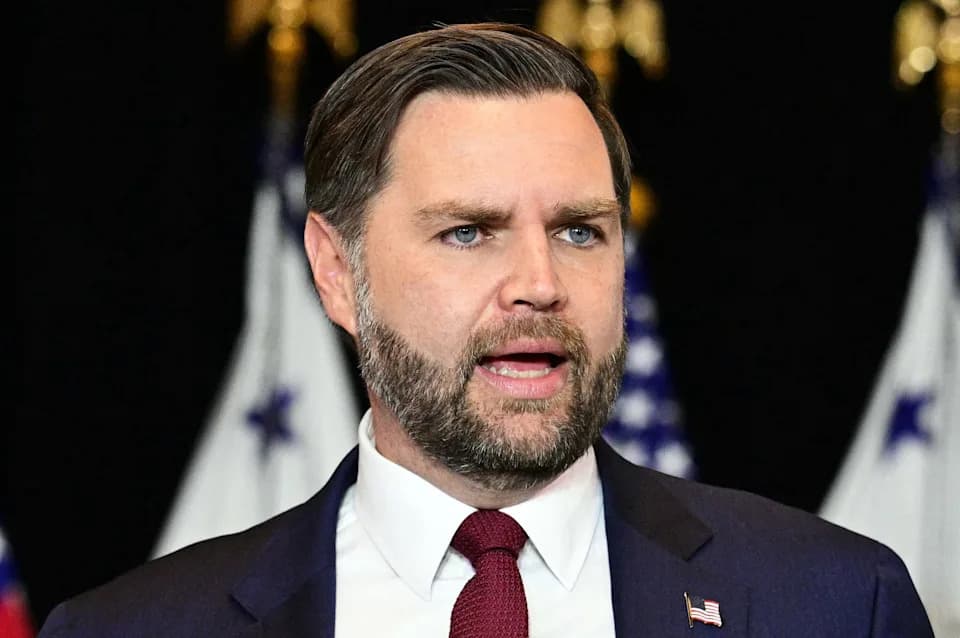
Vice President JD Vance delivers remarks at Uline Inc., in Alburtis, Pennsylvania, on Tuesday. - Eduardo Munoz/Reuters
President Donald Trump would do well to borrow a page from Vice President JD Vance’s playbook as he prepares for a primetime national address. In Allentown, Pennsylvania, Vance offered the administration’s clearest, most disciplined defense of its ten-month economic record — a contrast to the freewheeling style that often defines the president’s appearances.
Message Discipline Versus Theatricality
Unlike Mr. Trump, Vance adhered to a prepared script and delivered it with focus. He acknowledged that many Americans do not feel the “golden age” the administration touts and asked the public for patience while promising that policy effects will become more visible next year. “We inherited a nightmare of an economy from Joe Biden,” he told the crowd, while also conceding, “Even though we’ve made incredible progress, we understand that there’s a lot more work to do.”
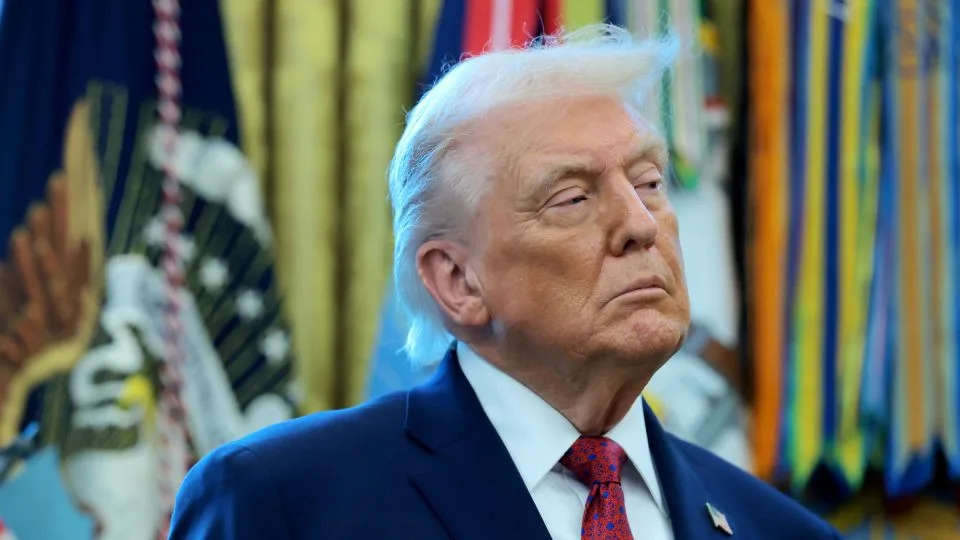
President Donald Trump listens during a ceremony for the presentation of the Mexican Border Defense Medal in the Oval Office on Monday. - Anna Moneymaker/Getty Images
Policy Claims And The Data
Vance credited the administration’s tariff policies with sparking inward investment, pledged to stop further offshoring of U.S. jobs, and asserted that wages are rising and inflation is falling. Those claims, however, sit alongside official data showing inflation at 3.0% year‑on‑year in September — the same level Mr. Trump inherited — and a recent uptick in unemployment to 4.6%, the highest in four years. Wage growth in the latest jobs report was described as sluggish.
Why Presentation Matters
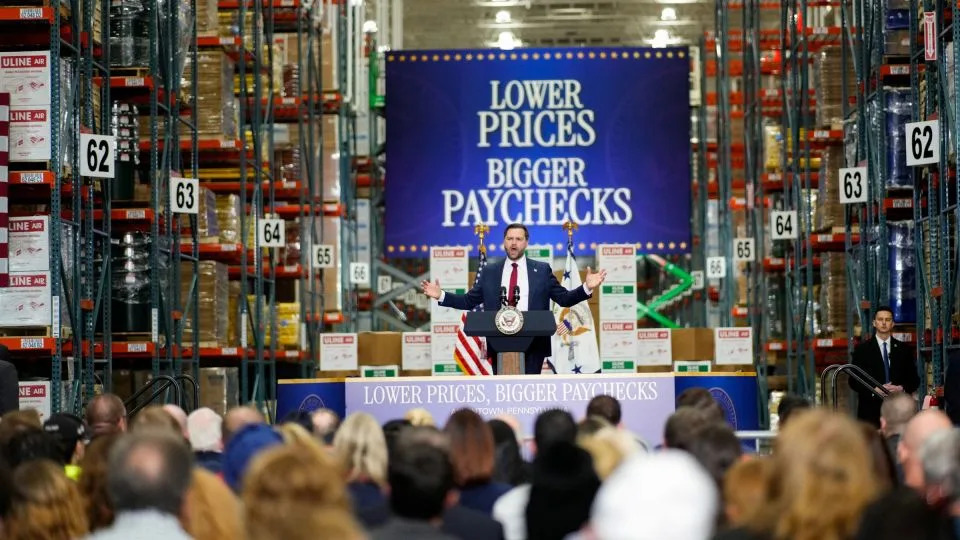
Vice President JD Vance delivers remarks at Uline Inc., in Alburtis, Pennsylvania, on Tuesday. - Eduardo Munoz/Reuters
The White House’s selective framing highlights a key point: a disciplined delivery can still rest on contested facts. Vance’s concession that recovery remains uneven — paired with a request for patience — is intended to signal empathy in a way that Mr. Trump’s dismissive comments about the affordability crisis have not.
Working-Class Credibility
Vance leaned into his Appalachian background and his memoir Hillbilly Elegy, evoking the image of his grandmother buying a calculator she could scarcely afford so he could succeed in school. Federal Election Commission filings indicate Vance has since become wealthy, but his personal narrative helps him connect with working-class voters in a way a billionaire president often cannot.
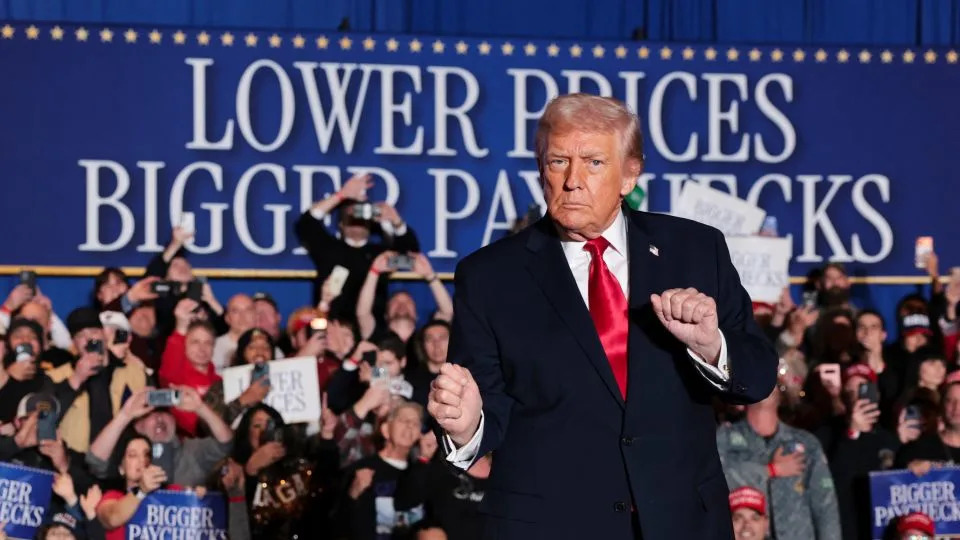
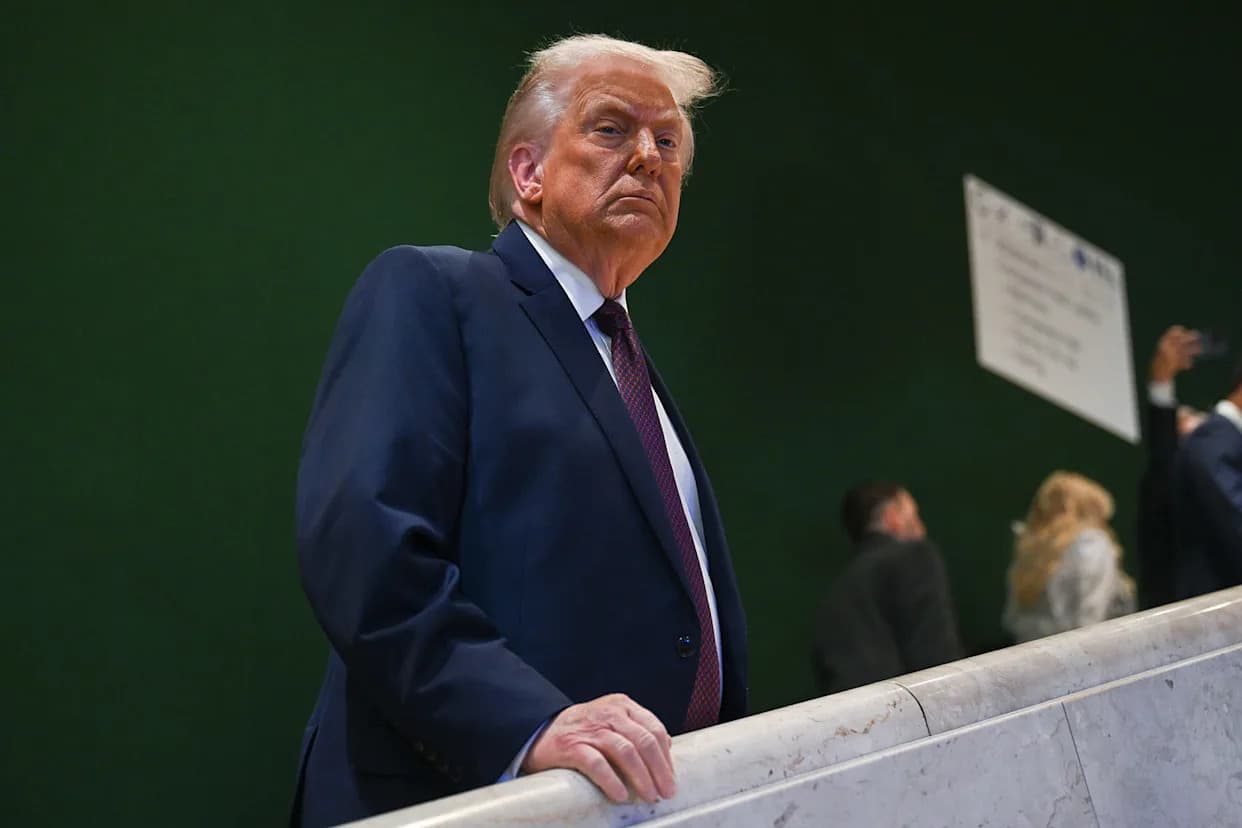
President Donald Trump gestures as he arrives to deliver remarks on the US economy and affordability at the Mount Airy Casino Resort in Mount Pocono, Pennsylvania, on December 9. - Jonathan Ernst/Reuters
Handling Controversy
Vance also deftly defused a recent controversy stemming from remarks by White House chief of staff Susie Wiles in a Vanity Fair interview. When asked about a line that labeled him "a conspiracy theorist for a decade," Vance quipped, “Sometimes I am a conspiracy theorist, but I only believe in the conspiracy theories that are true,” turning a potentially awkward moment into a rallying sound bite that reinforced GOP talking points.
Political Implications
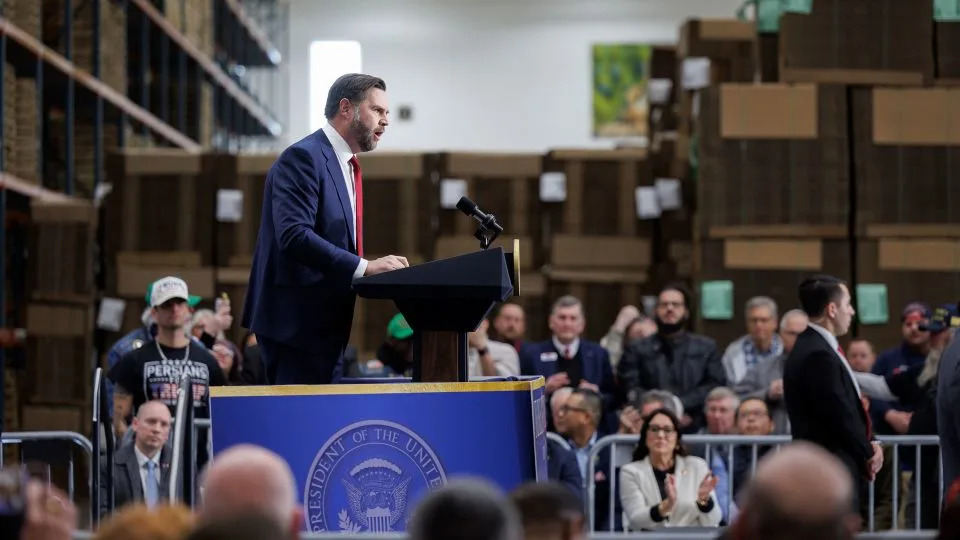
Vice President JD Vance delivers remarks at Uline Inc. at Lehigh Valley International Airport on Tuesday in Allentown, Pennsylvania. - Tom Brenner/Pool/Getty Images
Polls show many voters frustrated by high prices and skeptical of Mr. Trump’s ability to solve the affordability challenge — a dynamic that threatens Republican prospects in next year’s midterms if perceptions do not change. Vance’s steadier, more conventional approach may appeal to strategists who want a disciplined messenger, and his generational contrast with the 79‑year‑old president underscores potential long‑term political shifts within the party.
Bottom Line
Vance’s Pennsylvania tour underscored that presentation and empathy matter in political communication: a tight, disciplined message can help sell contested economic claims, but it cannot substitute for facts that voters experience daily. For Mr. Trump, the challenge ahead of his primetime address will be to match Vance’s discipline without losing the emotional bond that defines his political appeal.
Help us improve.