Vice President JD Vance used his personal story to empathize with Americans facing tough trade-offs between food and medicine, even as he echoed President Trump’s “A+++” grade for the economy. Affordability has emerged as a major political vulnerability: polls show nearly half of Americans find everyday costs hard to manage. The White House points to recent policies and tax provisions that officials say will deliver more relief by 2026, while strategists urge immediate, concrete solutions rather than blame.
Vance Tries to Bridge Affordability and Optimism in Rust Belt Visit

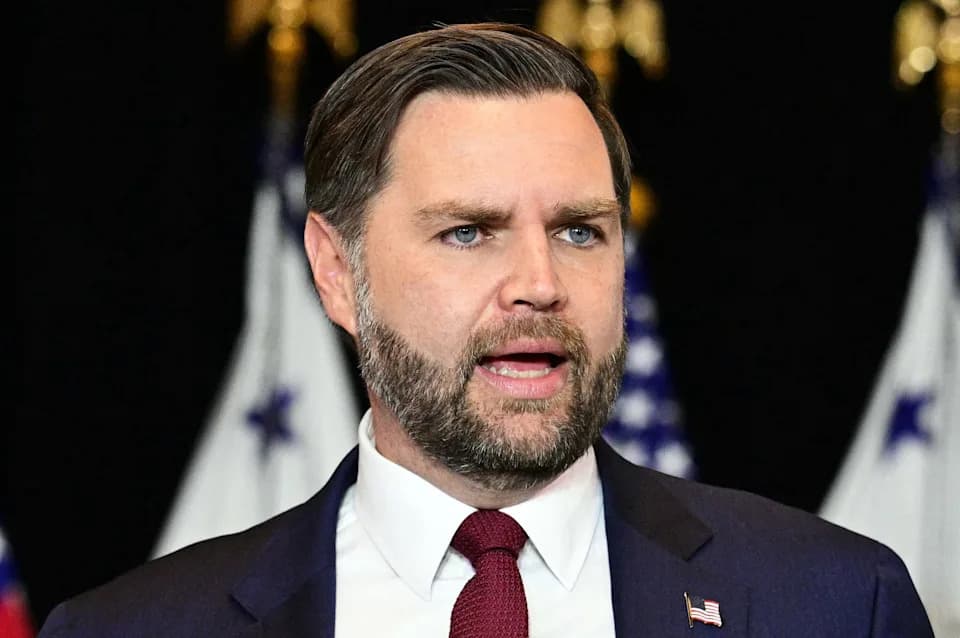
ALBURTIS, Pennsylvania — Vice President JD Vance told a Rust Belt audience Tuesday that he remembers struggling to choose between buying groceries and paying for prescription medicine, and he vowed that he and President Donald Trump do not want Americans to face those hardships.
Personal Story Meets Presidential Praise
Vance repeatedly invoked his difficult upbringing — as recounted in his memoir Hillbilly Elegy — to connect with voters, then echoed President Trump’s upbeat assessment of the economy by giving it an “A+++.” That contrast highlighted a persistent tension within the administration: acknowledging everyday economic pain while insisting the overall economy is strong.
Trying To Thread The Needle
Speaking to roughly 200 people in a Lehigh Valley warehouse, Vance pledged urgency on affordability while staying aligned with the president’s message. “I promise you, there is no person more impatient to solve the affordability crisis than Donald J. Trump,” he said. He added, “I remember what it's like when you have to choose between putting food on the table or getting the prescription that you need to stay healthy. And that is not a life that Donald Trump or I want for the citizens in the greatest country in the world.”
Political Stakes And Public Sentiment
The administration faces political consequences: a POLITICO poll conducted by Public First found nearly half of respondents saying groceries, utilities, health care, housing and transportation are difficult to afford, and 46 percent calling the current cost of living the worst they can remember. Those results — and Democrats’ messaging on affordability in recent off-year contests — have pressured Republican strategists and White House officials to sharpen their communications.
Mixed Messaging From The White House
While some White House officials emphasize progress, President Trump has offered mixed signals: praising the economy, blaming higher prices on the Biden administration, and at times dismissing affordability concerns as a “hoax.” Press Secretary Karoline Leavitt said there is “much work to do, but this has already been significant progress,” and other aides framed recent policy achievements as the start of a turn toward relief.
Economic Data And Administration Response
The administration pointed to a delayed jobs report that showed only 64,000 jobs added and an uptick in the unemployment rate from 4.4% to 4.6%. White House officials nonetheless described the report as evidence the president’s policies are repairing the economy, and they emphasized tax provisions and other measures they expect will produce more visible relief in 2026.
Looking Toward 2026
At a recent Cabinet meeting, several secretaries predicted 2026 could be a banner year as provisions of the so-called One Big Beautiful Bill take effect. Treasury Secretary Scott Bessent called those measures the best way to put more money in Americans’ pockets, and Vance declared that 2026 will be the year the economy “really takes off.” Senior officials acknowledged, however, that optimism depends on continued policy execution and that there is no finish line for improving the economy.
Strategic Concerns From Advisors
Republican strategists and outside analysts warned that blaming predecessors has a limited shelf life and that voters want concrete solutions now. “Blame has a shelf life,” said Kevin Madden, urging the White House to present new ideas and a forward-looking agenda rather than relying on retrospective criticism.
Bottom line: The administration is attempting a dual message — compassion for everyday struggles paired with confident claims about economic progress — but striking the right balance will be critical as affordability remains a top voter concern heading into the midterm cycle.
Help us improve.