The EU has set up an air bridge to fly eight planeloads carrying €3.5m ($4.1m) of emergency supplies into Darfur, beginning with a first delivery of about 100 tonnes. Flights will continue through December and January, bringing water, shelter, sanitation and medical items to hard-to-reach communities. The move follows the late-October fall of el-Fasher to the Rapid Support Forces after an 18-month siege, which displaced over 100,000 people and generated reports of mass killings and sexual violence. Fighting has since advanced into Kordofan, raising UN fears of further atrocities as Sudan remains effectively split between RSF-held west and army-controlled centre, north and east.
EU Launches Air Bridge to Deliver Eight Aid Flights to Darfur as Crisis Deepens

Awadeya, a displaced Sudanese woman who was held by the paramilitary Rapid Support Forces, fled from el-Fasher to a camp for displaced people in Tawila in Sudan's North Darfur State [File: Mohamed Jamal/Reuters]
The European Union has established an air bridge to fly eight planeloads of humanitarian assistance into Sudan’s embattled Darfur region, the European Commission announced. The operation will deliver €3.5 million (about $4.1 million) in life-saving supplies to communities cut off by months of intense fighting and displacement.
First Flight and Planned Shipments
The commission’s Directorate-General for European Civil Protection and Humanitarian Aid Operations (DG ECHO) said the first flight departed last Friday, delivering roughly 100 tonnes of aid taken from EU humanitarian stockpiles and partner organisations. Additional flights are scheduled through December and into January, transporting water, shelter materials, sanitation and hygiene kits, and basic medical supplies to hard-to-reach areas.
Escalation After El-Fasher Fell
Officials described the late-October seizure of North Darfur’s capital, el-Fasher, by the paramilitary Rapid Support Forces (RSF) as a major escalation that has compounded an already catastrophic humanitarian situation. The RSF reportedly took el-Fasher after an 18-month siege that had deprived residents of food, medicine and other essentials.
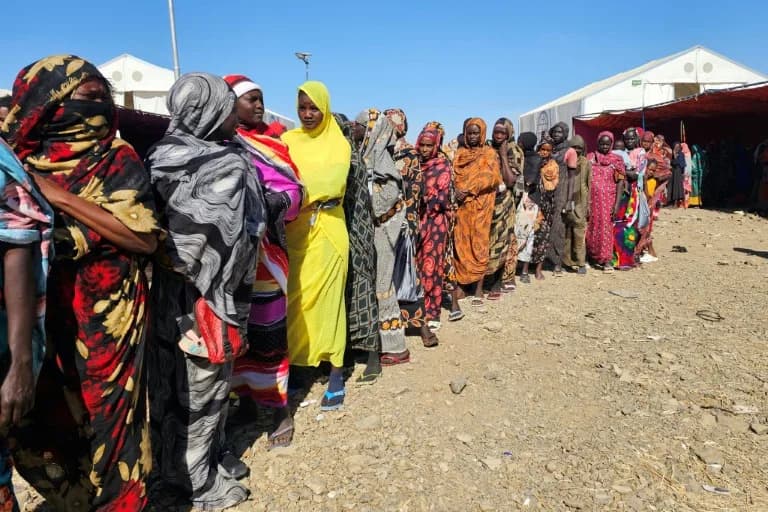
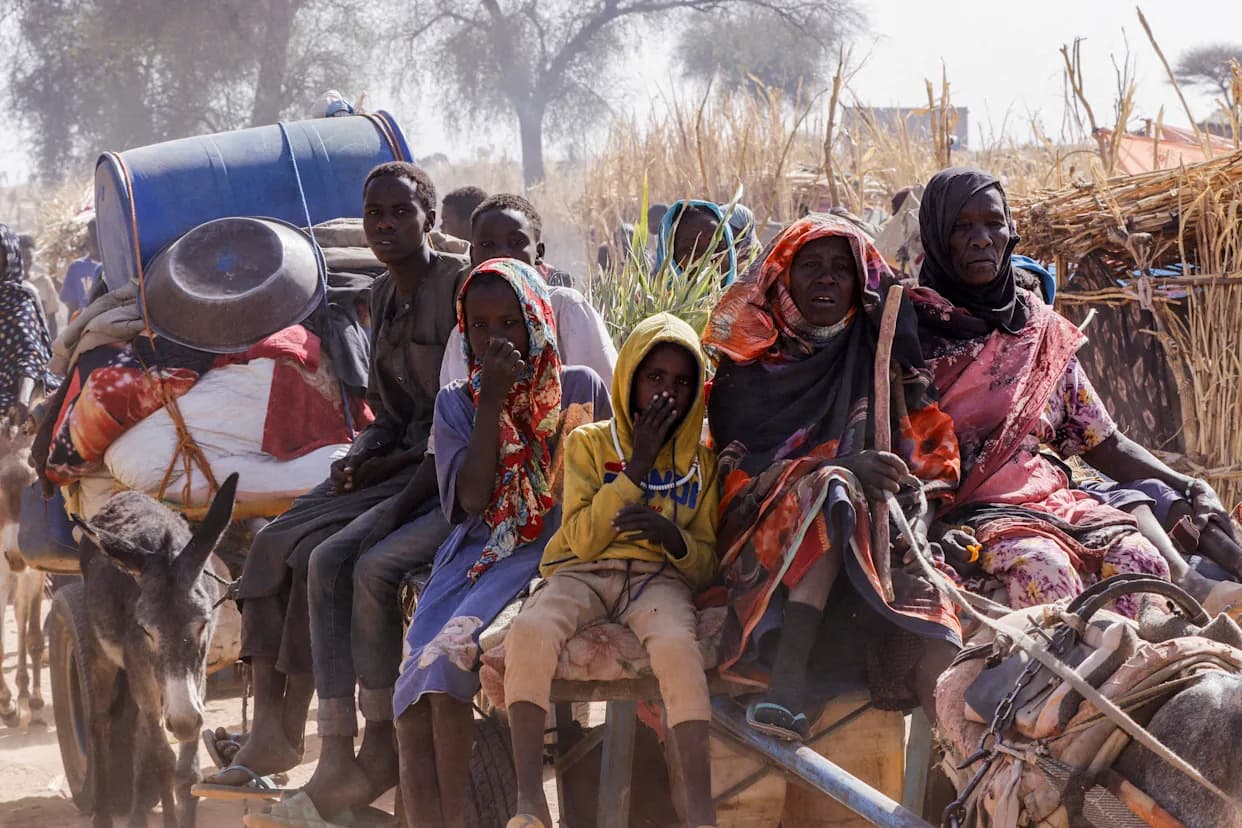
More than 100,000 people fled el-Fasher, many to the town of Tawila, which has become a focal point for displacement and urgent humanitarian needs. Survivors who escaped the city reported mass killings, kidnappings and widespread sexual violence; United Nations human rights chief Volker Türk said the attacks may amount to some of the gravest crimes.
Wider Conflict and Humanitarian Risk
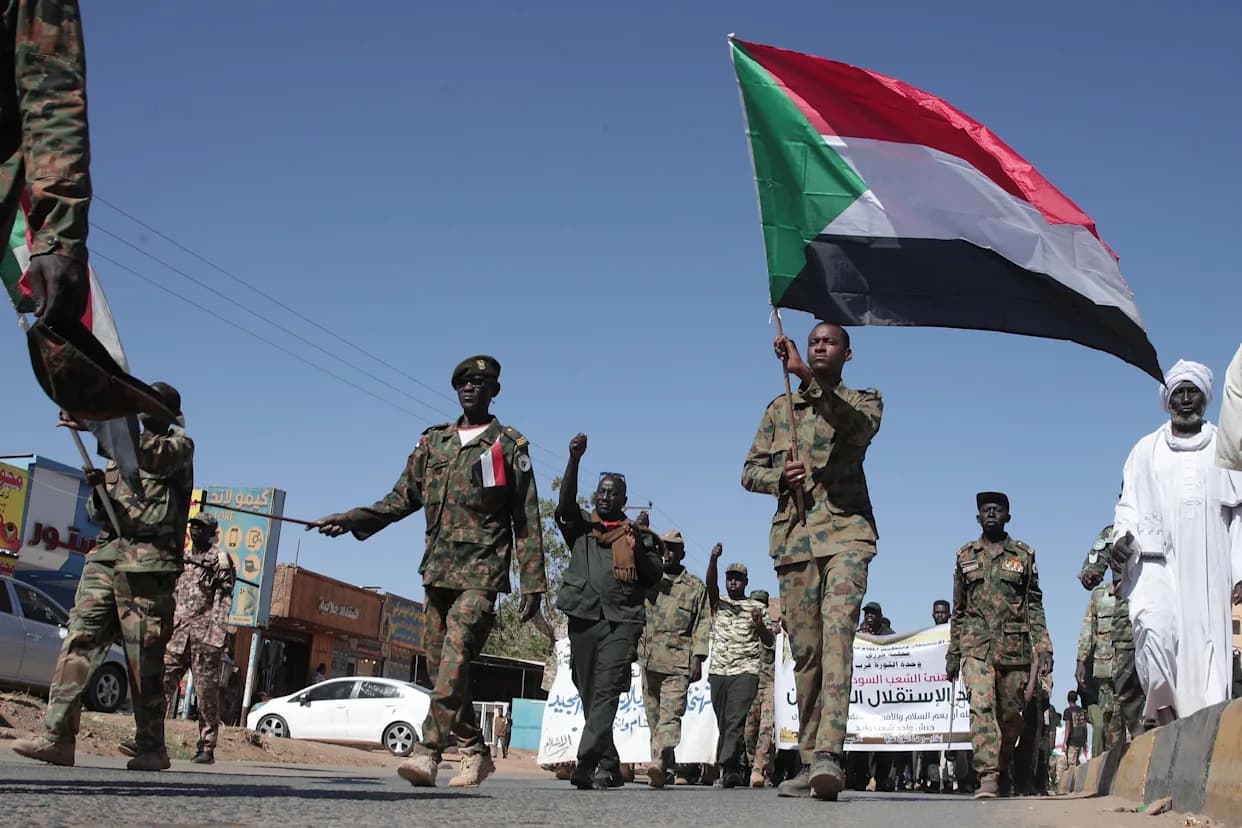
Sudan’s conflict began in April 2023 when power struggles between the Sudanese Armed Forces and the RSF erupted into nationwide fighting. Since the fall of el-Fasher — the military’s last major stronghold in Darfur — clashes have shifted east into the Kordofan region as RSF forces and allies push to secure the central corridor.
The RSF has reportedly targeted Kadugli and Dilling in South Kordofan and el-Obeid in North Kordofan. El-Obeid sits on a strategic highway linking Darfur with Khartoum; the national army briefly recaptured parts of that route in March. The United Nations has warned that Kordofan is at risk of suffering atrocities similar to those documented in el-Fasher.
Fragmentation of Control
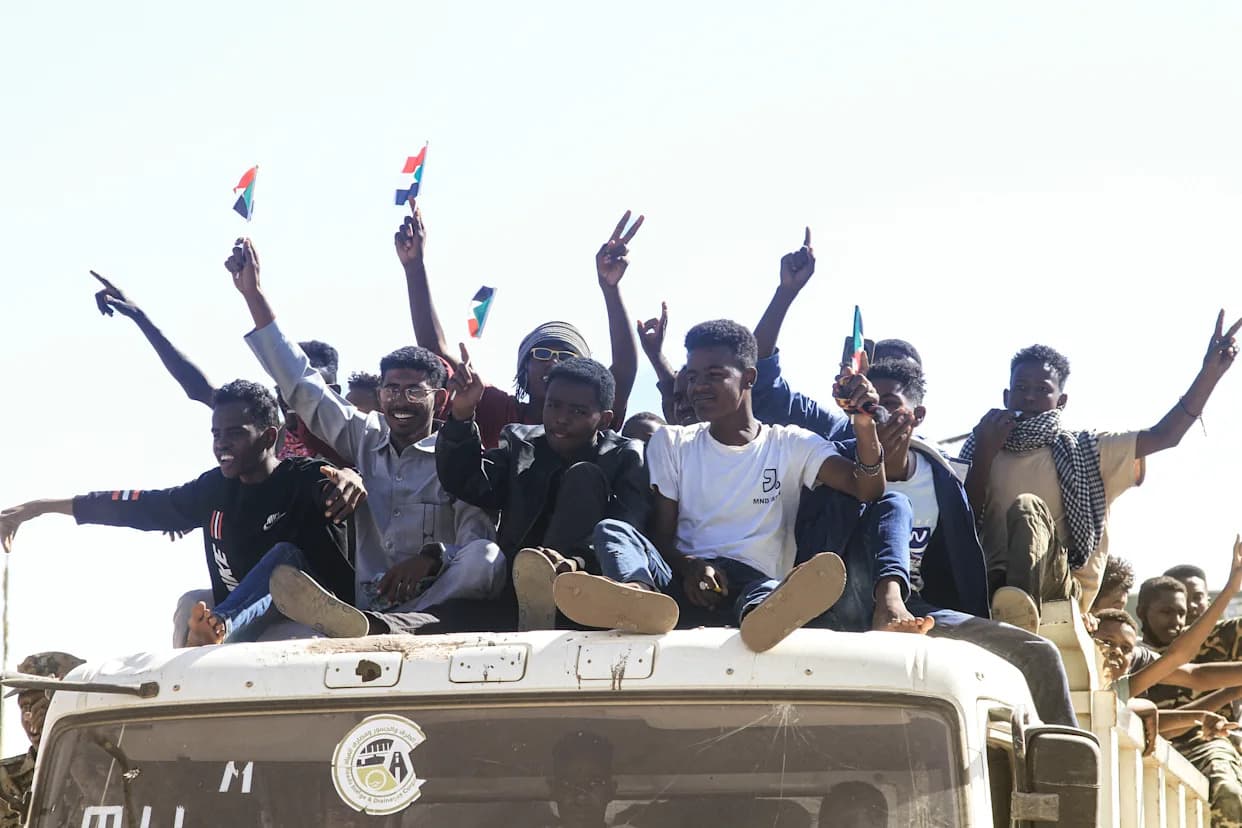
With the RSF now controlling many of Darfur’s major cities, Sudan is effectively divided: the army holds central, northern and eastern areas, while the RSF and allied groups control much of the west and parts of the south. Humanitarian agencies continue to face severe access constraints amid insecurity, blockades and logistical challenges.
DG ECHO: "These flights are intended to reach civilians who are increasingly isolated and in urgent need. Delivering safe humanitarian aid to Darfur remains a priority despite operational challenges on the ground."
The EU operation aims to stabilize emergency relief in the coming weeks, but agencies warn that sustained access, protection for civilians and an end to hostilities remain essential to prevent further deterioration of the humanitarian crisis.
Help us improve.