Since the pandemic, online creators and videos have helped spark two waves of conversions to Eastern Orthodoxy in the U.S., increasing parish attendance and prompting some churches to expand. Clergy emphasize that Orthodoxy is an embodied, communal faith and urge newcomers to join local parishes rather than remain online-only. The influx is more demographically varied than early reports suggested, but it raises pastoral and ideological challenges — including overlap with manosphere communities and occasional extremist rhetoric — that church leaders say require experienced pastoral care.
From Screens to Sanctuaries: How Online Orthodox Content Is Driving a Surge of U.S. Converts

A person lights a candle during service at St. Sophia Greek Orthodox Cathedral Tuesday, Nov. 18, 2025, in Los Angeles. (AP Photo/Allison Dinner)(ASSOCIATED PRESS)
LOS ANGELES — A recent surge of interest in Eastern Orthodoxy across the United States is being driven in large part by online videos, podcasts and social-media creators — even as clergy emphasize that the tradition is fundamentally embodied and must be lived in person.
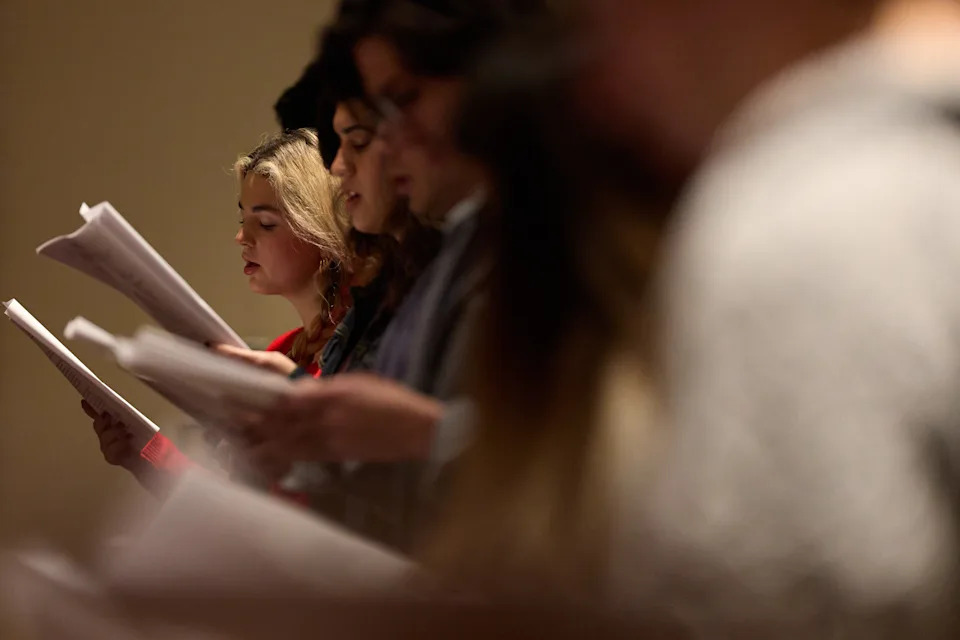
People sing during service at St. Sophia Greek Orthodox Cathedral Tuesday, Nov. 18, 2025, in Los Angeles. (AP Photo/Allison Dinner)(ASSOCIATED PRESS)
The Very Rev. Andreas Blom of Holy Theophany Orthodox Church in Colorado Springs captures the tension: "You discovered Orthodoxy online. You learned about it online. Now you’re here, the internet is done," he tells inquirers. "Now you have a priest. Now you have people. Now you need to wean yourself off that stuff and enter into this real community of faith."
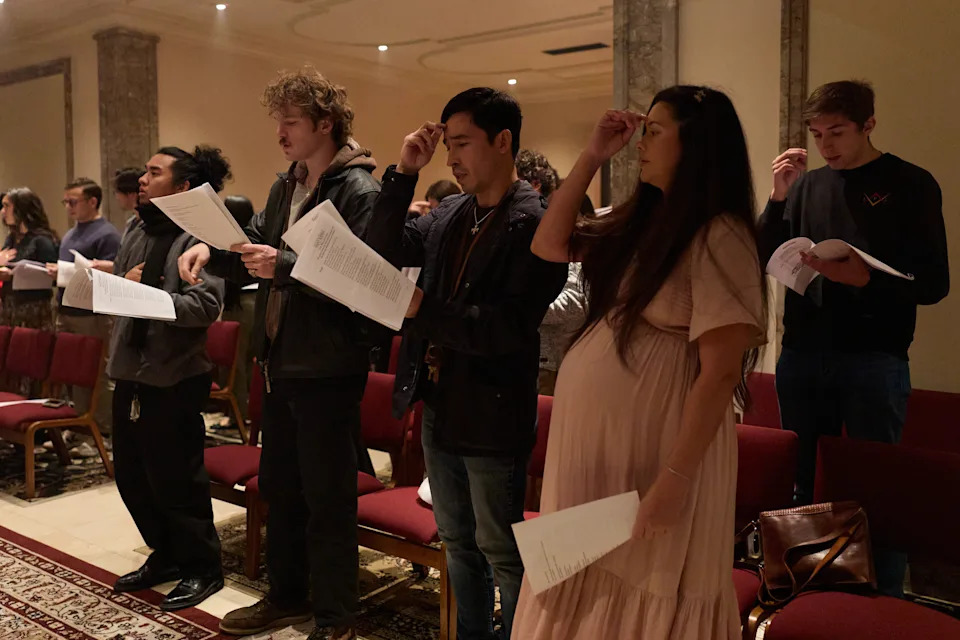
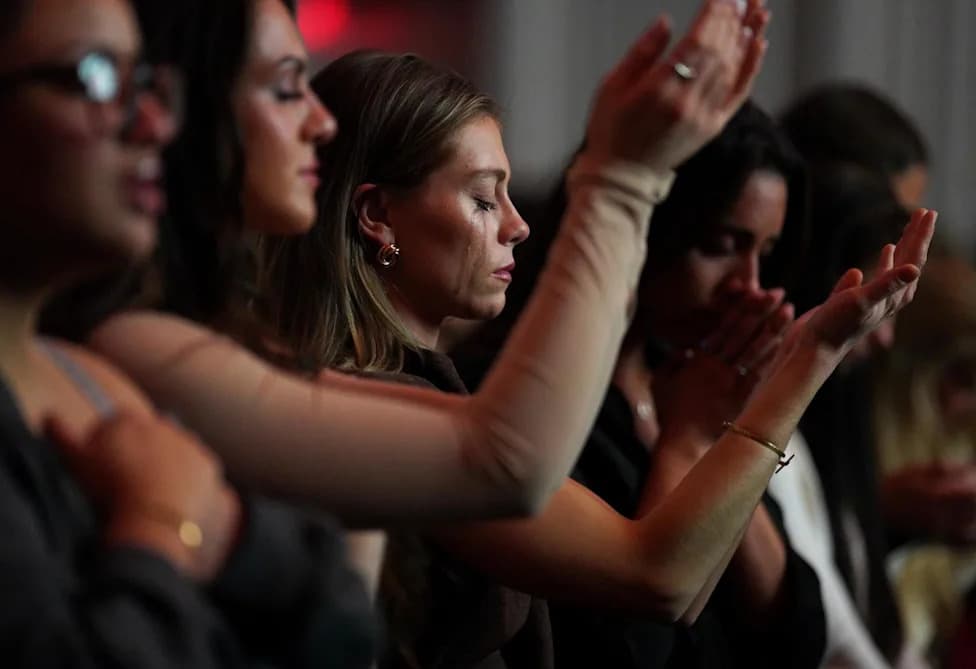
People sing and pray during service at St. Sophia Greek Orthodox Cathedral Tuesday, Nov. 18, 2025, in Los Angeles. (AP Photo/Allison Dinner)(ASSOCIATED PRESS)
Digital Reach, Real-World Growth
Often called America’s "best kept secret," Eastern Orthodoxy accounts for roughly 1% of U.S. adults, according to Pew Research Center. Since the pandemic, however, a noticeable increase in online Orthodox content has coincided with two waves of new converts, says Matthew Namee, executive director of the Orthodox Studies Institute.
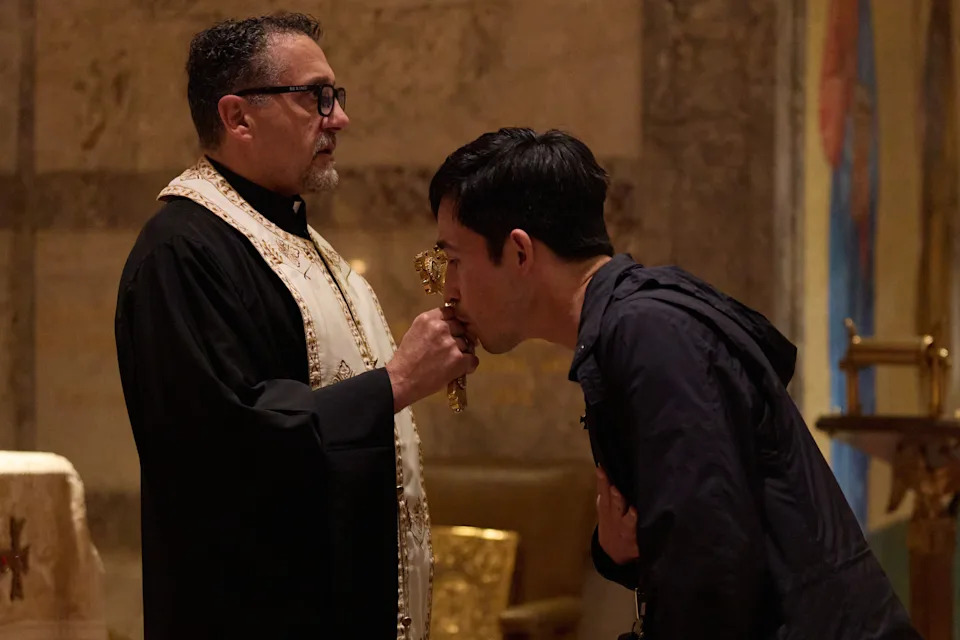
A person kisses the cross during service at St. Sophia Greek Orthodox Cathedral Tuesday, Nov. 18, 2025, in Los Angeles. (AP Photo/Allison Dinner)(ASSOCIATED PRESS)
Online influencers range from ordained priests to lay creators, and their political perspectives vary widely. Jonathan Pageau, a Canadian icon carver and teacher with about 275,000 YouTube subscribers, is one of the most prominent figures. Pageau and others acknowledge the paradox of using digital tools to promote a faith centered on communal, in-person liturgy, and they frequently advise followers to find a local parish.
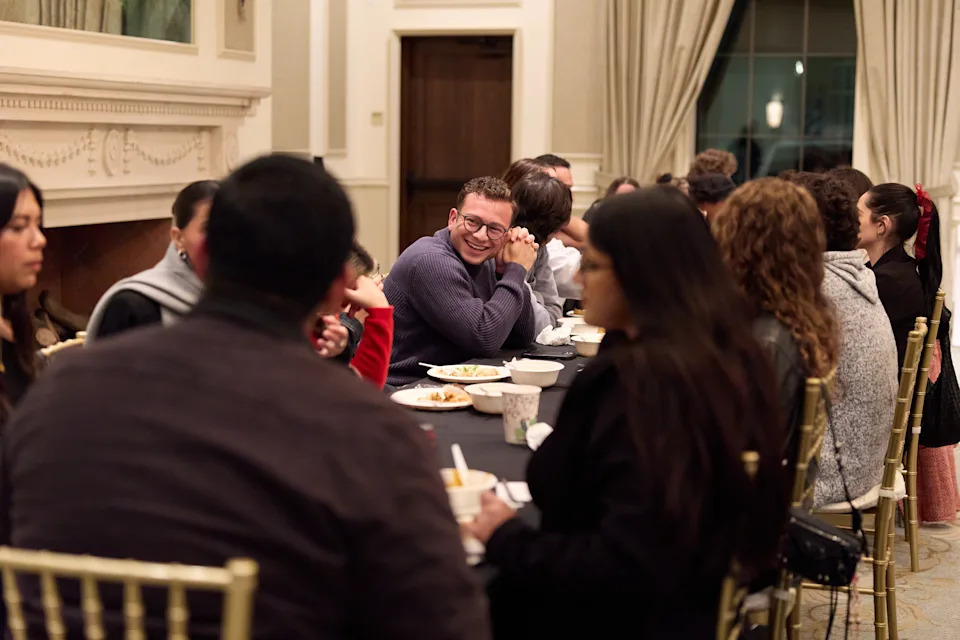
People gather after church service for the Young Adult Gathering Dinner and Discussion event at St. Sophia Greek Orthodox Cathedral Tuesday, Nov. 18, 2025, in Los Angeles. (AP Photo/Allison Dinner)(ASSOCIATED PRESS)
From Screen to Sanctuary
Parishes are already seeing the effects. Holy Theophany consistently outgrew its 250-seat building and opened a second location this year; leaders are discussing a third. In Brooklyn, the Very Rev. Thomas Zain reports adult education attendance has climbed from a handful to dozens. Newcomers include people of many backgrounds — Black and Hispanic Americans, women, young families and those from other faiths or spiritual paths.
Many converts describe a gap between online portrayals of Orthodoxy and parish life. Abia Ailleen, chrismated at Saint Sophia Greek Orthodox Cathedral in Los Angeles, spent months researching online before attending. She says some newcomers arrive with rigid expectations formed by internet content, yet discover in parishes "a structure of humility, of making mistakes and of vulnerability." Those tested by traditional disciplines of prayer and fasting report deep spiritual rewards, likening the effort to the satisfaction of a difficult workout.
Ideological Fault Lines And Pastoral Challenges
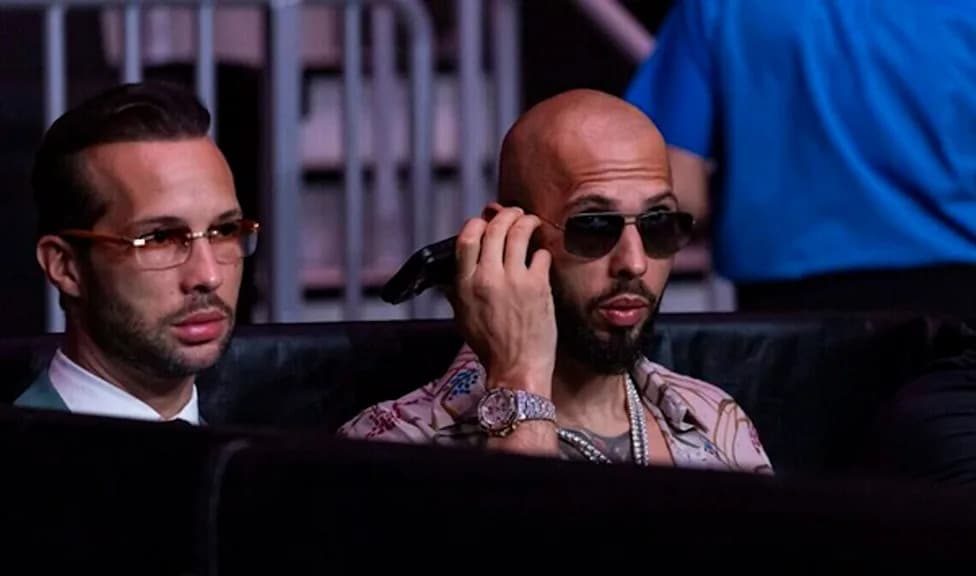
Not all online Orthodox content is the same. Some creators intersect with the so-called manosphere and market Orthodoxy as an antidote to secular self-help aimed at men, which fuels the impression that most new converts are young men. Scholars and clergy caution against conflating these online subcultures with the broader church. "By and large, Orthodox Christians are not far right," says Sarah Riccardi-Swartz of Northeastern University.
"There are cases of extremism and fundamentalism," Metropolitan Saba of the Antiochian Orthodox Christian Archdiocese warned, noting many newcomers are psychologically or socially wounded and require experienced spiritual guidance.
Clergy face the twin tasks of integrating ideologically diverse newcomers with long-standing members and offering mature pastoral care. Some leaders and scholars call for clearer public guidance from church authorities to counter distorted portrayals of Orthodoxy and to emphasize the tradition’s pastoral and communal core.
Bottom line: The internet is expanding Orthodoxy’s reach, bringing new life and new challenges to parishes across the U.S. Church leaders urge converts to move from screen-based learning into local communities, where the faith’s lived practices and pastoral relationships can take root.
Help us improve.