The US seizure of the oil tanker Skipper in international waters is a major escalation in Washington's campaign against Nicolás Maduro, involving the Coast Guard, Navy, FBI, Homeland Security and DoD support. Executed under a federal warrant alleging links to Iran-backed groups, the operation will be seen alongside previous interdictions of over 20 vessels and strikes that reportedly killed 87 people. Critics cite legal and human-rights concerns, while supporters say stopping sanctioned oil shipments hits Maduro's revenue. The move raises questions about escalation, transparency and post-crisis planning.
US Seizes Venezuelan Tanker 'Skipper': Escalation, Legal Questions and Regional Risks

This image from video posted on Attorney General Pam Bondi's X account, and partially redacted by the source, shows an oil tanker being seized by US forces off the coast of Venezuela, on December 10, 2025. - US Attorney General's Office/X via AP
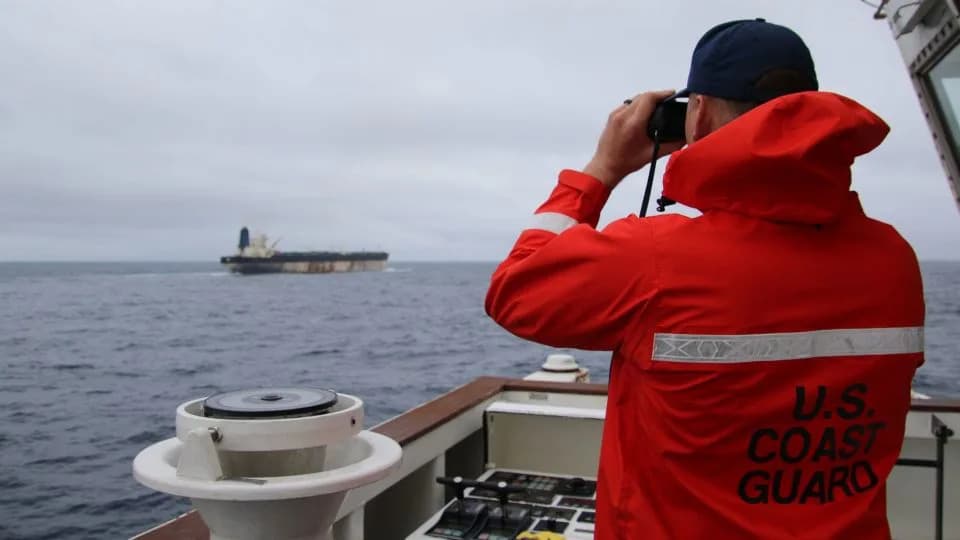
The Trump administration's seizure of the oil tanker Skipper in international waters marks a high-profile escalation in Washington's pressure campaign against Nicolás Maduro's government. US Coast Guard personnel, supported by the Navy, the FBI, Homeland Security Investigations and Department of Defense assets, boarded the vessel under a federal warrant alleging links to Iran-backed groups and sanctioned oil shipments.
Boarding a foreign-flagged tanker on the high seas is an uncommon and conspicuous action that follows a series of interdictions and strikes the administration says targeted drug traffickers and narco-networks. Officials have described the operation as part of broader efforts to stop sanctioned oil exports, while critics warn it adds a new layer of political and legal risk to an already tense standoff.
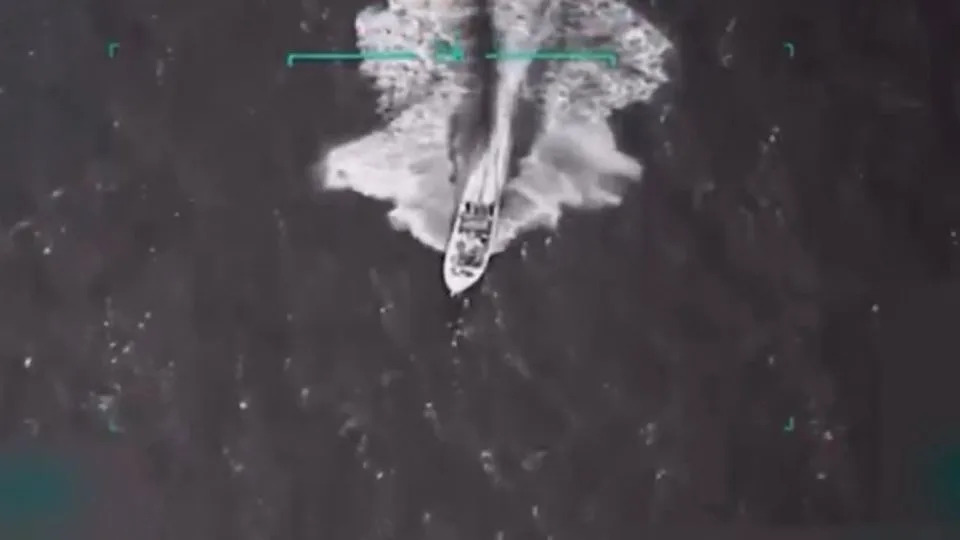
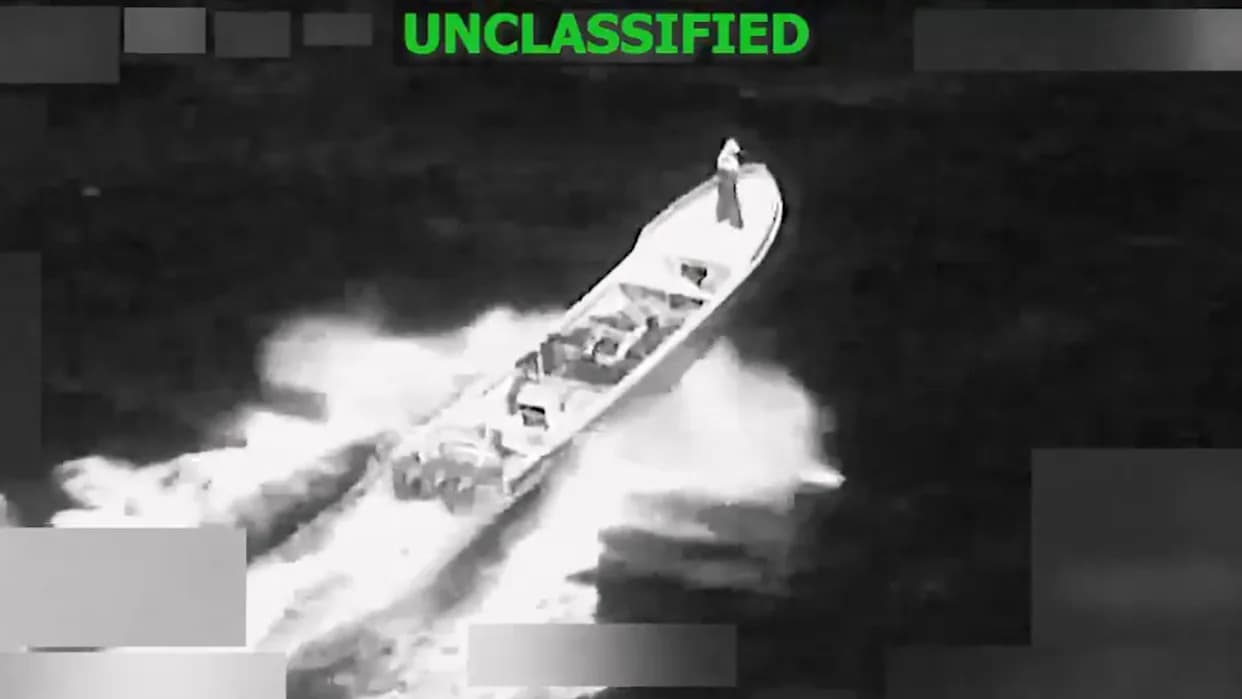
This screengrab taken from a video posted by the Defense Department shows a boat shortly before it is hit by a strike on September 2, 2025. - Defense Department
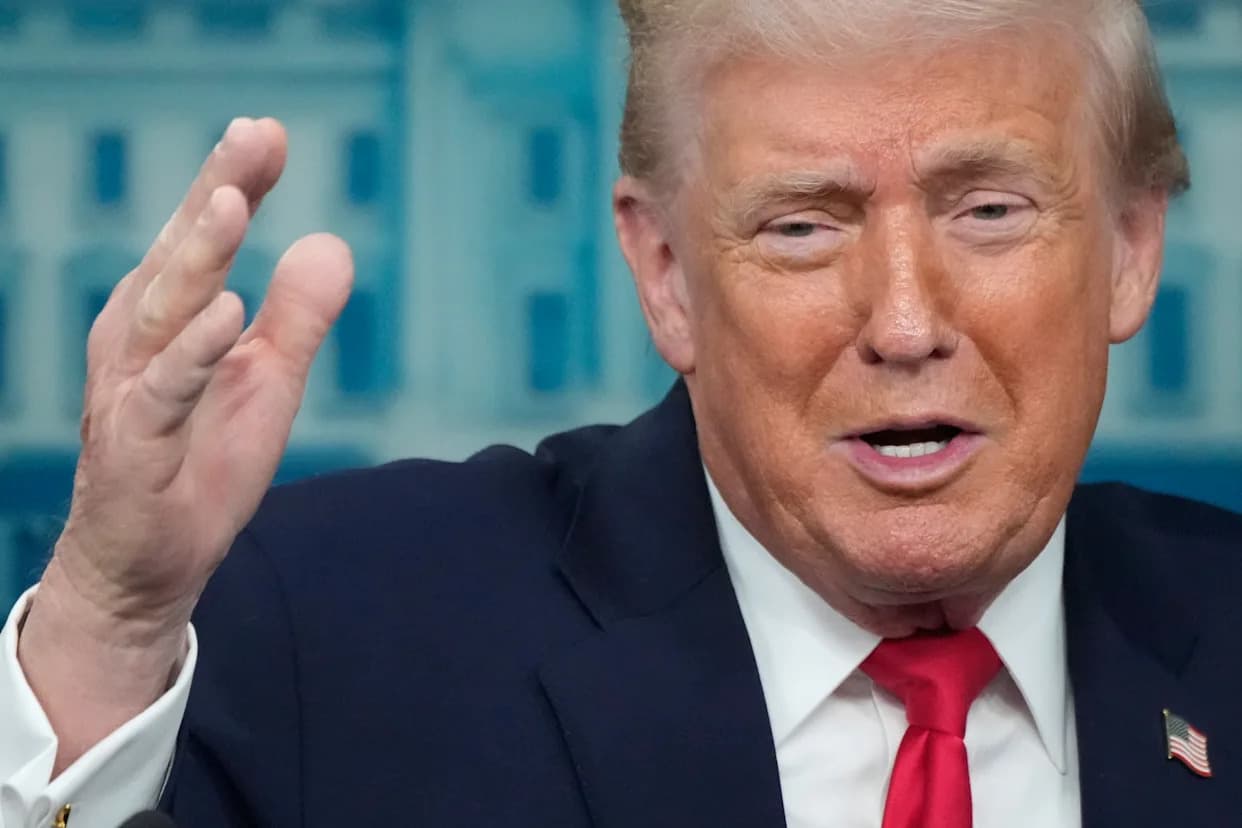
President Trump told reporters the United States had boarded a "large tanker, very large, largest one ever seized, actually."
Legal and Human Rights Concerns
Although early analysis suggests the tanker seizure — conducted under a court warrant — may raise fewer immediate constitutional issues than the administration's strikes on small vessels, the broader campaign has generated intense legal scrutiny. Administration strikes in the Caribbean and Pacific allegedly killed 87 people, and a reported September 2 follow-up, or "double-tap," attack that may have killed survivors prompted accusations from Democrats and human-rights groups that the operation could amount to a war crime.
Lawmakers have demanded transparency. House members and rights organizations have pressed Defense Secretary Pete Hegseth for video and other records of the strikes; the administration has at times offered conflicting signals about whether such material would be released.
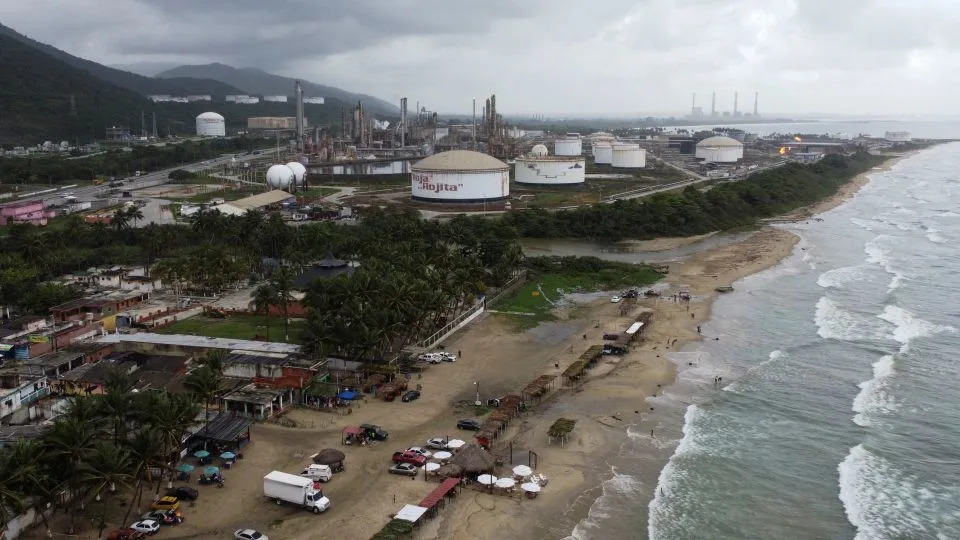
People bathe on a beach next to the El Palito refinery of the Venezuelan state oil company PDVSA, in Puerto Cabello, Venezuela February 10, 2024. - Leonardo Fernandez Viloria/Reuters
Political Optics and Regional Pressure
The interception of the Skipper will be read alongside the significant US naval presence in the Caribbean — including the aircraft carrier USS Gerald R. Ford — as a deliberate signal to Maduro and his inner circle. The move is intended to increase pressure on the regime, potentially encouraging defections or hastening Maduro's removal, but it also ties US credibility and the president's reputation to the crisis' trajectory.
Caracas condemned the seizure as evidence that US policy is driven by a desire to control Venezuela's natural resources. "It is not migration. It is not drug trafficking. It is not democracy. It is not human rights. It has always been about our natural wealth, our oil," read an official government statement.
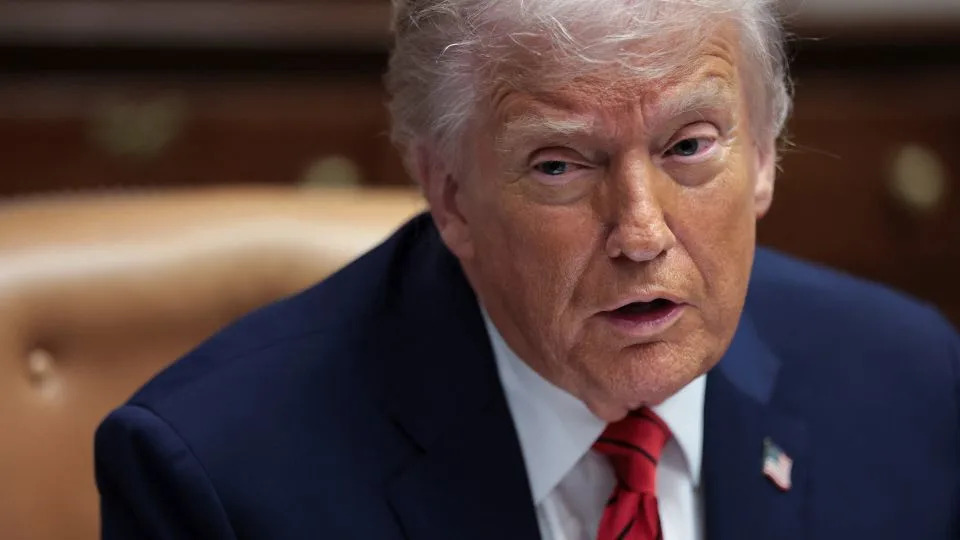
US President Donald Trump participates in a roundtable discussion with business leaders at the White House in Washington DC, on December 10, 2025. R - Jonathan Ernst/Reuters
Regional Risks and Policy Debate
Critics argue the administration has given insufficient public explanation of its objectives and contingency plans. Analysts warn that the fall of an entrenched regime could produce instability, violence and refugee flows if there is not a clear post-regime strategy. Comparisons have been drawn to post-invasion Iraq, though many observers note that the Venezuelan context differs in key ways.
Supporters of interdiction efforts say preventing sanctioned oil shipments undermines the regime's revenue streams and targets shadow tanker networks that trade for nations like Iran. Former senior intelligence official Beth Sanner told CNN such seizures are "absolutely normal" enforcement actions when assets and regional reach make them possible.
Opposition Developments
Complicating the diplomatic picture, opposition leader María Corina Machado left hiding in Venezuela and traveled to Oslo, where her daughter had earlier accepted a Nobel Peace Prize on her behalf. Her public emergence abroad may present new diplomatic opportunities for opposition voices and for US officials seeking to highlight internal dissent in Caracas.
What Comes Next
The Skipper's seizure intensifies pressure on Maduro but also raises fresh questions about legality, escalation and US strategy. If Washington seeks to pursue regime change by force, constitutional experts and some lawmakers say congressional authorization would be required. For now, the operation underscores how intertwined legal, political and humanitarian stakes have become as the United States increases its involvement around Venezuela.
Agencies named by Attorney General Pam Bondi as participants in the seizure included the FBI, Homeland Security Investigations, the US Coast Guard and Department of Defense support. How the administration balances enforcement of sanctions, potential military options and diplomatic efforts will shape regional stability and US standing in Latin America.
Help us improve.