Russian forces accelerated their offensive in November, seizing about 200 square miles as peace talks falter. The Institute for the Study of War says the pace approached early-invasion levels, but analysts caution gains remain incremental rather than decisive. Political pressure is rising in Washington and Europe as leaders scramble to avoid sidelining Ukraine in any settlement.
Russia Makes Rapid Territorial Gains in Ukraine as Peace Talks Stall

Russian Advances Accelerate While Diplomacy Stalls
Russian forces have stepped up territorial gains in Ukraine, capturing roughly 200 square miles in November — about double October’s reported figure — according to DeepState, a Ukraine-based battlefield mapping project. The Institute for the Study of War (ISW) said the pace of advance in November approached levels seen soon after the 2022 invasion.
Frontline Developments
Moscow’s forces have pressed on several fronts, notably around Siversk in Donetsk province as part of a broader push toward the fortified cities of Sloviansk and Kramatorsk. Russian channels reported that small infiltration groups seized residential neighborhoods north of Siversk, a tactic previously used near Pokrovsk. Ukraine’s military reported heavy fighting and DeepState marked about half of Siversk as contested.
Other flashpoints include Pokrovsk — a former rail and logistics hub that has seen prolonged combat — nearby Myrnohrad, and the northeast city of Kupiansk, which has been contested for two years. Russian advances in Zaporizhzhia in the south were also reported. Russia’s defence ministry claimed control of two villages, Kucherivka (Kharkiv region) and Rivne (Donetsk), though independent verification has been limited.
Diplomacy, Politics and Pressure
Negotiations to end the war remain stalled. A ceasefire proposal reportedly developed in talks involving U.S. and Russian inputs would have required Ukraine to cede large tracts of land — terms Kyiv and many European governments rejected. Analysts warn that recent Russian gains may increase political pressure in Washington and Europe to consider a settlement more favorable to Moscow.
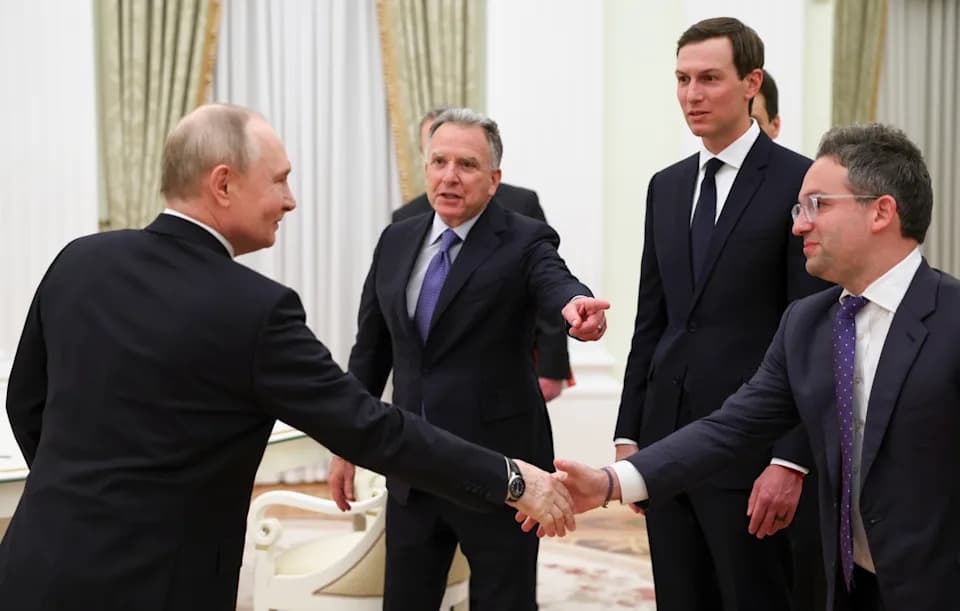
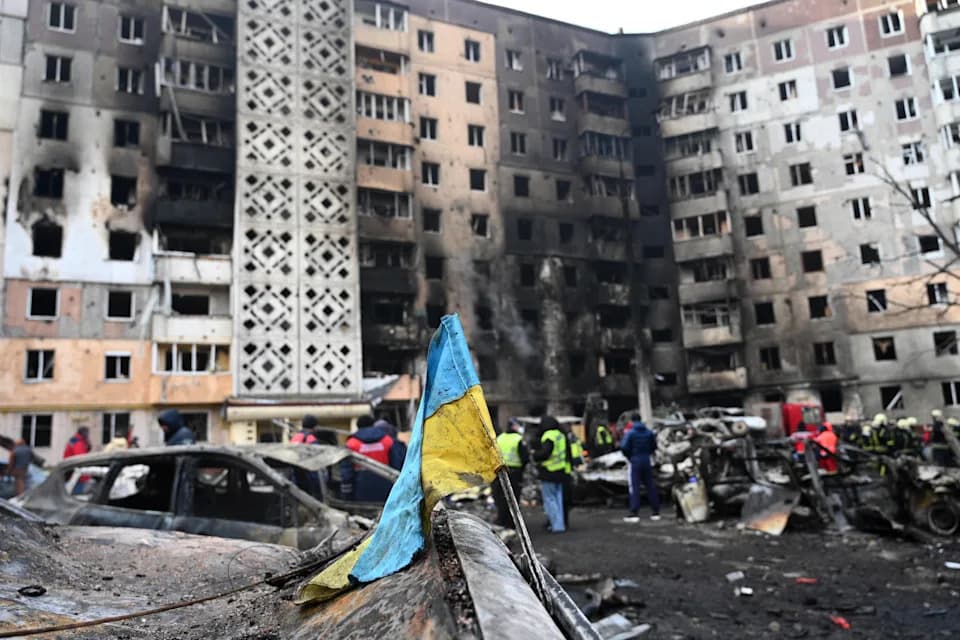
Ukrainian President Volodymyr Zelensky said he held a “long and substantive” call with U.S. negotiators and advisers, including Jared Kushner, who has been involved in talks. Shortly after that call, Russian forces carried out a missile-and-drone barrage targeting cities and critical infrastructure, including train stations.
In the United States, recent policy language in the national security strategy downplayed Europe’s role and removed phrasing that previously described Russia as a direct threat; Moscow welcomed the revisions. Political debate in Washington — and comments from high-profile figures — have added to uncertainty about continued Western support for Kyiv.
Analysis And Outlook
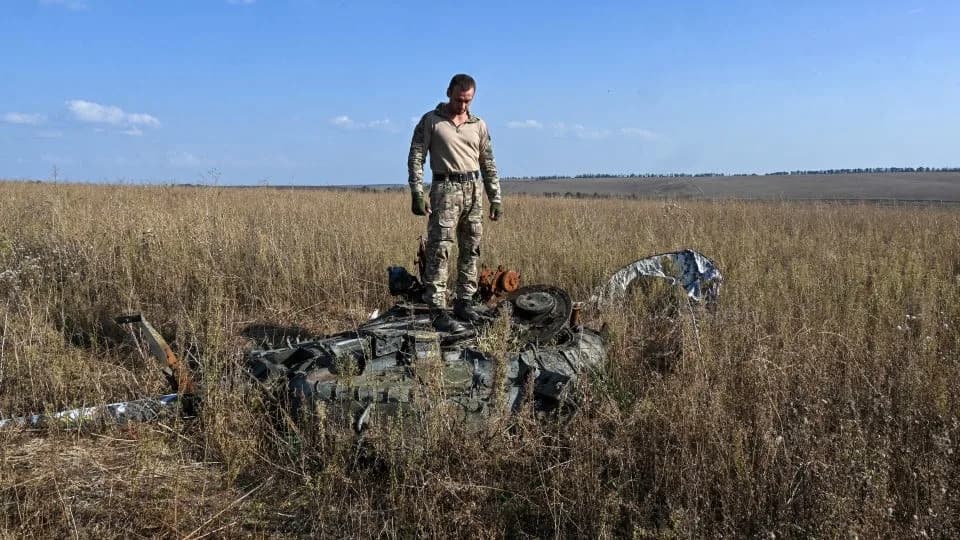
Military analysts caution that while territory figures show steady Russian gains, they do not necessarily indicate an imminent collapse of Ukrainian defenses. Emil Kastehelmi of the Black Bird Group told The Telegraph there have been “no grand breakthroughs” and that many gains are incremental — small villages and open ground rather than decisive penetrations of main defensive lines.
Analysts estimate that capturing the rest of the Donbas would likely take Russia years, given fortified positions around Kramatorsk and Sloviansk. Winter weather is expected to slow major offensives, though Russian leadership has ordered forces to prepare for winter combat, signaling continued intent to press territorial demands.
Verification And Sources
Much of the reporting draws on battlefield mapping projects and think-tank assessments (DeepState, ISW) and includes claims from Russian official sources and Telegram channels. Some Russian claims have not been independently verified; Ukrainian authorities have sometimes been slow to confirm or update positions amid ongoing combat. Readers should treat battlefield figures and village-control claims as provisional and subject to later confirmation.
Bottom line: Russia’s November gains represent a faster tempo of advance than recent months, raising political stakes in Washington and Europe, but analysts say the battlefield effects remain gradual rather than transformational at this stage.
Help us improve.